Place the ricotta in a strainer lined with cheesecloth. Allow the ricotta to drain for an hour. Place the ricotta in a bowl and add the egg, parmesan, salt, and flour. Stir until well combined and a ball of dough has formed. Place in the refrigerator for 15 minutes. The dough should feel tacky but not stick to your hands covered with a little flour. Add a tablespoon more flour as needed to reach this consistency, refrigerating dough after each flour addition.: The ricotta should smell fresh and milky, and draining removes excess whey so the dough firms up properly. While you wait, the texture shifts from wet and floppy to thick and spreadable, which is essential for shaping. If you skip or shorten this step you will likely end up with a sticky, unmanageable dough that needs far more flour, which can make the gnocchi heavy.
While the ricotta is draining, cover the walnuts with filtered water and let soak for an hour (or longer, if desired). Drain, rinse, and place in a blender along with the remaining ingredients for the walnut sauce. Puree until smooth, adding more water as needed to thin the sauce. Taste and adjust herbs/lemon flavor as desired. Set aside.: During this hour the liquid separates and you will notice a small pool of whey collect beneath the cheesecloth, which is normal. The ricotta becomes concentrated in flavor and silkier in mouthfeel, producing pillowy gnocchi. A common mistake is squeezing the ricotta aggressively, which makes it overly dry and crumbly, so be patient and let gravity do the work.
On a floured surface, divide the dough into 8 balls. Roll each ball into a rope that is about 1/2” thick and using a bench scraper, cut the dough into 3/4” long pieces. Transfer to a lightly floured baking sheet and repeat with remaining dough. Transfer half the gnocchi to the freezer to save for a later meal.: As you combine these, the bowl will fill with a slightly tacky, cohesive mass that smells subtly cheesy and lemon free, depending on your parmesan. The flour gives body and the egg binds; mix gently until a ball forms to avoid overworking gluten which can toughen the gnocchi. If you overmix, rest the dough in the fridge to relax the texture.
Bring a pot of water to a boil with a hefty pinch of salt. Add the gnocchi. Let cook until the gnocchi come to the surface and continue to cook for one minute after that, roughly 3 minutes. Using a slotted spoon, transfer the gnocchi to a clean sheet tray and set aside.: At this point you should feel a soft, slightly tacky ball that holds shape. The dough should yield to gentle pressure but not stick heavily to your fingers. If it clings, dust lightly with more spelt flour , but add sparingly to preserve tenderness. A common pitfall is adding too much flour at once, which can dry out the dough and produce dense gnocchi.
If using favas still in the pods, remove the fava beans from the pods. Use the boiling gnocchi water and blanch the fava beans for 60 seconds. Transfer to a bowl with ice water to stop the cooking process. Using a paring knife, shell the favas and set aside.: Chilling firms the dough and makes rolling easier, and you will notice it becomes less sticky to the touch. The cold also helps the dough relax, which reduces tearing when you shape the ropes. Don’t skip this brief rest or the dough will be sticky and harder to handle.
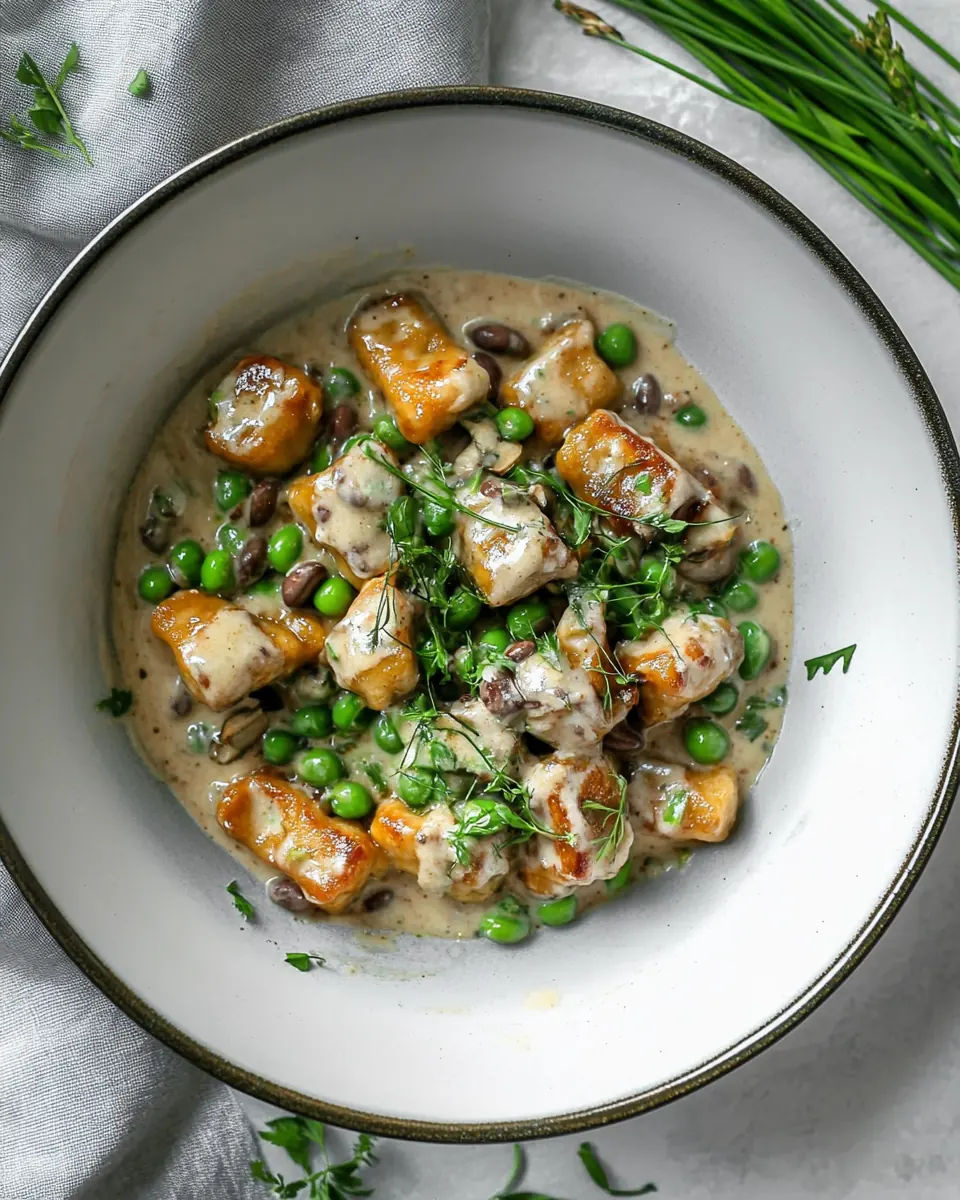
Heat a large skillet over medium heat. Add the olive oil and butter followed by the gnocchi. Cook, tossing occasionally, until the gnocchi is golden and crisp. Turn off heat. Add the shelled fava beans and walnut sauce to the pan, using the gnocchi water to thin more if desired. Serve with a sprinkle of fresh pea or fava greens.: Test a small piece by rolling it between your palms; it should form a rope without leaving residue. This sensory cue tells you the hydration is right. If the dough still sticks, add a tablespoon more spelt flour at a time, refrigerating after each adjustment to keep texture consistent.
Add a tablespoon more flour as needed to reach this consistency, refrigerating dough after each flour addition: Adding flour incrementally prevents overshooting and keeps the gnocchi delicate. Every addition alters the dough, so chill between adjustments so the flour hydrates evenly. Rushing this can lead to a gummy interior with a dry exterior.
While the ricotta is draining, cover the walnuts with filtered water and let soak for an hour: Soaking softens the raw walnuts and helps remove tannic bitterness, so when you blend them the texture is creamy. After soaking, you will notice the nuts swell slightly and the liquid will be tinted; drain and rinse well. Forgetting to soak can result in a grainy, slightly astringent sauce.
Drain, rinse, and place in a blender along with the remaining ingredients for the walnut sauce: As you blend, the aroma of nuts mingles with fresh herbs and lemon, producing a bright, nutty fragrance. Start pulsing so the walnuts break down evenly before running the blender at full speed to avoid overheating. If your blender struggles, add a splash of water to help it move.
Puree until smooth, adding more water as needed to thin the sauce: Aim for a silky texture that coats the back of a spoon. The sauce should cling to the gnocchi rather than pool like broth. If it becomes too thin, blend in a few more nuts or a touch of parmesan to tighten the body; if too thick, thin slowly with water to avoid diluting flavor.
Taste and adjust herbs lemon flavor as desired: Balancing acidity and herbiness is crucial, so sample the sauce and tweak with a bit more lemon juice or dill if it feels flat. Small changes dramatically shift the profile, so adjust in tiny increments. Over brightening with lemon is easy, so correct gradually.
Set aside: Keep the walnut sauce covered in the fridge if you are not using it immediately. The flavors meld and often become more cohesive after a short rest, but chilling too long can mute the fresh herb notes, so bring it to room temperature before tossing with warm gnocchi.
On a floured surface, divide the dough into 8 balls: Dividing helps manage size and ensures even cooking. Each ball should feel uniform, and the surface dusted with spelt flour prevents sticking. Press gently rather than kneading, because aggressive handling activates gluten and will tighten the gnocchi.
Roll each ball into a rope that is about 1/2” thick and using a bench scraper cut the dough into 3/4” long pieces: As you roll you will hear a soft whisper of dough on the board and see a smooth rope with a slightly floured sheen. Cutting evenly yields consistent cooking times and a harmonious mouthfeel. If pieces are uneven, some will overcook while others remain underdone.
Transfer to a lightly floured baking sheet and repeat with remaining dough: Arrange pieces so they are not touching, which prevents them from sticking together. Lightly flour the tray so the gnocchi remain loose, and if you plan to freeze half, place them on a separate tray for flash freezing. Crowding the sheet is a common error that leads to stuck clumps.
Transfer half the gnocchi to the freezer to save for a later meal: Freezing solid on a tray prevents pieces from fusing when stored together, and you will appreciate having ready gnocchi later. Freeze until firm, then transfer to a container; thawing before cooking is unnecessary when you boil from frozen, but expect a slightly longer cooking time.
Bring a pot of water to a boil with a hefty pinch of salt: The water should smell faintly saline and sparkle as it reaches a rolling boil. Salt seasons the gnocchi from the inside, enhancing overall flavor. Under salting the water results in bland dumplings, so be generous but not excessive.
Add the gnocchi: As the pieces hit the water they will sink briefly then begin to bob; the surface movement is a good visual cue. Keep the heat steady to maintain a gentle boil so the gnocchi do not break apart. Avoid over stirring during the initial cook to prevent tearing.
Let cook until the gnocchi come to the surface and continue to cook for one minute after that roughly 3 minutes: When they float, the interior has set and they will feel tender yet resilient when bitten. The minute after floating ensures the centers are cooked through without becoming gummy. Overcooking here will make them mushy, so watch closely.
Using a slotted spoon transfer the gnocchi to a clean sheet tray and set aside: Drain well so excess water does not thin the sauce later. The hot gnocchi will glisten slightly and carry steam; spread them out so they cool a touch before pan crisping. Letting them sit too long can cause them to stick together.
If using favas still in the pods remove the fava beans from the pods: Shelling releases an earthy aroma and reveals the bright green beans inside. Work carefully so you do not bruise the beans, which can darken their color.
Use the boiling gnocchi water and blanch the fava beans for 60 seconds: Blanching preserves the vivid green color and softens the skins, giving a tender bite. Immediately shock them in ice water to halt cooking, which keeps texture lively. Over blanching will make them flat and mushy.
Transfer to a bowl with ice water to stop the cooking process: The ice bath is the moment when color and texture lock in, and you will notice the beans regain a firm snap. Skipping the ice bath means residual heat will continue to cook them and they will lose brightness.
Using a paring knife shell the favas and set aside: Remove the inner beans carefully so they remain whole and glossy. The peeled beans will taste sweeter and more delicate than the outer skins, and keeping them intact improves presentation.
Heat a large skillet over medium heat: The pan should feel warm to the touch and radiate steady heat. A properly heated pan creates quick browning and prevents sticking. If the pan is too cool you will not get a golden sear.
Add the olive oil and butter followed by the gnocchi: The oil raises the smoke point and the butter provides toasty flavor when they melt together, and you will hear a soft sizzle as the gnocchi hits the pan. Move them gently to brown evenly, and resist overcrowding which causes steaming.
Cook tossing occasionally until the gnocchi is golden and crisp: Watch for golden patches and a nutty aroma; those are signs the outside has caramelized and the interior is tender. Crisping adds texture contrast that elevates each bite. If you stir constantly you will disrupt browning and miss the crisp edges.
Turn off heat: Switching off preserves the browned crust while preventing the butter from burning as you finish the dish. Residual pan heat is just enough to warm the beans and sauce without overcooking.
Add the shelled fava beans and walnut sauce to the pan using the gnocchi water to thin more if desired: The warm pan gently brings the sauce together with the gnocchi and beans, releasing steam and a fragrant nuttiness. If the sauce seems thick, add spoonfuls of the reserved starchy water until it coats the gnocchi luxuriously. A too thin sauce will not cling, while an overly thick one will feel heavy.
Serve with a sprinkle of fresh pea or fava greens: The greens provide a bright, peppery finish and a pop of color that makes the plate sing. Serve immediately so the crisped edges stay texturally distinct. Waiting too long risks losing that contrast as the sauce softens the crust.