Adjust your oven rack to the middle position and preheat the oven to 350°F. Grease and flour two 9-inch pans.: You should feel the oven warming as it powers up, and within minutes a steady heat will envelop the chamber, which is essential for even rise and browning. The middle position prevents the top from overbrowning while allowing the center to cook through, and the steady 350°F gives predictable texture and crumb structure. A common mistake is placing the pans too high or too low, which can cause domes or undercooked centers. If your oven runs hot, use an oven thermometer to confirm the temperature and rotate the pans halfway through baking for uniform color and doneness. You may hear faint ticking as the oven cycles, and you will see the pans begin to set around the edges after about 15 to 20 minutes.
Combine all of the spices in a small bowl; reserve 1/2 teaspoon for the frosting.: The contact between the batter and the pan should be nonstick so the cake releases cleanly, which keeps the layers intact. Greasing adds a thin layer of fat, and a light dusting of all purpose flour ensures the crust does not cling; if you prefer, line the bottoms with parchment for extra safety. Press the greased flour into the pan gently so there are no heavy clumps, and tap out excess to avoid a grainy exterior. A typical error is overflouring, which creates an unpleasant film on the cake surface; use only a teaspoon or two and tap out the rest. When properly prepared, the cakes will come out with even, lightly golden edges that release smoothly when inverted.
Heat 4 tablespoons of the butter in an 8-inch skillet over medium heat until melted, 1 to 2 minutes. Continue to cook, swirling the pan constantly, until the butter is light brown and has a faint nutty aroma, 2 to 4 minutes. Add the spices (make sure you save the 1/2 teaspoon for the frosting) and continue to cook, stirring constantly, 15 seconds. Remove from heat and cool to room temperature, about 30 minutes.: Mix the cinnamon , cardamom , allspice , cloves , and nutmeg until uniform, and notice the layered aroma that rises immediately. Reserving a pinch for the frosting creates continuity of flavor between cake and topping. If you skip mixing evenly, you risk pockets of intense spice, so sift or whisk thoroughly. One pitfall is using ground spices that are old, which leaves a muted scent; fresh spices produce a vivid, aromatic lift. The bowl will smell warm and fragrant, and that scent is a reliable signal that your spice blend is ready to be used.
In a medium bowl, whisk together the flour, baking powder, baking soda, and salt. In a small bowl, gently whisk the eggs, yolks and vanilla to combine. In standing mixer fitted with a paddle attachment (or use a hand mixer), cream the remaining 12 tablespoons of butter with the sugar and molasses at medium-high speed until pale and fluffy, about 3 minutes, scraping down sides and bottom of bowl twice with rubber spatula. Reduce to medium speed and add the cooled butter/spice mixture, ginger, and half of egg mixture; mix until incorporated, about 15 seconds. Repeat with the remaining egg mixture; scrape down the bowl again. Reduce to low speed; add about one-third of the flour mixture, followed by half of the buttermilk, mixing just until incorporated after each addition, about 5 seconds. Repeat using half of remaining flour mixture and all of remaining buttermilk. Scrape bowl and add the remaining flour; mix at medium speed until the batter is thoroughly combined, about 15 seconds. Remove the bowl from the mixer and fold the batter once or twice with a rubber spatula to incorporate any remaining flour.: As the butter melts, it will foam and then subside, and within a couple of minutes you will see it begin to brown at the edges and smell faintly nutty. Swirl constantly so it browns evenly, then cook until light brown and aromatic; this adds toffee like notes that deepen the cake's flavor. When you add the spices, they will bloom in the warm fat, releasing oils that intensify their aroma for about 15 seconds. A common mistake is letting the butter burn, which will make the cake taste bitter, so remove it from the heat promptly and let it cool to room temperature for about 30 minutes before incorporating. The cooled butter will carry a glossy, almost caramel scent that enhances the batter.
Divide the batter between the prepared pans. Lightly tap against counter 3 or 4 times to dislodge any large air bubbles; smooth the surface with a spatula.: This dry mix forms the backbone of the cake, ensuring leaveners are distributed evenly to promote uniform rise. Whisking also aerates the flour slightly and prevents lumps, which helps you avoid dense pockets in the final cake. If you skip this step or mix poorly, you may notice uneven texture or tunnels in the crumb. The combined mixture will look pale and powdery, and sifting here can be helpful if your flour is compacted.
Bake until a toothpick inserted into the center of the cakes comes out clean, 25 to 30 minutes. Cool the cakes to room temperature in the pans on a wire rack, about an hour.: This blend unifies the eggs and vanilla extract so they incorporate more readily into the batter, supporting emulsification. The mixture should look slightly glossy and homogenous, and gently whisking prevents over aeration which could create large air pockets. A common error is adding cold eggs to butter and sugar; room temperature eggs mix more smoothly and support better texture. The aroma of vanilla extract will brighten the egg mixture and hint at the cake's sweetness.
In a medium mixing bowl, use a hand mixer to beat the butter, sugar and reserved spice mixture at medium-high speed until light and fluffy, 1 to 2 minutes. Add the cream cheese one piece at a time, beating thoroughly after each addition. Add the vanilla and beat until no lumps remain, about 30 seconds.: As you beat, the mixture will lighten in color and increase in volume, creating a creamy, ribbon like texture that traps air for lift. Scrape down the bowl twice to ensure uniformity, and then lower the speed before adding other elements to avoid overbeating. If the butter is too cold, it will not cream properly; if too soft, the mixture may collapse. The molasses will add a darker hue and a toasty aroma that balances the sweetness. Proper creaming yields a light, aerated base that contributes to tender crumb and golden crust.
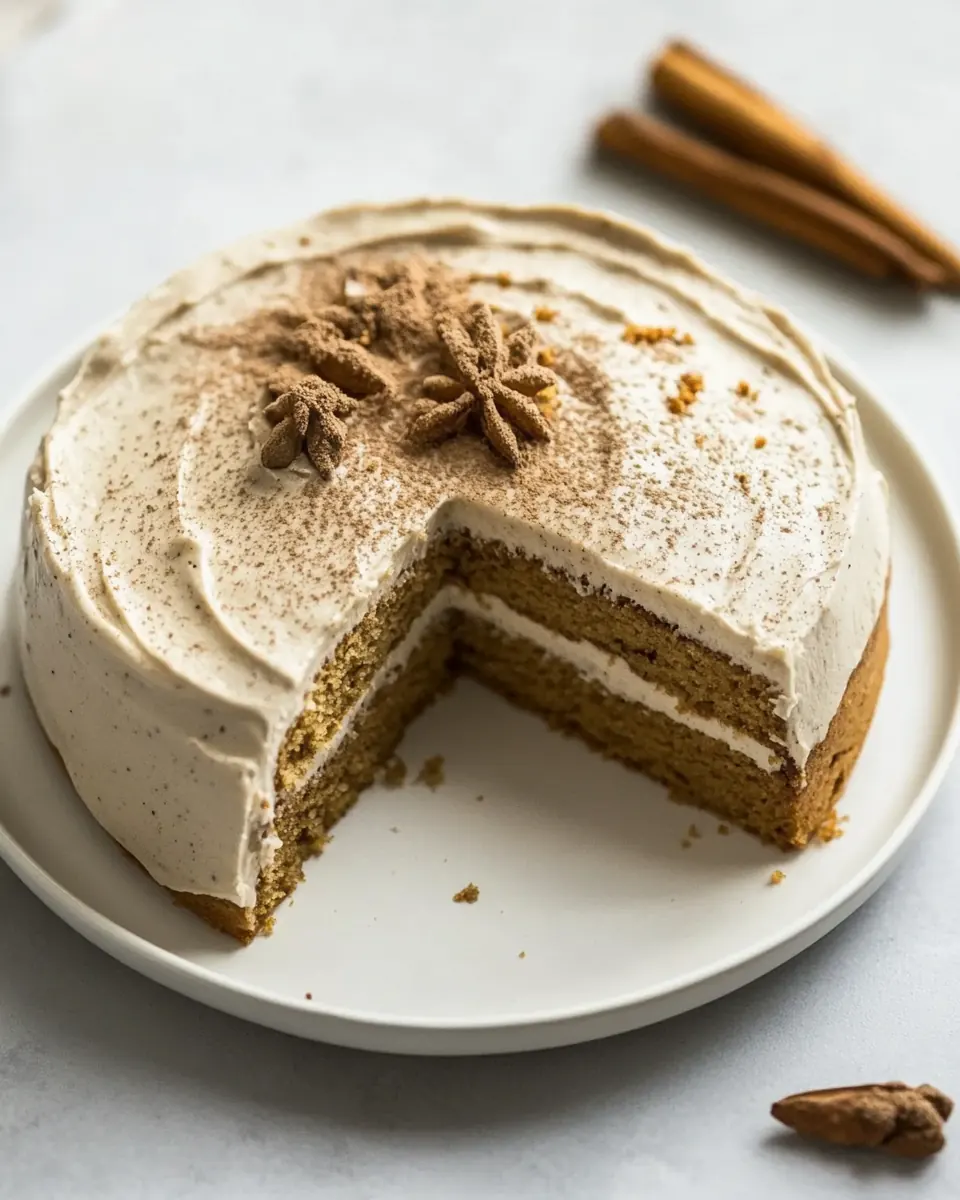
Run a paring knife around edge of the cakes to loosen from the pans. Place one layer of the cake on a serving platter. Using a spatula, spread some of the frosting evenly over the surface of cake. Add the second layer, and spread the rest of the frosting on top and on the sides. Sprinkle the cake with walnuts, if using. Cut, and serve.: The cooled browned butter will bring a warm, toasted scent while the grated ginger offers a bright, peppery note. Adding half of the egg mixture first tempers the batter so it maintains structure and emulsifies without curdling. If you add all eggs at once, you risk breaking the emulsion, producing a curdled, lumpy batter. Mix just until incorporated to preserve air; overmixing can develop gluten and make the cake tough. You should notice a silky, glossy batter as the components come together.
Repeat with the remaining egg mixture; scrape down the bowl again: This second incorporation continues the emulsification, and scraping ensures no streaks of butter or dry flour remain. The batter should feel smooth and slightly thick, not runny, which signals good balance between fat and liquid. A mistake here is not scraping the bowl, leading to uneven texture in the finished cake. After scraping, give the mixer a brief pulse to bring everything together without overworking.
Reduce to low speed; add about one third of the flour mixture, followed by half of the buttermilk, mixing just until incorporated after each addition: Alternating dry and wet additions keeps the batter tender by minimizing gluten formation, and adding the buttermilk in halves ensures the leaveners react properly for a fine crumb. Mix only until you no longer see streaks, about 5 seconds each time, to maintain lightness. Overmixing here is the most common cause of dense cake, so resist the urge to fully homogenize. The batter will look cohesive and slightly glossy when you are done.
Repeat using half of remaining flour mixture and all of remaining buttermilk: This continuation of the alternate addition technique finishes hydrating the dry ingredients while preserving tenderness. The texture will become looser as more buttermilk is incorporated, and you should stop mixing as soon as components blend. A trap to avoid is rushing and letting the mixer run too long, which tightens the crumb. The batter should flow slowly from the spatula when lifted.
Scrape bowl and add the remaining flour; mix at medium speed until the batter is thoroughly combined: The last addition of the dry mix brings the batter to final consistency, and mixing briefly at medium speed helps break up pockets of flour without overdeveloping gluten. After this step, I always fold once or twice by hand to catch any residual flour, ensuring an even texture. If you overbeat now you may notice a tougher crumb, so keep it brief. The finished batter should be thick yet pourable, with a smooth, satiny appearance.
Remove the bowl from the mixer and fold the batter once or twice with a rubber spatula to incorporate any remaining flour: Folding by hand lets you feel the batter and correct any unevenness left by the mixer, preserving the air you worked to create. Use gentle strokes from the bottom up, and avoid stirring in circles which can deflate the batter. An error here is aggressive folding, which collapses the structure and yields a dense cake. The final batter will have a homogenous color and texture, with a few small air bubbles visible.
Divide the batter between the prepared pans: Pour evenly so both layers bake at the same rate, then lightly tap each pan against the counter 3 or 4 times to dislodge large air bubbles. Smooth the surfaces with a spatula for an even top, which makes stacking simpler later. Uneven division can produce mismatched layers, which is a common presentation issue; use a scale if you want perfect symmetry. You will notice the batter settle and a few bubbles rising to the top, which is normal and will disappear during baking.
Bake until a toothpick inserted into the center of the cakes comes out clean, 25 to 30 minutes: During baking the batter will rise and the top will turn a warm golden brown, giving off a molasses and spice scent. Start checking at 25 minutes to avoid overbaking which dries the crumb; a clean toothpick indicates doneness. If your toothpick has a few moist crumbs clinging to it, that is acceptable, but wet batter means more time is needed. Cooling in the pans on a wire rack for about an hour helps the structure set and prevents collapse when unmolding.
Cool the cakes to room temperature in the pans on a wire rack, about an hour: As the cakes cool, steam escapes and the interior firms slightly, which makes them easier to release and frost. Rushing to unmold while warm can cause the layers to break, so patience pays off. If the center seems sunken after removing from the pan, let them finish cooling uncovered for a bit longer; sometimes residual heat needs to dissipate. You will notice a subtle decrease in aroma as they cool, replaced by a more settled, complex scent.
In a medium mixing bowl, use a hand mixer to beat the butter, sugar and reserved spice mixture at medium-high speed until light and fluffy, 1 to 2 minutes: The frosting base should lighten and increase in volume, creating a smooth platform for the cream cheese . Adding the reserved spice ties the frosting to the cake flavor. Beat until the sugar dissolves and the texture looks silky; if it seems grainy, continue beating briefly. A common mishap is adding cold cream cheese , which can result in lumps, so ensure it is at room temperature before combining.
Add the cream cheese one piece at a time, beating thoroughly after each addition: Gradual addition helps maintain a smooth emulsion and prevents lumps, resulting in a glossy, spreadable frosting that complements the cake with tang and creaminess. Beat thoroughly after each piece until you get a uniform texture, then add the vanilla and beat until no lumps remain. If the frosting separates or looks soupy, chill it briefly and then rebeat; this fixes oversoftening. The final frosting should be silky and hold soft peaks when lifted with a spatula.
Add the vanilla and beat until no lumps remain, about 30 seconds: The final lift of vanilla extract enhances aroma and rounds the tang of the cream cheese , producing a cohesive frosting. The 30 second finish helps eliminate small pockets and ensures even distribution. If tiny lumps persist, a quick pass with a fine mesh sieve can remove them, though usually rebeating is enough. The frosting should spread easily and cling to the spatula in a smooth sheet.
Run a paring knife around edge of the cakes to loosen from the pans: This gentle motion frees the crumb from the pan walls without tearing, and you will feel a slight give as the cake separates. If they resist, allow a few more minutes of cooling to prevent breakage. Mishandling here can rip the edges, so be gentle and use a thin blade for the cleanest release. Once loosened, invert onto a rack or plate for easy assembly.
Place one layer of the cake on a serving platter: Positioning the first layer carefully ensures stability for stacking and frosting. Center it so you have room to spread the frosting to the edges without creating an uneven slope. If the top is domed, level it slightly with a serrated knife for a flat surface; uneven layers can cause sliding when the cake is stacked. The surface should feel set and not overly warm to the touch.
Using a spatula, spread some of the frosting evenly over the surface of cake: The first layer of frosting should be a modest amount to prevent slippage, creating a balanced ratio of cake to frosting. Spread gently from the center outward in smooth strokes, paying attention to the edges so the top and sides will sit flush after the second layer is added. Overfrosting between layers can cause the top tier to slide, so apply evenly and sparingly here. The frosting should look creamy and slightly glossy.
Add the second layer, and spread the rest of the frosting on top and on the sides: Center the second layer carefully, then cover the top and sides with the remaining frosting, using steady strokes to create a smooth finish. Take time to smooth the sides for a neat presentation, or leave them rustic for a homier look. If crumbs appear while frosting, do a thin crumb coat first and chill briefly before finishing, which prevents stray crumbs in the final layer. The finished cake should feel balanced and visually inviting.
Sprinkle the cake with walnuts, if using: The toasted walnuts add crunch and a toasty aroma, creating contrast with the creamy frosting and tender crumb. Scatter them evenly or concentrate on the center for a rustic flourish, and press lightly so they adhere. Skipping the nuts will still leave a delicious cake, but the texture will be slightly softer overall. The nutty scent will mingle with the spices, enhancing the cake's final presentation.
Cut, and serve: Use a sharp knife for clean slices, wiping it between cuts to keep portions neat. Serve at room temperature so the frosting is soft and the crumb shows its full flavor, and notice how the spice and tang interplay on your palate. A common serving mistake is chilling the cake too long, which firms the frosting and dulls flavor; allow it to come back to room temperature if refrigerated. Enjoy the complex aroma and layered textures of each slice.