Go Back
Spinach Stracciatella Soup with Orzo

Spinach Stracciatella Soup with Orzo

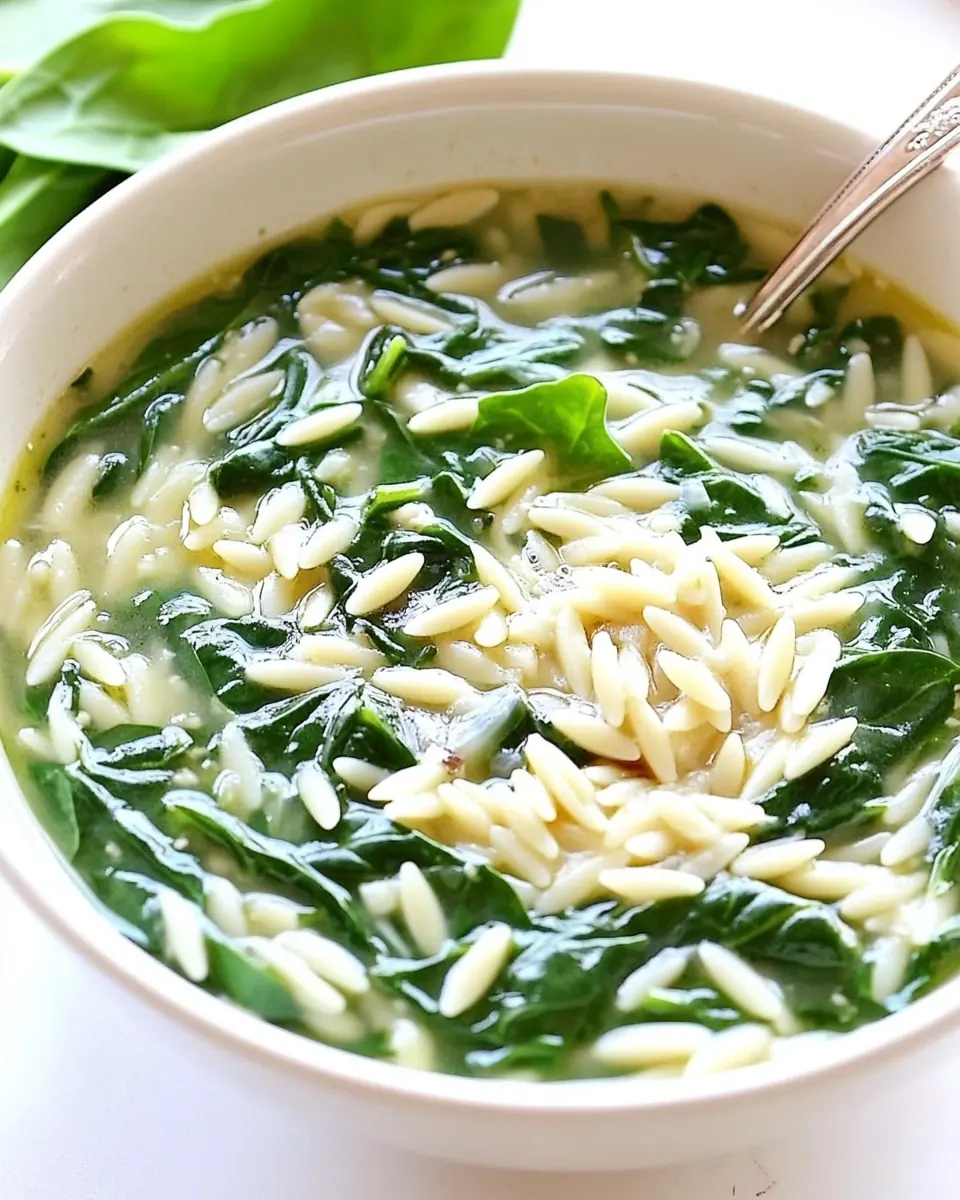
Spinach Stracciatella Soup with Orzo is a creamy, comforting bowl of silky egg ribbons, tender orzo, and bright spinach. This easy weeknight dinner comes together quickly with a savory, low sodium broth and freshly grated Parmesan, offering a nourishing, cozy meal that feels elegant enough for guests. Make it for a fast, satisfying reason to slow down and savor simple flavors.
Prep Time 10 minutes
Cook Time 20 minutes
Total Time 30 minutes
Servings: 6 servings
Course: Soups
Cuisine: Italian
Calories: 220

Ingredients
  

  • 7 cups less sodium chicken broth Simmer gently to form the soup base and provide savory depth while keeping sodium lower for a balanced flavor profile; acts as the main cooking liquid that melds all components together. Add gradually to control consistency and preserve the delicate texture of the eggs when tempered and stirred in.
  • 2 large eggs Whisk vigorously before adding to create the silky, ribbon-like stracciatella texture; contributes richness and body to the broth while setting into tender threads. Temper into warm broth slowly to avoid curdling and produce even, creamy strands throughout the soup.
  • 1/2 cup freshly grated Parmesan Grate finely to supply a nutty, umami-rich finish and slightly thicken the soup; adds saltiness and a savory complexity that complements the eggs and broth. Stir in at the end so the cheese melts smoothly and enhances mouthfeel without overpowering other flavors.
  • 1/4 cup chopped flat-leaf parsley Chop roughly to introduce a fresh, herbaceous note that brightens the soup; provides color contrast and a hint of green bitterness that balances the richness. Sprinkle toward the end of cooking or as a garnish to preserve its lively aroma and texture.
  • 6 oz baby spinach Tear or chop lightly to contribute a tender leafy element and a mild, slightly sweet spinach flavor; wilts quickly into the hot broth adding nutrients and volume. Add near the end of cooking to retain vibrant color and delicate structure without becoming mushy.
  • 4 oz uncooked orzo Cook until al dente to add a pleasing, small pasta texture that makes the soup more substantial; absorbs some broth flavor and offers a satisfying bite. Add with enough simmering time to cook through but avoid overcooking so the shapes remain distinct.
  • freshly ground black pepper Grind freshly to provide bright, sharp background heat and aromatic lift; enhances overall flavor balance without adding salt. Season to taste at the end so its fragrance remains prominent and can be adjusted for individual preference.

Equipment

  • Medium pot
  • Medium Bowl
  • Whisk
  • Ladle

Method
 

  1. Bring 6 cups chicken broth to a boil.: The smell of simmering chicken broth is the first signal that flavors are concentrating, releasing warm, savory notes into the kitchen. As the surface begins to ripple and steam rises, you will notice a gentle thumping sound when it reaches a rolling boil, which tells you it is hot enough to accept the egg mixture and later the orzo . Boiling properly ensures the pasta will cook evenly. A common mistake is boiling too vigorously which can cause excessive evaporation and a cloudy broth, so reduce the heat slightly if it is breaking too hard.
  2. In a medium bowl, combine remaining cup of cold chicken broth with eggs, cheese and parsley and whisk well.: The cold broth chills the eggs so when they hit the hot pot they form soft ribbons rather than scrambling. As you whisk the eggs , Parmesan , and chopped parsley , the mixture should look frothy and homogenous, with the herb speckled through. This step builds flavor and controls texture. If the eggs are not well whisked you may get uneven ribbons or clumps, so whisk until smooth.
  3. Whisk into the boiling pot and cook 3 to 4 minutes.: When you stream the chilled egg mixture into the boiling broth, it will instantly set into thin, delicate ribbons that float and drift, creating a soft, cloudlike texture. You will hear a gentle settling and see the strands form; this is the moment the soup turns silky. Cooking briefly ensures the eggs are fully set but remain tender. Avoid overcooking here, which will make the egg rubbery rather than delicate.
  4. Bring back to a boil and add the orzo and cook according to package directions.: Returning the pot to a boil before adding the orzo ensures the pasta cooks through evenly and absorbs flavor from the broth. As the orzo simmers, it releases starch that slightly thickens the liquid and gives the soup body. Stir occasionally to prevent sticking to the pot bottom. A typical mistake is not checking package times, which can lead to undercooked or mushy pasta, so taste for a tender but firm bite.
  5. When pasta is done, add the baby spinach and mix until it welts.: The moment you fold in the baby spinach , the bright green leaves will immediately soften and glossy veins will appear, signaling they are cooked. The wilted leaves distribute color and a fresh vegetal lift across the bowl. Stir gently to incorporate without breaking up the greens. Overcooking at this stage will result in a dull color and limp texture, so add the spinach only once the orzo is cooked.
  6. Remove from heat, add salt (if needed) and pepper to taste.: After taking the pot off the heat, the flavors settle and the residual warmth finishes the eggs and melds the Parmesan . Taste the broth and season carefully, remembering the stock and cheese already contribute salt. Adding freshly ground black pepper now keeps the aromatic bite. A common pitfall is oversalting; season incrementally and taste between additions.
  7. Ladle into bowls and top with additional grated cheese.: Serving the soup hot allows the residual heat to coax more aroma from the Parmesan and pepper. The final dusting of cheese melts into the surface, creating a glossy finish and tiny umami pockets. Pay attention to presentation, because a warm, aromatic bowl enhances the eating experience. Avoid letting the soup sit too long before serving, because the orzo will continue to absorb liquid and the texture will thicken.
Notes

  • Vegetarian broth swap Use a high quality vegetable broth in place of chicken broth to make the soup vegetarian friendly, retaining richness while changing the base savory profile. Ensure the broth is flavorful so the final bowl does not taste thin.
  • Pasta alternatives If you do not have orzo, a small pasta like acini di pepe or ditalini can be used, but adjust cooking time because smaller shapes may cook faster and overcooking will make the soup mushy.
  • Extra greens You can increase the volume of spinach for a greener finish, adding it in batches if needed so it wilts evenly rather than clumping together in one spot.
  • Make ahead and reheat Prepare the soup and keep the orzo slightly undercooked if you plan to reheat later, as the pasta will finish cooking when warmed and will avoid becoming overly soft.
  • Cheese finish Stir in a small handful of freshly grated Parmesan off heat for a silkier mouthfeel, and reserve extra for sprinkling per bowl to maintain texture contrast.