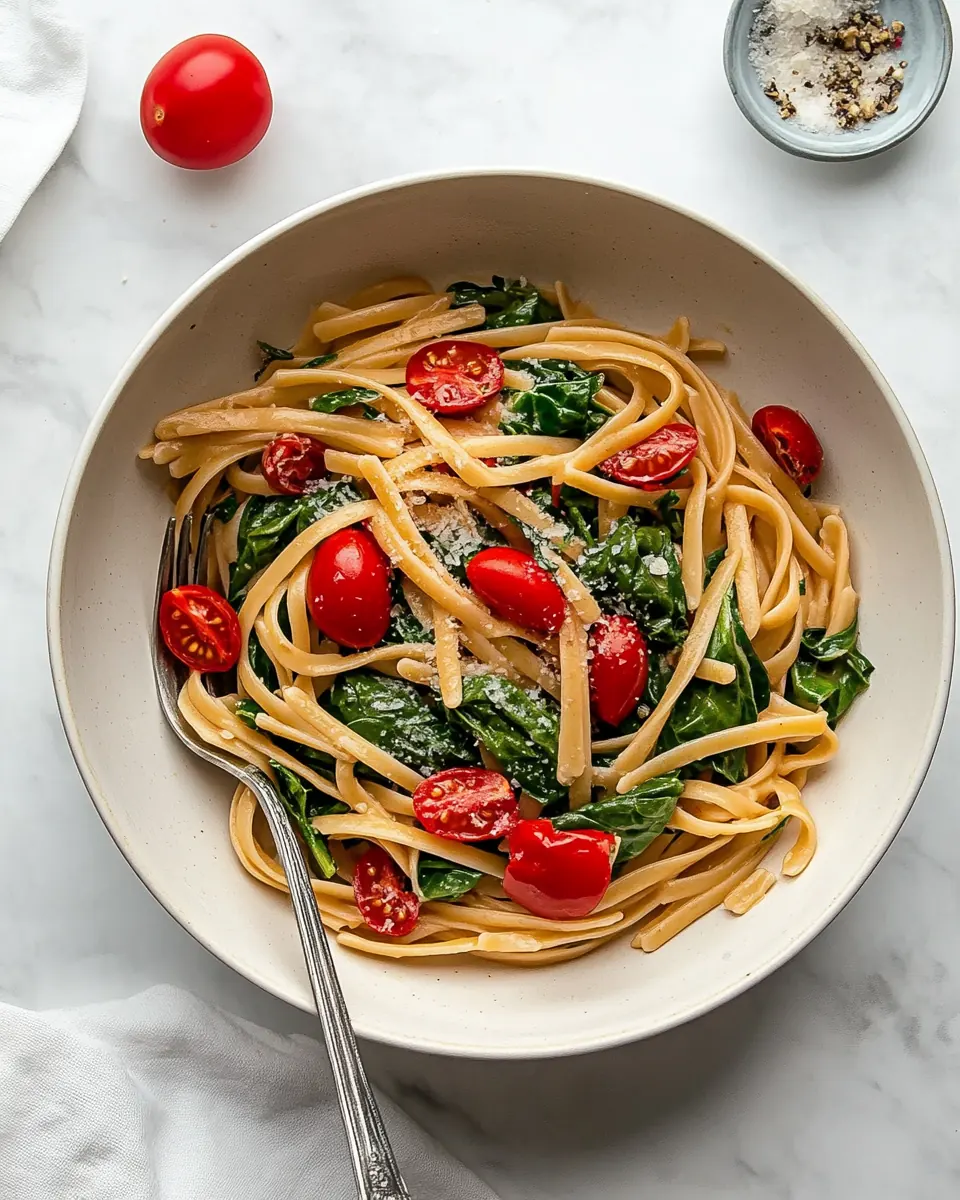
Bring a large pot of salted water to a boil. Add the penne pasta and cook until al dente, about 8-10 minutes. Drain and set aside.: As the water heats you will notice steam rising and the surface beginning to ripple, a sign it is nearing boil. Salting the water seasons the penne pasta from the inside, which enhances the final dish, so be generous but not excessive. A common error is under salting the water, which results in bland pasta even after the sauce is added. If your kitchen smells of mineral water, the boil is not yet vigorous enough; wait until rolling bubbles break the surface consistently.
While the pasta is cooking, heat olive oil in a large skillet over medium heat. Add minced garlic and sauté until fragrant, about 1 minute.: The pasta should be tender with a slight bite at the center, and you will hear it clack softly against the pot as it moves. Stir occasionally to prevent sticking, and taste a piece near the lower end of the time range to check doneness. Overcooking will yield a soft, gluey texture, so aim for that slight chew which pairs best with the juicy tomatoes. If the pasta erupts into foam, lower the heat a touch and stir more frequently.
Add halved grape tomatoes and crushed red pepper flakes, cooking until tomatoes are soft and bursting, about 6 minutes. Stir in the chopped spinach and cook until wilted, about 2 minutes.: After draining, give the penne pasta a brief shake in the colander to remove excess water, but avoid fully drying it out because a little starchy water helps the sauce cling. You should see tiny droplets on the pasta when you transfer it, which is perfect for marrying with the tomato mixture. A frequent mistake is rinsing the pasta under cold water, which removes starch and prevents the sauce from adhering properly, making the final dish less cohesive.
Season with salt and black pepper. Add the cooked pasta to the skillet, tossing to combine with the sauce. Sprinkle with grated Parmesan cheese before serving.: The oil should shimmer but not smoke, releasing a faint fruity aroma when it is ready. This step creates the flavor medium for the garlic and tomatoes, so maintaining moderate heat keeps the garlic from burning while allowing the tomatoes to soften. If the oil smokes, reduce the heat immediately, because overheated oil will impart a bitter flavor that can ruin the dish.
Add minced garlic and sauté until fragrant, about 1 minute: You will hear tiny crackles as the garlic hits the warm oil, and the aroma will quickly become heady and inviting. The goal is a light golden edge on the garlic, not brown, as browning makes it bitter. Stir constantly and keep the action brisk; if you see dark flecks forming, the garlic has moved past the fragrant stage and you should remove the pan from the heat briefly to cool it down.
Add halved grape tomatoes and crushed red pepper flakes, cooking until tomatoes are soft and bursting, about 6 minutes: As the tomatoes warm, they will begin to soften and pop, releasing a glossy juice that lightly simmers in the skillet. Listen for gentle bubbling and watch for skins splitting, that is the cue they are ready. The red pepper flakes will infuse a background warmth, but add them sparingly because they concentrate quickly. A typical slip is stirring too vigorously early, which can mash the tomatoes into a puree instead of keeping pleasant chunks and texture.
Stir in the chopped spinach and cook until wilted, about 2 minutes: The volume of spinach will shrink dramatically as it wilts, releasing a fresh vegetal scent and turning from bright to deep green. Fold it gently into the tomato mixture so it softens evenly and retains a tender bite. Overcooking here will make the leaves limp and stringy, so remove the pan from heat as soon as the last leaves have collapsed.
Season with salt and black pepper: Tasting is everything at this stage, because the seasoning will pull the whole dish together. Add salt in small increments and grind fresh black pepper to brighten the flavors. A common oversight is seasoning only the pasta water and not the sauce; always taste the combined components before assuming the seasoning is correct.
Add the cooked pasta to the skillet, tossing to combine with the sauce: When you toss the penne pasta into the skillet, you should hear a soft shuffle and see sauce coating each tube, the juices clinging to the ridges. Tossing in the warm pan helps the flavors marry, and any remaining starchy water on the pasta will emulsify into a glossy coating. Avoid simply piling the pasta on top without tossing, because that prevents even distribution of sauce and flavor.
Sprinkle with grated Parmesan cheese before serving: The final dusting of Parmesan cheese melts slightly into the hot pasta, creating a savory sheen and a hint of nuttiness on the tongue. Scatter it evenly and serve promptly so the cheese softens without turning greasy. A misstep is adding the cheese too early and then reheating aggressively, which can cause separation and an oily finish.