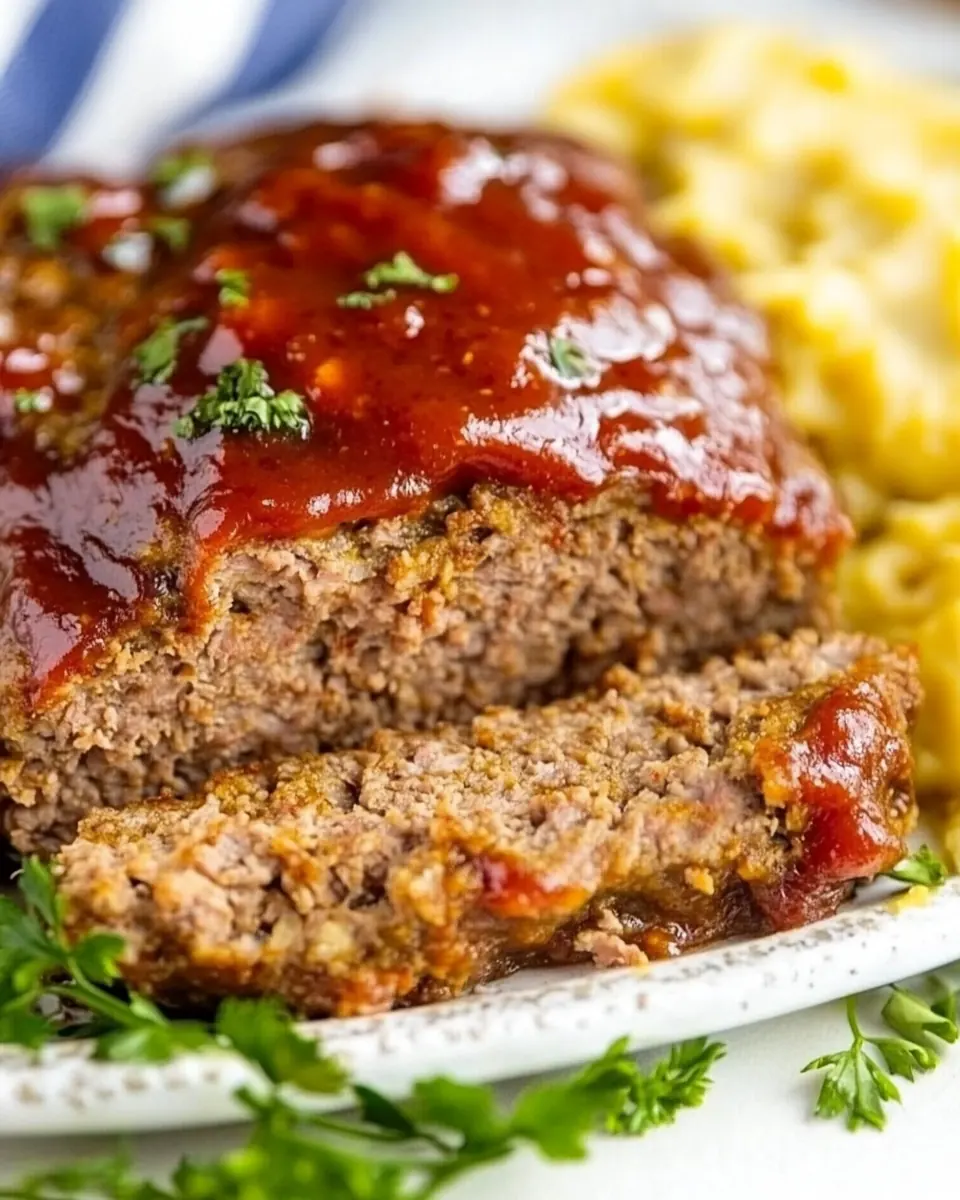
Preheat oven to 350 degrees. Line a 9×5-inch loaf pan with aluminum foil. Spray with cooking spray.: The warm, dry air of a fully preheated oven ensures even baking and proper browning, producing that golden top and cooked through center that you want. You'll notice a gentle, steady heat when you open the oven, and the loaf will develop a stable structure as it bakes. A common mistake is putting the loaf into an oven that is not fully preheated, which can lead to uneven cooking and a dense texture; always wait until the oven reaches the set temperature before sliding the pan in. Use an oven thermometer if your oven runs hot or cool, and line your loaf pan with aluminum foil so cleanup is effortless when juices bubble out.
Stir together first 5 ingredients in a bowl. Set aside. Place dry Stove Top stuffing in a large bowl. Add milk, eggs, and 1/3 cup of the ketchup mixture. Stir together and let sit a few minutes.: Lining the pan creates a smooth surface for pressing the meat mixture and makes it much easier to lift the loaf out when it's done, preserving slices. The foil reflects some heat and helps the edges cook uniformly, while spraying with cooking spray prevents sticking. If you skip the spray, the loaf can adhere to the foil and tear when you remove it, so be generous with a light coating of spray. Press the foil into the corners cleanly so there are no air pockets under the loaf, which could cause uneven baking.
Add ground beef to the bowl. Mix until evenly combined.: As you whisk the ketchup , brown sugar , yellow mustard , Worcestershire sauce , and onion powder , you'll smell a bright, caramelized sweetness that hints at the finished glaze. Mixing these flavors ahead allows them to marry and concentrate, producing a balanced topping that will cling to the loaf. A frequent oversight is under-stirring, leaving pockets of dry spice; be thorough so every bite has consistent flavor. Let the mixture rest briefly to thicken slightly and for the aromatics to bloom.
Transfer mixture to prepared pan, pressing it in evenly. Top with the ketchup mixture.: The dry crumbs are porous and will readily absorb the milk and eggs , so they form the tender backbone of the loaf. When you add liquids, they expand and create a springy matrix that keeps the meat moist. A misstep people make is adding too much liquid at once, which can make the stuffing gummy; measure and add gradually, letting the crumbs hydrate evenly. Allow the mixture to sit a few minutes after combining so the crumbs fully soften.
Place on a rimmed baking sheet in case any juices overflow. Bake for 55 to 60 minutes.: Pouring the milk , lightly beaten eggs , and a portion of the glaze into the stuffing releases fragrant steam and a slightly yeasty aroma as the crumbs hydrate. This step integrates flavors into the stuffing and prepares the binder to meld with the ground beef . Avoid overmixing here, which can lead to an overly tight texture; combine gently until the mixture is uniform. Letting it rest for a few minutes ensures the crumbs fully absorb the liquids, producing a consistent, tender interior.
Let cool for 10 to 15 minutes before removing from pan and slicing.: During this pause you will notice the mixture thicken and the aromas deepen, signaling that the stuffing has fully hydrated. This short rest is crucial, because under-hydrated stuffing can leave the loaf dry in the center. A common error is skipping this wait, which reduces cohesion; give it time to bloom so the final texture is soft and even. You'll see the crumbs plump and the mixture hold together when gently pressed.
Add ground beef to the bowl: When the ground beef meets the hydrated stuffing, the bowl fills with a meaty, savory perfume that promises comfort. Mixing until evenly combined ensures every slice carries the same balance of meat and binder. Be careful not to overwork the meat, as vigorous mixing makes the loaf dense and tough; use gentle folding motions until homogeneous. If the blend seems too wet, brief chilling will firm it, making it easier to shape without compressing it too tightly.
Mix until evenly combined: As you combine, notice the uniform texture and the way the mixture holds a light shape when pressed; that indicates proper binding. Even incorporation prevents pockets of seasoning or dry stuffing, ensuring predictable results. A typical mistake is leaving streaks of unincorporated glue like sauce or dry crumbs, so inspect the mixture for consistency. If needed, adjust by hand to feel for lumps or dry pockets, smoothing them out for even cooking.
Transfer mixture to prepared pan pressing it in evenly: Pressing the mixture into the pan helps it bake with a compact, uniform profile, which yields neat slices. You'll feel the mixture settle under your palms and hear a soft compression sound, and the loaf should reach the pan edges without air gaps. Press too hard and the loaf becomes dense; press too lightly and it may crumble when sliced. Aim for even thickness from end to end so the loaf cooks consistently, and smooth the surface to accept the glaze evenly.
Top with the ketchup mixture: Spoon the reserved glaze across the top and use the back of a spoon to spread a glossy, thin layer that will caramelize into a flavorful crust. The sweet smell of ketchup and brown sugar will lift as it warms in the oven, signaling the loaf is nearing readiness. Avoid a thick, heavy layer which can run off and burn; a moderate coating bakes into a balanced, slightly sticky finish. Save a little glaze for reheating slices if you like an extra shine.
Place on a rimmed baking sheet: Setting the loaf pan on a rimmed sheet catches any juices that escape, keeping your oven clean and allowing you to easily pull the loaf out without spilling. The gentle sizzle of trapped drips on the hot sheet is normal and indicates the meat is releasing juices as it cooks. Neglecting the sheet risks burning loaf drips onto the oven floor, creating smoke and extra work later. Use a rimmed pan sturdy enough to hold the loaf without warping under heat.
Bake for 55 to 60 minutes: As it bakes the loaf emits rich, roasted aromas and the glaze will darken and thicken, showing that the sugars are caramelizing. You should see the top set and edges pull slightly away from the foil, a visual cue that it is done. Relying solely on time can be misleading because ovens vary; use a thermometer if uncertain, aiming for an internal temperature of 160 degrees for ground beef . A common problem is overbaking, which dries the loaf, so begin checking toward the lower end of the range.
Let cool for 10 to 15 minutes: Resting allows the juices to redistribute, and you will notice a decrease in steaming when slicing, leading to cleaner cuts and a moister texture. The loaf firms slightly, making it easier to lift out and slice without crumbling. Cutting too soon causes juices to spill and a loose texture, so patience here improves presentation and mouthfeel. I like to tent the loaf lightly with foil during this rest to maintain warmth while still allowing the surface to set.