Make sure you freeze your ice cream maker container for a full 24 hours before attempting to make ice cream.: The cooled container creates an environment where the base can freeze quickly and evenly, producing a creamier texture. You'll notice a change in sound as the mixture thickens against the frozen walls, and the surface will go from glossy liquid to matte, fluffy curds. Avoid rushing this, because a partially frozen bowl will yield icy rather than smooth ice cream.
In a large saucepan, heat heavy cream, half and half, milk and sugar. Stir until dissolved, and then remove from heat and let cool. Once cooled, stir in salt and vanilla.: As the mixture warms, the aroma of sweet dairy becomes more pronounced and the sugar fully dissolves into the liquid, ensuring a smooth base. Bring it just to a gentle shimmer rather than a boil to preserve the delicate dairy flavors. A common misstep is overheating, which can scald the milk and create off flavors, so watch carefully and stir to prevent scorching.
Place strawberries in a blender or food processor (you want to pulverize them, not leave chunks). Add about 2 cups of the liquid mixture and process until smooth. Combine this mixture with the rest of the liquid mixture and refrigerate until completely chilled (several hours, or overnight). Don't even think about tasting it at this point, or you'll be tempted to pour it into a glass and suck it out with a straw.: Pureeing strawberries with some of the warm base extracts concentrated fruit flavor into the liquid, releasing bright, fragrant berry aromatics. You want a velvety puree without large chunks, unless you prefer jammy bits later. Take care not to overheat the fruit in the blender if the liquid is still warm, as that can soften the brightness of the strawberries .
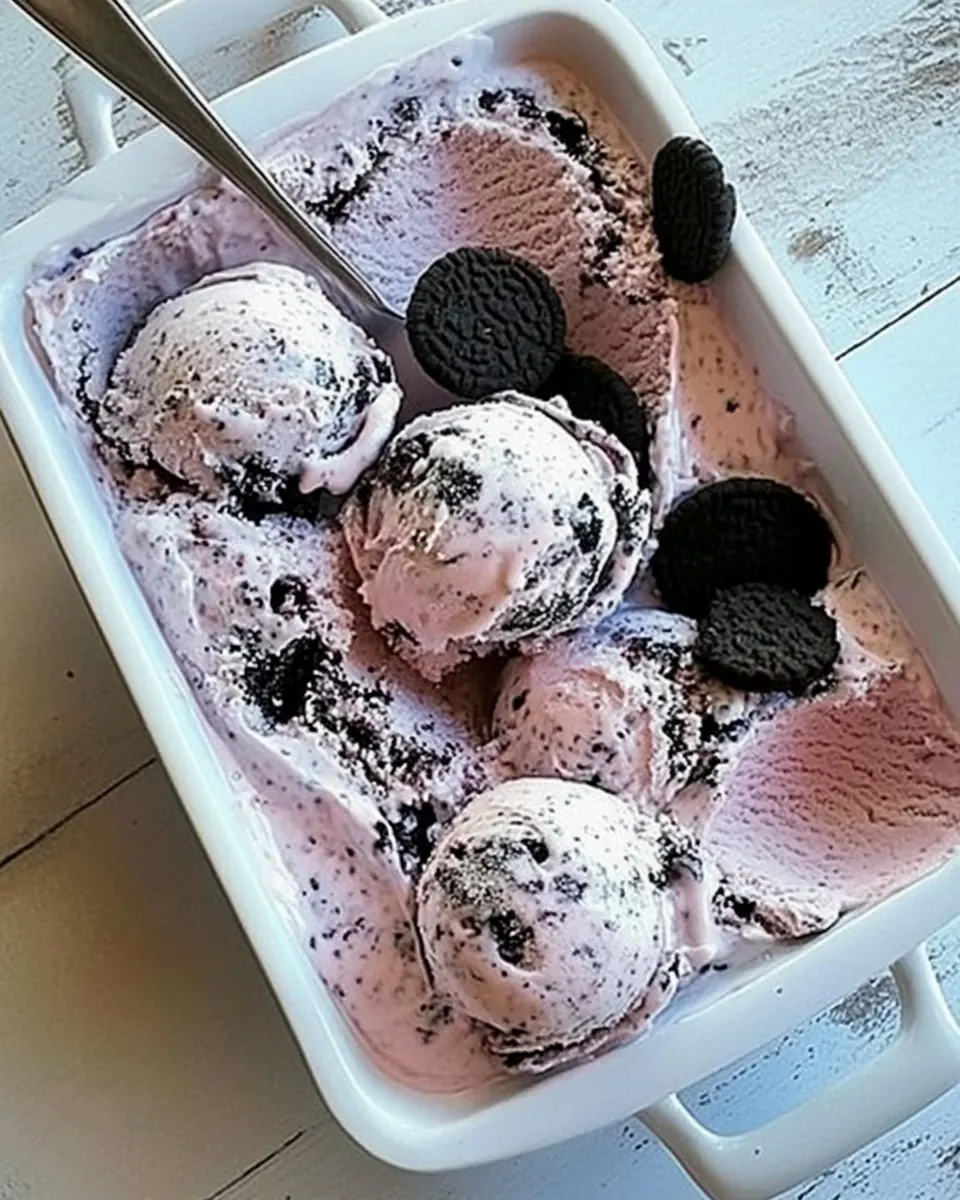
Process the ice cream base in your ice cream maker, according to instructions. You may have a tad too much base on your hands, depending on the size of your ice cream maker, so be careful pouring it in. Process for 25 to 35 minutes, until creamy and thick. Stir in the Oreos when finished. Transfer to a freezer-safe container and freeze until it becomes a more solid ice cream consistency. Scoop and serve, when ready!: Chilling lets the flavors meld and ensures the base is cold enough for efficient churning, which traps air and yields a smooth texture. The scent mellows as sugars integrate, and the color deepens slightly. Skipping adequate chilling often leads to under-churned, grainy ice cream, so plan ahead.
Process the ice cream base in your ice cream maker , according to instructions: Churning transforms the chilled base into a soft, aerated ice cream, and you'll hear a change in pitch as the motor works through thickening. Look for a texture that resembles creamy soft serve, with no visible separation of liquid. If you notice the mixture staying too loose after the typical churn time, your base may not have been cold enough, and it will need more time in the freezer to firm up.
You may have a tad too much base on your hands , depending on the size of your ice cream maker , so be careful pouring it in: Pour slowly to avoid overfilling and allow the machine to incorporate air evenly, preventing spillage and uneven freezing. If the machine is overloaded, the churn will struggle and the texture will be denser and icy rather than light. It's better to process in batches than to risk a compromised result.
Process for 25 to 35 minutes , until creamy and thick: During this window you can sense the mixture transform, as it becomes more viscous and the motor strains slightly when the mass gains body. The surface will be matte and hold soft peaks. A typical pitfall is stopping too early, yielding a slurry that hardens into icy ice cream in the freezer.
Stir in the Oreos when finished: Folding in chopped Oreos at the end preserves their crunch and ensures even distribution. You'll hear small clinks as bigger cookie pieces are incorporated, and the fragrance of cocoa will balance the fruity notes. If you add them too early, they'll soften and lose their textural contrast.
Transfer to a freezer-safe container and freeze until it becomes a more solid ice cream consistency: A shallow, airtight container helps the ice cream freeze uniformly and prevents freezer burn. Pat the surface to remove air pockets and cover with plastic wrap before sealing the lid to minimize ice crystal formation. The usual problem is storing it in a deep container, which takes much longer to firm and encourages large ice crystals.
Scoop and serve , when ready: Let the container sit at room temperature for a few minutes before scooping to reach the ideal scoopable firmness, and use a warmed scoop to create round, neat servings. The aroma of strawberries and chocolate will be more pronounced as it softens slightly. Avoid leaving scoops out too long, as melting weakens presentation and dilutes flavor.