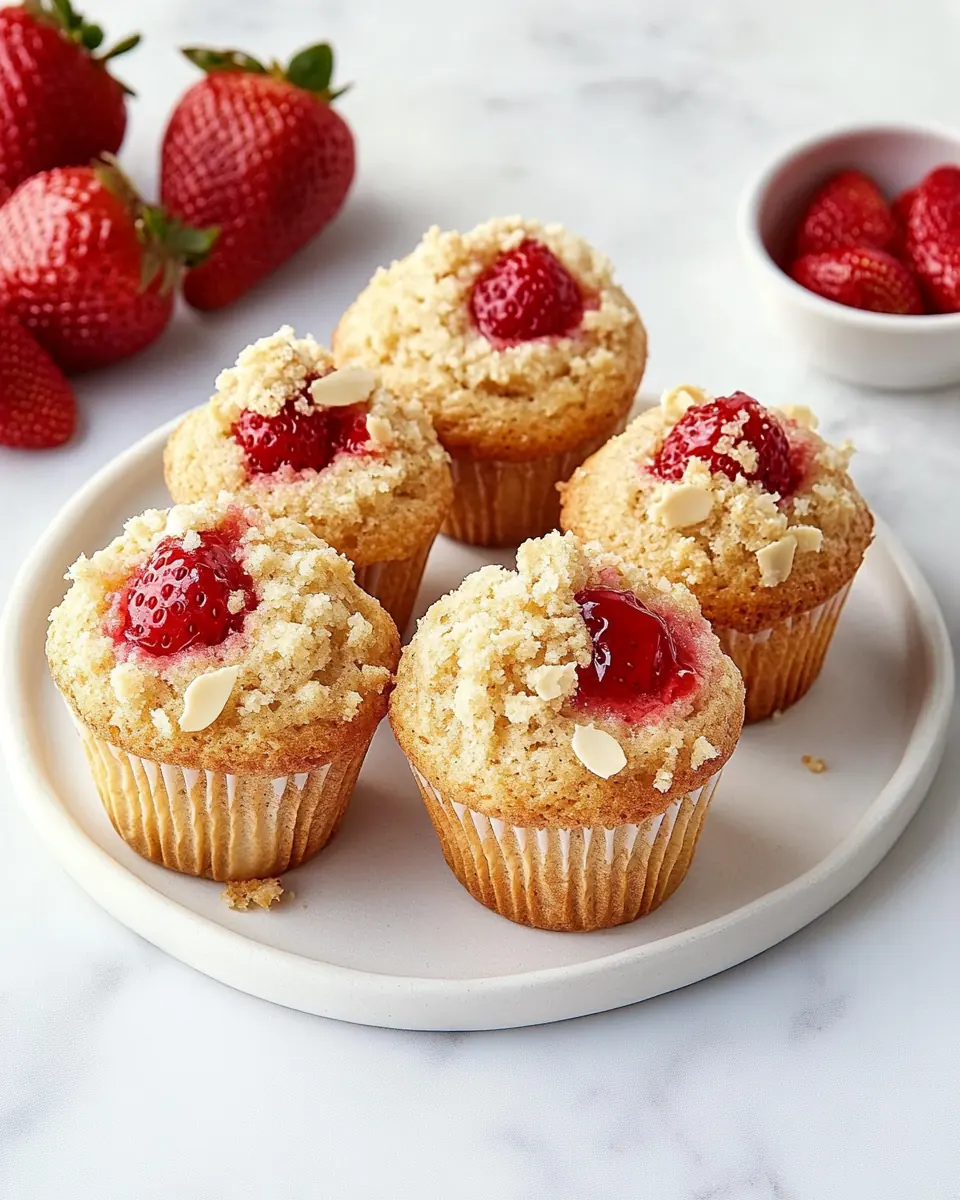
Preheat the oven to 400°F and grease a 12-cup muffin tin.: As your oven warms, you will smell a faint electricity of heat in the air, and the interior should feel steadily warm when you open it. Greasing the muffin tin ensures the muffins release cleanly with golden edges, and using paper liners can help if you prefer less cleanup. A typical mistake is skipping the greasing step, which can make the muffins stick, tearing their tops when you remove them.
In a medium bowl, combine the flours, baking powder, cinnamon, and salt.: You should notice the different textures as you stir, with the almond flour feeling slightly more granular and the whole wheat slightly coarser. Whisking these dry ingredients together evens out the baking powder so the rise will be uniform, and it distributes the cinnamon and salt so each bite is balanced. If you fail to mix thoroughly, pockets of baking powder can create uneven domes or metallic pockets in the muffins.
In a large bowl, vigorously whisk together the almond milk, olive oil, eggs, sugar, and vanilla.: The mixture will look glossy and homogenous, with tiny ribbons of oil emulsified into the liquid. Whisking vigorously incorporates air and helps the sugar start to dissolve, which supports a lighter crumb. Stop whisking when the mixture looks smooth; overworking it here is not an issue, but under-whisking leaves streaks of oil that can make uneven texture.
Dust the strawberries with the 1/2 teaspoon of flour and toss to lightly coat them. This will prevent them from sinking to the bottom of the muffin cups.: You will feel the berries go from slick to slightly powdery, which is a subtle but important change. That light coating helps the diced fruit cling to the batter instead of sinking, and it absorbs surface moisture so the muffins do not become soggy. The common error is skipping this step, leading to fruit settling at the bottom of the cups.
Pour the dry ingredients into the bowl of wet ingredients and stir to combine. Gently fold in the strawberries. Use a 1/3 cup measuring cup to scoop the batter into the muffin cups. Bake for 17 minutes, or until the muffin tops spring back to the touch. Let cool for 10 minutes, and then transfer to a wire rack to cool completely.: As you fold the dry mix into the wet, the batter will thicken and go from glossy to a more matte finish, with ribbons of thicker batter forming. Stir just until the streaks of flour disappear; overmixing activates gluten in the flours and leads to chewy muffins. A telltale sign of overmixing is a batter that tears instead of folding smoothly.
Gently fold in the strawberries: Folding should be gentle and deliberate, preserving the shape of the diced strawberry so you still see bits of red in the batter. The aroma will shift as the fruit disperses, bringing a brighter, sweeter scent. Fold until the fruit is evenly distributed; aggressive stirring will bruise the berries, turning the batter uniformly pink and adding excess moisture.
Use a 1/3 cup measuring cup to scoop the batter into the muffin cups: As you scoop, the batter should mound slightly in the cup, with a little room left because the muffins will rise. The surface should be slightly thick and not runny, which tells you the hydration is correct. Filling too full can cause the muffins to overflow, while filling too little yields flat tops.
Bake for 17 minutes, or until the muffin tops spring back to the touch: During baking you will notice the tops puff and take on a light golden color, and the kitchen will fill with a warm, toasty aroma with hints of cinnamon and strawberry . The spring back test is the best indicator of doneness; press a fingertip gently and it should regain shape. If you rely solely on time, ovens that run hot or cool can leave centers underbaked or tops overdone.
Let cool for 10 minutes, and then transfer to a wire rack to cool completely: After removing from the oven the muffins will relax and settle, and the steam trapped inside will redistribute moisture. Cooling briefly in the tin keeps them from tearing, while finishing on a wire rack prevents sogginess on the bottom. Moving them too soon often results in broken tops, while leaving them too long in the tin can create condensation that softens the crust.