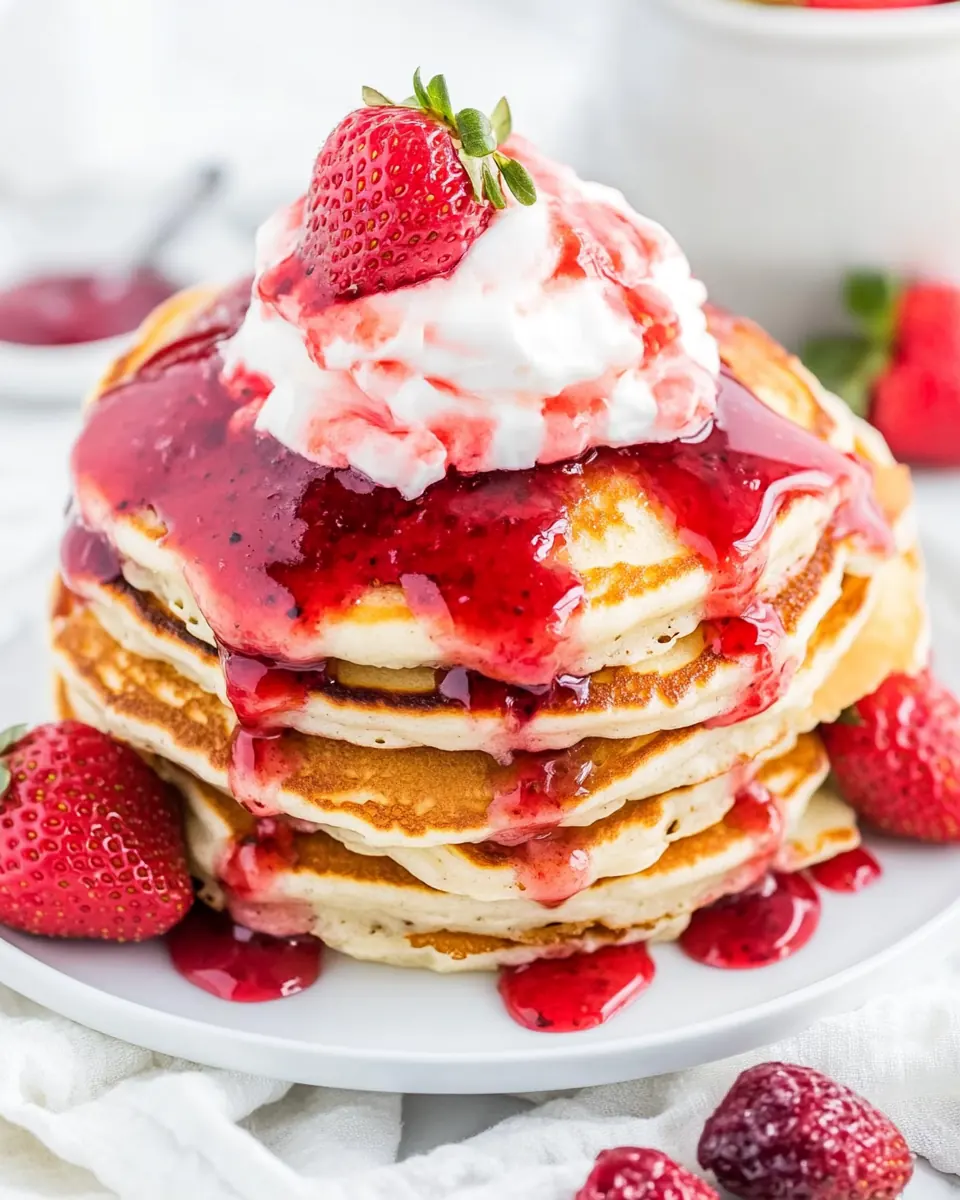
Combine dry ingredients and sift in a bowl.: You will notice a faint wheaty aroma as you sift the all purpose flour , and the mixture should look uniform and powdery, free of lumps. Sifting aerates the flour which supports a lighter texture, and it evenly distributes the baking powder , sugar , and salt . A common mistake is to skip sifting, which can leave dense pockets of leavening and cause uneven rise. If the mixture forms clumps, break them up gently with a spoon so you have a silky dry base.
In another bowl beat egg until light and fluffy. Add 1 1/4 cups milk and melted butter to the bowl. Stir until combined.: As you whip the egg , it should become a bit frothy and pale, hinting at the airy lift it will lend. When you pour in the milk and the warm but not hot melted butter , the mixture will smell creamy and slightly buttery. Whisk until homogenous, with no streaks of yolk or butter, because a smooth wet mix ensures the batter is consistent. Avoid adding very hot butter, which can cook the egg . If you see curdling, let the butter cool slightly and whisk again.
Add wet ingredients to dry ingredients and mix until moistened. Gently fold in diced strawberries.: After combining, the batter should look lumpy and soft rather than perfectly smooth, which is what you want for tender pancakes. When you fold in the diced strawberries , they should disperse without bleeding too much juice into the batter, which helps keep each pancake distinct. The batter’s scent will shift to a fresh, fruity note. One pitfall is overmixing, which develops gluten and yields tough pancakes, so stop as soon as the dry streaks are mostly gone and the strawberries are gently incorporated.
Heat griddle or skillet over medium-low heat. Melt about 1/2 tablespoons butter in a large non-stick skillet. Ladle the batter (about 1/4 cup batter) into the skillet making 3-4 pancakes. Cook pancakes until bubbles form on top. Flip and brown the other side.: The pan should give a soft sizzle when a drop of water dances across it, and the melted butter will smell nutty. As the batter sets, look for steadily forming bubbles that start to pop and leave small craters, and the edges should look set but still moist. Flip when the undersides are a warm golden brown, and you will hear a gentle sizzle. The second side cooks faster, so watch closely to avoid overbrowning. A frequent error is using too high heat, which browns the exterior before the center cooks through, so keep the heat moderate for an even finish.
Wipe out any excess butter with paper towels. Repeat with remaining batter.: When you clear excess butter , the pan will remain slick but not greasy, helping the next pancakes develop a consistent crust. The repetition creates a rhythm, and the aroma will build as more pancakes hit the skillet. Keep the cooked pancakes warm in a low oven if you want to serve them together, but avoid stacking while they are hot, which traps steam and softens the crust. A common oversight is letting the pan get too cool between batches, which causes uneven browning, so adjust heat as needed and maintain a gentle, steady temperature.