Beat together the cream cheese and marshmallow cream with a hand mixer until smooth. Divide the mixture into four equal parts by smoothing the filling in the bowl and making a plus sign with a knife.: The moment you begin beating you will notice the filling transform from dense to airy, releasing a sweet, creamy scent that hints at the final texture. Use a medium low speed and scrape the bowl occasionally so no pockets of cream cheese remain, ensuring the mixture is silky without being overly whipped. This even texture is why the filling spreads cleanly across the flour tortillas , preventing lumps that cause uneven rolls. If you rush and use too high a speed you risk adding too much air, creating bubbles that can cause the filling to squirt out when slicing. A common mistake is starting with cold cream cheese , which resists smoothing and yields a grainy final filling.
Spread one-fourth of the filling onto a flour tortilla. Sprinkle 1/3 cup of diced strawberries evenly over the filling. Gently roll the tortilla into a tight burrito shape. Repeat with the remaining tortillas and filling.: After the filling is smooth, you will feel its pliability under the knife as you mark quarters, which helps portion evenly without measuring cups. The tactile step of smoothing and scoring ensures each tortilla gets the same amount of filling, promoting consistent thickness in the pinwheels. This method prevents overfilling one wrap and starving another, which would lead to uneven rolling and slices. Avoid slicing too shallowly, as that can give you unequal portions; press just deep enough to see clear quadrants.
Mix together the granulated sugar and cinnamon sugar in a small bowl. Spread plastic wrap on a flat surface and place a roll-up onto the wrap. Using a pastry brush, coat the roll-up with melted butter and generously sprinkle with the cinnamon sugar mixture. Flip the roll-up and repeat on the other side, ensuring you get the sides well-coated. Wrap the plastic wrap tightly around the roll-up and refrigerate for at least 1 hour or overnight for best results.: When you spread the filling, aim for an even layer that reaches close to the edges but not all the way, leaving a small border to prevent spillage during rolling. The filling should feel cool and velvety under the back of a spoon, and smooth strokes will create a uniform canvas for the fruit. Even spreading matters because thick pockets can squeeze out when rolling, and thin spots will create gaps in your swirl. A typical mishap is pressing too hard while spreading, which can tear the tortilla, so use gentle, broad strokes.
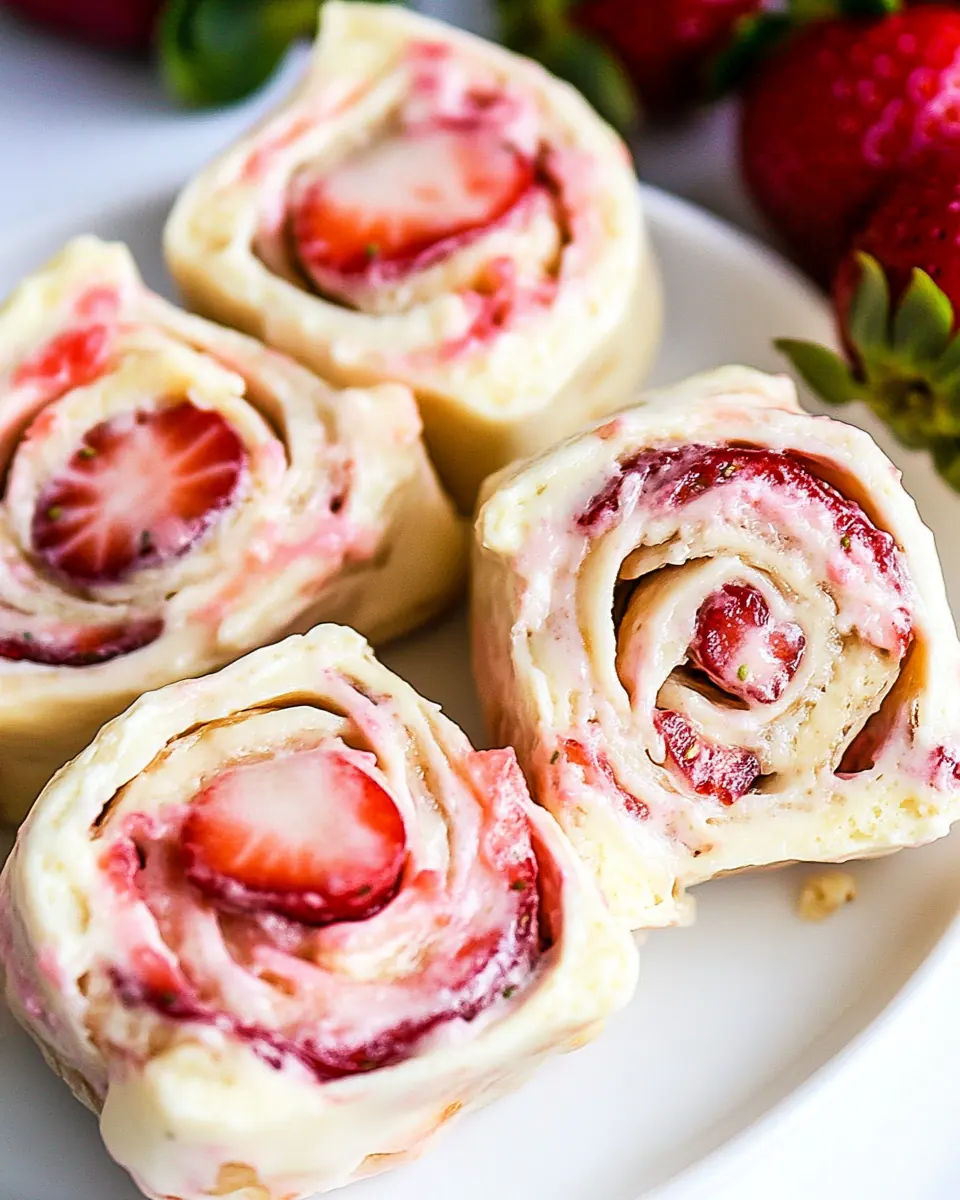
When ready to serve, slice each roll-up into 1-inch sections, discarding the ends. Serve immediately or keep refrigerated until ready to serve.: Scatter the diced strawberry pieces in a single layer so every bite has fruit, and press them in gently so they adhere to the filling without sinking. You will notice the bright red flecks contrasting with the pale filling, which signals a balanced distribution. If pieces are too large or piled, they can puncture the tortilla or cause uneven rolling; dice small and space them out. A troubleshooting tip is to pat very juicy berries on a paper towel first to avoid excess moisture, which can make slicing messy.
Gently roll the tortilla into a tight burrito shape: Rolling should be slow and deliberate, keeping tension on the wrap so the filling and fruit form a snug spiral. You should hear a soft sliding sound as the tortilla moves, and the visual seam should stay tucked underneath to maintain shape. Tight rolling creates clean, defined spirals and helps the rolls hold together when sliced; if the roll is loose, slices will splay open. The most common error is rolling too loosely, so practice a steady hand and keep the roll taut but not stretched.
Repeat with the remaining tortillas and filling: As you assemble subsequent rolls, you will find a rhythm and slight improvements in speed and neatness. Keep an eye on consistency so each roll uses the same amount of filling and strawberries, which yields uniform slices for plating. If you notice one roll is thicker or thinner, you can redistribute small amounts of filling to balance them before chilling. Avoid rushing through repeats, as fatigue can lead to uneven rolls and messy presentation.
Mix together the granulated sugar and cinnamon sugar in a small bowl: The aroma of the cinnamon sugar blend will be warm and inviting, and combining them before use ensures even flavor on every roll. Stir until the color is uniform and free of clumps so the coating looks consistent after sprinkling. This step matters because a balanced sugar blend elevates the exterior without overpowering the fruity interior. A frequent slip is leaving lumps in the spice mix, which create uneven flavor pockets on the finished pinwheels.
Spread plastic wrap on a flat surface and place a roll up onto the wrap: Laying a roll on plastic wrap stabilizes it for the butter and sugar coating, and the wrap will also make chilling and storing simple. The smooth surface allows you to turn the roll while brushing, ensuring full coverage. Proper placement avoids mess and helps preserve the roll shape during refrigeration. If you put the roll directly on a plate, you risk flattening one side or losing coated sugar into the plate.
Using a pastry brush, coat the roll up with melted butter and generously sprinkle with the cinnamon sugar mixture: The melted butter should be warm enough to flow easily but not hot, and as you brush you will sense the surface darken slightly and accept the sugar. Turning and repeating on the other side creates a golden sheen and a slightly crunchy, sweet exterior that contrasts the soft interior. This finishing touch is why the rolls look bakery fresh and adds a subtle toasted note. Overbasting with butter can make the tortilla limp, while underbasting leads to patchy sugar adherence, so aim for a light, even coat.
Flip the roll up and repeat on the other side, ensuring you get the sides well coated: Coating the entire surface prevents dry spots and ensures each slice has that pleasant sugary edge. Pay attention to the ends, where stray fruit might peek out, and brush those edges lightly to seal them. Uniform coating improves appearance and mouthfeel when served, and it also helps the plastic wrap seal without sticking too much. A misstep here is neglecting the sides, which will make some slices look incomplete when plated.
Wrap the plastic wrap tightly around the roll up and refrigerate for at least 1 hour or overnight for best results: Chilling is transformative, firming the filling and allowing the roll to set so slices hold their shape. You will notice the filling become slightly denser and easier to cut, and the tortillas will relax into a compact cylinder. Patience here pays off with tidy pinwheels that slice without squashing. Cutting too soon is the most common mistake, resulting in ragged edges and filling squeeze out, so plan ahead when possible.
When ready to serve, slice each roll up into 1 inch sections, discarding the ends: Use a sharp knife and a gentle sawing motion so the rolls do not compress, and the exposed spirals will reveal neat rings of filling and fruit. Each slice should display a clear spiral with vibrant strawberry flecks and a thin sugared exterior. If slices compress, chill them a bit longer and try again. A tip is to wipe your knife between cuts for the cleanest presentation.
Serve immediately or keep refrigerated until ready to serve: The pinwheels keep well chilled and travel nicely if packed snugly. When you plate them, the cool filling and fresh fruit make for a refreshing bite, and they maintain texture for several hours refrigerated. Avoid leaving them at room temperature too long, as the filling softens and the tortillas can become limp. The usual error is leaving a platter out in warm conditions, which shortens how long they stay tidy.