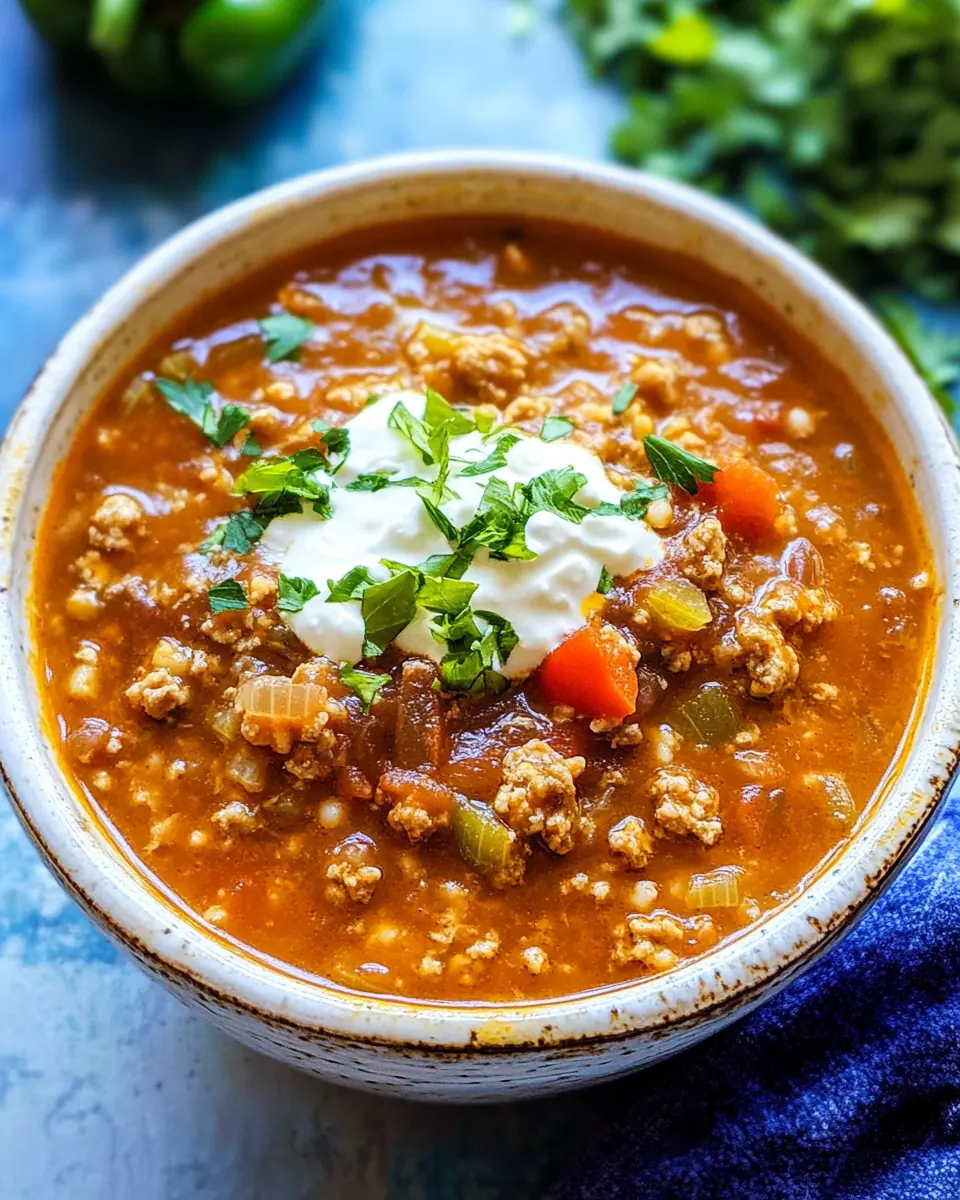
In a large pot or Dutch oven, heat the olive oil over medium heat. Brown ground beef and onion until the beef is no longer pink. Add the garlic for the last minute of cooking.: The moment the oil warms you should hear a gentle shimmer, and when you add the ground beef it will begin to sizzle, releasing meaty aromas that tell you the browning is underway. Visually you want to see little browned bits forming on the bottom of the pot, that is where much of the flavor concentrates. As the onion softens it will become translucent and slightly sweet, complementing the savory beef . Add the minced garlic in the final minute so it turns fragrant but not bitter, giving off a warm, toasty scent. If the pan steams instead of sizzles, your heat is too low or the pot is overcrowded, which prevents proper caramelization; correct this by turning up the heat slightly or browning in batches. Stir occasionally to break up lumps, but let the meat sit long enough between stirs to develop color. The why here is simple, browning creates Maillard reactions that deepen the overall soup flavor, and missing this step yields a flatter, less complex broth.
In a large pot or Dutch oven, heat the olive oil over medium heat. Brown ground beef and onion until the beef is no longer pink. Add the garlic for the last minute of cooking.: When you pour in the beef broth , tomato sauce , and diced tomatoes the pot will steam as the liquid comes up, and the aromas will shift from purely meaty to a tomato forward fragrance that feels bright and warming. Bring the mixture to a lively boil so all components marry, then immediately lower to a gentle simmer; this slow bubbling helps meld flavors without breaking down the vegetables too quickly. The bell pepper should soften enough to be tender but still hold shape, offering a subtle snap and freshness. Simmering uncovered allows some evaporation so the soup concentrates, but if you cover it you risk a diluted texture and less intense flavor. Taste toward the end and season with salt and pepper, because the broth and tomatoes can vary in saltiness; add seasoning incrementally to avoid over salting. A common error is simmering too vigorously which can over reduce liquid and make the peppers fall apart, so keep the heat low and steady for best results.
Add the beef broth, tomato sauce, diced tomatoes, and green bell peppers. Bring to a boil and reduce heat to a simmer uncovered for about 30 minutes or until peppers are tender. Add salt and pepper to taste.: As the pot simmers you will likely hear a low, steady gentle sound from the bubbling liquid, and this is the cue to move to the rice . Cooking it on the side preserves its structure, so follow the package instructions for liquid ratio and timing; when cooked properly the rice will be separate, plump grains with a soft center. The reason we cook it separately is that once rice absorbs broth it will continue to swell and can turn the soup gluey if added too early. Avoid rinsing starchy rice varieties excessively unless your goal is a looser texture, because rinsing can remove surface starch that helps the grains bind slightly. A frequent mistake is estimating rice doneness by time alone, rather than texture, so taste a grain to confirm it is tender through the center but still distinct.
Add the beef broth, tomato sauce, diced tomatoes, and green bell peppers. Bring to a boil and reduce heat to a simmer uncovered for about 30 minutes or until peppers are tender. Add salt and pepper to taste.: Right before you ladle, fold the warm rice into the pot; you will notice a fresh contrast between the broth and the tender grains. The texture will be pillowy and the broth will cling to each grain, creating a satisfying mouthfeel. If you prefer a heartier bowl, add extra rice gradually, tasting as you go, because rice will continue to soak up liquid as it stands. Serving immediately preserves the rice texture; standing longer results in absorption and a thicker consistency. A common pitfall is reheating the soup with rice already included without adding extra liquid, which causes the rice to swell and make the soup overly dense. Pairing the bowl with crusty bread provides a textural counterpoint and a vessel for sopping up remaining broth, enhancing the meal without additional steps.