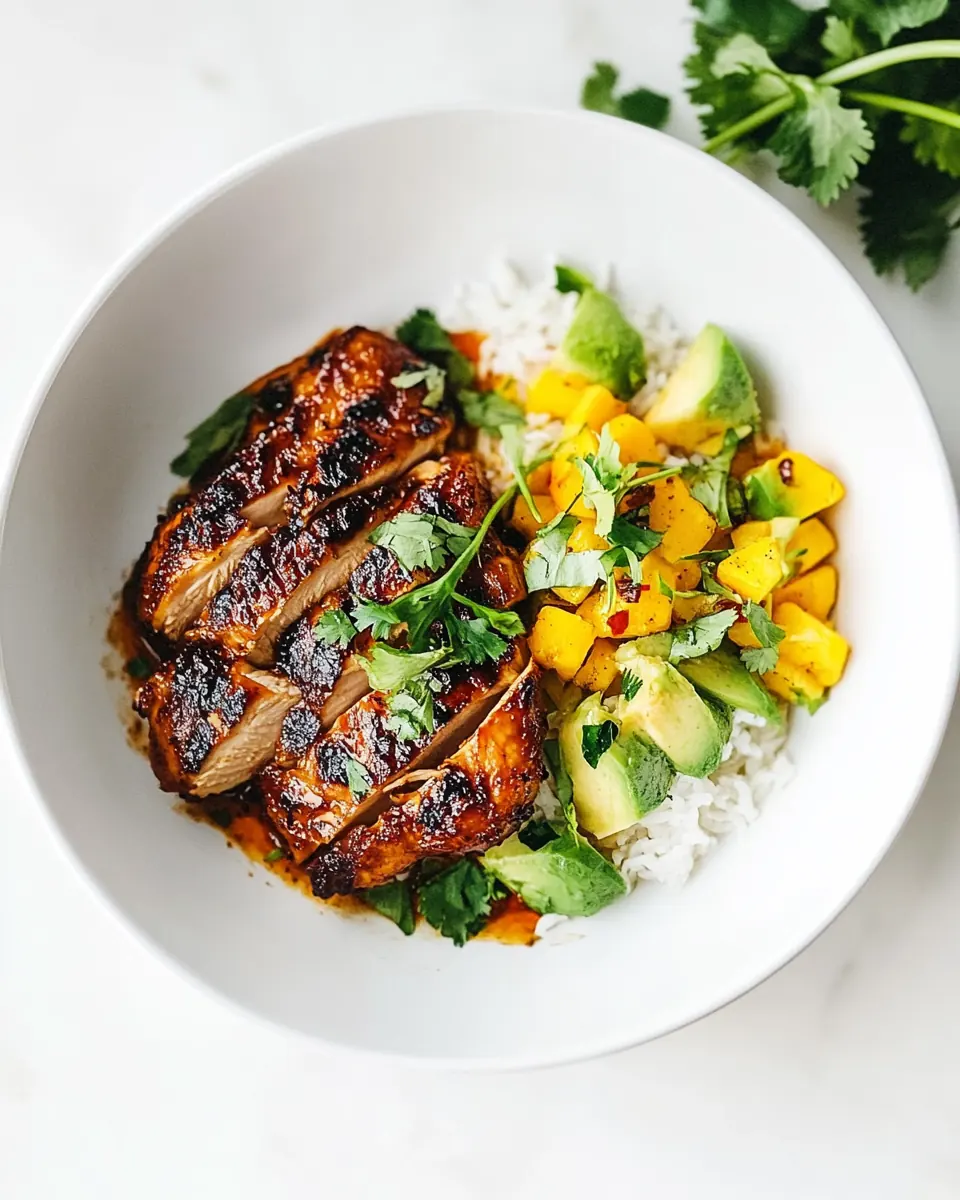
Follow the directions linked in the ingredient list to make the Taco Chicken.: The scent of well seasoned chicken as it cooks is a reliable harbinger of a successful meal, offering a smoky, savory base that the salsa will brighten. Listen for a steady sizzle and watch for juices to run clear at the thickest part, which tells you the chicken is done without overcooking. This linked recipe likely imparts a taco inspired rub or marinade, which is why I recommend making it as instructed to ensure robust flavor. A common mistake is rushing the cook over too high heat which scorches the exterior before the inside cooks; aim for steady heat and allow the chicken to rest five to ten minutes after cooking so the juices redistribute.
Cook the corn: Choose one of the following methods: Grilled Corn on the Cob: Brush husked corn with oil, lightly season, and grill at 400°F. Turn every 3 minutes until lightly charred, about 12 minutes. Let cool, then cut off the cob. Stovetop Corn (Frozen or Canned): Melt 2 tablespoons butter in a hot pan. Add corn and cook for about 10 minutes, stirring occasionally until browned. Season with salt and pepper. Let cool.: Choose one of the following methods: Grilled Corn on the Cob: Brush husked corn with oil, lightly season, and grill at 400°F : When grilling whole ears, you will notice the kernels beginning to char and pop, releasing a toasty, sweet aroma that signals they are ready. Turning every few minutes ensures even caramelization and prevents blackening. After cutting the kernels off the cob, the texture should be slightly firm with flecks of char. Avoid overcooking which makes kernels mealy, and do not skip oiling the cobs or they may dry out and stick to the grate.
In a large bowl, gently toss together the cooled corn, lime juice, avocado, red onion, red pepper, cilantro, garlic, cumin, and red pepper flakes (if using). Season with salt and pepper to taste (I add 1/4 tsp each). Gently toss again.: Melt 2 tablespoons butter in a hot pan : In a hot skillet the corn should start to sizzle and give off a nutty, toasted fragrance as it browns, creating little pockets of caramelized sweetness. Stir occasionally to develop even coloring, and season with salt and pepper . If you are using frozen corn, ensure it is thawed and patted dry to encourage browning rather than steaming. A typical error is adding cold or wet corn to the pan which produces steam and prevents that desirable golden color.
Spoon the avocado salsa over the grilled chicken. Serve with rice, if desired.: You will hear the corn pop and see edges take on golden brown hues, which adds depth and complexity to the sweet kernels. The sound and smell shift from bland to richly toasted, and that contrast is vital for the salsa texture. Pay attention to heat levels; if kernels brown too quickly, lower the flame to avoid burning. Stirring too often can inhibit browning, so let them sit briefly between stirs to develop color.
Season with salt and pepper: The right amount of salt amplifies natural sweetness and ties the components together, while pepper adds a gentle bite. Taste as you season, because corn sweetness varies by batch. A common oversight is oversalting; season conservatively and adjust after combining with other ingredients.
Let cool: Allowing the corn to cool slightly preserves the creamy texture of the avocado when mixed, and prevents the heat from wilting the chopped herbs. Cooling also gives flavors a chance to settle and prevents the salsa from becoming watery. Do not leave perishable components at room temperature for too long; cool to warm and combine promptly.
In a large bowl, gently toss together the cooled corn, lime juice, avocado, red onion, red pepper, cilantro, garlic, cumin, and red pepper flakes if using: The first aromatic hit should be bright and lively from the lime juice and cilantro , followed by creamy avocado textures and sweet kernels. Tossing gently keeps the diced avocado intact so you get distinct creamy pockets rather than a mushy mix. Use a wide bowl and fold ingredients with a spatula to protect the avocado. A mistake here is over mixing which bruises the avocado and releases too much liquid.
Season with salt and pepper to taste I add 1/4 tsp each: After combining, the flavors will have shifted, so a final seasoning pass ensures balance between acidity, fat, and salt. I typically start with 1/4 teaspoon of each and adjust, tasting with a small spoon to gauge the overall harmony. If you oversalt, a squeeze more lime juice or a handful of fresh cilantro can help rebalance the salsa.
Gently toss again: A second gentle toss ensures the seasoning is evenly distributed while preserving the textures you worked to build. You should see glossy, evenly coated pieces with no large pools of liquid. If the salsa seems watery, drain briefly or blot excess moisture, because dilution dulls the flavors and affects how well it sits on the chicken .
Spoon the avocado salsa over the grilled chicken: The sensory contrast is immediate here, with warm, savory chicken meeting cool, bright salsa; the lime lift and cilantro aroma should be prominent. Spoon generously so each bite gets a mix of textures and flavors. If the chicken is too hot it can melt the avocado , so let it rest briefly; conversely, overly cold chicken will make the dish feel disjointed. Avoid stacking too much salsa on a single piece which can make the plate messy to eat.
Serve with rice if desired: Serving on warm rice adds comfort and stretches the meal for more people, soaking up any juices and salsa dressing. The rice should be light and fluffy, creating a neutral canvas that showcases the seasoned components. Overly wet rice will dilute the salsa, so keep it properly cooked and drained.