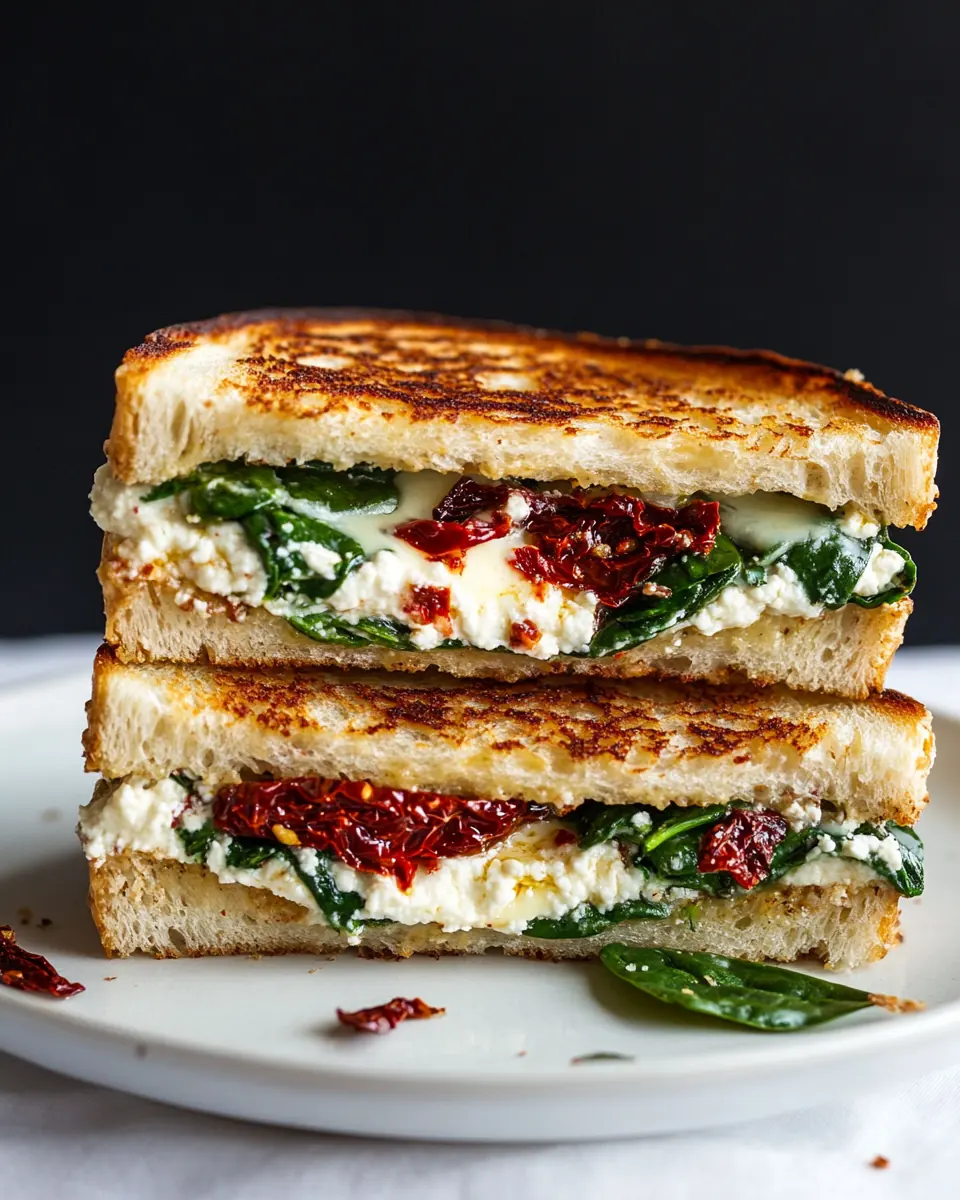
In a bowl stir together provolone, ricotta, parmesan and garlic. Season with salt and pepper to taste, set aside.: Steam and warm aromas hit first as you combine these cheeses, releasing milky, savory notes and the sharp perfume of minced garlic . The texture should be creamy and slightly grainy from the parmesan , which helps the mixture hold together. I often press a spoon along the bowl to feel if the mixture is cohesive enough to stay in place between bread slices. If it seems runny, drain the ricotta briefly on a fine sieve to tighten it up. A common mistake here is overseasoning; taste before adding salt because the cheeses bring saltiness naturally.
In a medium pot bring 1/2-inch water to a boil then place a steamer basket in pot.: You will hear the water come to a steady simmer, a soft bubbling that signals the right heat. The steam setup cooks the spinach quickly without drowning it in water, preserving texture and color. Use only a shallow amount of water so the leaves steam rather than boil, which keeps their flavor bright. Avoid letting the pot go dry, which can scorch and create off smells.
Add in spinach, cover with lid and let steam until just wilted, about 1 - 2 minutes.: As the lid traps steam, the spinach will collapse and turn a vivid green, releasing a fresh, earthy scent. Quick steaming keeps the leaves tender and prevents them from becoming slimy. Remove the pot from heat as soon as most of the leaves are wilted, because oversteaming causes loss of color and a mushy mouthfeel. The mistake to avoid is leaving the spinach in steam beyond the visual cue of bright green shrinkage.
Transfer spinach to paper towels and fold paper towels over spinach to remove excess moisture.: Press the warm spinach between towels until it releases almost all water, you will feel the towels dampen quickly. This step is critical to stop steam from making the sandwich soggy and to help the filling bind. I like to squeeze gently with gloved hands to get a good press. If you skip this, the bread will not crisp properly and the filling may separate when cooking.
Butter both sides of bread slices with 1 tsp butter.: The butter melts and starts to soak slightly into the surface, readying the bread to brown evenly. Spread softly softened butter from edge to edge so every bite gets that golden crunch. The sound you want later is a gentle sizzle, not a loud spatter, which indicates the heat is moderate. Too much butter can leave the pan greasy, so measure and distribute it evenly.
On two slices of bread evenly layer spinach and basil.: Place an even bed of drained spinach and scatter chopped basil so each mouthful gets herb and green. The steam-warmed leaves release an herbaceous lift from the basil, marrying the flavors. Press lightly so the layer sits flat, which helps the sandwich cook evenly. A poor distribution here leads to pockets of filling that slide out when you bite.
Then layer over ricotta mixture and sprinkle and lightly press sun dried tomatoes into ricotta mixture.: The cheeses will begin to meld with the warmth of the spinach, releasing cream and a faintly toasty note from the parmesan . Sprinkle the minced sun dried tomatoes and press them so they cling to the cheese surface, ensuring even flavor distribution. You should see tiny red flecks throughout the mixture, and the aroma will become tangy and savory. Avoid piling too many tomatoes in one spot, which creates oily pockets.
Top with remaining slices of bread.: Set the top slices down and press gently to create contact for even heat conduction, listening for a soft settling sound. This closes the sandwich and prepares it for its crisping moment. If the sandwich seems unstable, press a little more to compact it. Ensure the buttered sides face out so the exterior crisps properly during cooking.
Heat a large non-stick skillet over medium-low heat.: Warm the pan until it feels evenly heated but not smoking, you will notice a faint shimmer across the surface. A moderate temperature allows the interior to heat and the cheeses to melt before the bread overbrowns. Using medium low avoids burning the bread while waiting for the cheese to reach that perfect ooze. The biggest error is turning the heat too high, which browns fast but leaves the center cold.
Add sandwiches, cover and cook until golden brown on bottom, about 4 - 6 minutes.: As the sandwich rests on the skillet you will hear a steady, gentle sizzle and see the edges begin to turn a rich golden tone. Covering creates a warm microenvironment so the cheeses melt without excessive direct heat. Peek occasionally to gauge color, sliding a spatula under to check. If you notice rapid darkening at the edges, lower the heat; the goal is even golden browning, not deep charring.
Flip and continue to cook until golden brown on bottom and cheese has melted through, about 2 minutes longer (reduce burner temp slightly as needed to prevent bread from browning too much).: After flipping you will hear another satisfying sizzle, and the exposed side should crisp up quickly. The filling, now warmed through, will be visibly melted, strings of provolone stretching slightly as you shift the sandwich. Keep the temperature modest so the interior reaches a molten texture without the crust burning. Avoid flipping too soon, which can tear the sandwich and spill filling.
Serve immediately.: The first sensory reward is the sound of a gentle crunch as you cut into the sandwich, followed by the steam carrying savory cheese and tomato aromas. Serve while hot so the cheeses remain gooey and the bread stays crisp. If you let it rest too long the filling firms and the contrast between crisp and creamy is lost.
If using sun dried tomatoes in oil dab off all excess oil with paper towels.: Blotting away extra oil prevents greasy spots in the filling and keeps the bread from getting soggy. When you press them into the cheese mixture you want concentrated tomato flavor, not pools of oil. A common oversight is skipping this blotting, which can affect both texture and the skillet's surface.
Recipe source: Cooking Classy: Acknowledge the inspiration and know that this method is adapted from a tested recipe, which gives confidence in timing and flavor balance. I respect sources because they provide the foundation for reliable home cooking. Avoid assuming every step is optional; use the structure as a trusted guide.