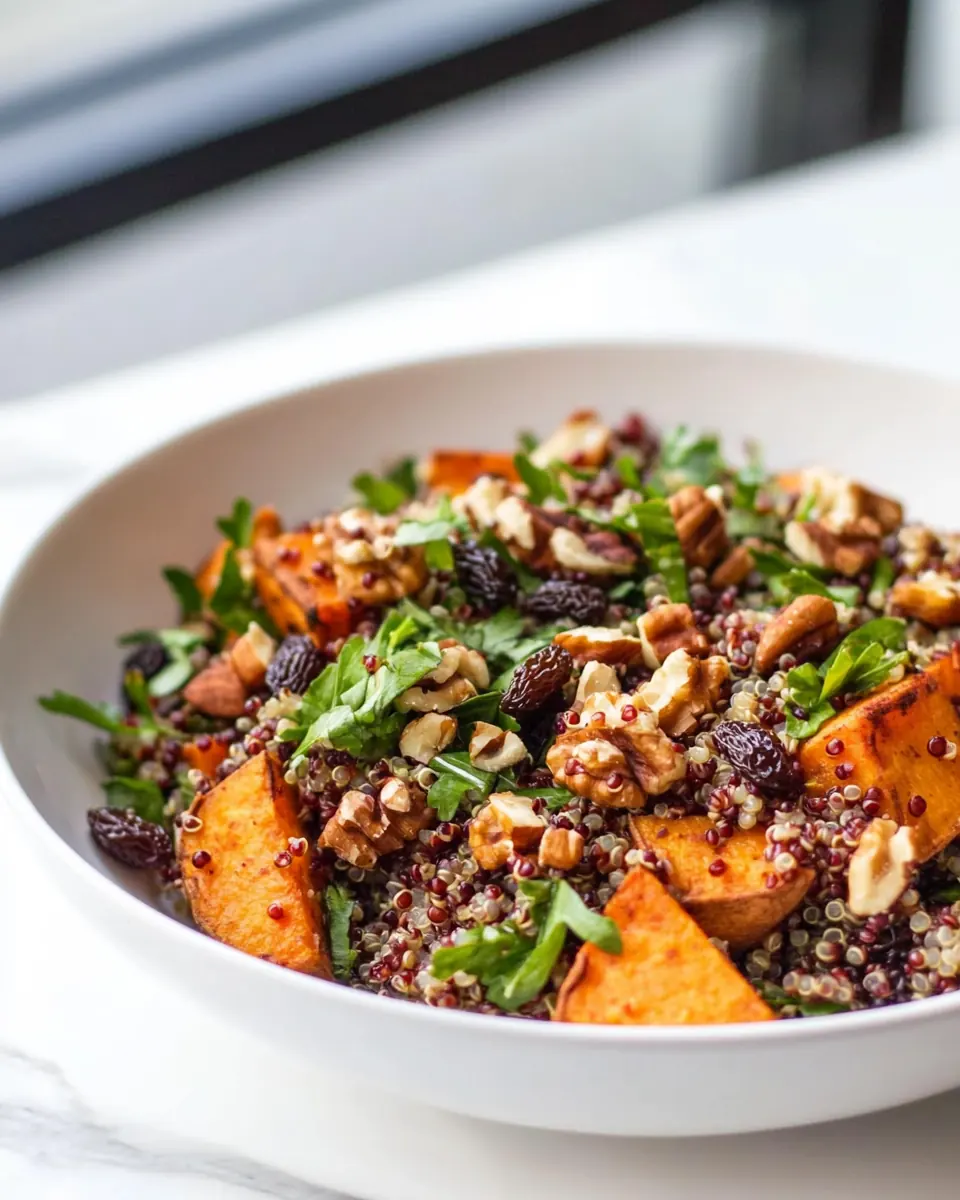
Preheat oven to 400 degrees. Toss the diced sweet potato in 1 tablespoon olive oil, salt, and pepper. Spread onto a baking sheet in one even layer. Roast for approximately 1 hour, or until potatoes are soft and beginning to brown. Remove from oven, dust with cinnamon and cool completely.: You should feel the kitchen cool then warm as the oven comes to life, and the preheated environment is what promotes even roasting and caramelization on the surface of the sweet potato . The sound in the oven is quiet at first, then becomes a steady, reassuring hum. This temperature allows the cubes to soften through to the center while forming golden edges, which is essential for that slightly crisp exterior that contrasts with a tender interior. A common mistake is not preheating, which can lead to uneven cooking and pale, steamed potatoes instead of those flavorful browned bits. Use the temperature as the baseline, and avoid crowding the baking sheet, or the potatoes will steam instead of roast.
While potatoes are cooling, toss together quinoa, arugula, onion, walnuts and raisins. Top with cooled potatoes. Drizzle with remaining olive oil and balsamic vinegar.: As you coat the sweet potato with olive oil , you should notice a glossy sheen on each cube and a slight earthy aroma as the salt and black pepper adhere. This oil helps transfer heat efficiently and encourages browning. The tactile action of tossing ensures even seasoning, which matters because unevenly seasoned pieces create inconsistent flavor pockets in the salad. A troubleshooting tip is to dry the potato cubes well if they were wet, because moisture prevents browning and leads to a softer, less caramelized finish.
Spread onto a baking sheet in one even layer: Laying the cubes out so none overlap guarantees direct contact with the hot surface and promotes even browning. You should be able to see space around each piece, and that space will let the hot air circulate and crisp the edges. The visual cue is important: if they are crowded, they will steam and not develop those caramelized spots. Avoid using a shallow pan where pieces pile up, which is the most common pitfall at this stage.
Roast for approximately 1 hour, or until potatoes are soft and beginning to brown: During roasting, the kitchen fills with a sweet, toasty aroma as the natural sugars in the sweet potato concentrate and brown. Listen for faint crackles as edges crisp, and look for golden brown tips on the cubes. The texture will shift from firm to yielding when pierced with a fork. Overcooking risks drying the pieces, so check for tenderness toward the end and remove when the centers are soft and edges show color. If you see the pieces blackening, the oven is too hot or the pan is too small.
Remove from oven, dust with cinnamon and cool completely: As soon as the tray comes out, sprinkle the ground cinnamon , and you will notice an immediate warm, aromatic lift that plays off the roasted sweet potato . Cooling is crucial because hot potatoes can wilt the arugula and make the salad limp; letting them come down to room temperature preserves texture and ensures the dressing clings rather than being absorbed. A common error is tossing while the potatoes are too warm, which leads to soggy greens and muted crunchy contrasts.
While potatoes are cooling, toss together quinoa, arugula, onion, walnuts and raisins: When combining the quinoa with the peppery arugula , thinly sliced red onion , crunchy walnuts , and sweet raisins , you should feel the mixture lighten and the colors pop. The textures are already distinct at this point, so tossing gently helps distribute flavors evenly without bruising the leaves. If the quinoa is too hot it will wilt the greens, so make sure it is at least warm or cooled. A troubleshooting note: overmixing can break down the arugula and make the salad look dull, so fold ingredients rather than stirring vigorously.
Top with cooled potatoes: Placing the cooled roasted sweet potato over the tossed base creates striking contrasts of color and texture. The visual cue is inviting, and the temperature contrast gives a pleasant sensory interplay. If you pile the potatoes in one spot, some bites will lack them, so distribute them evenly for balanced flavor. Avoid adding the potatoes while they are still warm, as that will soften the greens and change the salad's texture.
Drizzle with remaining olive oil and balsamic vinegar: The final drizzle brings the components together, and the aroma of the dark balsamic vinegar will sing against the toasted notes of the walnuts and the sweet pockets of raisins . As the olive oil glazes the leaves, it also helps the seasoning stick and rounds out the mouthfeel. Taste as you go since the vinegar can be potent; you want brightness without overwhelming the other elements. A typical mistake is over dressing, which makes the salad soggy rather than succulent, so add the liquids gradually and toss gently.