Heat coconut oil in a large pot over medium heat. Add finely diced onion, carrots, pepper, minced garlic, and ginger. Season with 1/8 teaspoon each salt and pepper. Sauté, stirring occasionally, until onion is translucent and veggies begin to soften, 7–8 minutes.: You should notice the faint coconut scent as the solid coconut oil melts, creating a glossy surface on the pot. The oil will shimmer slightly when it is hot enough, but avoid smoking. This initial heat helps the vegetables release moisture and flavors. A common mistake is overheating the oil so it smokes, which can impart bitterness. If the pot starts to smoke, lower the heat and let it cool briefly before adding vegetables.
Add in sugar; stir 3–4 more minutes to slightly caramelize veggies. Add red curry paste and seasonings: yellow curry powder, turmeric, ground cumin, ground coriander, red pepper flakes, and salt and pepper to taste (I add 1/4 teaspoon each). Sauté for 2–3 minutes, or until very fragrant, stirring constantly.: As these aromatics hit the pan, expect a soft sizzle and a burst of fragrant steam. The onion will begin to look translucent and the edges of the carrots and pepper will soften. Stir occasionally to ensure even cooking and prevent sticking. Why this matters, the gentle sweating draws out sugars that become the savory foundation. Troubleshoot if things stick by reducing heat and adding a splash of stock.
Add diced sweet potatoes and season again with salt and pepper (I add 1/4 teaspoon each). Continue to cook over medium heat, stirring frequently, 8–10 minutes.: This light seasoning early on encourages the vegetables to release moisture and develop sweetness. You will notice the flavors opening up as the salt pulls aromatics forward. One misstep is under seasoning at this stage, which can lead to flat flavors later. If the pot tastes dull while cooking, a pinch more salt will help the ingredients sing.
Pour in vegetable stock and coconut milk; season again with salt and pepper (I add 1/4 teaspoon salt and 1/8 teaspoon pepper; season to personal preference).: Listen for a soft sizzling and look for the onion to turn glossy and slightly golden at the edges. The vegetables will lose their raw bite and begin to smell sweeter. This stage builds the base, and rushing it will yield less depth. If you notice browning too quickly, lower the heat, because you want gentle caramelization, not burning.
Bring to a boil over high heat and scrape up any bits that have formed on the bottom. Reduce heat to medium or until the soup is at a rapid simmer (bubbling at edges) but not boiling. Cook, stirring occasionally, until soup has reduced and thickened and sweet potatoes are tender, about 18–25 minutes.: The sugar helps deepen color and add a subtle caramel flavor, which enhances the final profile. You will see a slight darkening and smell a toasted sweetness. Stir constantly to avoid hot spots that can burn. A common error is adding too much sugar, which will make the soup overly sweet; stick to the small amount called for.
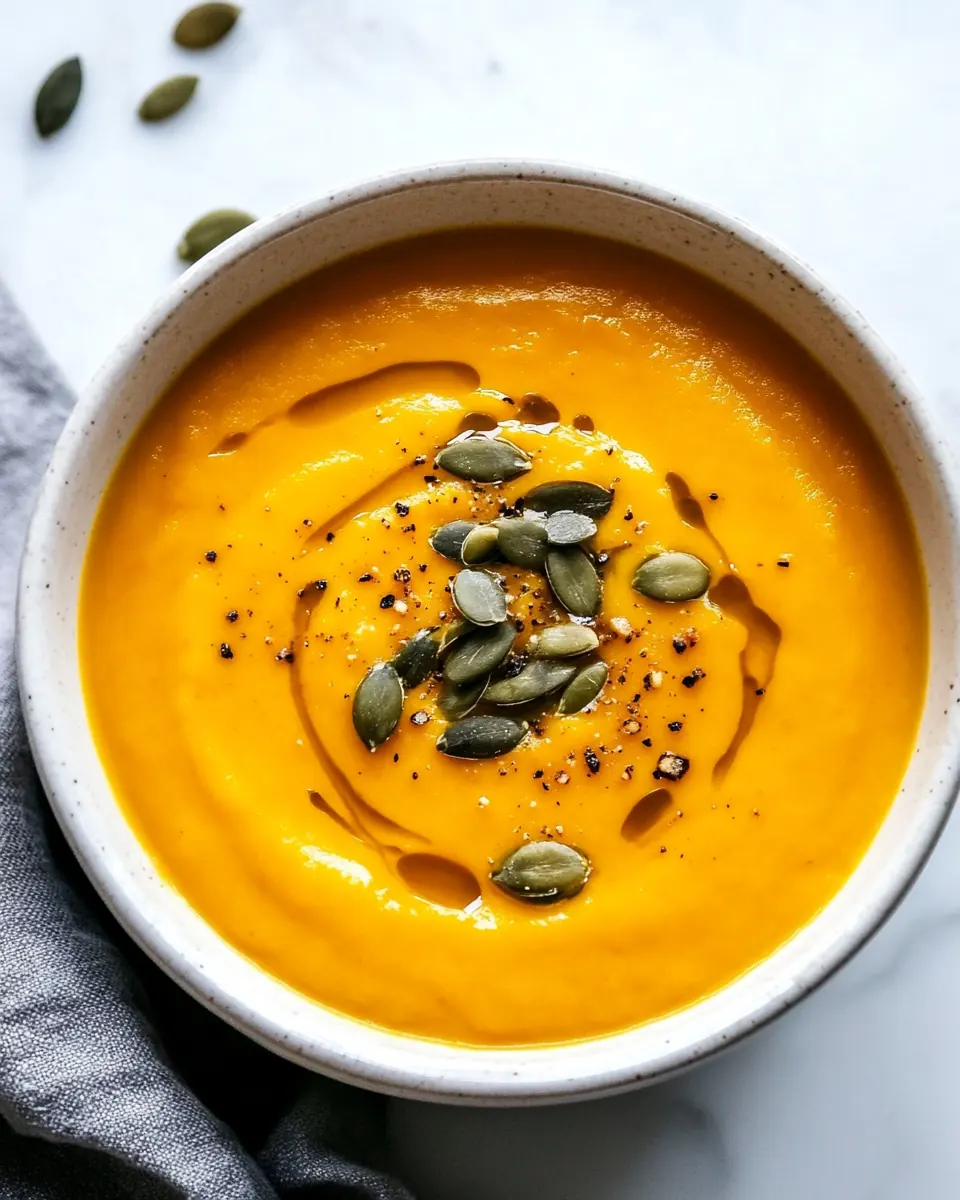
Once sweet potatoes can be easily pierced with a fork, carefully transfer the soup (in batches if needed) to a blender or food processor. Puree the soup (see note 2), then return the smooth soup to the pot over medium-low heat. Season to taste with salt and pepper (I add in another 1/4 teaspoon each here). Serve, garnished with pepita seeds if desired.: yellow curry powder, turmeric, ground cumin, ground coriander, red pepper flakes, and salt and pepper to taste. : As the spices toast in the hot oil, a fragrant plume should rise, releasing their essential oils. This is aromatic brilliance, and it transforms the dish. Keep stirring constantly during this brief step to bloom the spices and avoid burning. If spices darken too fast, reduce the heat immediately; burnt spices will create bitterness.
Sauté for 2 to 3 minutes, or until very fragrant, stirring constantly.: You’ll recognize this moment by a strong curry aroma and a richer color on the vegetables. Blooming the spices unlocks depth and makes the seasoning more integrated. This step is short but pivotal, so don’t skip it. If the mixture seems dry, add a tablespoon of stock to prevent scorching and to capture any browned bits.
Add diced sweet potatoes and season again with salt and pepper.: When the sweet potatoes hit the pot, they will momentarily cool the pan and release a subtle starch scent as they heat. Seasoning them helps distribute flavor into the chunks as they cook. Stir so they are coated with the spiced oil. A common mistake is crowding the pot too much, which can steam instead of sauté; give the pieces space for even cooking.
Continue to cook over medium heat, stirring frequently, 8 to 10 minutes.: The sweet potato pieces will begin to soften and edges may take on a little color. You want them tender enough to pierce with a fork later, but not falling apart yet. Frequent stirring prevents sticking and ensures even cooking. If some pieces brown unevenly, scrape the bottom to incorporate those browned bits into the flavor.
Pour in vegetable stock and coconut milk; season again with salt and pepper.: As the liquid hits the pot, you’ll hear a louder simmer and steam will rise. The mixture will transform from a sautéed base into a bubbling stew, and the coconut milk adds a glossy, creamy sheen. This liquid is what cooks the sweet potatoes through and builds the body. Avoid adding too little liquid which can make the soup too thick mid simmer; if it looks too concentrated, add extra stock.
Bring to a boil over high heat and scrape up any bits that have formed on the bottom.: The boil will loosen flavorful fond from the pot, and scraping incorporates those caramelized pieces back into the soup. Once it reaches a boil, reduce to a rapid simmer that bubbles at the edges. Boiling too vigorously can cause splatter and uneven cooking, so ease the heat down to maintain control.
Reduce heat to medium or until the soup is at a rapid simmer but not boiling.: A controlled simmer ensures gentle breakdown of the sweet potatoes without breaking emulsions in the coconut milk . You should see steady small bubbles around the edge and a warm steam, not a rolling boil. Overcooking at high heat can separate the coconut fat, so keep it steady.
Cook, stirring occasionally, until soup has reduced and thickened and sweet potatoes are tender, about 18 to 25 minutes.: Expect the kitchen to fill with warm curry and coconut aromas, and watch for the soup to thicken slightly as potatoes soften and release starch. Stir occasionally to prevent sticking and to check tenderness with a fork. A mistake to avoid is under cooking, which yields chunky, uneven texture; test a few pieces to confirm tenderness before proceeding.
Once sweet potatoes can be easily pierced with a fork, carefully transfer the soup to a blender or food processor.: The steam will be hot and the soup heavy, so use caution and work in batches if necessary. When you pour into the blender, you may notice a rich, silky liquid that begs to be pureed. If you skip this step or rush it, you’ll miss the smooth, luxurious texture. Never seal a hot blender lid fully; vent to avoid pressure buildup.
Puree the soup then return the smooth soup to the pot over medium low heat.: The soup should blend into a silky, cohesive liquid with no lumps. On the stove, a gentle reheat brings everything together and allows final seasoning adjustments. If the texture feels too thick, thin with a splash of stock. Overblending can make it too thin, so pulse to the desired consistency.
Season to taste with salt and pepper and serve, garnished with pepita seeds if desired.: At this point the aroma is integrated and the flavor should be balanced. Taste and adjust seasoning to your preference, then ladle into bowls and sprinkle roasted pepita seeds for texture. The most common error here is under seasoning, so be bold and add what it needs for your palate.