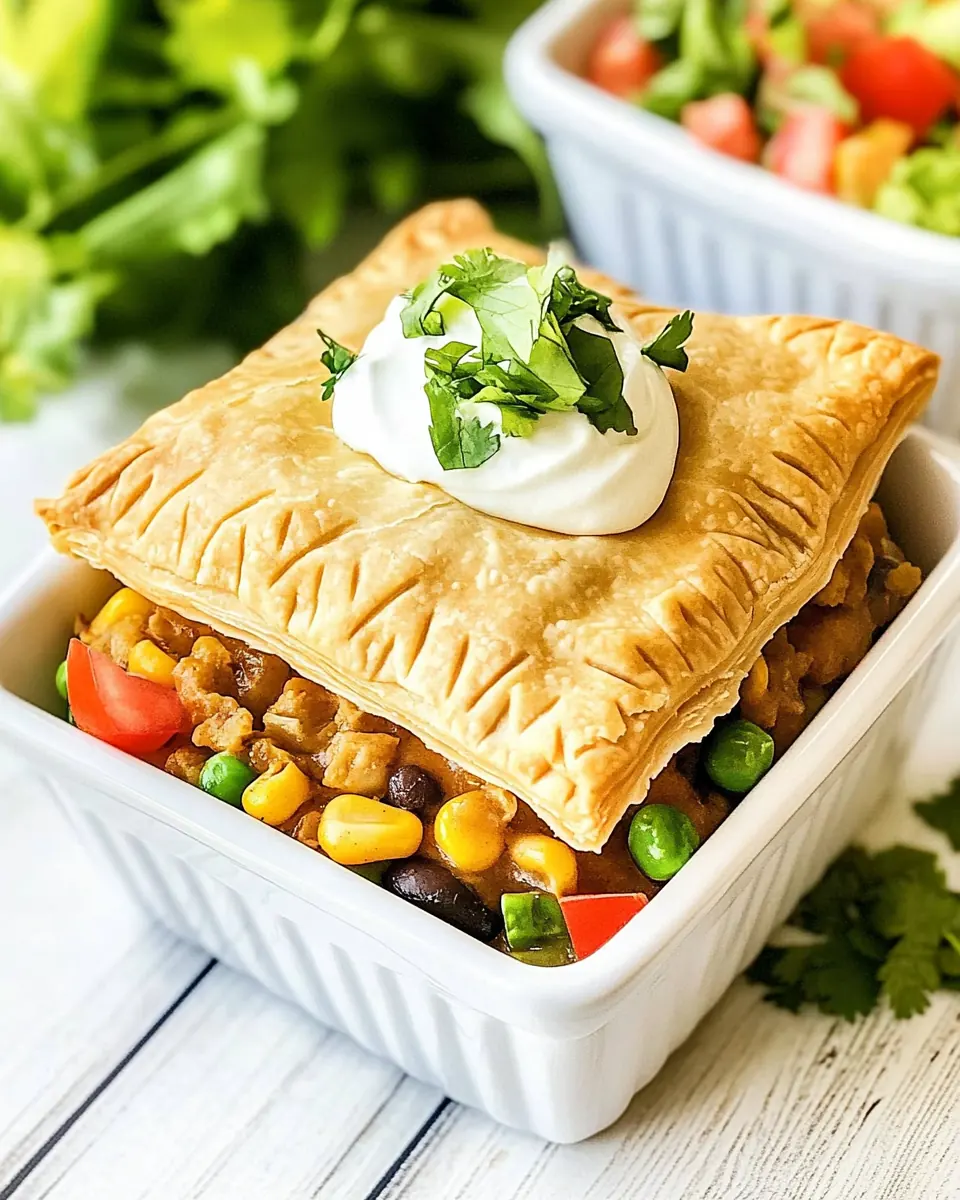
Preheat oven to 425ºF. Spray ramekins with cooking spray, making sure to spray the top outside rim. Set aside.: The oven should feel steady and intense, and you will notice the heat as it reaches temperature, which is essential for getting a crisp, golden crust on the pizza dough . Preheating ensures the dough begins to brown immediately rather than steaming, producing a pleasing crackle when you slice. A common mistake is skipping preheat, which can yield a pale, gummy crust. If your oven runs hot, rotate the ramekins halfway through baking to promote even browning. Make sure the nonstick spray is applied evenly so the pies release cleanly from the ramekins.
In a large skillet, brown the ground beef. Drain fat and return meat to skillet. Add taco seasoning, water and salsa. Simmer for 5 minutes. Stir in black beans and corn.: You will hear a steady sizzle as the ground beef hits the hot skillet, and as it browns you should notice a deepening aroma of caramelized meat. Draining excess fat prevents the filling from becoming greasy, helping the sauce cling to each bit of meat. When you add the seasoning, water, and salsa , the mixture should bubble gently, concentrating flavors while reducing slightly. Stirring in the black beans and corn at the end warms them through without turning them mushy. Avoid over simmering, which can dry the mixture out. If the filling seems thin, simmer a little longer to reduce; if it gets too dry, add a splash of water or more salsa.
Divide taco meat between the ramekins. Top with a slice of cheese.: As you spoon the filling, you should see steam rising and smell the mingled spices. Even distribution ensures each pie has a balanced meat to dough ratio. The cheddar cheese will begin to soften immediately and form an inviting melty layer that binds filling to crust. A common error is overfilling the ramekins, which can cause spills while baking; leave a small rim so the dough can drape and seal. Press the filling down gently to compact it slightly, but do not pack it tight, which can inhibit even heating.
Cut the pizza dough into four rectangles. Stretch the dough across the top and let hang over the edge.: The dough should feel springy and slightly tacky under your fingers, and as it browns the surface will take on a warm golden hue. Letting the dough hang over the rim creates a charming rustic edge and helps it adhere to the ramekin as it bakes. If the dough resists stretching, let it rest for a minute to relax the gluten. Watch for thin spots that might blister or brown too quickly, and avoid stretching so thin that the filling leaks out. If you see leaks during assembly, pinch the seam to seal it better.
Bake for 15 minutes until the dough is golden. Invert each pot pie onto a plate and lift off the ramekin.: The oven will transform the dough, filling the kitchen with a toasty, savory aroma, and the crust should turn a deep golden color with a slight crisp at the edges. The cheese should be melted and the filling hot and bubbling. Let the pies rest for a minute after baking so the filling settles; this helps the pot pie hold shape when inverted. If the crust edges brown too quickly, tent them with foil for the last few minutes. When inverting, use a gentle but decisive motion so the pie releases cleanly; if a pie sticks, loosen the edges with a small knife and try again.