Preheat oven to 350℉/175℃. Generously grease a 9-inch loaf pan with butter on the bottom and sides of the loaf pan. Add 1 tablespoon of flour to the pan, shaking to coat. Be sure to shake out any excess flour.: As the oven warms, you will notice a gentle, dry heat that promises even baking, and the act of greasing and flouring the pan creates a subtle barrier so the loaf releases cleanly. The greased surface should feel slightly slick, and the dusting of flour makes an even matte coating. If you skip this step or do it unevenly, the loaf can stick and tear when removed, so take the extra minute to coat every corner carefully.
In a medium bowl, sift together 1 1/2 cups all-purpose flour, 1/4 teaspoon table salt, and 1 teaspoon baking powder and whisk to evenly distribute salt and baking powder.: The sift and whisk make the dry mix airy and homogeneous, which helps the loaf rise uniformly and prevents bitter pockets of salt or clumps of leavener. As you sift, the flour falls like a soft cloud, and whisking combines the particles so they look even and pale. A common mistake is to skip sifting, which can trap lumps; if you see any, press them through the sieve or whisk longer to avoid dense spots.
In a large mixing bowl, cream together 1/2 cup unsalted butter, 2 large eggs, and 1 cup granulated sugar until light and fluffy.: Creaming introduces air and creates that pale, ribbon like batter texture that signals proper aeration. Your arms or mixer will notice resistance and then a lighter, softer consistency as sugar dissolves into the butter and eggs. The mixture should smell rich and slightly sweet, with the butter fragrance showing through. If you undercream, the loaf will be denser, and if you overbeat, the structure may collapse, so aim for soft peaks and a smooth, airy batter.
Add the flour mixture to the creamed mixture, along with 1/2 cup buttermilk and 2 teaspoons lemon zest. Fold to evenly incorporate batter. Be careful to not overmix, just mix until the flour is fully moistened.: When combining wet and dry, go slow and use gentle folding motions to keep air in the batter and avoid gluten development. You will see streaks of flour disappear and the batter become glossy and cohesive, with flecks of bright lemon zest throughout. The scent will shift to a buttery citrus note. Overmixing is the main pitfall here, producing a tight crumb, so stop as soon as no dry streaks remain.
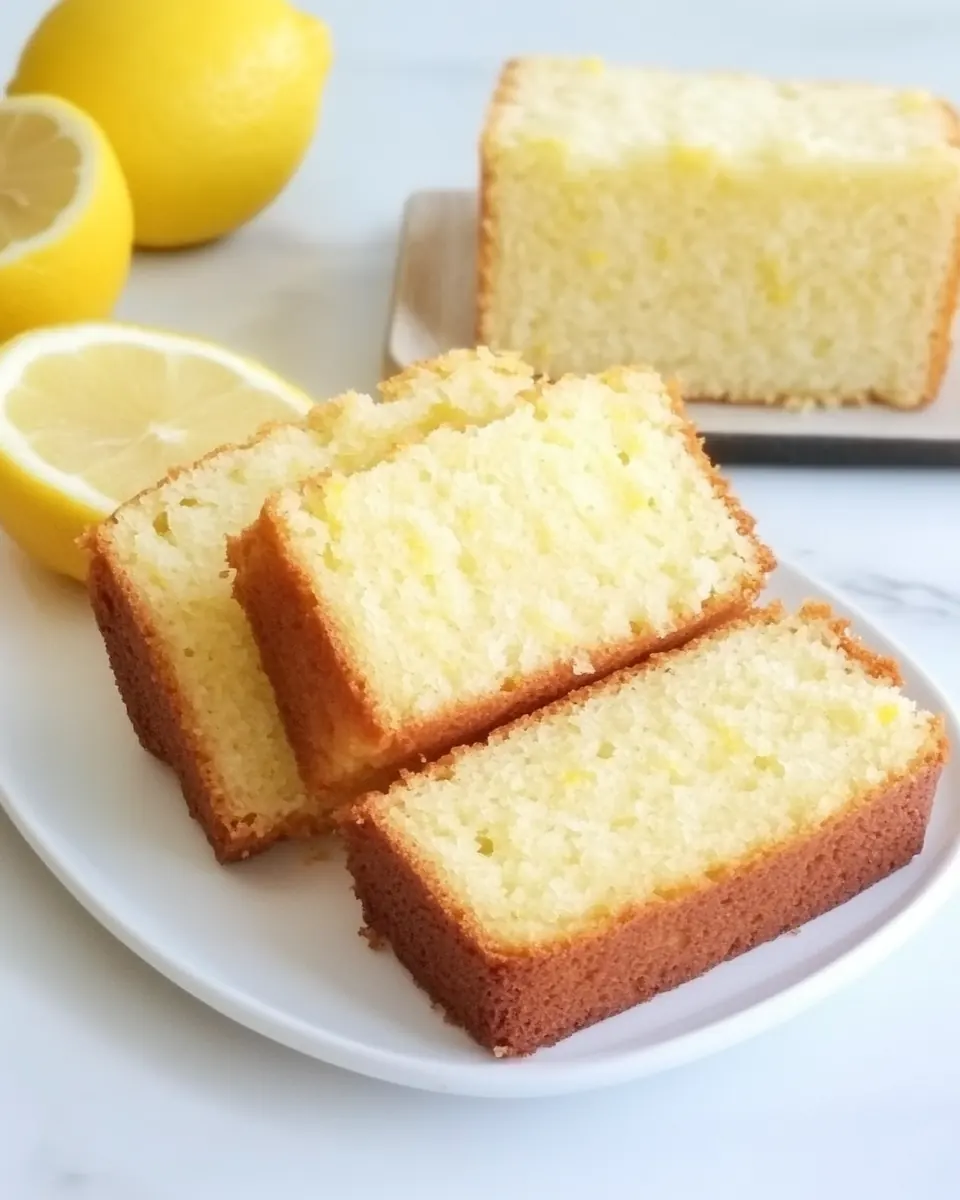
Bake for 50-60 minutes or until a toothpick inserted into a lemon loaf comes out clean.: During baking, the kitchen will fill with warm, citrus scented steam and the top should take on a gentle golden color. The loaf edges will pull slightly away from the pan and the surface will spring back to touch. Use the toothpick as your best cue, inserting near the center to check for moist crumbs. Taking it out too soon risks a gummy center, while leaving it too long dries it out.
While lemon bread is baking, whisk together 2 tablespoons lemon juice and 2 tablespoons granulated sugar until the sugar is dissolved. Tip: it may help to warm up your lemon juice for 20-30 seconds in the microwave before whisking with sugar.: it may help to warm up your lemon juice for 20 to 30 seconds in the microwave before whisking with sugar. : Warming the juice slightly releases aromatic oils and helps sugar dissolve quickly, resulting in a glossy, translucent glaze. The mixture should smell bright and slightly sweet, and stirring will produce a smooth syrup that pours easily. If sugar crystals remain, the glaze will look grainy and not penetrate the crumb evenly, so take the extra moment to dissolve thoroughly.
After the bread is baked, leave your lemon bread in a loaf pan and poke holes halfway to the bottom of the pan evenly along the top of the bread.: Poking creates channels for the glaze to absorb, letting citrus flavor seep into the loaf. The toothpick or skewer should go in easily and leave tiny holes across the surface, and you will notice steam escape from these holes as the glaze soaks in. Avoid poking too close to the edge, which can cause the loaf to split or lose shape; aim for rows across the center for even infusion.
Pour the glaze over the lemon bread. Let the bread sit in the loaf pan for 10 minutes.: As the glossy lemon syrup cascades, it will soak into the holes and top layer, adding shine and concentrated flavor. The scent will intensify, and you may see the glaze bead and then gradually disappear into the crumb. Letting it rest for 10 minutes allows the loaf to absorb moisture without becoming soggy, a balance between infusion and structure. Don’t rush this step or the glaze may run off without penetrating.
After 10 minutes, loosen the sides of the bread from the edges of the pan with a butter knife, then remove the bread from the pan and transfer it to a cooling rack to finish cooling completely.: The final release should feel satisfying, with the loaf sliding free and the underside slightly set but still tender. Placing it on a rack prevents condensation and keeps the crust from softening too much. If you try to remove it while too hot or without loosening the sides, you risk tearing the loaf, so be gentle and patient for a neat finish.