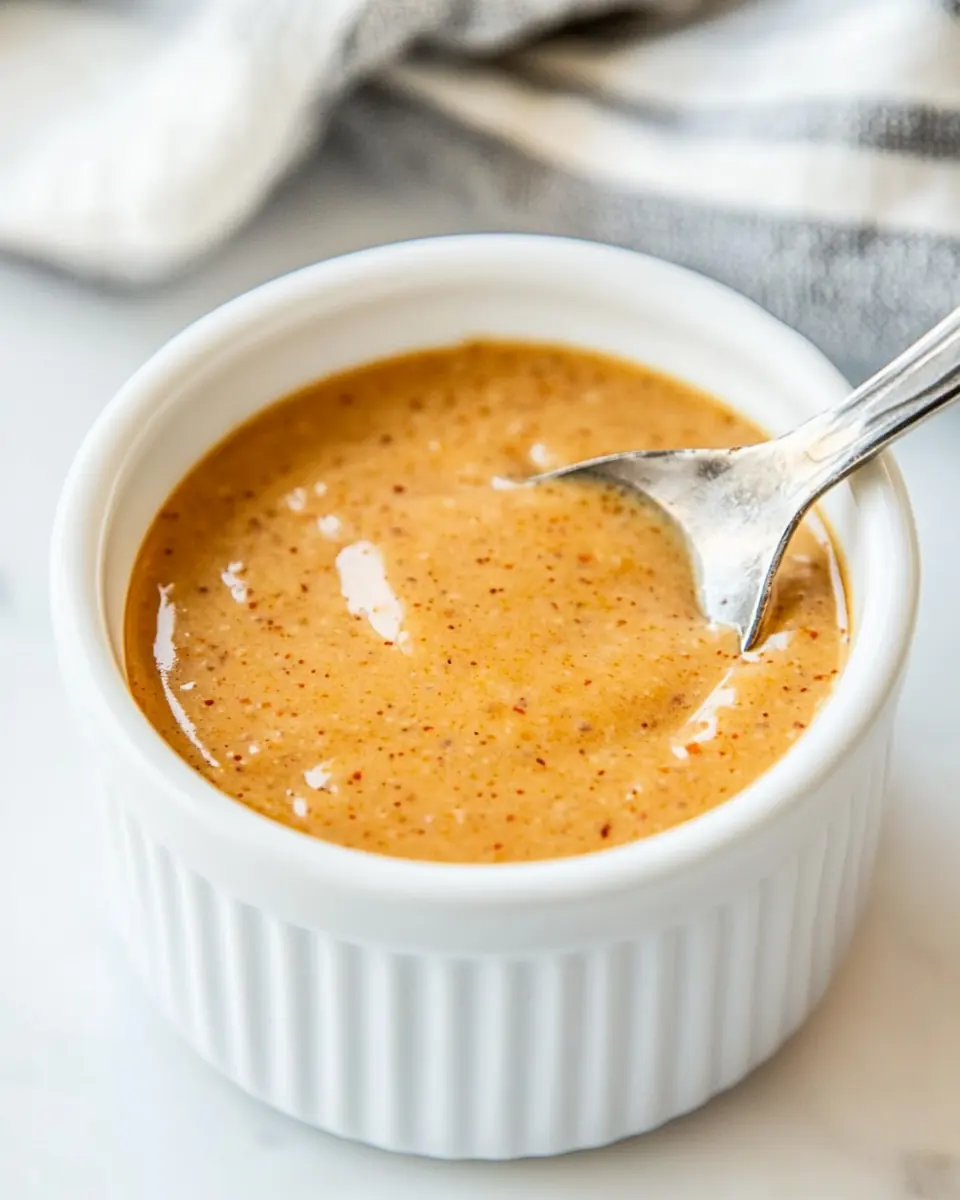
Combine all the ingredients in a small bowl. Taste and adjust salt & pepper to taste. Place in the refrigerator or serve immediately.: From the moment you start, you'll notice the glossy sheen of the mayonnaise as it meets the deep red of the ketchup , and that contrast is satisfying to watch. Use a small mixing bowl so you can whisk with authority, bringing the components together into a smooth emulsion. The sound is soft, a steady whisk against ceramic, and the aroma begins as sweet tomato then shifts toward savory with the first stir. This technique matters because thorough blending ensures every dollop of sauce carries balanced flavor and texture. A common mistake here is under mixing, leaving streaks of unmixed mustard or clumps of dry spices; whisk until uniform but avoid aerating the mixture too much, which can change the mouthfeel. If the mixture looks too thin, chill briefly to let it thicken and the flavors marry.
This recipe makes enough sauce for 4-6 hamburgers. You will need about 1-2 tablespoons of sauce per hamburger.: You will immediately sense how the layers come together, and tasting now lets you correct any flatness or overbearing sweetness. Use a small tasting spoon, and note whether the dijon mustard needs brightening or the relish needs more punch. Sensory cues to watch for are brightness on the sides of your tongue and a smooth, rounded finish in the center. Adjust with tiny pinches so you do not overshoot. The why here is straightforward, seasoning amplifies flavors and binds them. A frequent error is adding too much salt at once; add incrementally and rest between tweaks so the palate resets. If pepper feels too assertive, a little extra mayonnaise can soften it.
Place in the refrigerator or serve immediately: Right after mixing, you can serve the sauce and enjoy a fresher edge, where the mustard and relish pop distinctly. If you refrigerate, flavors meld and the profile becomes more cohesive, with the spices marrying into the creamy base. The fridge cools the sauce, which tightens texture and makes it cling better to a burger bun. This resting step matters because it deepens the overall flavor and improves spreadability. Avoid leaving the sauce unrefrigerated for extended periods, as freshness declines. If chilling, cover the bowl or transfer to a sealed container to prevent absorption of other fridge scents.
This recipe makes enough sauce for 4 to 6 hamburgers. You will need about 1 to 2 tablespoons of sauce per hamburger: When planning portions, note the yield and how much you prefer per sandwich. The guideline helps prevent running out midmeal or making far more than you need. Visual cues help here, a tablespoon per burger creates a thin, even coating while two tablespoons make a more generous, saucy bite. The reason this matters is balance, too much sauce overwhelms the texture of a burger, too little and you miss the flavor lift. A common slip is applying uneven amounts to patties, which leads to inconsistent bites. Use a small spoon or a piping bag for neat distribution if you want even coverage.