Preheat the oven to 350 degrees F. Line a baking sheet (or 2) with parchment paper.: Right away you will notice a small ritual moment, the oven warming and the scent of clean heat. Preheating ensures even baking so the cookies spread predictably, and parchment prevents sticking while promoting crisp edges. A common mistake is skipping parchment, which can cause uneven bottoms and difficulty removing baked cookies. If your oven runs hot, use an oven thermometer to check that it truly reaches 350 degrees F .
Place half of the oats in a food processor and pulse until the oats are chopped up, some flour-like, but some pieces remaining. In a bowl, combine all of the oats, flour, baking soda, cinnamon, cardamom, nutmeg and salt. Whisk together.: As you pulse the oats , listen for a change from a soft rustle to a slightly more granular sound, indicating small bits form. This textural variety keeps some chew while allowing the cookies to bind. Whisking the dry mix distributes the baking soda and spices evenly, avoiding bitter spots. A common error is over processing the oats into a powder, which removes the desirable chew, so stop when you still see tiny flake pieces.
In a large bowl, whisk together the melted butter and brown sugar until smooth. Whisk in the egg and egg yolk, then the vanilla, until smooth and combined. Take a large spoon and stir in the dry ingredients, mixing until a dough forms.: When you combine the melted butter with brown sugar , you'll notice the sugar loosening and the mixture becoming glossy, which signals good integration. Adding the egg and yolk next emulsifies the mixture for a cohesive dough. Stirring the dry ingredients in by hand preserves the texture from the pulsed oats . Avoid over mixing after adding the flour, which can develop excess gluten and yield a tougher cookie.
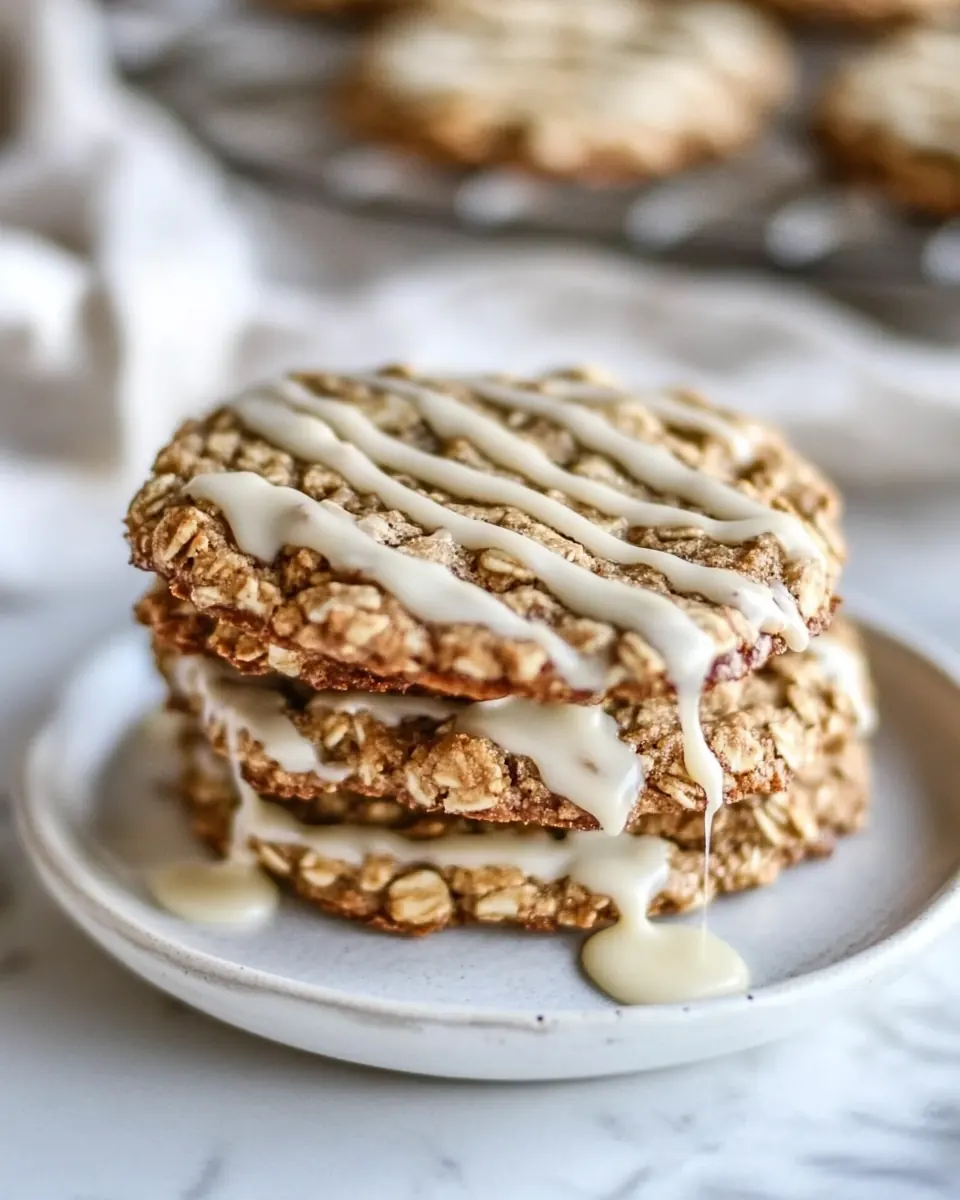
Scoop the dough out using an ice cream scoop (you want about 2 tablespoons of dough) and place on the parchment paper 2 inches apart. I put 6 on a baking sheet – because they will spread! Bake for 12 to 14 minutes, or until golden on the edges and thin and chewy. Remove and let cool completely.: As the cookies bake, you'll see the centers set while the edges take on a golden hue, a sign they're done. They should still be soft to the touch in the center, and a tiny jiggle will firm as they cool. Overbaking dries them out, so err on the side of slightly underdone if you prefer chew. A frequent mistake is placing too many scoops on a tray, which makes them merge; give space for spread.
Heat a small saucepan over medium-low heat and add butter. Whisk constantly until melted, then continue to whisk as bubbles form, the butter begins to foam, and eventually brown bits appear in the bottom of the pan. This will take about 5-6 minutes total. As soon as the brown bits appear, remove from heat. I always stir for an additional 30 seconds or so. Let cool for 10 minutes.: Browning butter is sensory rich, with the butter shifting from grassy to nutty, and you will smell a toasted aroma as the milk solids brown. Visual cues include foaming followed by small brown specks at the bottom. Removing from heat promptly prevents burning and preserves that toffee like nuance. A common pitfall is walking away and letting the butter burn, producing bitterness; constant attention and a gentle whisk are key.
Note: if you refrigerate this dough for an hour or so before baking, they won’t be QUITE as thin!: if you refrigerate this dough for an hour or so before baking, they won’t be QUITE as thin! : Chilling the dough firms up the butter , so when baked the cookies spread less and keep more height. I sometimes chill a portion if I want a chunkier cookie for variety. The trade off is a slightly denser interior; for the signature thin chew, bake straight away. Avoid freezing the dough without adjusting bake time, as frozen centers may not cook through.
In a large bowl combine brown butter, vanilla extract and powdered sugar. Whisk until the mixture comes together then add in 1 tablespoon of milk, continuing to mix. I always stir my glazes for a good 3-4 minutes so they really come together. If it still doesn’t appear glaze-like, add in milk 1/2 tablespoon at a time and mix again. Don’t worry if it becomes too liquidy – just add a tiny bit of powdered sugar until you get the desired consistency. Drizzle the glaze over the cooled cookies.: Right after the browned butter cools slightly, combining it with powdered sugar yields a glossy, aromatic glaze that clings to the cookie tops. The smell at this stage is warm and caramel forward; when you add a splash of milk , the texture smooths out for drizzling. If the glaze becomes too thin, incrementally thickening with more powdered sugar prevents run off. A mistake people make is glazing warm cookies; wait until they cool to keep the glaze from soaking in and disappearing.