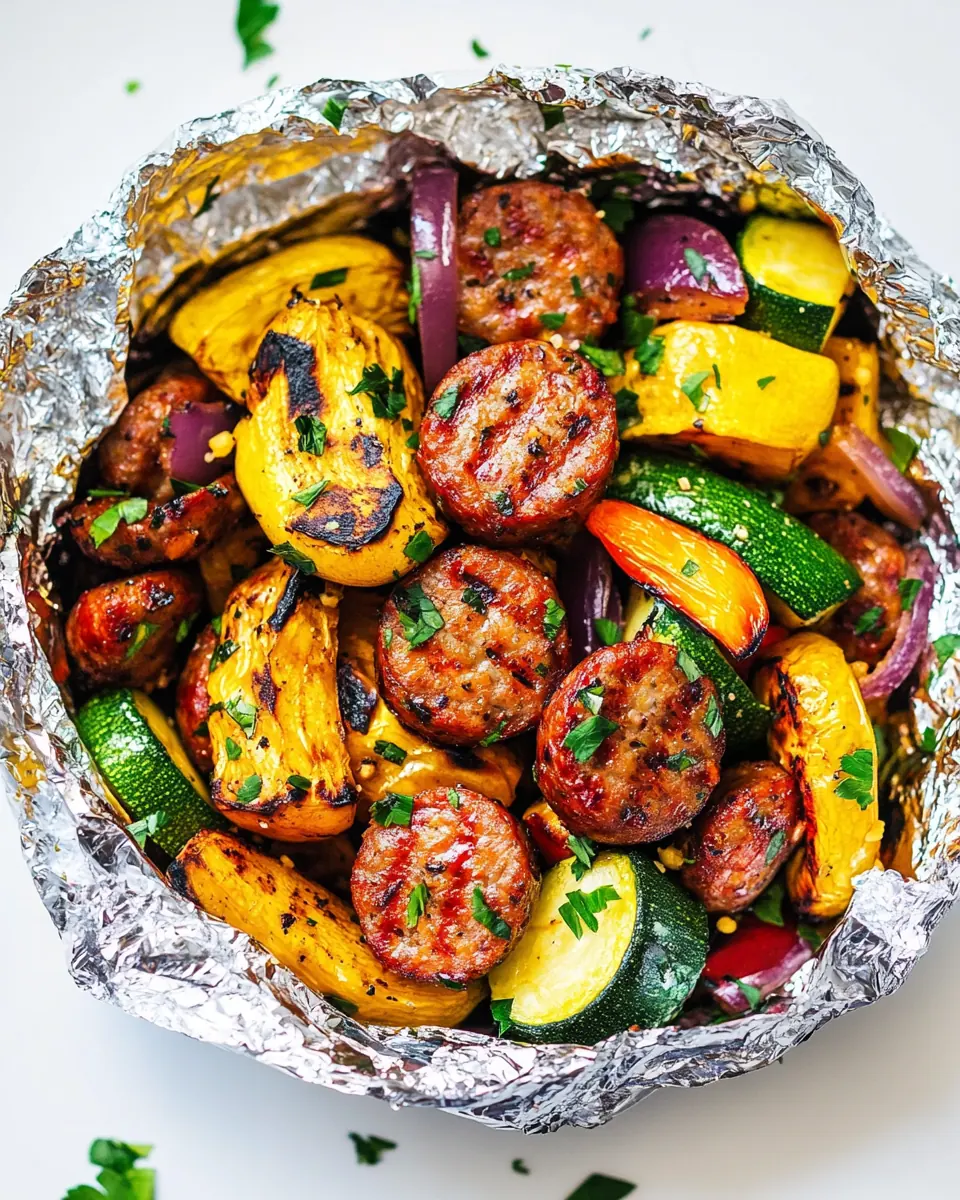
Preheat grill to medium-high (450°F) or oven to 425°F. Prepare 4 large (2 feet each) sheets of heavy-duty foil; lightly spritz with cooking spray.: The moment you heat your cooking surface you set the stage for both roasting and steaming inside the foil, which creates those appealing browned edges while keeping interiors tender. You'll notice a warm, slightly sharp scent when the grill or oven reaches temperature, and that heat encourages immediate sizzle when packets hit the grate or rack. A common mistake is starting with a cool grill, which lengthens cooking time and can leave potatoes underdone. Aim for the target temperature so cooking times remain reliable.
Cut the top off the pepper, remove seeds, and thinly slice. If slices are long, cut in half. Remove husk from corn and cut into 1-inch discs. I place a thick kitchen towel over a sharp knife and press down firmly with the heel of my hand. Finely dice the yellow onion. Cut washed (unpeeled) potatoes into bite-sized pieces, about 8–10 pieces per potato. Cut sausage into 1/2-inch thick coins.: The foil should be large enough to fold into a sealed packet with room for air to circulate, which produces steam for even cooking. Lightly spraying the foil prevents sticking and makes serving cleaner. You may hear the faint hiss of moisture as packets seal and begin to steam when placed on heat. If you skip the spray, bits of food can adhere to the foil, tearing when you open the packet, so take a moment to coat the surface.
Add veggies, sausage, oil, and seasonings to a large bowl. Season to taste (I add 3/4 teaspoon salt and 1/2 teaspoon pepper). Toss until well combined.: Fresh peppers release sweet, aromatic oils when sliced, and those scents deepen when they roast in the packet. Thin slices allow the pepper to soften and mingle with other vegetables without remaining crunchy. A common error is leaving large chunks that do not cook through, so aim for even thin slices for consistent texture.
Divide the mixture evenly among the foil sheets (about 2 cups per packet). Seal the foil packs tightly, leaving room for air to circulate.: Shorter pieces distribute more evenly among packets so each bite has a balance of flavors. When pepper strips are shorter they nestle with potato pieces and sausage coins, producing a uniform chew. Long strands can bunch and create pockets that cook differently, so trimming them helps ensure even doneness.
Cook with one of these methods: Grill: Grill for 25–30 minutes, flipping at the halfway point. Check for doneness (see note 2). Bake: Bake for 30–40 minutes. At 30 minutes, veggies are crisp; at 35 minutes, they are perfect for me; at 40 minutes, they are very tender. Place foil packs on the oven rack or a sheet pan. Sheet Pan: Spread ingredients on a parchment-lined sheet pan and bake for 30–35 minutes, flipping/stirring once at the halfway point.: Fresh corn cut into disks exposes sweet kernels that brown on their cut edges and release sweet steam inside the packet. You may hear a faint lowering of volume as moisture escapes into the foil while cooking. If the disks are very thick, they may need extra time, so slice into uniform one inch pieces for consistent tenderness.
Carefully open the foil pack (steam will escape). Garnish with fresh parsley, additional salt/pepper, and freshly grated Parmesan if desired.: This technique stabilizes the cob and makes cutting safer and cleaner, reducing the chance of slipping. You will feel the corn give under the blade and see neat disk shapes after each press. A frequent mistake is attempting this on an unstable surface, which leads to uneven cuts, so keep your workspace steady and use the towel for traction.
Finely dice the yellow onion: Finely diced onion melts into the packet and becomes sweet and aromatic, infusing the mix with savory depth. As it cooks you will notice a softening and a fragrant onion aroma that signals it is releasing sugars. Large chunks can remain underdone, so dice finely to allow them to fully soften.
Cut washed (unpeeled) potatoes into bite sized pieces, about 8 to 10 pieces per potato: Leaving the skins on adds texture and nutrients, while uniform bite sized pieces ensure even cooking. When the potatoes are done they will yield to a fork and develop slightly crisped edges. If pieces are uneven, some may be mushy while others remain hard, so aim for consistent sizing.
Cut sausage into 1/2 inch thick coins: Slicing to this thickness creates crisped edges and releases savory juices that caramelize and flavor the vegetables. You may smell the smoky aroma intensify as the pork free sausage warms in the packet. Too thick slices may remain cool in the center, and slices that are too thin can dry out, so stick to the recommended thickness.
Add veggies, sausage, oil, and seasonings to a large bowl: Tossing in a bowl ensures the olive oil and dried herbs coat every piece so seasoning is uniform and each ingredient browns properly. You will see a glossy sheen develop on the vegetables and sausage as they are tossed. A common slip up is under seasoning at this stage, which results in bland packets, so be generous and taste adjust before sealing.
Season to taste (I add 3/4 teaspoon salt and 1/2 teaspoon pepper): Salt draws out moisture and concentrates flavors, while pepper adds a gentle bite. Mixing seasonings in the bowl ensures the aromatic powders adhere to surfaces and bloom during cooking. Avoid overseasoning, especially if your smoked sausage is already salty, because excess salt cannot be removed later.
Toss until well combined: Proper tossing mixes the herbs and oil through the mixture so no single packet ends up with an abundance of one ingredient. Visually, you want an even distribution of color and coating on each piece, which leads to consistent taste. If you notice clumps of seasoning, break them apart so the flavor is even.
Divide the mixture evenly among the foil sheets (about 2 cups per packet): Even portions mean similar cooking times for each packet. When filling, leave space so steam can circulate inside the sealed packet and cook the contents evenly. Over filling can prevent proper sealing and cause longer cook times, so portion carefully for reliable results.
Seal the foil packs tightly, leaving room for air to circulate: A tight seal traps steam and concentrates flavors, while a little internal air space allows gentle convection inside the packet so ingredients roast rather than steam flat. You may feel some resistance as steam builds inside when they first hit heat. If you seal too flat, the contents steam more and may not achieve those desired roasted edges.
Cook with one of these methods: Choose grilling for a smoky finish, baking for a controlled oven roast, or sheet pan if you prefer everything laid flat. Each method alters texture gently, and you can expect a satisfying blend of roasted edges and tender centers. A common misstep is switching methods without adjusting time, so follow the suggested timings for the method you pick.
Grill: for 25 to 30 minutes, flipping at the halfway point : On the grill you will hear a low sizzle and smell intensified smokiness as the packets heat. Flipping ensures even exposure and prevents one side from cooking faster. If you do not flip, one side may char while the other remains undercooked, so remember the halfway turn.
Bake: for 30 to 40 minutes : In the oven you will notice a warm, toasty scent as edges brown. At 30 minutes the veggies remain crisp, at 35 minutes they are tender and well caramelized for many preferences, and at 40 minutes they become very tender. Keep an eye at the earlier mark so you can stop when the texture matches your preference.
At 30 minutes, veggies are crisp; at 35 minutes, they are perfect for me; at 40 minutes, they are very tender: These cues help you hit your preferred texture. Use a fork to test potatoes and corn to avoid over or undercooking. A mistake is relying solely on time, instead of checking texture, so test before pulling all packets.
Place foil packs on the oven rack or a sheet pan: Using a rack or pan gives stability and catches any juices if a packet springs a seam. In the oven you may see slight bubbling through the foil where steam escapes, which is normal. If you place packets directly on a dirty rack you may cause flare ups or uneven cooking, so use a clean surface.
Sheet Pan: Spread ingredients on a parchment lined sheet pan and bake for 30 to 35 minutes, flipping or stirring once at the halfway point : Laying everything flat increases surface contact with heat so more pieces brown. You will hear soft sizzles and see distinct browning across the vegetables and sausage. Forgetting to flip can leave parts less caramelized, so stir once halfway for even browning.
Carefully open the foil pack (steam will escape): The first inhale when you open a packet is aromatic and intense, but be careful because the steam is very hot. Tilt the packet away from you so steam vents safely. A common hazard is opening directly over your hand, which can cause scalds, so open slowly and away from faces.
Garnish with fresh parsley, additional salt or pepper, and freshly grated Parmesan if desired: A final garnish adds brightness, salt balance, and a finishing texture contrast. Fresh parsley brings herbaceous lift, and freshly grated cheese melts into warm pockets for richness. If you add cheese while still sealed, it may melt unevenly, so I prefer to sprinkle after opening so guests can control amounts.