Preheat oven to 220 C/450°F.: As the oven ramps up you should notice a dry, warming scent in the kitchen, and the hot environment is critical for creating an immediate sear on the roast surface. This high temperature encourages the Maillard reaction, which forms a brown, flavorful crust that seals in savory juices. A common mistake is placing a cold roast into a lukewarm oven; that prevents proper crust development and can lead to uneven cooking. While waiting for the oven to reach temperature, set aside your herbs and make sure the rack is centered so heat circulates evenly.
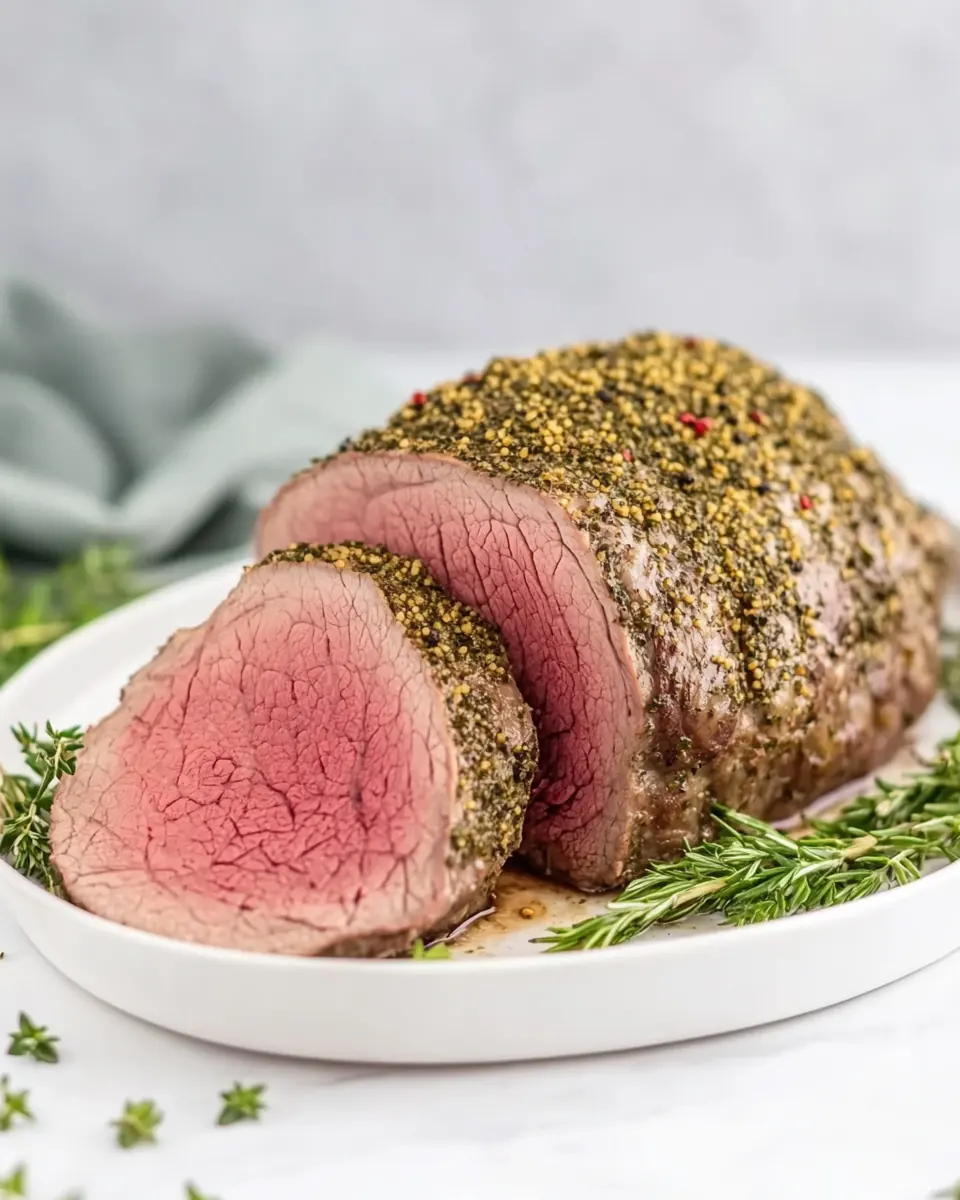
Combine the oregano, thyme, Rosemary, salt, black pepper, and mustard powder in a bowl then rub evenly on the top round roast.: When you smell the bowl of dried herbs combined with salt and mustard powder , you will notice the aromatic oils begin to mingle, promising a complex crust. Rubbing the mixture into the meat forces the seasonings into the surface, which promotes even flavor distribution and helps the crust adhere. The friction of rubbing warms the spices slightly, releasing their scent. One mistake people make is applying the rub too late; seasoning benefits from a brief period on the meat before it hits the heat. If the roast seems wet, pat it dry first to help the rub stick.
Place the roast in a shallow roasting pan fitted with a rack.: Lifting the roast on a rack allows hot air to circulate under the meat so it cooks evenly, and juices drip away to prevent steaming the bottom. Using a shallow pan helps the heat reach the roast surface directly, which supports consistent browning. You should hear almost no sizzling at this point, but you will see the roast positioned to receive consistent heat. Avoid laying the roast directly in a deep pool of juices, which can inhibit that precious crust formation.
Roast for 15 minutes, then reduce the oven temperature to 180 C/350°F. Roast for around 50 minutes, or until the beef reaches an internal temperature of 140°F.: The initial 15 minutes at high heat jumpstarts browning, and you will see the surface darken and crisp. After lowering the temperature, the roast cooks more gently toward the center, avoiding a tough exterior with an undercooked interior. Pay attention to the visual cues, the crust should be deeply colored, and you may hear faint sizzling as fat and seasonings concentrate. Use an instant read thermometer to aim for 140°F for medium after carryover. A frequent error is skipping the lower temperature phase, which can cause an over browned outside while undercooking inside. Also, rely on temperature rather than time alone, because ovens vary.
Remove the roast from the oven and tent it loosely with foil. Let the meat rest for 10-15 minutes before carving against the grain.: Resting is where the juices redistribute back into the meat, turning a good roast into a juicy one. Tented foil keeps the roast warm while preventing excessive steaming, and during this pause you will smell intensified roasted aromatics. When you slice, cutting against the grain shortens the muscle fibers and yields tender bites. One mistake is slicing too soon, which lets the juices pour onto the cutting board, leaving the meat dry. Listen for the subtle settling sounds as the roast cools slightly, and carve with a sharp knife for clean slices.