In a bowl, whisk together flour, baking soda, and salt; set aside.: As you mix these dry ingredients you should notice the flour taking on a uniform pale color and a light, powdery texture, which tells you the leavening is well distributed; this matters because even dispersion of baking soda prevents uneven rise and irregular cracking, and a common mistake is not taking the time to whisk which can leave pockets of leavener that create odd lumps in the dough.
Melt butter in a skillet set over medium heat. Once melted, lower heat and continue to cook, swirling frequently, until foaming subsides and butter is just beginning to turn golden brown, about 2 to 4 minutes. Transfer melted butter to large bowl and whisk in ground ginger and cinnamon. Let cool for about 2 minutes, then whisk in brown sugar, molasses, and fresh ginger. Add egg and yolk and whisk to combine. Add flour mixture and stir until just incorporated. Mix in crystallized ginger. Cover with plastic wrap and refrigerate until firm, about 1 to 2 hours.: When the unsalted butter melts, it will foam and then the milk solids will begin to sizzle and turn a warm golden brown, releasing a toasty, nutty scent that deepens the cookie flavor; this browning step develops aromatic compounds that a plain melted fat cannot offer, and a typical error is leaving it on too high heat which will burn the butter, yielding a bitter note.
Preheat oven to 300 degrees F; position oven racks to upper-middle and lower-middle positions. Line 2 baking sheets with parchment paper (or use silicone baking mats). Place granulated sugar in shallow dish or bowl. Spoon dough by heaping teasponfuls; shape into 1-inch balls, then roll in sugar to coat. Arrange balls on prepared baking sheets, leaving 1 to 2 inches of space between them.: You will hear a gentle sputter as water evaporates, and you should see flecks of amber forming on the pan bottom, a visual cue that the Maillard reaction is underway; this technique concentrates flavor, and neglecting to watch closely at this point can mean missing the golden stage where the best flavor lives.
Bake for 15 minutes, then rotate baking sheets (top to bottom and front to bake) and bake for an additional 9 to 12 minutes, or until cookies on lower tray just begin to darken around edges. Transfer to wire rack and cool completely before serving. Repeat with remaining dough. Cookies will keep, stored at room temperature in an airtight container, for up to 2 weeks.: The warm fat will bloom the powdered spices, releasing fragrant oils and a richer aroma; this step magnifies the spice profile in every bite, and the common mistake is adding spices to a cold fat where they remain muted rather than aromatic.
Let cool for about 2 minutes, then whisk in brown sugar, molasses, and fresh ginger.: As the mixture cools slightly the sugars dissolve more evenly and the molasses integrates to create a glossy, thick batter; the fresh ginger will give bursts of citrusy heat, and if you add the egg while the mixture is too hot you risk cooking it, so temperature awareness is important.
Add egg and yolk and whisk to combine.: You will see the mixture lighten and become smoother as the egg emulsifies the sugars and fats, creating a cohesive dough; this binding step promotes uniform texture, and a common pitfall is not fully incorporating the eggs which can leave streaks and inconsistent bake.
Add flour mixture and stir until just incorporated.: The dough will shift from glossy to a thick, slightly sticky mass, and you want to avoid overmixing which develops gluten and yields tougher cookies, so stop when you no longer see dry streaks and the mixture holds together.
Mix in crystallized ginger.: The chopped crystallized ginger should be folded in so that you notice little pockets of amber throughout the dough, which will melt slightly in the oven to provide chewy sweetness; a mistake here is adding too much and overwhelming the texture balance.
Cover with plastic wrap and refrigerate until firm, about 1 to 2 hours.: Chilling solidifies the fats and allows flavors to meld, resulting in a dough that is easier to portion and produces a better snap when baked, and skipping this rest will often yield cookies that spread too thin during baking.
Preheat oven to 300 degrees F; position oven racks to upper middle and lower middle positions.: The even, moderate oven temp encourages a slow bake that crisp up edges while keeping centers tender, and double rack positioning ensures even heat distribution; many bakers err by using too hot an oven which browns the edges before the center sets.
Line 2 baking sheets with parchment paper (or use silicone baking mats).: The liner provides a nonstick surface that promotes even browning and easy release, and you want to avoid greasing the sheet because that can cause excess spreading; a common oversight is crowding the sheets which prevents even airflow and causes uneven bakes.
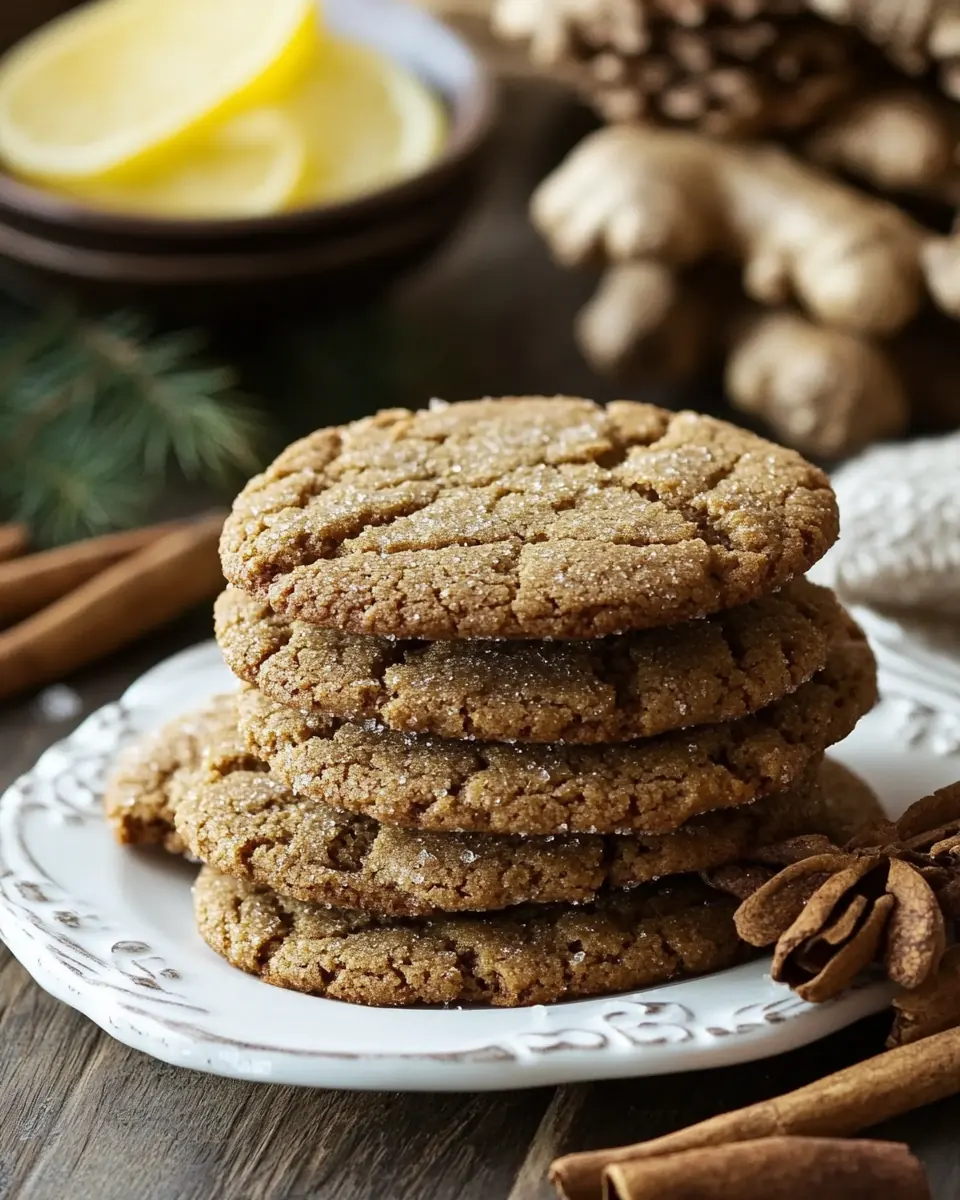
Place granulated sugar in shallow dish or bowl.: Rolling the dough balls in granulated sugar gives a sparkly, slightly crunchy exterior, and using a shallow dish helps coat evenly and efficiently; forgetting this step means missing that signature glint and texture contrast.
Spoon dough by heaping teasponfuls; shape into 1 inch balls, then roll in sugar to coat.: You will feel the dough firm up from chilling and the balls should be slightly tacky, the sugar will cling and form a thin shell that caramelizes at the edge, and overpacking the dough into balls can create dense centers so keep them light and rounded.
Arrange balls on prepared baking sheets, leaving 1 to 2 inches of space between them.: Give the cookies room because they will spread modestly, and spacing ensures they bake into neat rounds instead of merging; placing them too close is a frequent mistake that sabotages appearance and even baking.
Bake for 15 minutes, then rotate baking sheets (top to bottom and front to back) and bake for an additional 9 to 12 minutes, or until cookies on lower tray just begin to darken around edges.: Listen for a faint crackle at the surface and watch for amber edges as indicators of doneness; rotation promotes uniform color and texture, and failing to rotate can leave one tray underdone while the other overbakes.
Transfer to wire rack and cool completely before serving.: As the cookies cool they firm and the interior sets to the right chewiness while the edges remain crisp, and moving them too soon can cause them to fall apart; rushing this cool down is a common error that affects final texture.
Repeat with remaining dough.: Keep the unbaked dough chilled between batches so each tray bakes consistently, and a typical mistake is letting the dough warm up which changes spread and texture from batch to batch.
Cookies will keep, stored at room temperature in an airtight container, for up to 2 weeks.: Proper storage preserves crisp edges and chewier centers, and placing a slice of bread in the container can help retain softness, while storing in a damp place can cause them to go stale faster.