In a medium heavy pot with a tight fitting lid, heat oil on medium heat and saute onions, garlic and turmeric for about 2 minutes, until tender.: You will notice the sound of a gentle sizzle as the olive oil warms and the surface of the onion begins to glisten. Aromas of sweet softened onion and warm turmeric will rise, offering a fragrant preview of the final dish. This step softens fibrous cell walls, releasing sugars and essential oils that form the flavor base. Watch the color closely so the turmeric does not darken too quickly; burned spice tastes bitter. If the pan gets too hot, lower the heat immediately, because overheated spices and garlic will ruin the balance here.
Add the rice and stir, saute 2 minutes longer, stirring frequently. Add the water, peas, bouillon cubes, bay leaves, black pepper, and taste for salt, it should be flavorful and salty enough like a soup, adjust as needed.: As you add the rinsed basmati rice , you will hear a soft change in the pan as grains toast lightly, producing a nutty scent. Stirring briefly helps coat each grain in oil and aromatics so they cook more evenly. When you pour in the water and drop in the peas and bouillon, you will see the liquid turn richer in color while the surface shimmers. Taste the broth before sealing the pot, because the bouillon may already provide a lot of saltiness. A common error is under seasoning the liquid at this stage, which leads to bland rice later, so adjust gradually and remember you can always add salt but you cannot take it away.
Let the water boil on a medium-high heat stirring once at this point. As the water boils down and just barely skims the top of the rice, reduce heat to very low and cover 15 minutes.: You'll watch larger bubbles form as the pot comes to a rolling boil, the steam rising in soft plumes. Stirring once ensures nothing sticks to the bottom, then allow the surface to calm as the water level drops. When the liquid reaches the point where it just skims the rice crowns, lowering to very low heat and covering traps the steam to finish cooking. The sound quiets to a gentle whisper and the aroma deepens. Avoid tempting fate by lifting the lid early, because lost steam equals unevenly cooked grains. One frequent mistake is keeping heat too high under the covered pot, which can scorch the bottom while leaving the tops undercooked.
The steam will cook the rice so do not open the lid. After 15 minutes, shut the flame off and let it sit at least 5 more minutes without touching the lid. The steam will finish cooking the rice without burning the bottom. Then fluff with a fork and enjoy.: After the covered simmer, the pot will feel warm and steady, and a soft steam may escape from the edges if not sealed perfectly. Turning the flame off and leaving the pot undisturbed allows residual heat to continue gentle cooking. This resting time is the quiet magic where the grain interiors finish softening and separate properly. Resist the urge to stir or lift the lid, because agitation crushes fragile grains and releases starch, creating clumps. A typical mistake is peeking too early, which short circuits the gentle steaming and results in sticky or underdone rice.
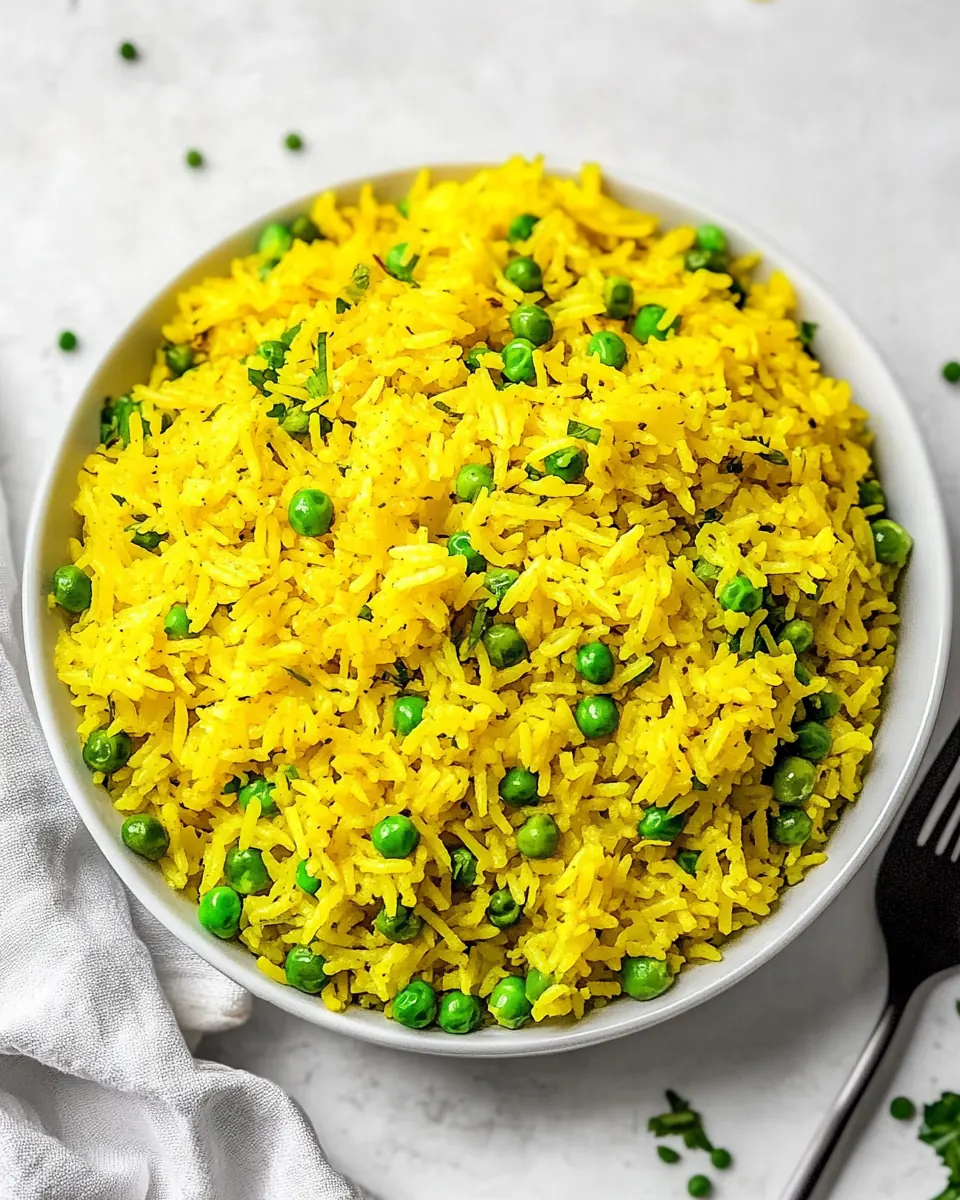
The steam will finish cooking the rice without burning the bottom Then fluff with a fork and enjoy: When you finally lift the lid you will be greeted by a fragrant cloud, and visually the rice should look plump with distinct, glossy grains dotted by bright peas . Use a fork to gently rake through the rice, separating grains with airy, lifting motions rather than mashing. This preserves the light texture and prevents clumping. If you find wet pockets, let it rest uncovered for a minute or two, because trapped steam may need a brief release. Avoid aggressive stirring, which compresses grains and makes the dish heavy instead of light.