If you don't have Greek yogurt, strain plain yogurt for several hours until it thickens. (See photos above for how to do that.): The first sensory clue you notice while straining is a thicker, creamier texture forming in the bowl, and a faint, slightly tangy aroma that becomes more concentrated. Straining is essential because it removes watery whey and yields a silkier mouthfeel, which helps the sauce coat bread and vegetables instead of running off. A common mistake is rushing this step by using unstrained plain yogurt, which results in a thin, watery sauce that lacks body. If you skip straining, the final texture will be loose and the flavor diluted, so give yourself those extra hours in the fridge for a concentrated, luscious base.
Peel cucumbers, then cut in half lengthwise and take a small spoon and scrape out seeds. Discard seeds. (If you use the small seedless or European cucumbers with fewer seeds, you can skip this step.): As you scrape the seeds, you will see clear, watery gel and the pale seeds lift away, leaving firmer cucumber flesh, which looks brighter and more vivid. Removing seeds reduces extra moisture and prevents a soggy final sauce, and it keeps the texture pleasant and slightly crisp. A pitfall here is leaving the seeds in, which can make the sauce feel slimy and overly wet, so be deliberate and thorough with the spoon to ensure you remove most of the moisture filled center.
Slice cucumbers, then put in a colander, sprinkle on 1 T salt, and let stand for 30 minutes to draw out water. Drain well and wipe dry with paper towel.: During this resting period you will notice small pools of liquid collecting below the cucumbers, and the sliced pieces will look slightly translucent as they release moisture. This salting concentrates flavor and prevents dilution of the yogurt , which is crucial for a creamy, stable sauce. One common error is not pressing or draining afterward, leaving excess brine in the cucumber, so make sure to drain thoroughly and pat dry to remove most of that salty liquid before combining with the other ingredients.
In food processor with steel blade, add cucumbers, garlic, lemon juice, dill, and a few grinds of black pepper. Process until well blended, then stir this mixture into the yogurt. Taste before adding any extra salt, then salt if needed.: When you press the cucumber pieces, they will yield little bursts of water and feel lighter in your hand, which signals they are ready. Drying ensures the sauce remains thick and not runny, preserving the textural contrast between creamy yogurt and crisp cucumber . People sometimes skip drying and wind up with a thin sauce, so take a minute to blot well, especially if you strained the yogurt for maximum creaminess.
Place in refrigerator for at least two hours before serving so flavors can blend. (This resting time is very important.): Once you run the processor you will hear a steady whirr and smell the bright citrus and sharp garlic emerge, signaling the flavors are melding. Processing until well blended creates a uniform base that distributes the herb and garlic notes evenly. Avoid over processing into a puree if you prefer some cucumber texture; over blending will produce a smoother, less interesting mouthfeel. A common oversight is pulsing too long, so aim for a few short pulses unless you want a completely smooth texture.
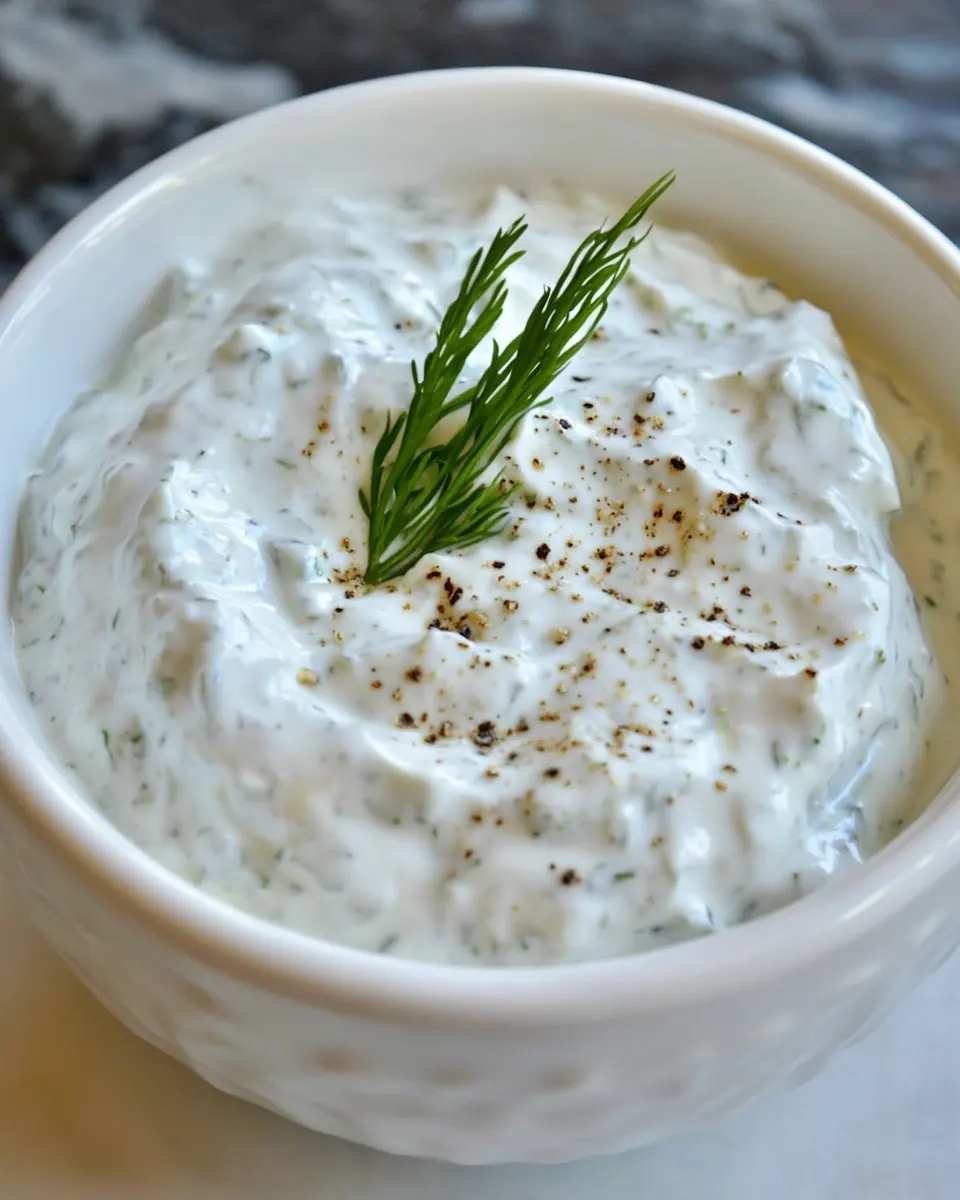
When you're ready to serve, season Tzatziki to taste with salt and fresh-ground black pepper.: When you fold the cucumber mixture into the yogurt , the colors will marry, and the aroma becomes fresher and more layered. Stirring by hand preserves some texture, while fully incorporating ensures every bite has balanced flavor. The 'why' here is that folding integrates moisture gradually so the yogurt remains thick, rather than suddenly thinning out. Avoid dumping everything in at once and over stirring, which can break down the texture; gentle, steady incorporation is best.
This will keep for a few days or more in the refrigerator, but you will need to drain off any water and stir each time you use it.: As you taste the sauce you will notice how the acidity of the lemon and the savor of the garlic play against the creamy yogurt , and you can decide if a touch more salt or pepper will round it out. Seasoning at the end is important because the earlier salting of the cucumbers may have already contributed a fair amount of salt. A misstep is adding salt blindly, which can make the sauce too salty; always taste and adjust incrementally, balancing brightness and seasoning carefully.
Place in refrigerator for at least two hours before serving so flavors can blend.: During chilling, the flavors mellow and meld, and the sauce will smell more rounded and harmonious when you open the container. Resting deepens the connection between the herbal, citrus, and dairy notes, leading to a more cohesive taste. The common error is serving immediately, which leaves the flavors blunt and underdeveloped; patience here yields a more integrated sauce.
When you're ready to serve, season Tzatziki to taste with salt and fresh-ground black pepper.: Right before serving, the final aroma becomes lively again as the cold sauce meets room air, and a last-minute seasoning brightens it. Finishing touches let you correct any slight under seasoning and present the sauce at its best. A typical mistake is over seasoning at this point; add small amounts and taste since chilling can mute flavors slightly, but you want the balance to feel natural and fresh.
This will keep for a few days or more in the refrigerator, but you will need to drain off any water and stir each time you use it.: As it sits, you may observe a thin liquid layer form on top, which is normal and easy to manage by draining and giving the sauce a quick stir to reincorporate solids. This preserves texture and flavor between uses. Neglecting to drain and stir will lead to a watery, separated serving each time, so routinely toss that excess for the best experience.