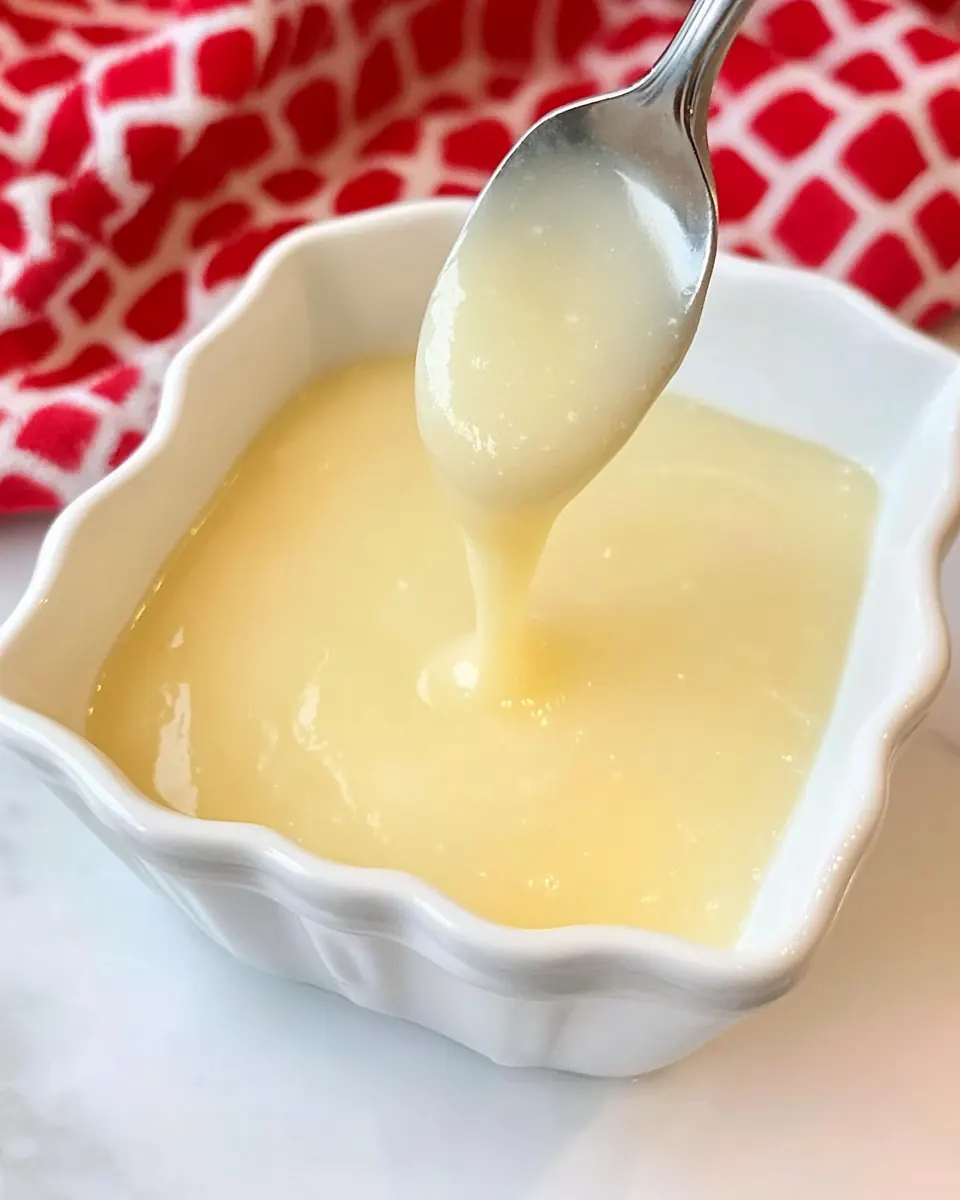
In a bowl, whisk together the egg yolks, sugar, cornstarch and salt. In a medium saucepan bring the milk, heavy cream, and vanilla to a boil, stirring constantly to prevent it from scorching. Whisk 1/2 cup of the hot milk mixture into the egg mixture. Pour this egg mixture into the saucepan, constantly whisking it into the hot milk to prevent clumping. Heat the mixture over medium heat until thickened. Do not let it boil. Strain the vanilla sauce through a fine mesh sieve. Serve immediately or let it cool and store covered in the fridge. Will keep for up to 3 days. Can be served cold or reheated to serve warm. Makes about 2 1/2 cups of Vanillesoße.: The moment you start whisking, the texture changes from grainy to satiny, and you should feel resistance as the egg yolks emulsify with the sugar . This step creates a uniform base so the sauce thickens without streaks of raw yolk. You should notice the mixture lighten in color and become smoother under the whisk. If the sugar feels gritty, keep whisking until it feels creamy to the touch. A common mistake is not breaking up lumps of cornstarch , which can create specks in the finished sauce, so take your time to dissolve everything completely.
In a medium saucepan bring the milk, heavy cream, and vanilla to a boil, stirring constantly to prevent it from scorching: As the liquid warms, steam will rise and the sweet dairy aroma will grow more pronounced, especially if you used a scraped vanilla bean . Stirring prevents a skin from forming and avoids scorching on the bottom, which would impart a burned flavor. Watch for tiny bubbles at the edges signaling it is nearly at a boil, then reduce heat. Overboiling will cause separation or a dull flavor, so remove from heat the moment it reaches a gentle boil at the edges.
Whisk 1/2 cup of the hot milk mixture into the egg mixture: When you add a small amount of the hot liquid, you will feel the temperature of the egg mixture increase and the texture become silkier. This tempering step raises the eggs gently so they do not scramble when returned to the pan. Stir quickly and continuously so heat distributes evenly, and stop once the egg mixture feels warm to the touch. A frequent error is adding too much hot liquid at once, which leads to curdled yolks, so always go slowly here.
Pour this egg mixture into the saucepan, constantly whisking it into the hot milk to prevent clumping: Once combined, you will notice the pan’s sound shift to a softer simmer, and the mixture will begin to thicken as the proteins set. Continuous whisking keeps everything smooth and prevents ribbons of cooked egg from forming. Keep the heat at medium, and if you sense the mixture grabbing or bubbling aggressively, lower the stove slightly. If lumps appear, remove from heat and whisk vigorously to reincorporate, then return to low heat.
Heat the mixture over medium heat until thickened: As the sauce cooks, it will transform from runny to spoon coating, leaving a trail that holds briefly on the back of a spoon. The scent becomes fuller and more caramel like, but you must not let it boil because boiling can break the emulsion and ruin the texture. Stir in steady figure eights and watch for the first signs of thickening, typically a slow cling to the whisk. If it thickens too fast, lower the heat and keep whisking; rushing this step risks a grainy mouthfeel.
Do not let it boil: Maintaining a gentle heat protects the glossy finish and prevents curdling, which would create an undesirable texture. Keep the pan at a soft simmer, and if you see vigorous bubbling, immediately reduce the heat. The sauce should glisten and move slowly under the whisk, not bubble violently. A common oversight is walking away during this sensitive period, so stay attentive until it reaches the proper viscosity.
Strain the vanilla sauce through a fine mesh sieve: Straining smooths out any inadvertent bits of cooked egg or vanilla bean residue, yielding a pristine texture and a clean mouthfeel. You will see any tiny curdled fragments left behind in the sieve, which confirms the importance of this step. Use a ladle to coax the sauce through and scrape the underside of the sieve with a spatula. If you skip straining, small imperfections may remain, which is an easy avoidable flaw.
Serve immediately or let it cool and store covered in the fridge: When hot, the sauce feels satiny and aromatic, perfect for pouring over warm desserts. If you cool it, cover with plastic pressed to the surface to prevent skin formation, and chill until needed. The texture will tighten slightly in the refrigerator, but gently reheating stirs it back to silkiness. One pitfall is reheating too fast on high heat, which can cause separation, so warm gently over low heat while stirring.
Will keep for up to 3 days: Stored properly, the sauce retains its flavor for several days in the fridge, allowing you to plan ahead for gatherings. Over time the vanilla aroma may mellow, but reheating and a brief whisk can revive the scent and texture. If it thickens too much in the cold, stir in a splash of warm milk to loosen it gently; avoid adding hot liquid abruptly or you risk breaking the emulsion.
Can be served cold or reheated to serve warm: Serving cold showcases a more set, custard like quality, while serving warm emphasizes creaminess and aroma. Whichever you choose, present the sauce in warmed or chilled bowls to maintain the desired temperature longer. Beware of overheating when reheating, and whisk constantly to keep the texture even.
Makes about 2 1/2 cups of Vanillesoße: This yield is perfect for sharing and provides enough to accompany multiple desserts without leftovers going to waste. If you need more, scale ingredients proportionally and pay careful attention to timing since larger volumes heat differently. A common scaling mistake is not adjusting cooking time, which may lead to uneven thickening.