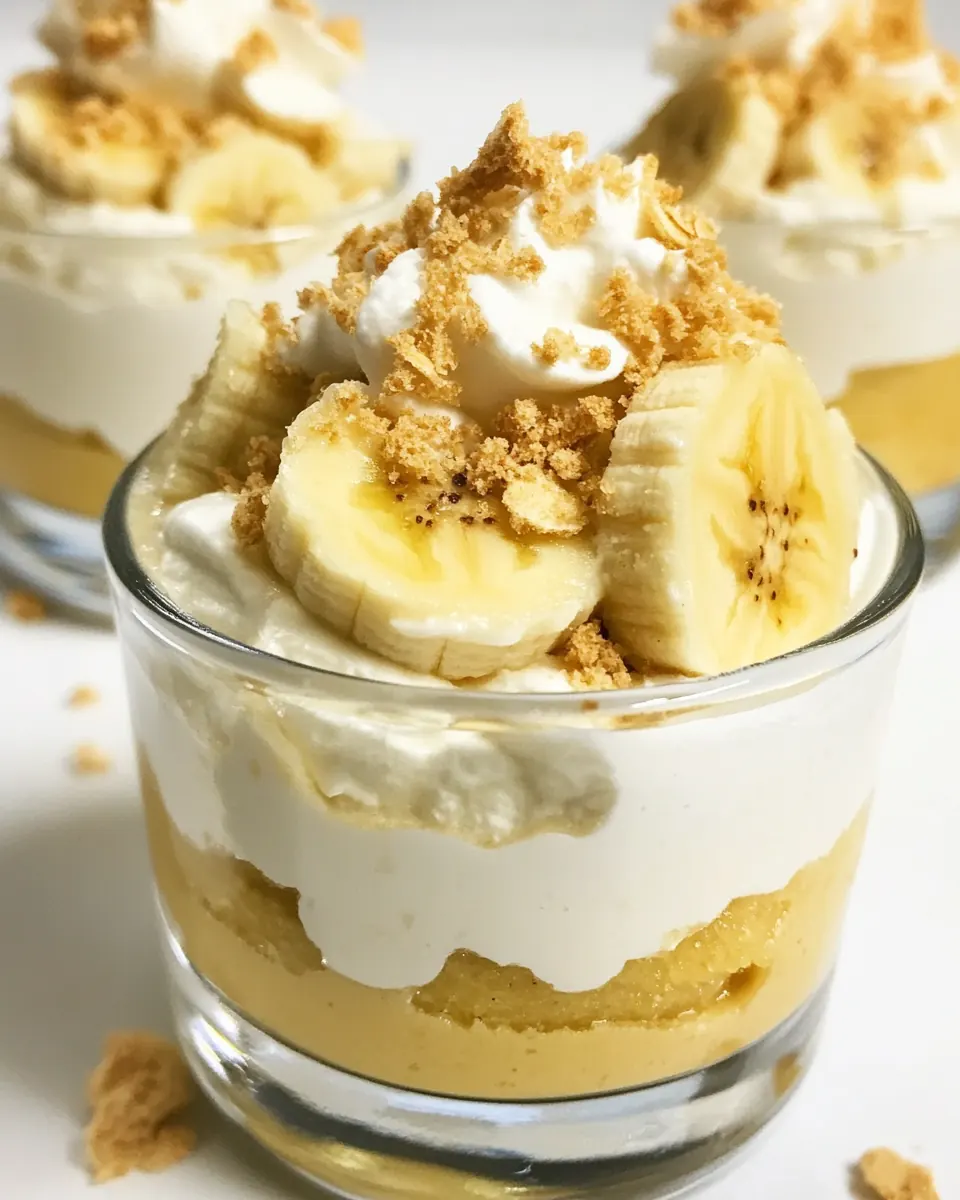
You can also add 2-3 tbsp of peanut butter to turn it into a peanut butter banana pudding. In a small pot over medium heat, combine banana, sweetener, optional ingredients, and 1 cup of the milk of choice. Whisk the remaining 1/4 cup milk with the cornstarch. Once banana mixture is warm, whisk in the cornstarch mixture. Cook on low heat, whisking occasionally, until thick. Turn off heat and stir in vanilla. (If not eating right away, you can take it off the heat before it's thick, let cool, then refrigerate. The pudding will thicken considerably in the fridge.) If a smoother texture is desired, feel free to use a hand blender. Serve hot or cold.: The aroma of roasted peanuts will lift the pudding immediately, adding a savory balance to the sweetness, and the texture becomes silkier and denser. If you choose this route, stir in natural peanut butter until smooth, and watch for oil separation; whisk vigorously if it looks like it is separating. Common mistake, adding too much makes the pudding pasty, so start with two tablespoons and taste before adding more.
In a small pot over medium heat, combine banana, sweetener, optional ingredients, and 1 cup of the milk of choice: You will notice the mixture begin to steam and the banana aroma will intensify as the sugars warm. The sound is gentle simmering, not a boil, and visually the mash loosens and integrates into the liquid. Use medium heat to coax flavor without scorching, and stir frequently to prevent sticking on the pot bottom. A typical pitfall is overheating which can create uneven cooked bits, so keep the heat steady and your spatula moving.
Whisk the remaining 1/4 cup milk with the cornstarch: Whisking creates a smooth slurry that prevents lumps when introduced to the warm mixture, producing a silky texture. You should see no visible granules in the liquid, and it should have a slightly opaque sheen. If you see specks, continue whisking until uniform. Avoid dumping dry starch directly into the hot pot, which commonly causes clumps and an uneven texture.
Once banana mixture is warm, whisk in the cornstarch mixture: Listen for a soft bubbling as the starch hits the warm base, and the mixture will quickly begin to thicken. The pudding will go from loose to noticeably more viscous within a minute or two, and the whisking action keeps it smooth. Keep the heat low as starch thickens—high heat can trigger rapid thickening and lumps. A common misstep is stopping stirring; if you pause, you may end up with cooked pockets around the edges.
Cook on low heat, whisking occasionally, until thick: As it cooks, the pudding loses its raw starch flavor and becomes glossy and creamy. You should see gentle ripple marks when you stir, and the spoon will leave a defined path through the pudding. This step develops body and ensures the starch activates fully for a stable set. Resist the urge to crank heat to speed it up, which leads to graininess; slow and steady yields the best mouthfeel.
Turn off heat and stir in vanilla: Off the heat, the vanilla preserves its aromatic top notes, and stirring it now lets the fragrance bloom without evaporating. The pudding settles visually, and a final stir will smooth any skin that may have formed. A typical error is adding vanilla too early, which dulls its scent in high heat, so always finish with it.
(If not eating right away, you can take it off the heat before it's thick, let cool, then refrigerate: Cooling concentrates the flavors and the pudding will continue to set in the fridge, often becoming firmer than it appears hot. Cover it with plastic touching the surface to prevent a skin, or stir once or twice as it cools. Mistakes include refrigerating without covering, which forms an unappealing film on top.
The pudding will thicken considerably in the fridge: Expect a noticeable shift in texture as the temperature drops, becoming denser and more spoonable. This chilling phase also allows flavors to meld so the banana and vanilla taste more integrated. Avoid over chilling if you want a softer set; let it sit at fridge temperature for the recommended time rather than leaving it overnight if you prefer a silkier result.
If a smoother texture is desired, feel free to use a hand blender: Pureeing with a hand blender removes any small bits and creates a uniform, velvety finish while releasing more banana aroma. Work briefly to avoid aerating too much, which can alter the mouthfeel, and keep the blade submerged to prevent splatter. A common issue is over blending, which can produce a foamier texture, so pulse gently until smooth.
Serve hot or cold: Hot serving highlights the pudding's fresh, warm banana scent and feels comforting, while cold serving emphasizes its set texture and is refreshing. Garnish simply or enjoy plain; both deliver satisfying results. The usual mistake is reheating too quickly in a microwave which can separate the starch, so warm gently if you prefer it hot again.