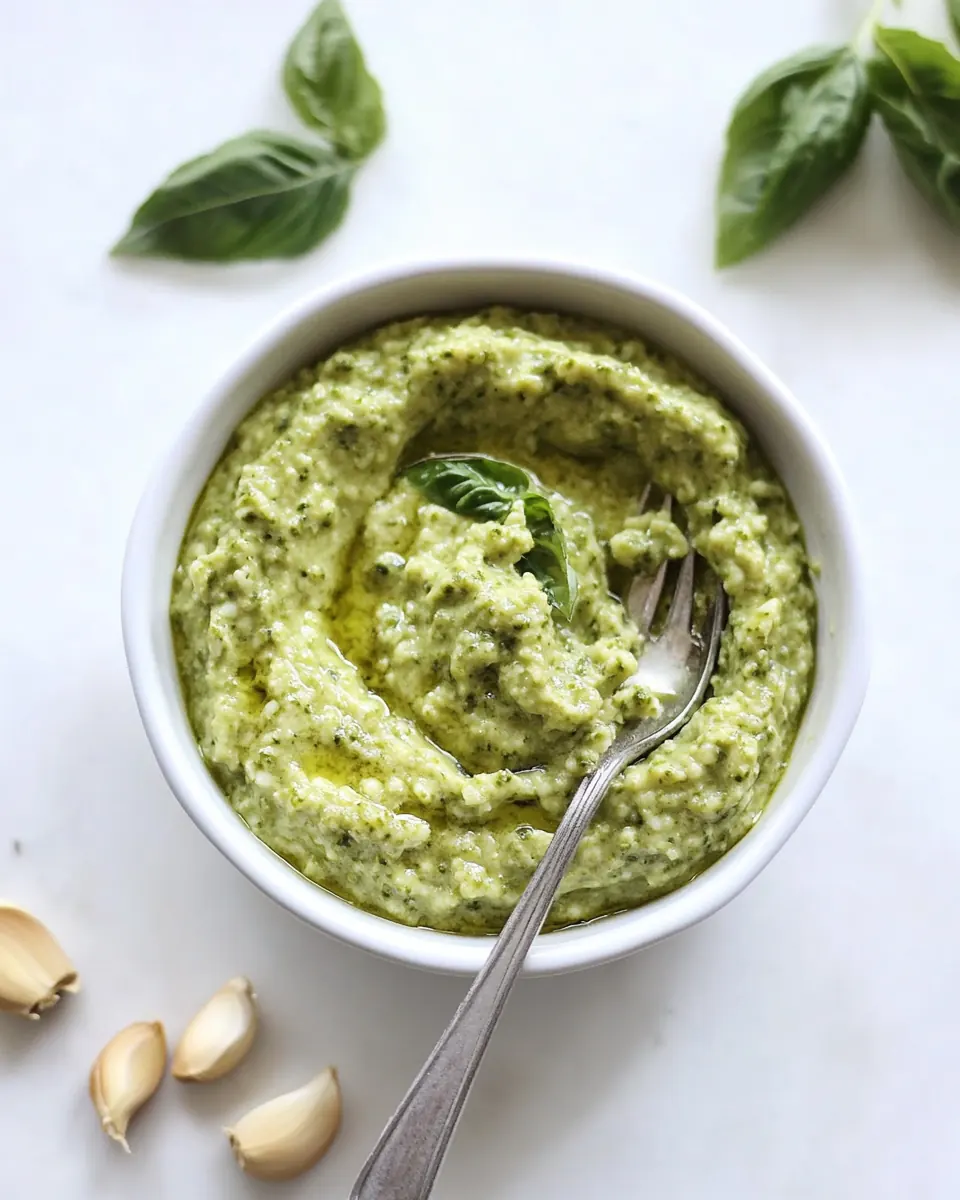
In a blender or food processor, combine the walnuts, basil, garlic, miso, lemon juice, salt, oil, and water. (You can start with only a 1/4 teaspoon of salt, if you are watching your sodium intake.) Blend until very smooth.: The moment these ingredients meet the blade you will notice a burst of green aroma and a nutty perfume. The basil will release volatile oils, creating a fragrant cloud, while the walnuts begin to break down into a creamy base. I like to pulse a few times to break up the nuts first, listening for a change in the sound from a heavy thud to a lighter whir, which signals smaller pieces. This technique prevents the motor from straining and helps achieve an even texture. A typical mistake is running the machine on high immediately, which can overheat the pesto and darken the basil; pulsing and resting briefly avoids that. If your mixture seems too chunky, add a splash more water or a touch more olive oil to coax it together. Watch the color shift from bright to slightly muted as the leaves rupture, and stop blending when you have the texture you like, because overblending can make the sauce too thin.
Taste the mixture, and adjust any seasoning, as needed. You can add more lemon for a tart flavor, or you can dilute with more water for a runnier texture. Serve right away over your favorite pasta, or on pizza, or you can store it in an airtight container in the fridge for up to a week. It will thicken slightly when chilled.: As the blades refine the mixture, the scent grows more integrated, with the tang of lemon juice and the savory lift of white miso rounding the edges. Smoothness comes from patience, and you should scrape the sides with a spatula to ensure everything folds into the center. The ideal texture is cohesive and glossy, not oily or split. If you see a sheen of oil separating, reduce blending time and stir by hand to recombine. One error I often see is adding too much olive oil at once, which can create a greasy mouthfeel, so add it in measured increments while checking consistency.
Taste the mixture, and adjust any seasoning, as needed: Right after blending, the flavors are raw and energetic, which makes it the perfect moment to taste. Use a small spoon and sample a bit on a neutral cracker or a cooked bite of pasta . If it needs brightness, add more lemon juice sparingly; for more savory depth, a smidge more white miso will do. Salt should be balanced, keeping in mind the existing miso and the salt in your pantry. A typical misstep is overcorrecting on acid; add in small increments and taste between additions to avoid a puckered result.
You can add more lemon for a tart flavor, or you can dilute with more water for a runnier texture: Adjusting the final profile is about small moves. If the sauce tastes flat, a teaspoon of lemon juice can lift it; if it is too intense or too thick for tossing, stir in water gradually until the pesto slides smoothly. The texture change is immediate, and you should watch how the sauce clings to a fork to judge readiness. Over diluting will mute flavors, so stop when the sauce just coats the pasta and moves fluidly, not soupy. A common oversight is adding liquid without re-tasting, which can leave the pesto bland.
Serve right away over your favorite pasta, or on pizza, or you can store it in an airtight container in the fridge for up to a week: Fresh pesto is vibrant, and when served immediately it has the brightest aroma and greenest color. Spoon it on hot pasta and toss gently so the heat opens the sauce and helps it adhere. On pizza, add it after baking for a fresh finish. If you plan to store it, press a thin layer of olive oil on top before sealing to preserve color, and expect it to thicken slightly when chilled. Reheat gently by stirring into warm food rather than microwaving, which can dull the flavors. A typical storage mistake is not using an airtight container, which allows oxidation and a loss of brightness; keep it sealed and consume within a week for best quality.