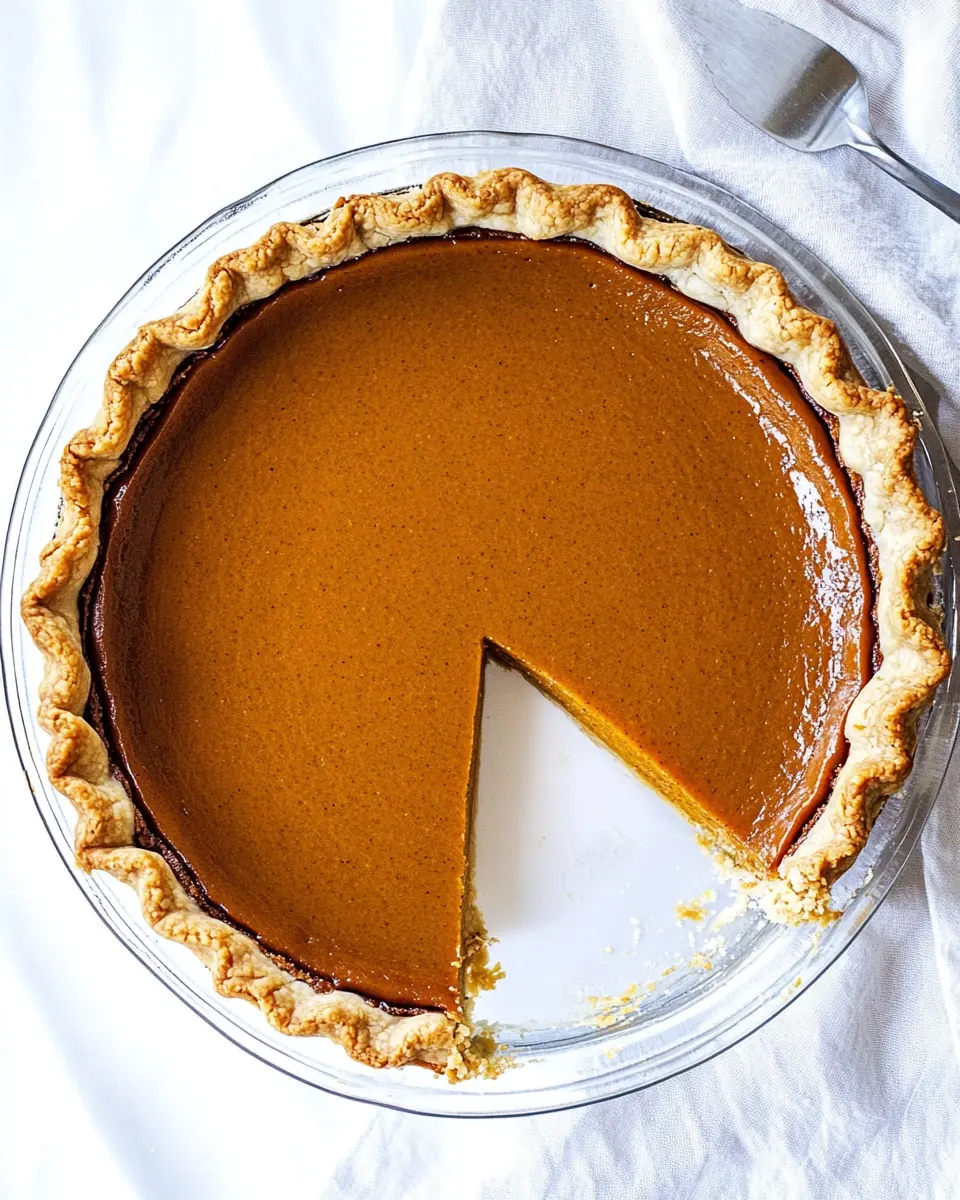
Preheat the oven to 350°F and prepare two pie pans by lining them with the pie crust and crimping the edges.: Warmth from the oven begins the setting process and creates the right environment for even baking. You will notice the kitchen air lift slightly in temperature and a faint hint of that comforting oven smell as it comes up; this small sensory cue signals readiness. Properly crimped edges protect the filling from escaping and give the pies an attractive, even rim. One common mistake is rushing the crust placement which can lead to tears or uneven edges, so press gently and evenly. If edges brown too quickly, shield them with foil halfway through baking to prevent overcoloring.
Add the pumpkin purée, butternut squash purée, brown sugar, cane sugar, salt, cloves, cinnamon, nutmeg, vanilla extract, soy milk, and arrowroot powder to a high-speed blender and blend until smooth.: As you blend, expect the mixture to whirl and thin into a glossy, uniform custard; the sound changes from a rumble to a steady hum as air incorporates and textures homogenize. The aroma will bloom, with spice notes becoming more pronounced and sugar scent rounding the blend. Achieving a perfectly smooth filling matters because it eliminates grainy bits and produces a silkier mouthfeel after baking. A common error is under blending, which leaves lumps and pockets of spice; scrape the sides and blend in short bursts to ensure every ingredient is fully integrated. If your blender gets warm, pause and pulse to avoid overheating and to keep the mixture vibrant.
Divide the pumpkin pie filling between the prepared crusts.: Pouring the filling produces a satisfying visual as the glossy custard settles into each crust like liquid velvet, smoothing to the edges. The sound is minimal, a soft pour and a gentle splash, but visually you can confirm even distribution by the level of filling in each pie pan. Getting an equal fill ensures uniform bake times and consistent centers. Avoid overfilling, which can cause spill over and uneven baking, and if you have extra filling, reserve it for a ramekin bake to test doneness. Level each pie with a spatula for tidy presentation and to prevent high center peaks that may brown differently.
Bake the pumpkin pies for 50 minutes or until set in the center but still lightly wobbly.: During baking you will watch the edges deepen in color and notice a gentle aroma of spices drifting from the oven. The surface should look matte and slightly puffed, and a small jiggle in the center is the key indicator of doneness, as the pies will continue to set while cooling. This technique matters because an overbaked filling becomes dry and cracked, whereas the ideal slight wobble yields a creamy, sliceable texture after chilling. A typical mistake is relying on a toothpick test that can mislead, so use the visual wobble cue. If the crust browns too fast, tent with foil to prevent burning while the center finishes baking.
Remove the pies from the oven to let them cool at room temperature for at least 30 minutes. Transfer them to the fridge and chill for 6 hours to overnight until cold and fully set.: As the pies rest, you will see steam dissipate and the filling gently descend and firm. The scent mellows and the surface texture becomes smoother, signaling the custard bonding process. Cooling at room temperature prevents thermal shock and reduces the chance of cracking. A frequent misstep is moving pies to the fridge immediately, which can trap warmth and create condensation; allow the pies to settle before chilling. Use this time to tidy the kitchen and prepare containers for refrigeration.
Transfer them to the fridge and chill for 6 hours to overnight until cold and fully set: Chilling finalizes the structure and deepens flavor as the spices and sugars integrate. The texture transforms from a warm, tender custard to a firm, sliceable pie with a clean cut. For best results, chill on a level shelf to keep the pies even, and leave them uncovered initially to prevent excess moisture, then cover once fully cool. A common mistake is slicing too early, which yields sloppy slices and a softer mouthfeel; patience here ensures neat portions and intensified flavor. When ready, remove the pies about 20 minutes before serving for easier slicing if you prefer a slightly less chilled experience.