Go Back
Vegetarian Chili

Vegetarian Chili

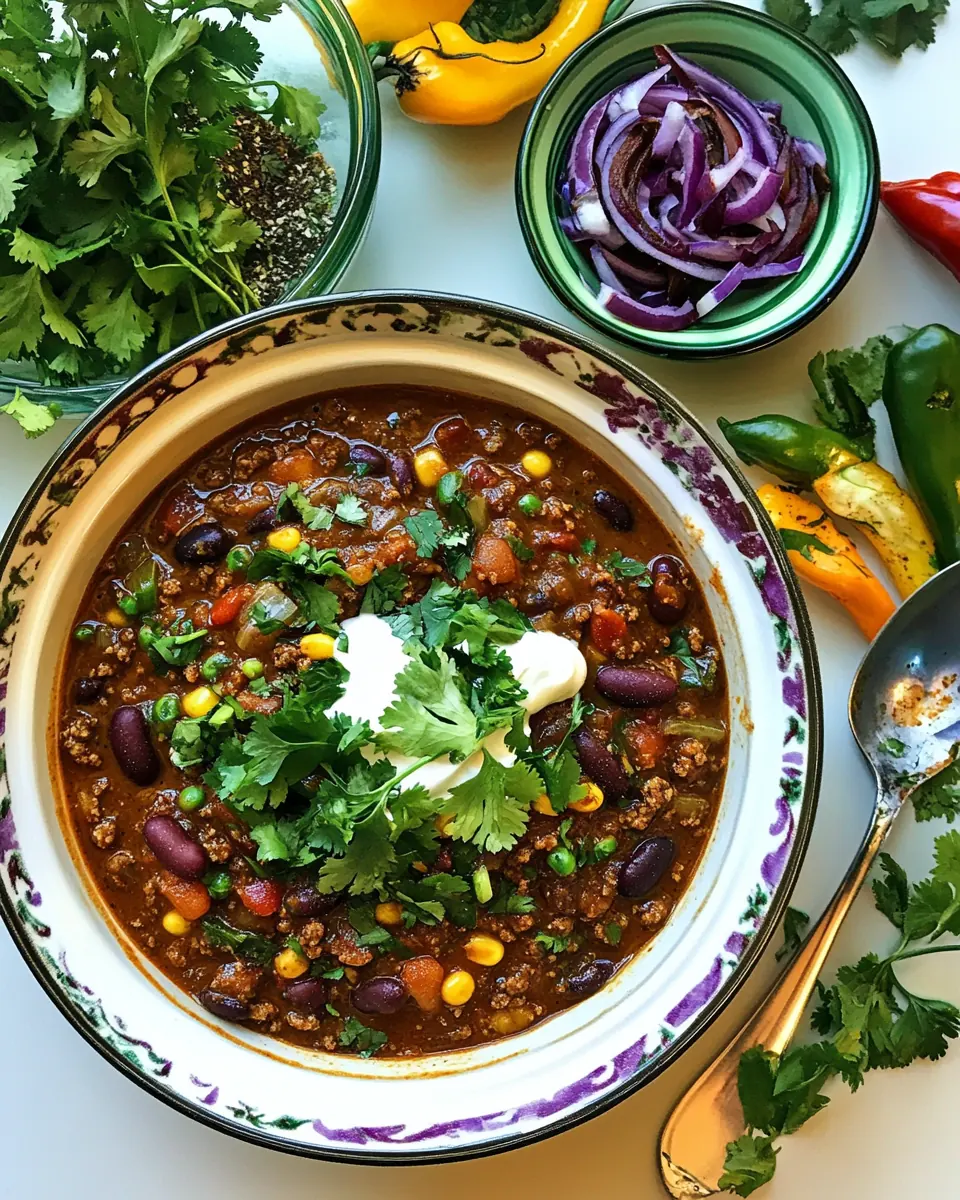
Vegetarian Chili is a hearty, flavorful bowl with smoky plant based crumbles, bright pineapple salsa, and layered spices. This easy weeknight dinner doubles as a party friendly chili bar, offering creamy, crunchy, and tangy elements that satisfy a crowd. Make it for casual gatherings or cozy fall nights for a memorable, customizable meal.
Prep Time 10 minutes
Cook Time 30 minutes
Total Time 40 minutes
Servings: 6 servings
Course: Dinner
Cuisine: American
Calories: 250

Ingredients
  

  • 2 tablespoons neutral tasting oil Heat neutral tasting oil to provide a high-heat cooking medium that prevents sticking and helps bloom spices; it carries flavors without overpowering other ingredients. Use it at the start of sautéing to soften aromatics and develop the base of the chili. It also gives the dish a smooth mouthfeel and helps distribute heat evenly across the pan.
  • 2 onions finely diced Finely dice onions to release natural sugars and aromatic compounds that form the savory backbone of the chili. Sauté until translucent or browned to add depth and sweetness to the overall flavor profile. Properly cooked onions meld with spices and other components to create a cohesive and layered base.
  • 2 chilli peppers sliced (optional for extra heat) Slice chilli peppers to introduce fresh, bright heat and a vegetal note that complements cooked spices; keep seeds for more intensity or remove for milder heat. Add them early in cooking to infuse the oil and other aromatics with capsaicin. They contribute complexity and can be adjusted to suit spice tolerance.
  • 6 cloves garlic minced Mince garlic to distribute its pungent, aromatic flavor evenly throughout the chili and to quickly release essential oils during cooking. Add garlic toward the end of the sautéing stage to avoid bitterness from overcooking while maximizing its savory impact. Garlic brightens and deepens the overall flavor, tying together vegetables and spices.
  • 2 tablespoons cilantro leaves minced Mince cilantro leaves to add a fresh, herby brightness and citrusy lift that contrasts rich, spicy elements in the chili. Stir in toward the end or use as a garnish to preserve vibrant color and flavor. Cilantro also refreshes the palate and balances smoky or heavy components.
  • 1/2 teaspoon oregano Use oregano as a dried herb to impart earthy, slightly floral Mediterranean notes that enhance the chili’s savory complexity. Add early in cooking so its flavors integrate with tomatoes and beans. Oregano supports other herbs and spices without overwhelming them.
  • 1/8 teaspoon cumin Use cumin sparingly to provide warm, earthy, and slightly nutty undertones that anchor many chili recipes; it pairs well with chili powder and oregano. Toast briefly in oil to awaken its aroma before adding other liquids. Cumin helps create the characteristic savory-spicy backbone of the dish.
  • 1 teaspoon chilli powder Use chilli powder to introduce a blended heat and smoky, mildly sweet chili flavor that defines the chili’s profile. Add it during sautéing to bloom its flavors in oil and meld with other spices. It contributes color, warmth, and a recognizable chili character.
  • 1 bag MorningStar Farms® Chipotle Black Bean Crumbles frozen Thaw and crumble MorningStar Farms® Chipotle Black Bean Crumbles to add plant-based texture and smoky black bean flavor while keeping the dish vegetarian. Brown them in the pan to develop savory depth and ensure they absorb surrounding seasonings. They provide protein-like substance and a meaty mouthfeel without animal products.
  • 1 bag MorningStar Farms® Grillers Crumbles frozen Thaw and crumble MorningStar Farms® Grillers Crumbles to contribute hearty, burger-like texture and savory notes that mimic ground meat. Sauté until they pick up color and spice to enhance the chili’s robustness. These crumbles increase bulk and protein content while maintaining a vegetarian profile.
  • 1/4 teaspoon salt Add salt to season and balance sweetness, acidity, and spice while enhancing the overall flavors of the chili. Sprinkle gradually and taste as you cook to avoid over-salting, adjusting at the end if needed. Salt also helps draw moisture from vegetables and assists in flavor extraction.
  • 1/2 teaspoon oregano Incorporate additional oregano to reinforce earthy, herbal notes and maintain consistent seasoning throughout longer simmering periods. Add at stages where dried herbs can infuse the sauce without losing their character. Reiterating oregano helps sustain herbal presence after reductions.
  • pinch cumin Add a pinch of cumin late in seasoning to subtly boost warm, earthy depth without overpowering other flavors. Use it to fine-tune the spice layering after main cumin additions have melded. Small amounts can harmonize disparate elements and add nuance.
  • 1 teaspoon chilli powder Add a teaspoon of chilli powder to strengthen the dish’s warm, smoky heat and unify the spice profile across batches. Use this addition at a midway point to layer intensity and ensure consistent chili flavor. It helps balance acidity from tomatoes and sweetness from other components.
  • 3 cups diced tomatoes and their juices use crushed for a smoother chilli without chunks of tomatoes Add diced tomatoes with juices to provide bright acidity, body, and tomato-forward flavor that forms the stew-like base of the chili; use crushed for a smoother texture if preferred. Simmer them to reduce and concentrate flavors while allowing spices to infuse. Tomatoes also contribute liquid and umami, helping meld all ingredients.
  • 1/2 cup tomato paste Stir in tomato paste to deepen tomato flavor, add viscosity, and create a rich, concentrated umami backbone that thickens the chili. Brown the paste slightly in oil first to develop a caramelized complexity before adding liquids. It intensifies color and gives a robust mouthfeel to the sauce.
  • 1 cup corn Add corn to contribute bursts of natural sweetness, color, and crisp texture contrast against softer beans and crumbles. Stir in during later simmering or near the end if using fresh or thawed to preserve bite. Corn also complements the chili’s smoky and spicy elements.
  • 1 cup black beans canned (rinsed and drained) Add canned black beans (rinsed and drained) to provide creamy texture, protein, and fiber while absorbing surrounding flavors. Stir them in during simmering to heat through without breaking apart, unless a creamier texture is desired by smashing some. Beans increase heartiness and make the chili more filling.
  • 1 teaspoon chilli powder Use another teaspoon of chilli powder to maintain uniform heat and smoky complexity throughout the pot, especially in larger batches. Layering spices at different points ensures sustained flavor rather than a single burst. This addition reinforces the chili’s characteristic taste.
  • 1 teaspoon oregano Add another teaspoon of oregano to fortify herbal notes across the simmering chili and keep an even herb presence after reductions. Multiple additions help the oregano remain noticeable without dominating any single stage. It blends with other dried herbs to support savory depth.
  • pinch cumin Include a pinch of cumin at this stage to subtly refresh the warm, earthy undertone and round out the seasoning profile. Small finishes of cumin can make the overall spice mix feel cohesive and complete. This technique helps integrate flavors before final adjustments.
  • 1/2 cup minced cilantro leaves Add minced cilantro leaves to infuse fresh, citrusy herbaceousness that brightens the chili just before serving; reserve some for garnish if desired. Stir gently to distribute without losing vibrancy or color. The herb offsets heavy flavors and adds a lively top note.
  • 1 pineapple cored and finely diced to about 3 cups of pineapple chunks Dice pineapple to introduce sweet-tart, tropical juiciness that contrasts smoky, spicy elements and adds surprising brightness. Fold in during final stages so the fruit retains some texture and retains fresh flavor. Pineapple balances heat and can create a lively flavor interplay in the chili.
  • 2 jalapeños minced (more or less to taste) Mince jalapeños to add fresh, green heat and a vegetal kick that can be adjusted for desired spice level by removing seeds. Add early to mellow or add late for sharper, brighter heat as a finishing accent. Jalapeños complement other chiles and contribute crispness when used fresh.
  • 2 tablespoons minced red onions Minced red onions provide sharp, slightly sweet pungency and colorful contrast when used as a garnish or in a fresh salsa accompaniment. Scatter over finished bowls to add crunch and a lively bite that contrasts the cooked chili. Their raw intensity brightens spoonfuls and adds textural variety.
  • juice of 1 large lime Squeeze lime juice to add bright acidity and a citrus lift that balances richness, cuts through fat, and enhances overall flavors. Stir in just before serving to preserve its fresh tang and aroma. Lime juice elevates other seasonings and refreshes the palate.
  • 1 teaspoon salt Add a teaspoon of salt for final seasoning adjustments to bring all flavors into balance and enhance perceived sweetness and acidity. Taste before adding to ensure proper seasoning level, adjusting gradually. Final salt helps unify the dish after reductions and additions.
  • 2 tablespoons minced cilantro Use minced cilantro to add fresh herbal brightness as a garnish or finishing component; its citrusy notes cut through spicy, smoky layers. Sprinkle over individual servings to maintain color and aroma. Fresh cilantro provides a lively contrast to cooked elements.
  • 2 tablespoons olive oil Heat olive oil to finish or dress components, offering a fruity, familiar fat that can be drizzled for richness and sheen. Use it for sautéing or as a finishing oil to carry flavors and provide mouth-coating texture. Olive oil also complements fresh herbs and garnishes.
  • finely diced onions Finely dice onions to offer crisp, raw bite when used as a topping or in salsas, contributing sharpness and textural contrast. Use as a garnish to bring a fresh, pungent element that lifts spoonfuls of chili. Raw diced onions provide crunch and a bright onion flavor.
  • sliced avocados Slice avocados to add creamy, buttery texture and cooling richness that mellows spicy heat and enhances mouthfeel. Arrange slices on top of each serving to provide a smooth contrast to chunky chili components. Avocado also adds healthy fats and a mild, comforting flavor.
  • selection of baby tomatoes Select baby tomatoes to provide sweet, juicy bursts of freshness and acidity that contrast rich, savory chili and enliven each bite. Halve or leave whole as a colorful garnish to add texture and a palate-cleansing element. Their natural sugars help balance spicier notes.
  • chopped cilantro Chop cilantro to use as a finishing herb that imparts vibrant, citrusy-green aroma and bright flavor to finished bowls. Sprinkle generously for visual appeal and a fresh contrast to cooked elements. Chopped cilantro refreshes the palate and ties together other toppings.
  • scallions chopped Chop scallions to introduce mild oniony flavor and colorful green garnish that complements both hot and fresh components. Scatter over servings for crispness and a subtle sharpness without overpowering other flavors. Scallions add visual appeal and light aromatic lift.
  • sour cream Spoon sour cream to add cool, tangy creaminess that tempers heat, enriches texture, and provides a silky counterpoint to spicy chili. Dollop on top of bowls to allow diners to control creaminess and spiciness. Sour cream also adds a pleasant tang that balances richness.
  • shredded cheddar cheese Shred cheddar cheese to introduce sharp, melty richness that adds savory depth and a satisfying gooey texture when sprinkled on hot chili. Allow it to melt slightly into the dish for indulgent flavor and added umami. Cheddar complements beans and tomatoes with creamy saltiness.
  • assorted corn chips Offer assorted corn chips to provide crunchy, salty texture and scoopable support for chili, allowing for interactive eating and added contrast. Serve on the side or crushed over bowls to create a layered experience of crunch and creaminess. Chips also add corn flavor and a casual presentation.
  • sliced jalapeños Slice jalapeños to provide fresh, pickled-like heat and crispness as a garnish, enabling diners to control spice intensity. Use raw for bright, sharp heat or sliced pickled for tangy contrast. Sliced jalapeños add visual punch and customizable heat to each serving.
  • Pineapple salsa recipe above Use pineapple salsa recipe above as a suggested prepared condiment that delivers sweet, tangy, and spicy notes to accompany the chili; it brings complementary tropical flavors and textural contrast. Serve alongside or spoon on top to introduce bright acidity and sweetness. The salsa enhances complexity and offers a fresh counterpoint to the cooked chili.

Equipment

  • Large Pot
  • Cutting Board
  • Sharp knife
  • Melon baller

Method
 

  1. In a large pot over medium-high heat, add the oil, onions, chili peppers if using, garlic, cilantro, and seasonings. Sauté that for about 5 minutes until the onions are soft and translucent.: Warmth blooms from the pan as the neutral tasting oil shimmers, carrying the scent of softened onions and toasty spices across the kitchen. You'll hear a steady, gentle sizzle as pieces move in the pan, and the visual cue is a glossy, translucent turn in the onions . This stage is crucial because it establishes a flavor foundation, enabling the spices to bloom and the garlic to release its fragrance without burning. Stir frequently to ensure even softening, and watch the heat, because a pan that is too hot will brown the aromatics too quickly and create bitter notes. If the garlic starts to brown, lower the heat and deglaze with a splash of water or a bit more oil to prevent scorch. A common mistake is rushing this step, which results in harsh raw onion flavor rather than the mellow sweetness you're aiming for.
  2. In a large pot over medium-high heat, add the oil, onions, chili peppers if using, garlic, cilantro, and seasonings. Sauté that for about 5 minutes until the onions are soft and translucent.: As the crumbles hit the warm pot, they begin to release a savory, almost toasted scent, and you may hear a new, livelier sizzle as excess moisture evaporates. The goal here is to give the crumbles a hint of caramelized edge so they mimic a browned, meaty texture. This brief sauté allows them to absorb the surrounding flavors, and you'll notice their color deepening slightly, which indicates successful browning. Keep the pieces moving to avoid steaming them into a soggy mass. A frequent oversight is adding too many crumbles at once, which drops the pan temperature and prevents browning, so add manageable amounts and let the pan regain heat between additions.
  3. Add the MorningStar Farms® bags, seasonings and sauté for an extra couple of minutes.: When the tomatoes , corn , and black beans join the pot, the aroma shifts to a rich, tangy tomato base with sweet corn highlights. As the mixture warms toward a boil you will see steam rising and bubbles forming around the edges, a sign the cooking process is pulling flavors together. Lowering to a gentle simmer and covering the pot concentrates flavors and allows the dried spices to mellow into the sauce. During this slow phase you should notice the sauce thickening and the scent deepening into savory, slightly sweet notes. Stir occasionally to prevent sticking, and if the chili becomes too thick add small amounts of water or broth to reach your preferred consistency. A typical error is letting the pot boil hard, which can break down textures and evaporate too much liquid. Just a gentle simmer is perfect for merging flavors without sacrificing body. At the end, fold in the remaining minced cilantro to introduce brightness, then turn off the heat and prepare for serving.
  4. Add in the tomatoes, corn, beans, seasoning and bring the chili to a boil. Then cover the pot of chili and let it cook for at least 30 minutes on low heat to infuse all the flavors together. Once the chili is ready, add in the cilantro, turn off the heat and serve!: Working with a fresh pineapple fills the air with a sharp sweet fragrance that contrasts beautifully with the savory pot. The tactile action of slicing and scooping creates a satisfying rhythm, and the goal is to preserve the shells if you plan to serve salsa in them. Use a sharp paring knife and steady motions to follow the curve, keeping a half inch border so the bowl holds the salsa. The melon baller scoops yield jewel like pieces and a bit of juice that will mingle into your salsa bowl. Take care not to remove too much flesh from the shell walls, or they may become fragile. A common slip is working too quickly and slipping with the knife, so take your time and steady the fruit on a cutting board to ensure safety.
  5. Add in the tomatoes, corn, beans, seasoning and bring the chili to a boil. Then cover the pot of chili and let it cook for at least 30 minutes on low heat to infuse all the flavors together. Once the chili is ready, add in the cilantro, turn off the heat and serve!: Finely diced pineapple creates compact pieces that sit well on a spoon and blend with minced jalapeños and red onions for even flavor distribution. As you mix, you will notice the juices from the pineapple begin to coat the other ingredients, softening the sharpness of the onion and warming the heat of the jalapeños . Stir gently so the ingredients remain distinct while marrying their flavors. Spoon the finished salsa back into the reserved shells for a rustic, eye catching presentation. If your salsa becomes too watery, drain a little of the excess juice; conversely, if it seems dry, a squeeze of lime juice will liven it up. Avoid over chopping, which can create a pulpy texture rather than bright, defined bites.
  6. Make the pineapple salsa in the meantime, slice a whole pineapple in half and use a paring knife to go around the borders of each half pineapple. Leave about half an inch border as you go. Then grab a melon baller and scoop out as much of the pineapple as possible.: The final moment is about assembly and sensory payoff, as steaming bowls meet cool, colorful salsa and an array of garnishes. Arrange bowls and topping options so guests can personalize—from creamy sour cream to shredded cheddar cheese , sliced avocados , and crunchy corn chips . The contrast of hot and cool, soft and crisp, sweet and spicy is what makes each spoonful memorable. Keep an eye out for overly salty elements among toppings, and remind guests to taste before adding. A typical hosting mistake is crowding the serving area, so give space for comfortable topping and plating. Relax and enjoy the communal atmosphere as people build their perfect bowls.
Notes

  • Toast spices in oil: Briefly toasting the chilli powder and cumin in hot oil releases essential oils and deepens flavor, making the overall chili more aromatic and integrated.
  • Manage heat levels: Keep jalapeños and sliced chilli peppers optional and provide seeds on the side so guests can control spiciness by adding or removing seeds.
  • Thicken without overcooking: If your chili seems thin after simmering, remove the lid and simmer uncovered for a short time to reduce liquid and concentrate flavors without losing texture.
  • Use a mix of crumbles: Combining the Chipotle Black Bean and Grillers crumbles gives contrasting textures and a fuller savory profile than using just one type.
  • Keep toppings separate: Arrange toppings in individual bowls so guests can build bowls to preference, and replace items as they get low to keep presentation fresh.
  • Make ahead tip: The chili often tastes better the next day after flavors have melded, so consider making it a day ahead and reheating gently, adding fresh cilantro and salsa just before serving.