Go Back
Venison Chili

Venison Chili

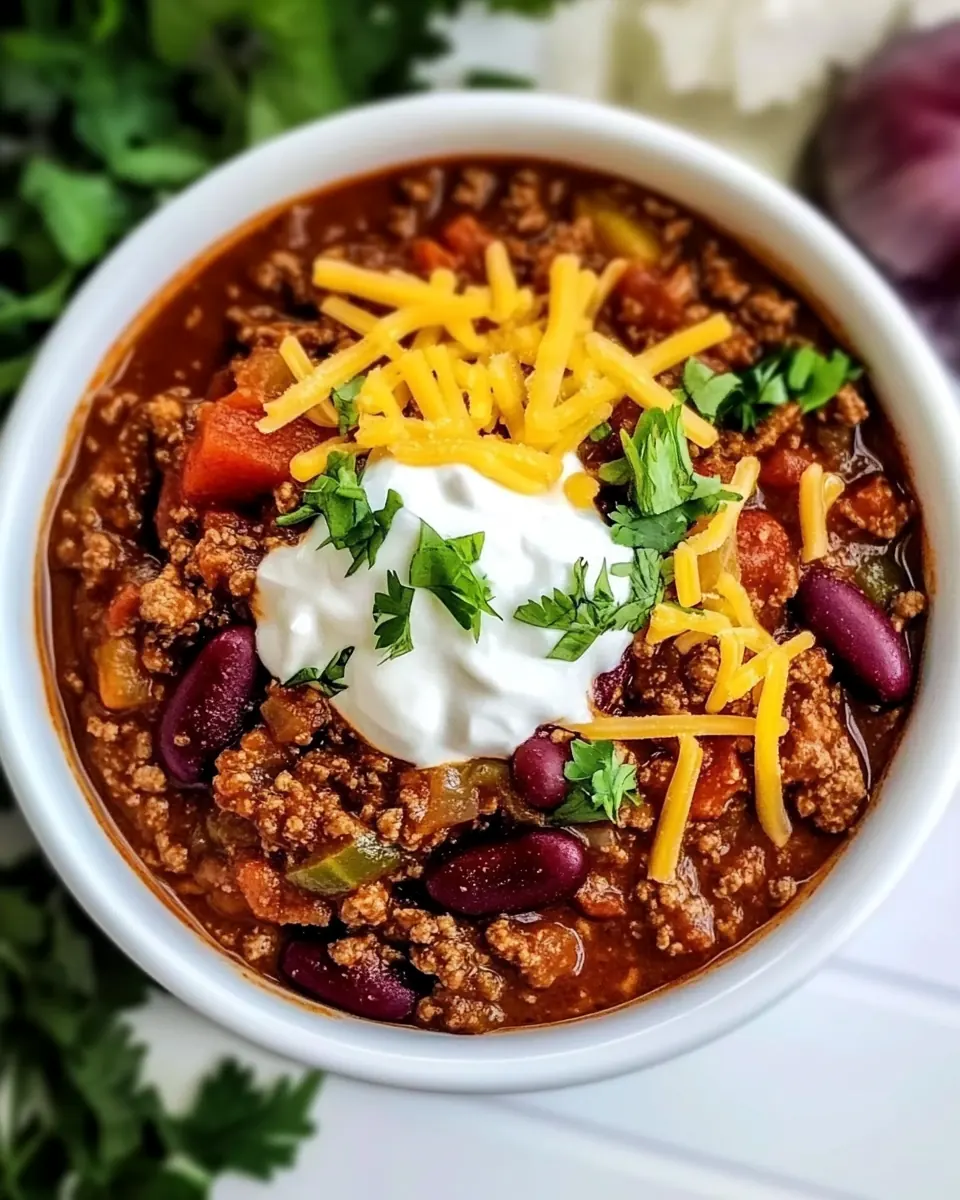
Venison Chili offers a rich, earthy bowl with lean ground venison, warm spices, and hearty beans. This easy weeknight dinner is savory, comforting, and meal prep friendly, delivering deep flavor with minimal fuss. Make it for chilly evenings or batch cooking, the blend of tomatoes and spices ensures every bite feels satisfying and robust.
Prep Time 3 minutes
Cook Time 27 minutes
Total Time 30 minutes
Servings: 8 servings
Course: Dinner
Cuisine: American
Calories: 350

Ingredients
  

  • 1 tablespoon olive oil Heat and flavor the pan while preventing sticking; provides a medium for sautéing and a mild fruity note that complements other aromatics. Use at the start to soften vegetables and bloom spices, contributing to the chili’s overall mouthfeel. Choose extra-virgin for stronger flavor or regular olive oil for neutral cooking.
  • 1 large yellow onion chopped Add savory sweetness and body when chopped; softens and caramelizes to build a rich flavor base for the chili. Sauté until translucent to release natural sugars that balance acidity from tomatoes and spices. Provides texture contrasts and depth to the finished dish.
  • 3 cloves garlic minced Supply pungent, aromatic heat and umami when minced; disperses evenly to season meat and sauce. Sauté briefly to mellow harsh rawness and unlock complex savory compounds. Enhances overall aroma and pairs well with tomato paste and spices.
  • 2 tablespoons tomato paste Concentrate tomato flavor and thicken the sauce while adding a slightly sweet, tangy backbone. Cook briefly with aromatics to caramelize and deepen its profile, intensifying the chili’s tomato presence. Helps bind spices and enriches the sauce’s color and body.
  • 1 1/2 pounds ground venison Provide a lean, gamey protein base that takes on spices and liquid flavors well; crumbles and browns quickly for even cooking. Add early to develop a browned crust for Maillard flavors before simmering with tomatoes and beans. Adjust cooking time to avoid overcooking and drying out the meat.
  • 1 1/2 tablespoons taco seasoning Impart a bold, savory blend of chili, cumin, and other spices to give the chili a Tex-Mex character. Sprinkle during browning to evenly coat the meat and release aromatic oils, building layered seasoning. Adjust amount to control spice intensity and regional flavor profile.
  • 1 teaspoon Italian seasoning Offer a herbal, aromatic note that brightens and balances the heavier spices; adds oregano, basil-like tones typical of Italian blends. Stir in during cooking to infuse the chili with subtle savory complexity without overpowering other seasonings. Works well in small amounts to complement tomato components.
  • 1 teaspoon cumin Provide warm, earthy depth with slight citrus and peppery undertones that enhance chili complexity. Add early to bloom in oil and marry with other spices, reinforcing the overall savory profile. Helps round out flavors and pairs naturally with cumin-forward recipes.
  • 1/2 teaspoons smoked paprika Contribute smoky sweetness and mild heat to elevate the chili’s flavor profile; adds a hint of barbecue-like aroma. Use sparingly to avoid overwhelming the dish, especially when combined with cumin and chili powder. Enhances perceived depth and complexity.
  • 1/2 teaspoons salt Season the dish to enhance and balance flavors without masking primary ingredients; controls overall taste perception. Add gradually and taste as you cook to avoid over-salting, especially if using canned tomatoes or beans. Supports the savory elements and rounds the palate.
  • 1/2 teaspoon pepper Add subtle heat and sharpness to sharpen and balance flavors while complementing salt and herbs. Grind in or measure precisely to avoid overpowering other spices, tasting as you go. Helps clarify flavors and finishes the seasoning profile.
  • 28 ounces diced tomatoes canned Supply acidic, bright tomato chunks and cooking liquid that form the chili’s saucy foundation and add umami. Simmer with meat and spices to meld flavors and create a cohesive sauce, using their acidity to balance richness. Choose diced tomatoes with juices for texture and body.
  • 15 ounces kidney beans canned Introduce creamy texture, protein, and fiber while absorbing surrounding flavors to bulk up the chili. Rinse or use with liquid as desired, then add during simmering to warm through and meld with spices. Provides hearty mouthfeel and nutritional balance to the dish.
  • 1/2 teaspoon chili powder optional Offer adjustable heat and depth when desired; adds classic chili flavor with gentle warmth and aromatic notes. Stir in toward the end of cooking to fine-tune spiciness, remembering it’s optional based on personal preference. Enhances overall chili authenticity when used.

Equipment

  • Large pot or Dutch oven
  • Wooden Spoon

Method
 

  1. Add the oil to a large pot or Dutch oven and place over medium-high heat. Add the onion and garlic and cook until fragrant. Stir through the tomato paste.: When the oil shimmers faintly, the scent of sautéing onion and garlic will fill the kitchen, signaling that the base is forming. You should hear a gentle sizzle and see the edges of the onion turn translucent, with small flecks of golden color forming, which indicates natural sugars are releasing. Stirring in the tomato paste lets it bloom in the oil, turning a deeper, glossy red and giving off a sweeter, toasted aroma. This step is crucial because it creates a caramelized backbone that the rest of the chili rides on. If you rush by using high heat, the aromatics can brown too fast or burn, producing bitter notes. If the pan seems too dry during this stage, lower the heat and add a splash of water to prevent sticking while preserving flavor.
  2. Add the ground venison and break it up using a wooden spoon. Cook until it is no longer pink.: You will notice the sound shift to a firmer, more robust sizzle as the ground venison hits the hot base, and the meat will start to release juices that mingle with the tomato paste and aromatics. Use the wooden spoon to separate the meat into small pieces so it browns evenly, developing browned bits that add savory complexity. Browning creates Maillard flavors, which are essential for a rich chili. Keep the heat at medium to medium-high; too low and the meat stews rather than browns, too high and it can toughen. A common mistake is stirring constantly and preventing proper contact with the pan, which reduces browning. Let small sections sit briefly to form color before stirring.
  3. Add all the spices, then pour in tomatoes and beans and bring to a boil. Reduce heat to medium and simmer for 15 minutes or until most of the liquid is absorbed, stirring occasionally.: As you sprinkle in the spice mix, the pot will release an immediate waft of layered aromas, warm and earthy. Stirring them in now allows the heat to activate the oils and release volatile flavor compounds. Pouring in the canned diced tomatoes and canned kidney beans introduces a bright acidity and body, and when the liquid comes to a boil you will see bubbles burst and steam carry the scent around the kitchen. Reducing to a steady medium simmer lets the sauce thicken and the flavors concentrate, and you should notice the liquid reduce and the chili transform into a cohesive mixture. Stir occasionally to prevent sticking and to taste for balance. Over simmering without liquid can dry the pot, while under simmering leaves flavors disconnected. If the chili is too thin after 15 minutes, continue simmering a bit longer, if it becomes too thick, add a few tablespoons of water.
  4. Remove the chili from the heat, ladle into bowls and add your toppings of choice.: After the pot comes off the heat, the aromas settle into a warm, inviting bouquet, and the surface may show small pockets of oil and shimmering spice, which indicates a well developed sauce. Letting the chili rest briefly helps the flavors meld and the temperature even out, making each spoonful rounded and balanced. When you ladle into bowls, notice the texture and how the beans and meat hold together; that is a sign the simmering was successful. A typical slip is serving immediately off boil, which leaves edges overly hot and the flavor less integrated. If you plan to garnish, choose toppings that provide contrast in texture or brightness to lift the bowl.
Notes

  • Storage: Cool the chili to room temperature before refrigerating in airtight containers; it will keep well for up to one week, and portioning into single servings makes reheating convenient.
  • Freezing: Freeze in labeled, freezer safe containers for up to six months; thaw overnight in the fridge before reheating slowly on the stove to preserve texture.
  • Reheating: Rewarm gently in a pot over medium heat, stirring to prevent sticking, and add a splash of water if it seems too thick; microwaving in short intervals works for single portions.
  • Adjusting spice: Taste after simmering and adjust salt and chili powder incrementally, since canned ingredients vary in seasoning and heat can intensify as flavors concentrate.
  • Serving: Garnish with fresh elements like chopped herbs or a squeeze of citrus if you want brightness, and serve with warm bread or simple sides to complete the meal.