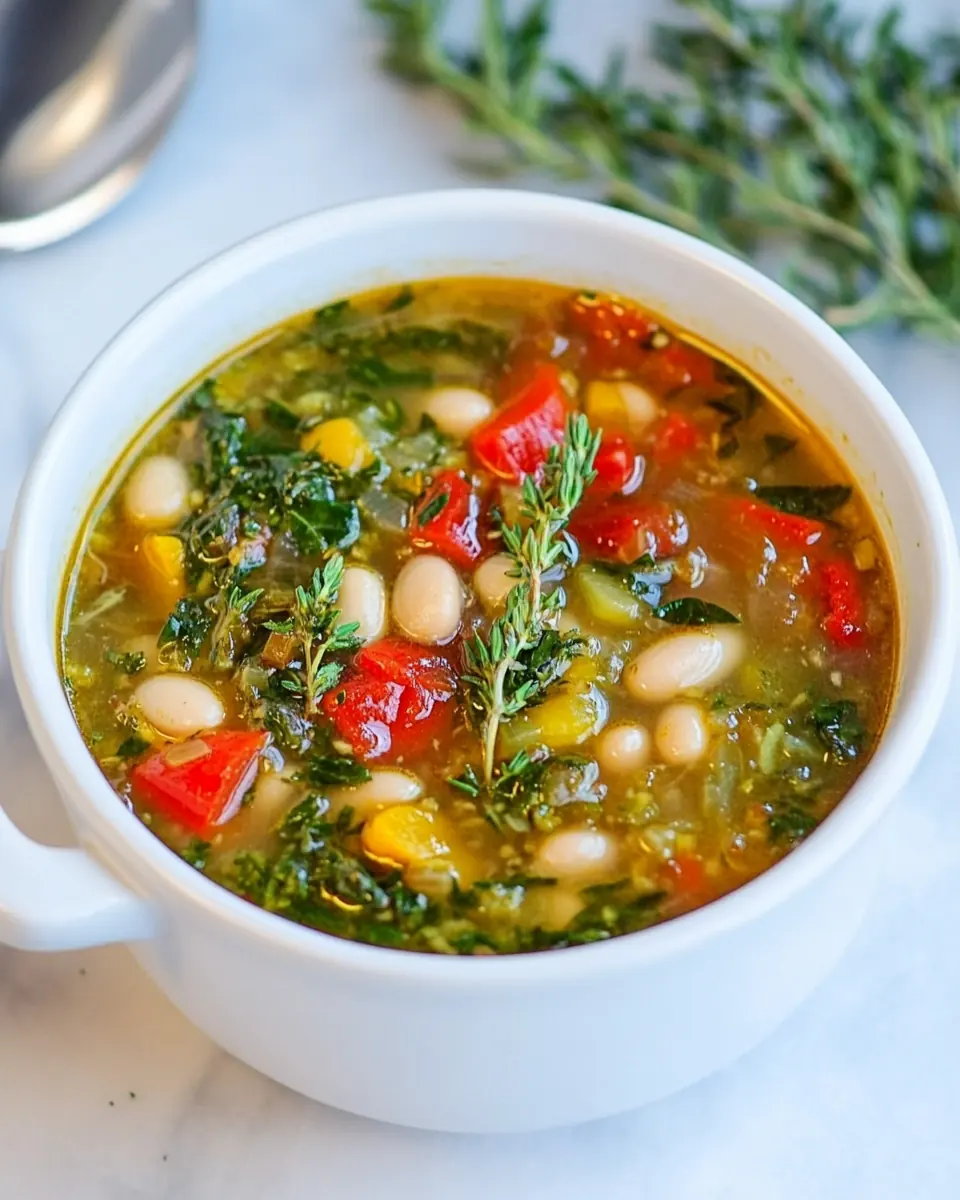
In a medium stock pan, sauté the onion in olive oil for 8 minutes until soft and golden. Add in the mushrooms and garlic and sauté for an extra 5 minutes. Add the broth and barley and bring the mixture to a boil. Cover the pot and let it cook for 30 minutes. Then add in the remaining ingredients and boil for another 30 minutes over low heat. Serve the soup with some pesto and Parmesan cheese if needed.: As you heat the olive oil on medium, you will hear a faint sizzle when the diced onion first hits the pan, which signals the start of caramelization. The smell will shift from sharp to sweet as the natural sugars in the onion slowly brown, and visually you will see translucence followed by golden edges. This step is essential because it creates a flavor foundation that the rest of the soup rides on, adding complexity and depth. Stir every minute to prevent sticking and to encourage even color. If the pan gets too hot and the onion browns too fast, lower the heat to avoid burning, which would introduce bitterness. A common mistake is rushing this step, leaving the onion undercooked and raw tasting, so be patient and take the full time to reach that soft golden stage.
In a medium stock pan, sauté the onion in olive oil for 8 minutes until soft and golden.: When you add the chopped mushrooms , they will release a cloud of moisture and make a distinct hissing sound; let them sit briefly to brown before stirring to build concentrated savory notes. After a couple minutes, add the minced garlic , and you will smell a fragrant pop as its oils bloom in the hot pan. The mixture should appear glossy and slightly reduced, with the mushrooms softened and lightly caramelized. This interplay of textures—soft mushrooms and aromatic garlic —deepens the soup's flavor. Keep the heat moderate and avoid letting the garlic scorch, because burnt garlic turns bitter quickly. A typical pitfall here is adding the garlic too early, which leads to an acrid taste, so time it after the mushrooms have had a moment to color.
Add in the mushrooms and garlic and sauté for an extra 5 minutes.: Pour in the measured broth and stir in the barley , which will sink and begin to plump as it absorbs liquid. As the pot approaches a boil, you will see steam rise and small bubbles forming at the edges before it reaches a full rolling boil. This aggressive heat jump helps the barley begin releasing starch, which gives the soup gentle body. Swirl the pot to deglaze any fond at the bottom, lifting up concentrated bits of flavor. If the broth foams or spills, reduce heat slightly; a controlled boil is better than a violent one. Avoid walking away at this crucial moment so the foam and rise do not create a mess or lead to uneven cooking.
Add the broth and barley and bring the mixture to a boil. Cover the pot and let it cook for 30 minutes.: With the lid on, the pot will settle into a steady simmer, and you will notice a softer, warming aroma as the ingredients harmonize. The barley needs this time to tenderize, swelling and becoming pleasantly chewy while thickening the broth. Lift the lid once halfway through to stir gently, checking the texture and making sure nothing sticks to the bottom. The visual cue you want is plump barley and a broth that looks slightly more substantial, not cloudy or thin. A common mistake is keeping the lid on too tightly and not stirring, which can cause uneven cooking or sticking; a brief stir every 10 to 12 minutes keeps things even.
Then add in the remaining ingredients and boil for another 30 minutes over low heat.: When you add the remaining elements like chopped tomatoes , rinsed white beans , kale , dried oregano , and seasonings, you'll see the pot regain gentle motion as it returns to a simmer. The tomatoes will begin to break down, releasing bright acidity that balances the deep savory base, while the white beans will warm through and start to soften further. Simmering on low for this period allows flavors to meld without overcooking the leafy kale , which you want tender but not mushy. Watch for the barley and beans to reach a tender, cohesive texture, and taste for seasoning as the final step approaches. Avoid boiling too vigorously, because that can shred the kale and make the broth cloudy; aim for a steady, low simmer instead.
Serve the soup with some pesto and Parmesan cheese if needed.: As you ladle the soup, notice the steam carrying herbal and savory notes, and take in the contrast between the silky broth and the tender grains and beans. A spoonful of basil pesto stirred into an individual bowl brightens the entire experience, while a sprinkle of Parmesan adds a salty, creamy finish. Visually, the green of the pesto and the light dusting of cheese create an appealing contrast, and texturally they add silk and richness. Add these toppings just before serving to preserve their fresh qualities. A mistake to avoid is mixing all the pesto into the whole pot too early, which dulls its vibrant color and aroma; finish at the table instead for the best effect.