Butter an 8-inch (20 cm) square cake pan and line the bottom with parchment paper. Preheat the oven to 375º (190ºC).: The smell of fresh butter as you grease the pan is subtle, and the tactile act of pressing parchment into the pan makes the process feel precise. Greasing prevents sticking, and the parchment gives an easy release when the cake comes out. If you skip lining, the cake can cling and tear, so take the extra minute to fit the paper snugly into the corners before pouring batter.
To make the white chocolate cake, in a bowl set over a pan of barely simmering water, warm the butter, white chocolate, lemon zest, and salt together, stirring gently, until the chocolate is completely melted. (The mixture may not look smooth, which is normal.): You may hear the oven click as it warms and feel the steady climb in heat when you open the door briefly. A properly preheated oven ensures even rise and correct bake time. If the oven is not hot enough the cake can bake slowly and collapse, so wait until it reaches temperature before sliding the pan in.
In a medium bowl whisk together the sugar with the eggs, then whisk in the melted white chocolate mixture.: You will notice the white chocolate softening and the mixture glossing over as it melds with the butter . The lemon zest releases bright aromas that lift the rich base. Keep the water at a gentle simmer, not a hard boil, and stir slowly to encourage smooth melting. A common mistake is applying too much heat, which can separate the fats and make the chocolate grainy, so remove from heat while a few small bits remain and reserve the bowl off the direct steam to finish melting.
Use a flexible spatula to stir in the flour, mixing just until no visible bits of flour remain. Do not overmix. Scrape the batter into the prepared pan and bake for 30 to 35 minutes, until a toothpick inserted into the center comes out clean.: As you whisk granulated sugar into the eggs , the mixture becomes glossy and slightly thickened, smelling sweet and faintly eggy. When you add the warm chocolate mixture, work steadily so the temperatures equilibrate without scrambling. If the melted chocolate is too hot, temper it in slowly to avoid cooking the eggs. Overbeating here can incorporate too much air and change the cake's dense, tender character, so stop once the mixture looks smooth and homogenous.
Remove the cake from the oven and as soon as it’s cool enough to handle, run a knife around the edge of the cake to release it from the pan, and set the cake on a wire cooling rack, removing the parchment paper. Let the cake cool completely.: Folding in the flour should feel gentle, with soft folding motions that preserve tenderness. You will see the batter turn from glossy to a slightly thicker, velvety texture. Visual cues to watch for are streaks of flour disappearing and the batter pulling away from the bowl slightly. Overmixing will develop gluten and yield a tougher crumb, so fold until just combined and stop when you no longer see dry patches.
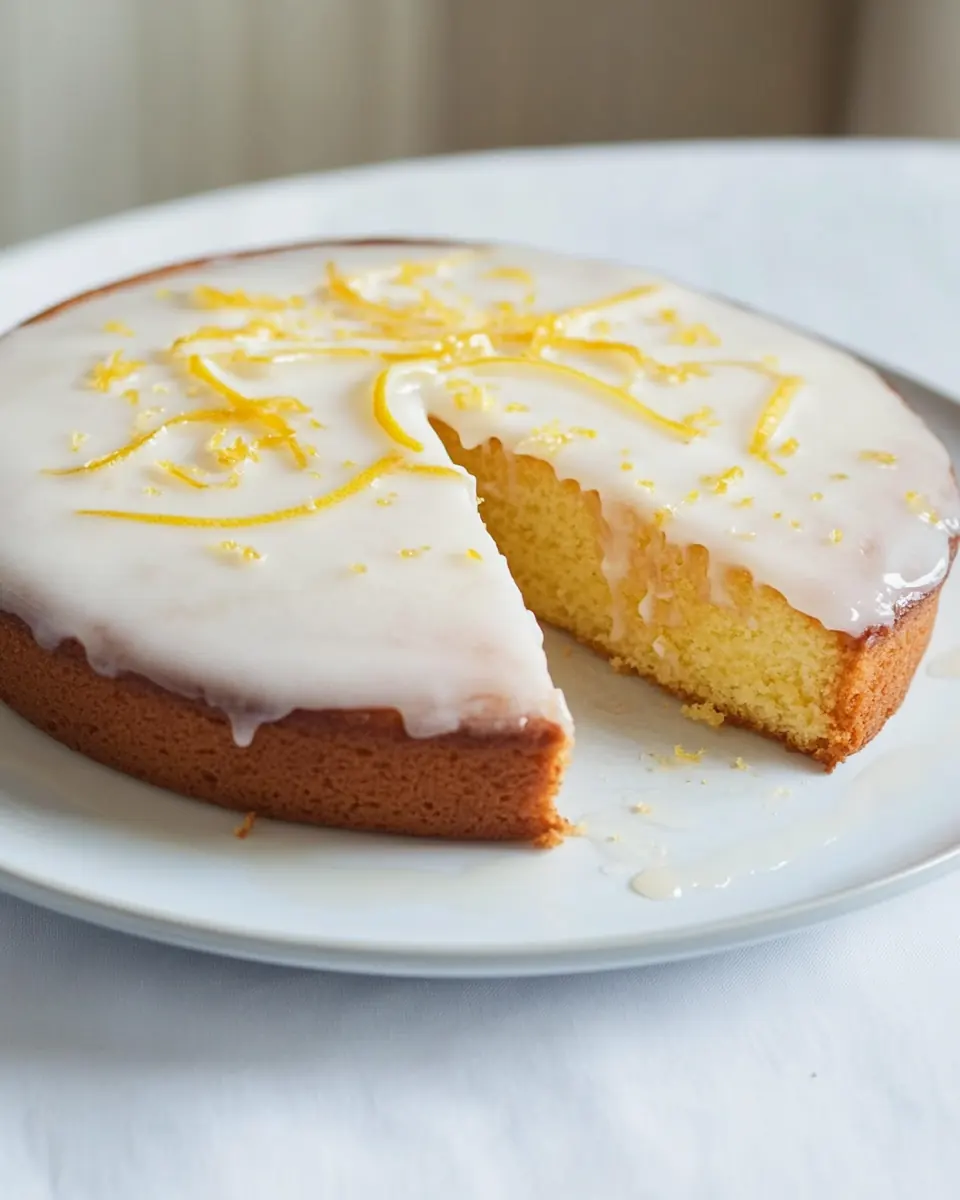
Make the glaze by mixing together the powdered sugar with the lemon juice until smooth. Spoon the glaze over the cake, smoothing it over the top with a metal spatula or butter knife, letting some of it drip down the sides. Once the glaze has hardened, cut the cake into portions.: Pouring the batter in produces a quiet, dense thud and the surface will level out. During baking you may see a faint golden edge develop, though the top stays pale from the white chocolate . The aroma becomes richer, and you should test at 30 minutes with a toothpick, checking for moist crumbs but not wet batter. Baking too long will dry the cake, while underbaking leaves a gooey center, so rely on the toothpick and slight spring back of the surface to know it is ready.
Remove the cake from the oven and as soon as it’s cool enough to handle, run a knife around the edge of the cake to release it from the pan, and set the cake on a wire cooling rack, removing the parchment paper: The cake will exhale a warm, buttery scent as it cools. Running a knife promptly prevents sides from sticking as the cake contracts. Lifting it onto a wire rack lets air circulate underneath, preventing condensation that would soften the crust. A common slip is waiting too long and then fighting to pry the cake loose, which can tear the edges, so act when the pan is warm rather than hot.
Let the cake cool completely: Cooling gives the crumb time to set and makes glazing easier. The texture transforms from fragile and warm to a sliceable, cohesive cake. If you glaze while the cake is warm, the glaze will melt and run off, leaving little on the top. Patient cooling yields a nicer finish and cleaner slices when serving.
Make the glaze by mixing together the powdered sugar with the lemon juice until smooth: As you stir the powdered sugar into the lemon juice , you will see it thicken to a silky, pourable consistency and smell bright citrus. The glaze should drip slowly from a spoon when it is ready. If it is too thin add a touch more powdered sugar , if too thick add a drop more juice. Lumpy glaze indicates the sugar was packed, so sift or whisk vigorously to smooth it before using.
Spoon the glaze over the cake, smoothing it over the top with a metal spatula or butter knife, letting some of it drip down the sides: The act of glazing is tactile; the glaze spreads into a glossy sheet and the edges form delicate drips. A metal spatula helps create an even finish, and the visual cue is a thin, shiny shell that sets within minutes. Take care not to press into the cake while smoothing, as that can create divots. Let the glaze harden fully before cutting to achieve clean edges and a crisp top layer.
Once the glaze has hardened, cut the cake into portions: When you slice it you may hear a slight crack as the glaze breaks, revealing a tender, pale interior. Use a sharp knife warmed under hot water and wiped dry for the neatest slices. Cutting too soon can smudge the glaze and cause the cake to crumble, so ensure the glaze has a firm surface before serving.