Melt butter in a microwave-safe bowl. Once melted, refrigerate 5 minutes to bring it back to room temperature. (If it is too hot, it will melt the sugars and cause greasy bars.): As the butter melts you will notice a nutty aroma and a glossy liquid sheen, which signals the fat is ready. Let it sit for a few minutes after microwaving so the hottest bubbles calm down, then refrigerate for the stated five minutes to bring it back toward room temperature. The chill helps prevent the butter from being so warm that it dissolves the sugars, which can create greasy texture. A common mistake is skipping the cool down and adding eggs to very hot butter, which cooks the egg and causes streaks in the dough.
Once butter is cooled to room temperature, add light brown sugar and granulated sugar and stir until smooth. Mix in egg, vanilla extract, and optional almond extract. Stir until smooth. Add in agave nectar and mix well.: You will feel the granular sugars begin to dissolve into the butter as you stir, producing a soft paste that smells sweet and slightly caramelized thanks to the light brown sugar . When the mixture is smooth, mix in the egg , vanilla extract , and optional almond extract , stirring until the batter becomes glossy and homogenous. Then add the agave nectar which will add a slightly syrupy texture that keeps the finished cookie chewy. If you overbeat here you can incorporate too much air, leading to a cakier cookie rather than a tender, dense bite.
Mix in cornstarch, baking soda, baking powder, and salt. Add in spooned and leveled flour (see note 3) and mix until just combined. Don’t overmix.: The dry leaveners and cornstarch will begin to thicken the batter and create the balance between lift and tenderness. As the powders are incorporated you will notice the mix go from glossy to slightly thicker, and the salt will help sharpen the overall flavor. Next add the spooned and leveled flour , folding until just combined; the dough should come together without streaks of flour. Overmixing folds in too much air and strengthens the gluten, which can make the texture tough rather than soft.
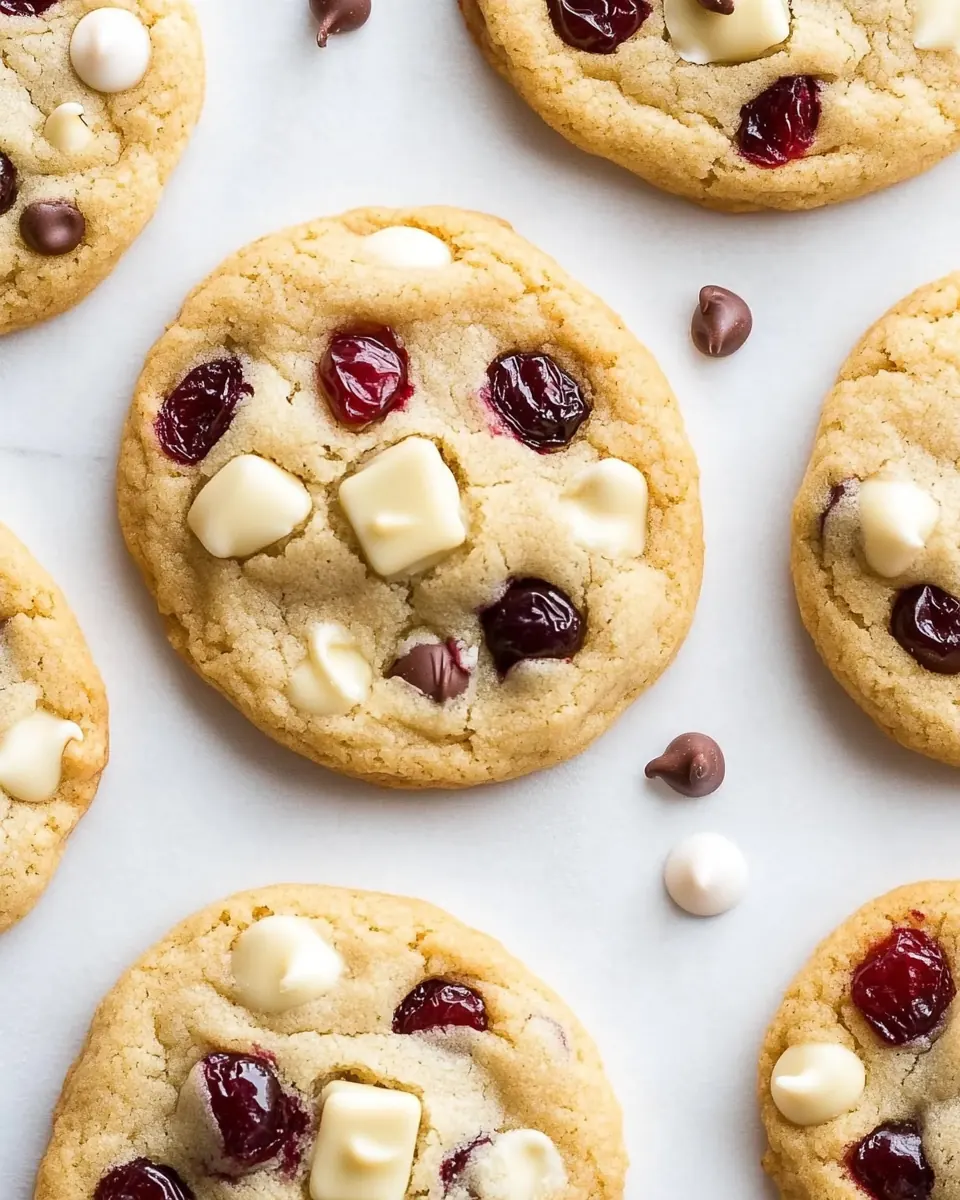
Gently stir in 3/4 cup white chocolate chips and chopped cranberries. Stir until combined.: As you fold in the white chocolate chips and chopped dried cranberries you will see pockets of chips and flecks of crimson fruit appear throughout the dough. The chips will add glossy, creamy pockets while the cranberries provide chewy bursts, creating contrast in every bite. Mix just enough to distribute evenly, avoiding heavy stirring that can warm the dough and alter texture.
Cover the bowl tightly and chill for 1 hour.: Chilling firms the dough so the cookies keep a tall shape when baked, and it allows the fats to solidify, which prevents excessive spread. During the chill the flavors meld and the dough becomes easier to handle for rolling. A common oversight is not chilling long enough, which leads to flat cookies; conversely chilling too long can make dough hard to shape without a brief rest at room temperature.
Preheat oven to 350℉. Line a sheet pan with parchment paper or a silicone baking mat. If you have a light-colored sheet pan, use that instead of a dark one.: Preheating ensures the oven is at the proper temperature to create immediate structure at the cookie edges while letting centers stay soft. Line a sheet pan with parchment paper or a silicone baking mat; the lining helps the bottoms to brown evenly and prevents sticking. If the pan is dark colored, the cookies will brown faster, so use a light colored pan if you have one for the most even results. Placing dough onto an unlined or too dark pan can cause overbrowning before the center sets.
Roll balls of dough into tall cylindrical balls (see picture above for shape and size). Place 6–8 cookie balls on a sheet, allowing plenty of room to spread. Dough balls should be about 1.7 ounces if you have a food scale; this dough should make 15–17 cookies. If dough gets warm by being at room temperature or through the rolling process, return the balls to the fridge 10–20 minutes or until firm.: Rolling into tall cylinders encourages taller cookies with chewy centers. Place six to eight dough balls per sheet giving them plenty of room to spread, and aim for about 1.7 ounces per dough ball if you have a scale. If the dough warms while shaping, you can firm the balls in the fridge for ten to twenty minutes until they are easier to handle. A frequent problem is making dough balls too large which increases bake time and can lead to underbaked centers or overbrowned edges.
Bake 8–12 minutes, erring on the side of under-baking for soft and chewy cookies. They will continue baking a bit after being removed from the oven, so take them out as soon as the edges start to lightly brown.: As the cookies bake you will hear a soft quieting of bubbling and see the edges take on a pale golden color while the centers remain lighter. Remove the tray when the edges begin to lightly brown; the centers should look set but still soft since they continue to cook on the hot sheet pan. If you bake until the centers look dry you will lose that tender, chewy character.
Remove from oven and press remaining 1/4 cup chocolate chips into the tops of the cookies (ensures even placement of chocolate and makes them look pretty). Allow cookies to cool on the sheet pan 5 minutes before transferring to a cooling rack to finish cooling.: Pressing a few extra white chocolate chips into warm cookies gives them an attractive finish and ensures a pretty distribution of chips in each bite. Allow the cookies to cool on the sheet pan for five minutes so they firm up and move more easily to a cooling rack to finish cooling. Transferring them too soon can cause them to break, while leaving them too long can keep them overly soft and risk sticking to the pan.