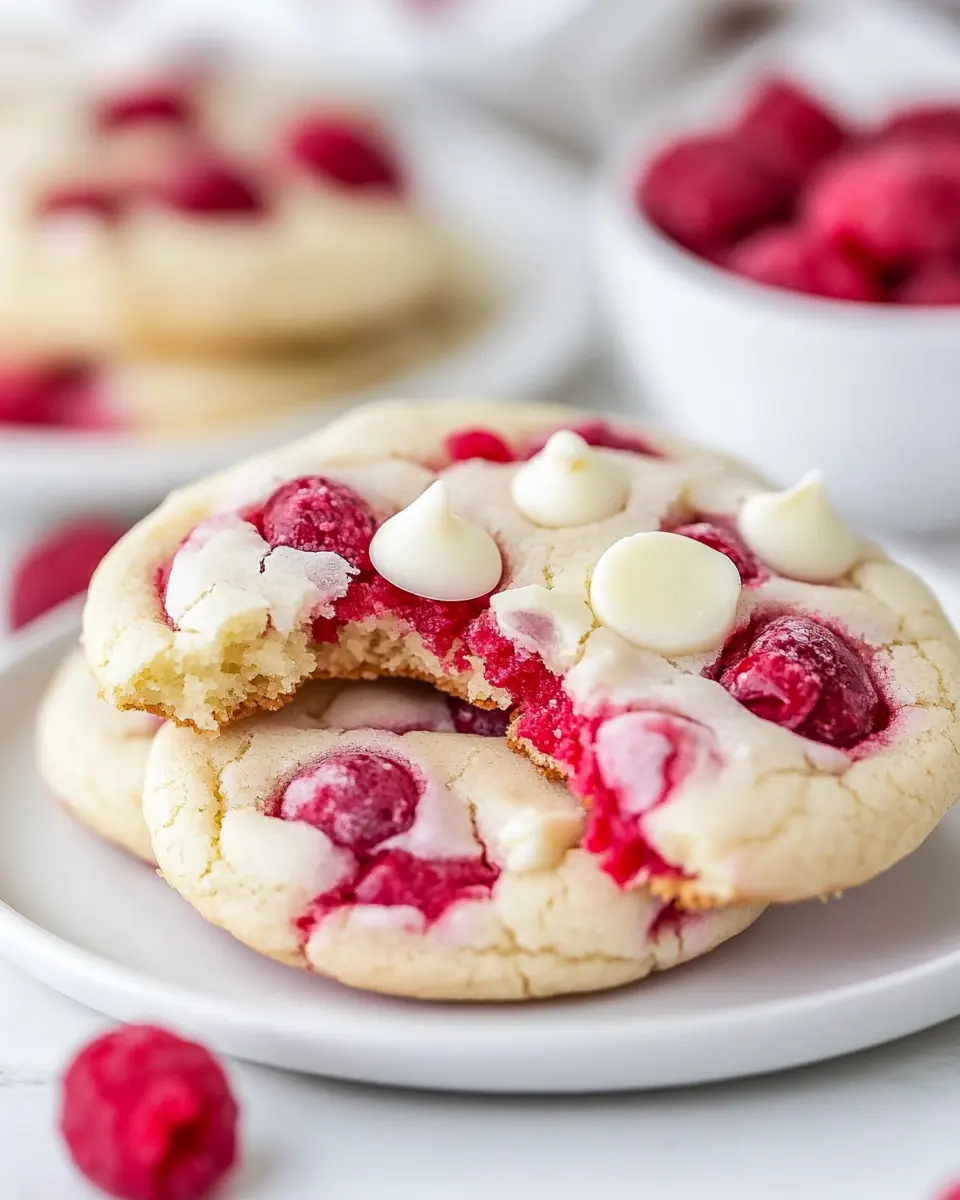
Preheat the oven to 350 degrees Fahrenheit and line two baking sheets with parchment paper.: You should notice the oven warming and eventually hold a steady heat, which ensures even baking and those slightly golden edges we want. The sound is minimal, mostly a steady hum, and the aroma is neutral until the cookies begin to bake. Lining the sheets with parchment prevents sticking and helps the bottoms brown evenly. If your oven runs hot, consider placing the racks in the middle to avoid overbrowning. A common mistake is skipping parchment, which can make cookies stick and break apart when you try to remove them.
In a large mixing bowl, using a hand or stand mixer, cream the salted butter, white granulated sugar, and brown sugar until well combined.: As you cream, watch for the butter to become lighter in color and fluffy in texture, and listen for a slightly airy, whirring sound from the mixer. The mixture should look smooth and homogenous, with no visible lumps of butter. This step traps tiny air bubbles that help create a tender crumb and a slight lift while baking. If you under-cream, the cookies may be dense; over-creaming can lead to overly flat cookies, so stop when the mixture is pale and billowy.
Mix in the large egg and almond extract until smooth.: When you add the large egg , the batter should become silkier and more cohesive, and the almond extract will perfume the mix with a warm, nutty top note. Mix just until the color and texture are uniform, avoiding overmixing which can toughen the dough. If the batter looks curdled, a brief additional beat at low speed usually brings it back together. A frequent error is rushing this step at high speed, which can incorporate too much air and alter the texture.
Slowly mix in the flour until a smooth dough forms. Do not over mix.: Add the all-purpose flour gradually so the dough comes together without developing too much gluten. You'll see the mixture transform from glossy batter to a thicker, soft dough that pulls away from the bowl a bit. The dough should be cohesive but not dry. Over-mixing here results in tougher cookies, while under-mixing leaves streaks of flour. Scrape the bowl to ensure even incorporation, and stop as soon as the flour disappears.
Pour in the white chocolate chips and mix well.: At this point the dough smells richer and a touch sweeter as the white chocolate chips are folded in. You will see creamy flecks dotted throughout the dough, offering visual cues for distribution. Mixing just enough to distribute them evenly keeps pockets of chocolate that melt into lovely creamy streaks when baked. Mixing too aggressively may break the chips or overwork the dough.
Gently and carefully fold in the frozen raspberries. I do not recommend using a hand or stand mixer unless you want colored cookies as the raspberries tend to get broken with a mixer. Simply use a mixing spoon and carefully fold them in.: The texture shifts when the frozen raspberries are folded in, with pale pink speckles appearing in the dough. You should be gentle to preserve the berry shape and avoid releasing excess juice. This preserves pockets of tartness and prevents the dough from turning uniformly pink. If you stir too hard, the dough becomes wet and sticky, and the cookies will spread more in the oven.
Scoop the cookie dough into balls using a 1 1/2 Tablespoon cookie scoop and place on the prepared baking sheet, with 1 1/2 inches between each cookie and the sides of the pan.: As you scoop, the dough should feel soft but not overly sticky, and the balls should hold their shape. Spacing them properly gives air room so they bake into rounded disks rather than merging. The surface will look slightly dimpled from the scoop; that is normal. A common oversight is crowding the pan, which leads to uneven baking and merged cookies.
Bake for 14-17 minutes or until just golden brown on the edges.: While baking you will smell a warm, sweet aroma and may hear faint crackling as moisture escapes. The visual cue to stop baking is when the edges turn a light golden brown while the centers remain soft. The cookies will continue to set after you remove them from the oven, so avoid overbaking. If you bake them too long they become dry and lose their soft center.
Cool for 5 minutes before moving to a cooling rack or serving warm.: Cooling briefly on the sheet allows the cookies to firm up enough to transfer without falling apart, and the centers finish setting as the residual heat dissipates. After five minutes, the texture should be pleasantly chewy, and the bottoms are set to the touch. Moving them too soon risks breaking, while leaving them too long on the hot pan can lead to overcooking from carryover heat.