Cut the green onion stems into 1-inch lengths. Finely chop the white part of the green onions.: The aroma of fresh green onions is subtle and bright, and finely chopping the white parts ensures they almost melt into the dish during sauté. When you chop, notice the clean, slightly sweet scent, and keep the green stems separate so they retain color and bite later. One common mistake is chopping everything too coarsely, which can lead to uneven cooking, so aim for uniform pieces.
In a large saucepan, melt the butter. Add the white onion and sauté. Add the rice, salt and chicken broth. Bring to a boil, stir and reduce the heat. Cover and cook over low heat until the rice is tender and the liquid is absorbed (about 35 minutes). If necessary, add more broth as the rice cooks.: As the butter melts it should smell nutty and rich, signaling the right moment to add the white green onion . Sauté until the onions are translucent and fragrant, then add the rinsed wild rice so the grains toast lightly, picking up the butter flavors. Pour in the chicken broth , which will steam and release savory aromatics. When the pot reaches a steady boil you will hear a gentle bubbling; lower to a soft simmer and cover. Look for the grains to swell and separate, and for the broth to become mostly absorbed around 30 to 40 minutes. Avoid lifting the lid constantly, as that lets steam escape and lengthens cooking, though a quick peek at the 30 minute mark is fine. If the rice reaches tenderness but still has liquid, let it rest covered off heat for 10 minutes to finish absorbing.
Heat the oil in a separate skillet. Add the mushrooms and sauté for a few minutes. Add the green onion stems, snow peas and water chestnuts and sauté lightly.: As you cook, you may notice the rice soaking up liquid at different rates depending on age and brand. The aroma will shift from sharp starchiness to a deeper, toasted grain scent when moisture is low. Adding warm chicken broth in small amounts keeps the simmer gentle and prevents the grains from sticking or drying out. A frequent error is adding cold liquid straight from the fridge, which shocks the temperature and interrupts cooking, so warm any extra broth beforehand.
Add the sautéed vegetables to the cooked rice. Add salt and pepper, as desired to taste.: When the oil shimmers, add the sliced mushrooms . They will hiss and release moisture, then begin to brown and give off an earthy, deeply savory perfume. Stir periodically to develop even caramelization. The sound of gentle sizzling and the sight of golden edges indicates you are coaxing out maximum flavor. Avoid crowding the pan which causes steaming rather than browning; if you crowd, the mushrooms become limp instead of richly caramelized.
Add the green onion stems, snow peas and water chestnuts and sauté lightly.: Adding the chopped green stems, thawed snow peas , and chopped water chestnuts introduces bright, fresh notes. The snow peas will sizzle briefly and keep a crisp snap, while the water chestnuts remain crunchy. Watch for a faint brightening of color in the peas and a light toasting on the edges of the water chestnuts. A typical pitfall is overcooking at this stage, which dulls the crispness, so sauté just until warmed through and tender crisp.
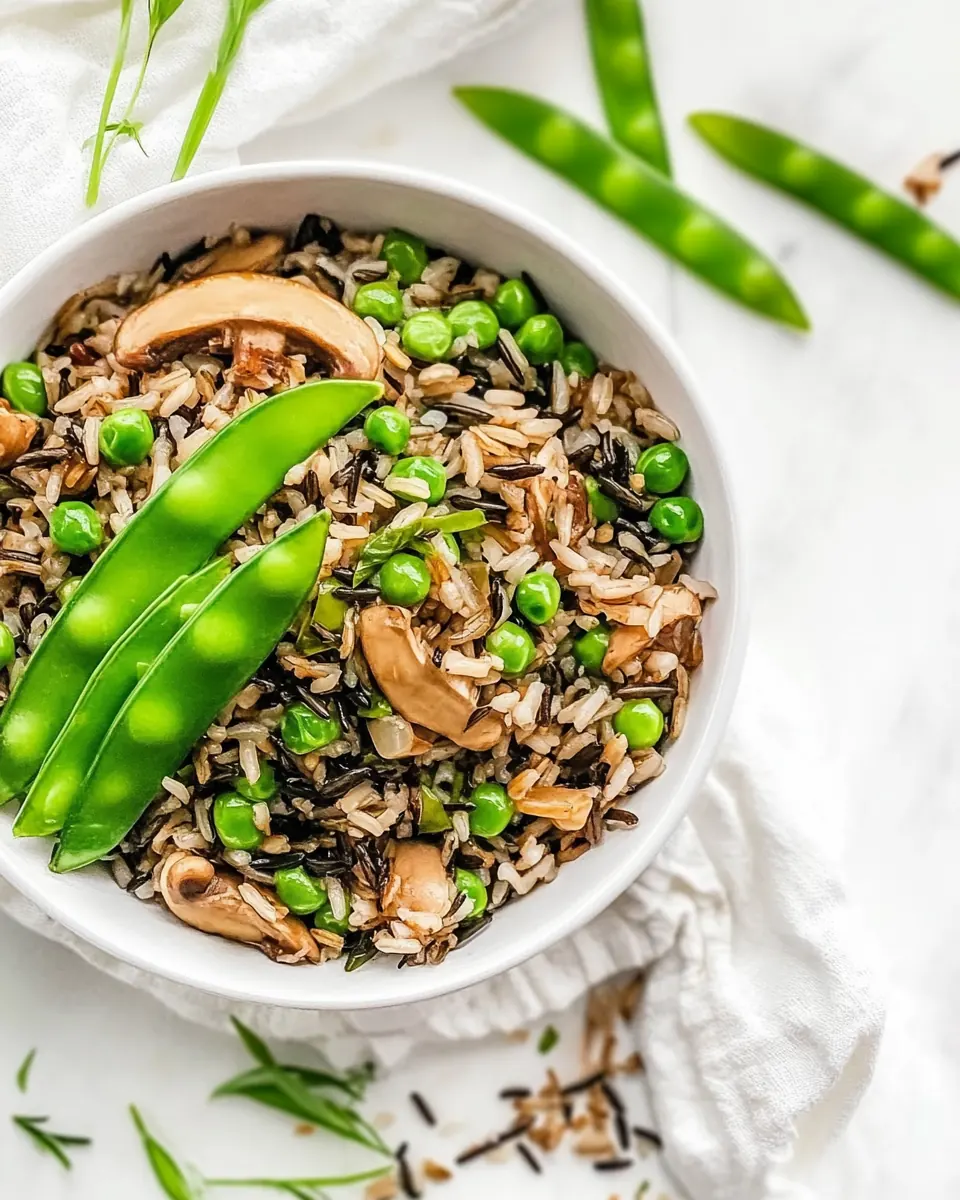
Add the sautéed vegetables to the cooked rice. Add salt and pepper, as desired to taste.: When you fold the hot vegetables into the wild rice , steam will mingle and aromas will rise, signaling that flavors are marrying. Toss gently so the textures remain distinct, and finish with measured amounts of salt and freshly ground black pepper to brighten the bowl. Taste and adjust, remembering that a small rest allows flavors to integrate. Over seasoning at the end is easy to do, so add conservatively and recheck after a minute.