Cut up onion, celery, and green bell pepper into pieces about 1/2 inch.: The aroma from freshly cut onion , celery , and green bell pepper is bright and vegetal, and cutting them evenly to about a half inch ensures even cooking so no single piece over or undercooks. Listen for the faint rustle as you chop, and note the clean, green scent that rises. Evenness matters because it affects mouthfeel in the finished soup, and uneven pieces will create distracting textural pockets. A common mistake is hurrying this step and ending up with some pieces that are too large to soften during the simmer.
Heat 1 tablespoon olive oil in a large heavy soup pot; then cook onion, celery, and green pepper over medium heat about 3-4 minutes.: At medium heat the olive oil will shimmer gently, and as you add the vegetables you should hear a light sizzle that settles into a soft, steady hiss. After three to four minutes the onion should be turning translucent, the celery should be tendering, and the green bell pepper should soften while keeping some color. This gentle sauté extracts sweetness without browning, which preserves a clean, balanced flavor. Avoid cranking the heat to rush things, as that risks caramelizing too soon and changing the soup's intended profile.
Add the minced garlic, Italian herb seasoning, and ground fennel, and cook 1-2 minutes more.: When you add the garlic and dried seasonings you'll immediately notice an aromatic lift, a warm, savory perfume that blooms in the hot oil. Stir constantly so the garlic becomes fragrant but does not brown, which can impart bitterness. The ground fennel seed will release a subtle sweet licorice hint that pairs with the sweet Italian sausage later. This short cook time lets the spices bloom and integrate; burning is the main hazard here, so keep the heat controlled and watch closely.
If you'd like the soup to be a bit more spicy, add about 1/4 tsp. red pepper flakes with the other spices.: Adding the red pepper flakes introduces a warm, building heat that becomes more pronounced as the soup reduces. You will smell a spicy note right away, and the finish on your palate will have a gentle bite. Start small because the heat concentrates during simmering and is hard to remove once it’s in. A typical error is adding too much early on, which can overpower the subtle pea sweetness.
While the vegetables are cooking, heat the other tablespoon of oil in a large frying pan, squeeze the sausage out of the casings and brown well, breaking apart with the back of the turner as it cooks. (Don't rush this step; browning creates flavor.): As the olive oil warms in the pan you want it hot enough to make the sweet Italian sausage hiss and develop rich brown crusts, those caramelized bits that contribute umami. Use the back of your turner to break the sausage into small crumbles so it will disperse evenly through the soup. Browning builds deep savory flavors that a quick cook cannot replicate, and rushing this stage limits the Maillard reaction that gives the dish its signature depth. Avoid crowding the pan because that causes steaming instead of proper browning.
We cooked the sausage in a separate pan so we didn't have so much fat in the finished soup, but you can push the vegetables over and brown the sausage in the soup pot if you prefer.: Doing this separately lets you control the fat content and remove excess oil if needed, which keeps the broth clearer and lighter. If you brown the meat in the soup pot, those browned bits attach to the bottom and impart deep flavor directly into the base, which is excellent if you like richer mouthfeel. The sensory difference is the slightly clearer broth versus a deeper, meatier base. The mistake to avoid is leaving too much rendered fat in the pot if you prefer a less greasy finish.
Add browned sausage to the soup pot with yellow split peas and chicken stock.: When the browned sweet Italian sausage joins the pot you'll notice the aroma deepen as meat juices mingle with the softened vegetables and the raw edge of the peas. Pour in the chicken broth so the ingredients are fully submerged, and the surface will come alive with gentle bubbles as heat spreads through the pot. This union is where the flavors begin to marry, and your patience now will pay off in the stew like richness that forms as the peas break down. A common slip is not scraping any browned bits from the sausage pan into the soup, which wastes flavor.
Let soup simmer at very low heat uncovered. After 45 minutes I tasted the soup to see if I wanted more red pepper (no!) and added 2 cups of water.: At a very low simmer you should see small, steady bubbles and hear a soft, intermittent pop, never a furious boil. After around forty five minutes the peas will be softening and the pot will smell deeply savory. I often taste at this point to adjust seasoning and texture, and sometimes add water to achieve the consistency I want because legumes absorb liquid as they cook. Avoid increasing heat to hurry things, as vigorous boiling can break down texture unevenly and cause splattering.
Continue to cook, adding water as needed, until the split peas are very well done and starting to break down into the soup.: As you continue simmering the sound will become quieter and the surface smoother, while the aroma deepens. The yellow split peas will gradually lose their shape and integrate into a thick, velvety consistency. Stir occasionally to prevent sticking and to check texture, and add a splash of water if it becomes too thick. A typical mistake is not checking the peas for doneness often enough, which can result in over thickening or uneven tenderness.
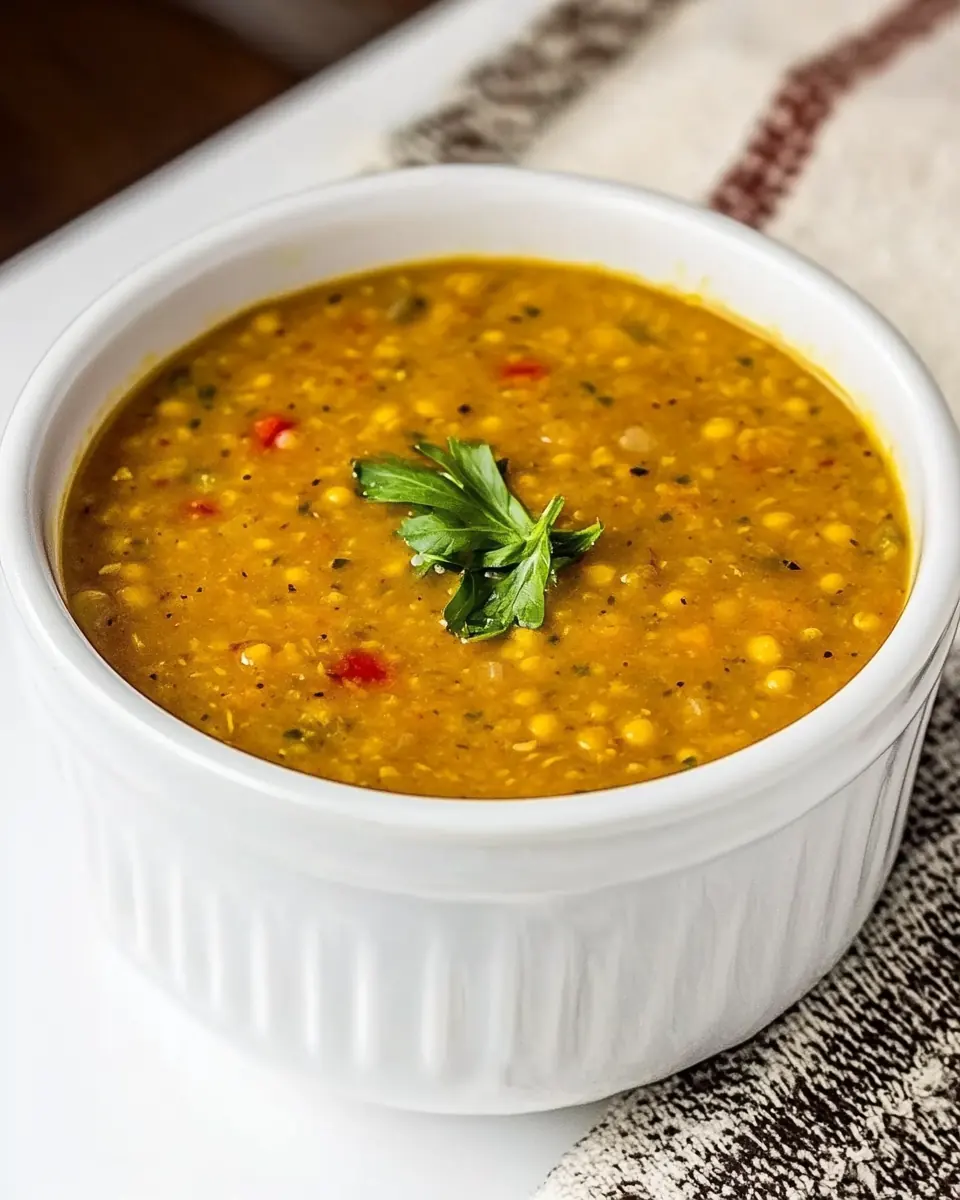
Total cooking time will be about 2 hours, or slightly longer depending on how old the yellow split peas are and how soft you want them.: Over the long simmer the flavors concentrate and meld, creating a cohesive, comforting profile. You will notice the broth transforming from clear to opaque and the mouthfeel becoming creamy without any dairy. Older dried legumes can take longer to soften, so remain flexible and judge by texture rather than clock time. Relying strictly on time risks serving undercooked peas if they are older than expected.
Serve hot.: When the soup is ready the aroma will be warm and inviting, with the savory notes of sweet Italian sausage and the gentle sweetness of softened onion and yellow split peas in perfect balance. Ladle into bowls while steaming, and grind a little fresh black pepper on top if you like. A common serving mistake is letting it cool too long before tasting for final salt adjustment, because the flavor concentrates as it sits.