Balsamic Butternut Squash with Rosemary
Balsamic Butternut Squash with Rosemary is one of those recipes I turn to when the days cool and the oven starts to feel like a warm friend.
I remember pulling a tray of roasted squash from the oven on an evening when I had a small, impromptu dinner to host, and the aroma filled the kitchen with a sweet, tangy scent that made everyone pause mid conversation. I sliced through the tender cubes with a fork and offered a taste, and a guest who rarely digs into vegetable sides went back for seconds. That moment stuck with me, because this dish feels both simple and indulgent at once, grounded by the earthy note of rosemary and lifted by the bright kiss of balsamic vinegar.
Over the years I learned a few small habits that make the difference between good and memorable: dry squash cubes for better caramelization, evenly sized pieces so everything finishes together, and a final splash of vinegar for that bright contrast to roasted sweetness. I love serving this when the calendar reads fall, because the colors and flavors match the season, and it fits anywhere from casual weeknight suppers to festive holiday spreads. I still make it the same way when I want something comforting, but with a touch of polish.
Recipe Snapshot
55 mins
15 mins
40 mins
Medium
150 kcal
American
Keto, Gluten-Free
Side Dishes
Oven, Baking sheet, Mixing bowl
What’s Great About This Balsamic Butternut Squash with Rosemary
Comforting but sophisticated
I adore how Balsamic Butternut Squash with Rosemary manages to be both cozy and refined. The roasted butternut squash becomes meltingly tender while the balsamic adds complexity, so the dish works as a humble side or a standout star. I often tell friends that it reads like a homey vegetable with city sensibilities.
Simple technique, big payoff
One reason I keep this recipe in my regular rotation is that the method is straightforward, yet it rewards attention. Tossing the butternut squash with a little olive oil and balsamic vinegar, and letting the oven do the work, creates deep caramelized edges that you cannot fake with shortcuts. I love how a handful of minutes of prep turns into something you feel proud to serve.
Flexible for busy schedules
I appreciate recipes that play nice with a hectic day. You can roast the butternut squash earlier and reheat it gently, or keep it warm in a slow cooker when the oven is needed for other dishes. That practicality is why I bring this to holiday kitchens and weeknight tables alike.
Bright contrasts and balanced flavors
The finishing splash of extra balsamic vinegar at the end is my favorite trick. It cuts through the squash sweetness and highlights the rosemary, creating a balanced bite that keeps people coming back. I always encourage a final taste, then a pinch of sea salt or black pepper until it sings.
Minimal ingredients, maximum personality
I value recipes that don’t rely on complexity to make an impression. With just a few pantry items and fresh or frozen rosemary, you get a dish that feels deliberate and seasonal. I find myself flipping to this recipe when I want something reliable yet memorable.
What You Need for Balsamic Butternut Squash with Rosemary
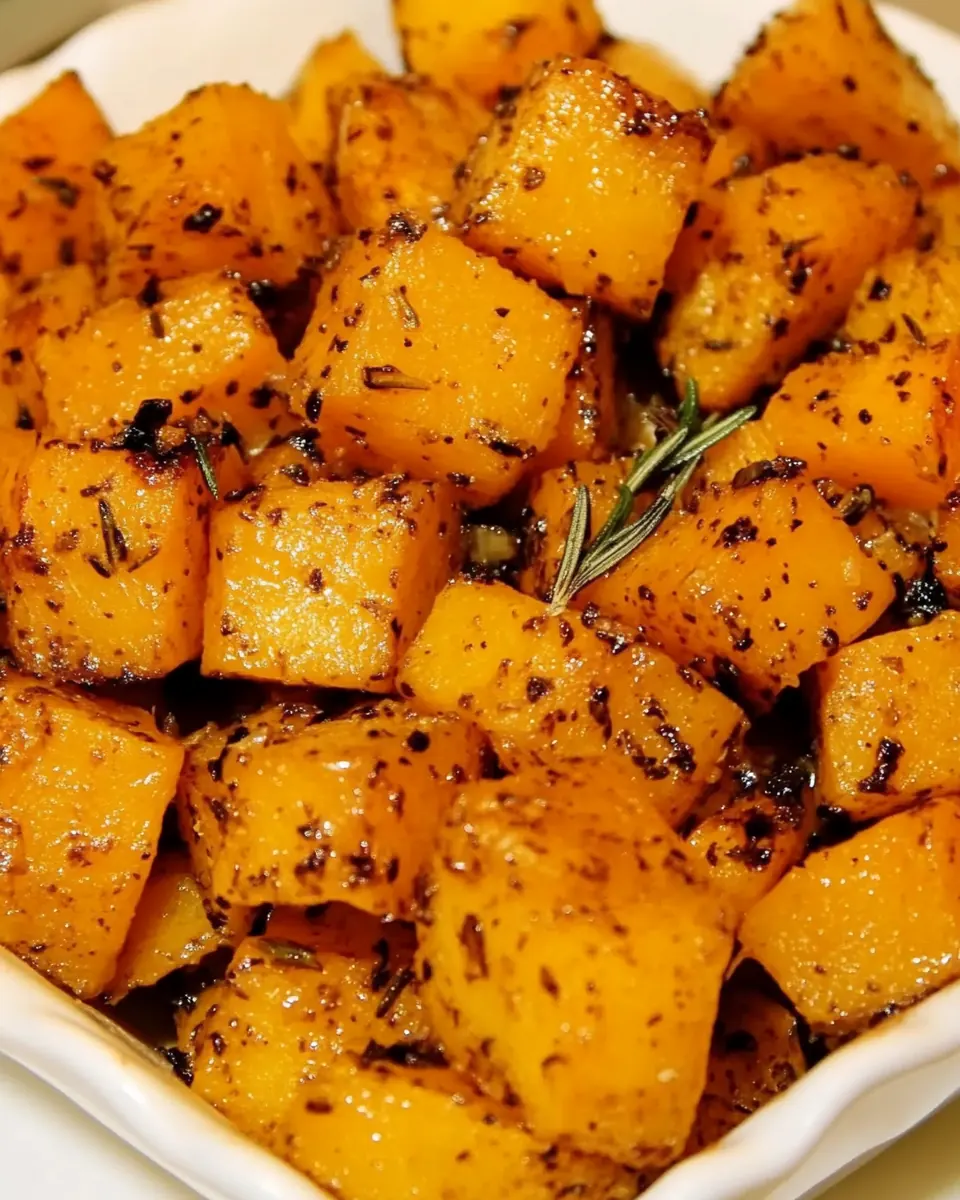
These ingredients are intentionally few, so each one plays a clear role. The hearty bulk comes from the butternut squash, while the olive oil helps each cube caramelize and brown. Balsamic vinegar adds acidity and a deep sweetness that lifts the roasted flavors, and rosemary provides the herbaceous counterpoint. Finishing with sea salt and black pepper ties everything together.
- 2 lb butternut squash cubes (see notes): Provide tender, sweet squash cubes that become caramelized when roasted; they form the hearty base of the dish and absorb flavors beautifully. Season after roasting to enhance natural sugars and balance the balsamic glaze, creating a rich, autumnal centerpiece.
- 2 T extra virgin olive oil: Coat squash evenly with fat to promote browning and prevent sticking; olive oil also carries and melds the rosemary and balsamic flavors. Choose extra virgin olive oil for its fruity aroma and slightly peppery finish, which complements the squash's sweetness.
- 4 tsp best quality balsamic vinegar: Introduce bright acidity and concentrated sweetness that glaze and deepen during roasting; balsamic vinegar creates glossy, tangy-sweet caramelization on the squash surfaces. Use a high-quality balsamic to ensure a smooth, balanced flavor without bitterness.
- 1 tsp very finely chopped fresh or frozen rosemary, or slightly less dried rosemary (see notes): Infuse savory, piney fragrance that pairs with the squash's sweetness; finely chopped fresh rosemary releases oils quickly while dried rosemary offers a more concentrated, slightly different herbal note. Add sparingly to avoid overpowering other flavors, and distribute evenly for subtle aromatic hits.
- sea salt to taste: Enhance and balance the overall flavor profile by drawing out sweetness and brightening savory notes; sea salt allows control over seasoning to taste. Sprinkle judiciously to lift the dish without masking the balsamic or rosemary nuances.
- fresh ground black pepper to taste: Introduce subtle heat and depth that brightens the other flavors; freshly ground black pepper adds complexity and a hint of spice. Grind just before using to maximize aroma and ensure the pepper complements rather than dominates the roasted squash.
Putting Together Balsamic Butternut Squash with Rosemary
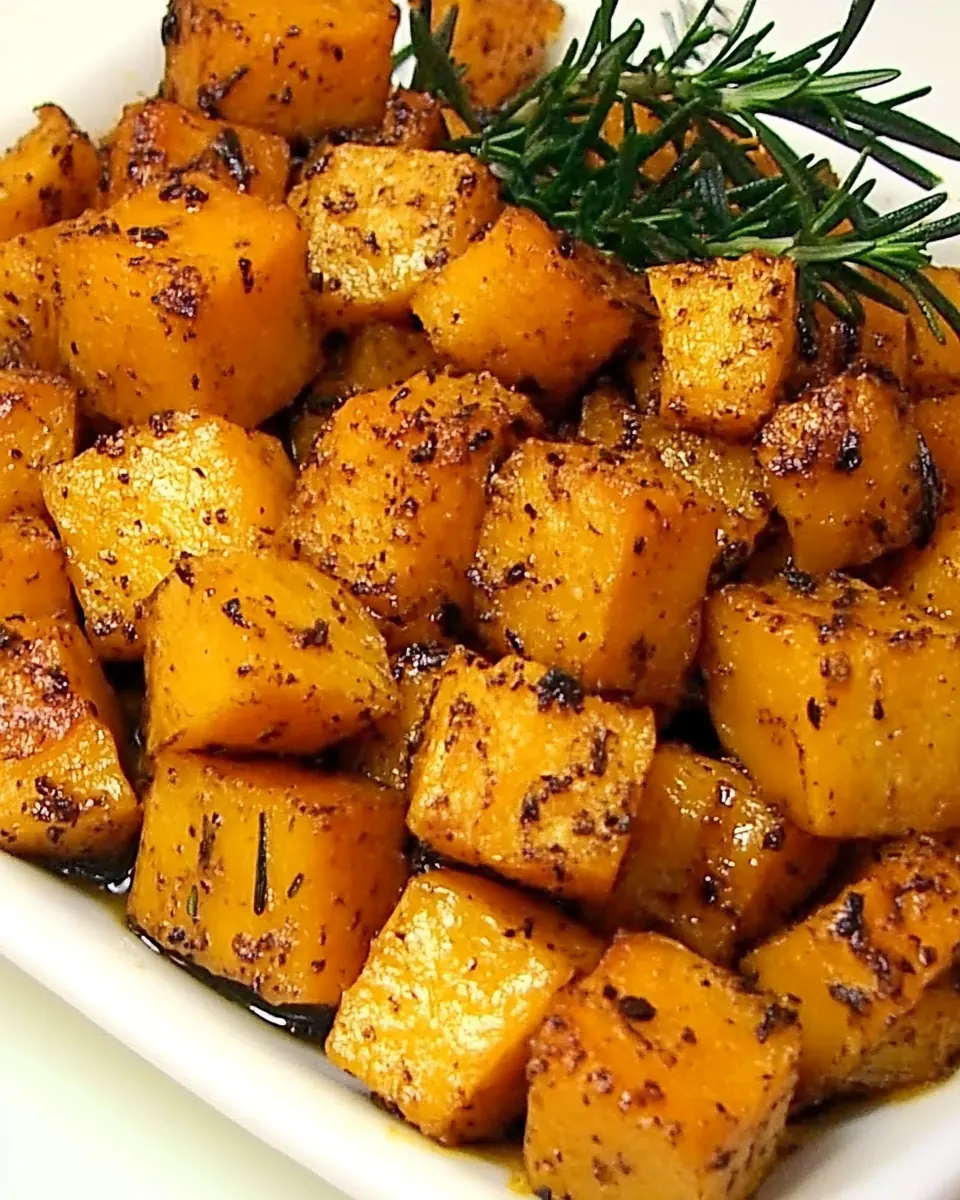
Pulling this dish together is straightforward and satisfying. The sequence matters because timing and temperature coax the deep caramelized notes that make this squash so good. Follow the steps and tune into the scent and look of the squash as it transforms in the oven.
- Preheat oven to 400 F/200 C.: As the oven warms you will notice a steady, dry heat that is essential for roasting instead of steaming. The hot environment encourages Maillard reactions on the surface of the butternut squash , producing nutty browning and a sweet smell that deepens as roasting continues. A common mistake is not fully preheating, which leads to uneven color and longer cook times. Make sure the rack is placed to allow air to circulate around the pan so the cubes crisp at the edges.
- Mix together the olive oil, 1 T balsamic vinegar, and rosemary, then toss squash cubes with the mixture.: Right after combining these, breathe in the fresh herb aroma and the faint fruity note from the vinegar, which meld with the olive oil into a glossy coating. Coating each cube ensures even browning and prevents sticking, while the small amount of vinegar deepens flavor without preventing caramelization. If you crowd the pan when tossing, the pieces will steam rather than roast, so use a bowl spacious enough to toss freely.
- Arrange the squash on a cookie sheet or dish large enough to hold it in a single layer.: Laying the butternut squash in one layer is crucial for direct contact with the hot surface, which creates the golden edges you want to see. As you spread the cubes, look for even spacing; they should not touch too closely. Overlapping pieces will stay pale and soft rather than gaining that roasted texture, so use two pans if necessary to keep space between cubes.
- Roast 20 minutes, then turn squash and roast about 20 minutes more, or until squash is very soft and starting to get slightly caramelized.: During the first stint in the oven you will see the edges begin to color and the scent deepen, and after turning the cubes you should notice more pronounced caramelization. The flesh should be tender when pierced and the surfaces should show golden patches. A typical slip up is opening the oven too frequently, which can lower the temperature and extend cooking time; rely on visual cues and a fork test near the end.
- Remove from oven and toss squash with additional 1 tsp balsamic vinegar, sea salt, and pepper. You can mash slightly if you want, but I keep mine rather chunky. Serve hot.: Once out of the oven, the hot butternut squash will eagerly absorb the finishing vinegar, which brightens the rich roasted sweetness. Tossing while still hot ensures the flavors meld quickly and the vinegar mellows into a glossy finish. Taste as you season with sea salt and black pepper , because oven cooking can concentrate flavors differently than you expect. A common oversight is adding too much vinegar at the start, leaving nothing to enliven the finished dish.
- This is also excellent made ahead and reheated. For a holiday like Thanksgiving where there are lots of demands on the oven, it could be cooked early in the day and kept warm in a crockpot while other things bake.: When reheating you will get a faint reprise of roasted aroma and the texture may soften a bit more, which is fine for make ahead service. I often reheat gently in a low oven or a warm slow cooker to avoid drying the cubes, and stirring occasionally restores an even texture. Avoid high heat reheats which can overbrown or dry the pieces; aim for gentle warmth so the squash remains luscious.
Change It Up
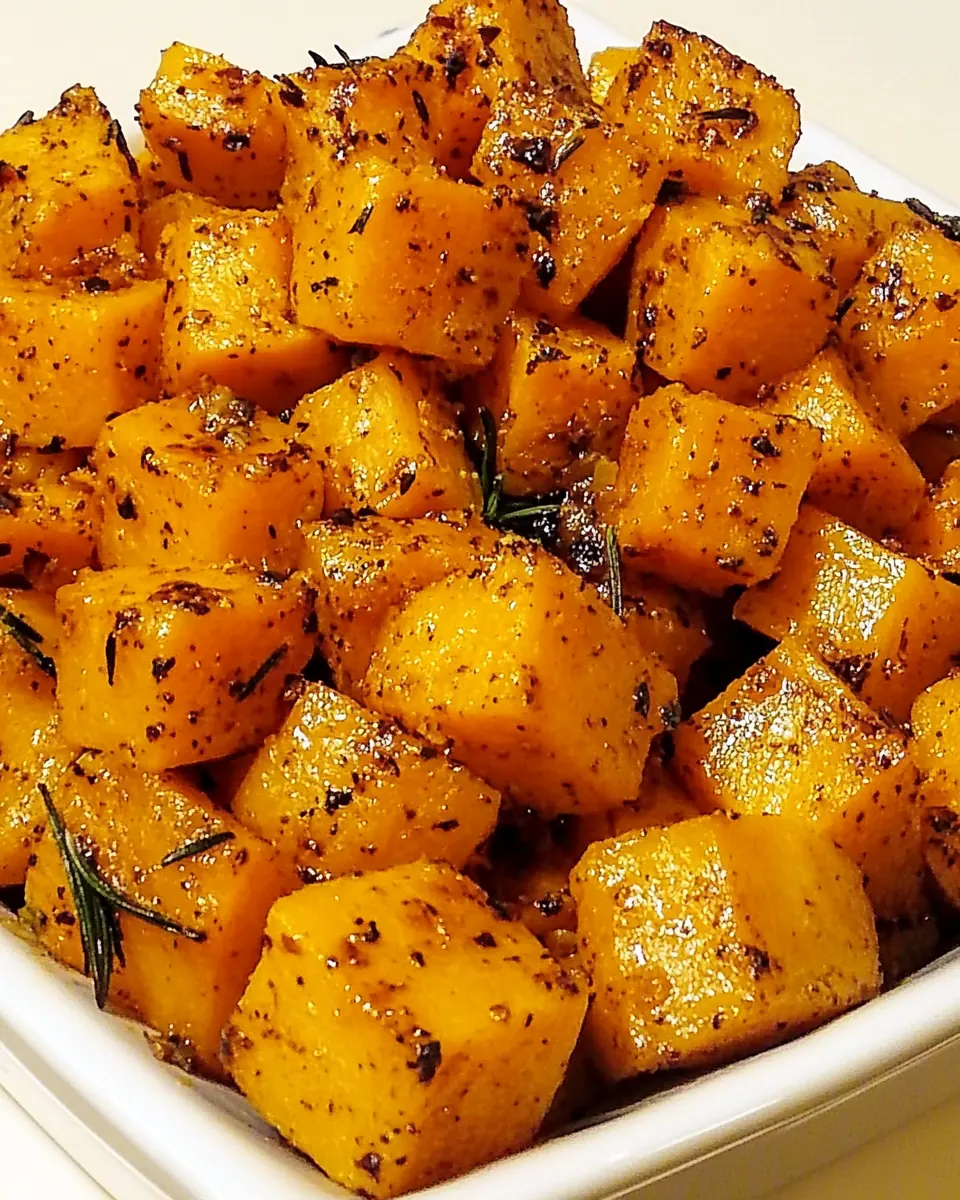
This section offers practical ideas to vary the dish while staying true to its core flavor profile. Below are tips to adjust texture, presentation, and timing for different occasions.
- Swap the herb Use fresh rosemary for brightness, or experiment with a tiny amount of another savory herb if you want a different aromatic note, keeping quantities small so the herb does not dominate.
- Adjust vinegar timing Add half the balsamic vinegar before roasting and the rest after so you get both deep glaze and fresh brightness, which prevents over acidic or muted flavors.
- Make ahead strategy Roast earlier in the day and keep warm in a slow cooker on low, tossing occasionally to maintain texture, ideal for holiday dinners where oven space is at a premium.
- Presentation tip Serve the roasted cubes in a warm shallow bowl and drizzle a little extra vinegar right before serving, finishing with a sprinkle of sea salt and fresh cracked black pepper for visual appeal and flavor contrast.
- Texture control For a chunkier result, mash slightly after roasting; for silkier, roast until very soft and give a light mash or puree, but avoid over processing if you want bite.
Best Served With
This dish pairs beautifully with simple mains or seasonal spreads. Here are serving ideas, occasions, and storage tips to help you plan the full plate.
- Casual weeknight Serve warm alongside a roasted protein or a grain bowl, letting the sweet roasted notes act as a mellow accompaniment that complements stronger flavors.
- Holiday dinner Offer it as part of a festive spread where it can be served from a warm dish, its autumn colors and rounded sweetness making it a natural partner for celebratory plates.
- Lunch or brunch Fold warm cubes into a salad or serve over a bed of greens for a seasonal midday meal that is both light and satisfying.
- Make ahead & store Refrigerate in an airtight container for up to three days, and reheat gently in a low oven or slow cooker to preserve moisture and texture.
- Seasonal pairing This recipe shines in fall when butternut squash is at peak flavor, and it complements other root vegetables and savory grains on the table.
FAQ
Conclusion
This recipe stands out because it turns a humble vegetable into a seasonally perfect, flavorful side with minimal effort. The interplay of roasted sweetness, herbaceous rosemary, and a bright finish of balsamic vinegar makes it satisfying for both everyday dinners and special occasions. Try it soon and notice how such simple ingredients can read as thoughtful and elegant on the plate. Share it with friends or tuck it into your holiday lineup, and enjoy the warmth it brings to the table.
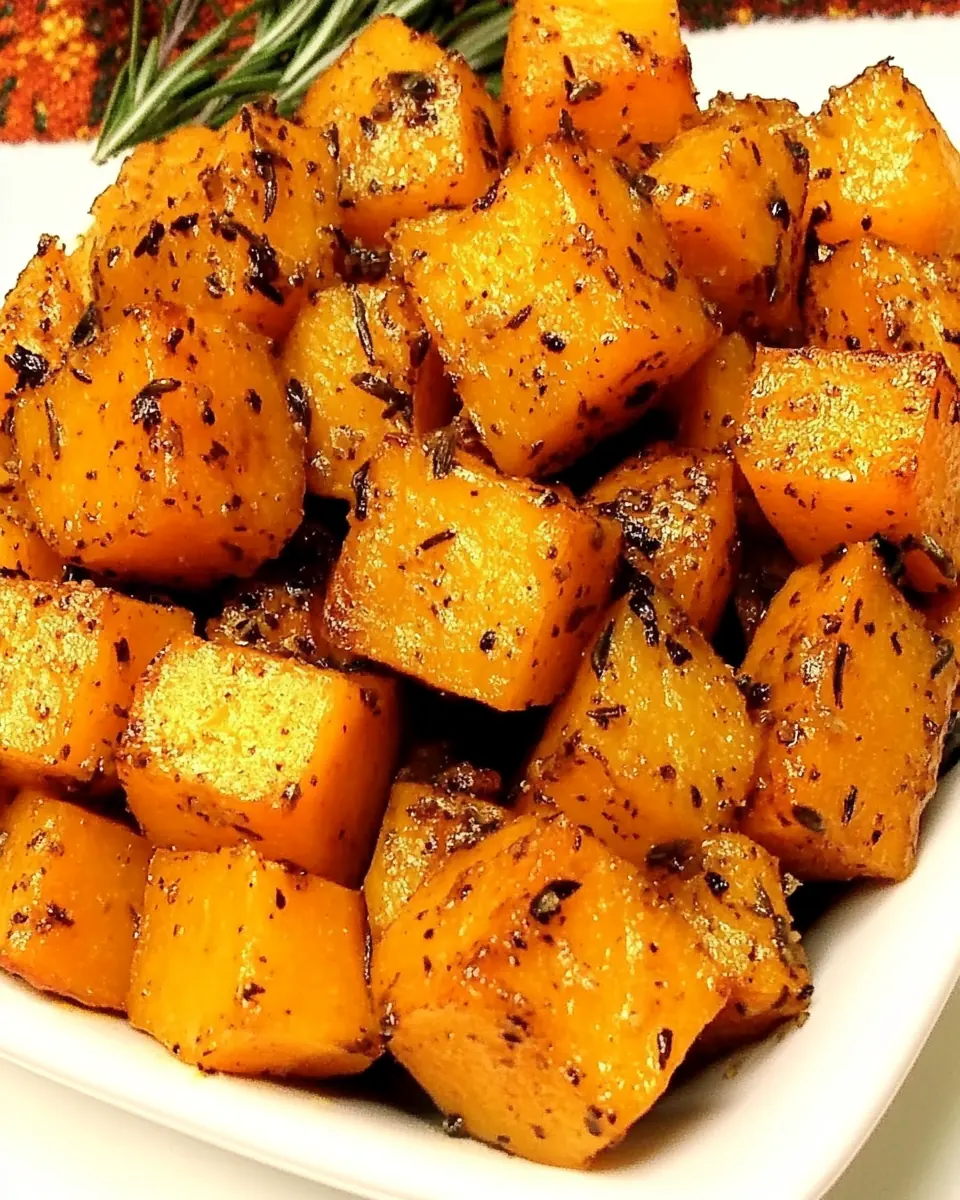
Balsamic Butternut Squash with Rosemary
Ingredients
Equipment
Method
- Preheat oven to 400 F/200 C.: As the oven warms you will notice a steady, dry heat that is essential for roasting instead of steaming. The hot environment encourages Maillard reactions on the surface of the butternut squash , producing nutty browning and a sweet smell that deepens as roasting continues. A common mistake is not fully preheating, which leads to uneven color and longer cook times. Make sure the rack is placed to allow air to circulate around the pan so the cubes crisp at the edges.
- Mix together the olive oil, 1 T balsamic vinegar, and rosemary, then toss squash cubes with the mixture.: Right after combining these, breathe in the fresh herb aroma and the faint fruity note from the vinegar, which meld with the olive oil into a glossy coating. Coating each cube ensures even browning and prevents sticking, while the small amount of vinegar deepens flavor without preventing caramelization. If you crowd the pan when tossing, the pieces will steam rather than roast, so use a bowl spacious enough to toss freely.
- Arrange the squash on a cookie sheet or dish large enough to hold it in a single layer.: Laying the butternut squash in one layer is crucial for direct contact with the hot surface, which creates the golden edges you want to see. As you spread the cubes, look for even spacing; they should not touch too closely. Overlapping pieces will stay pale and soft rather than gaining that roasted texture, so use two pans if necessary to keep space between cubes.
- Roast 20 minutes, then turn squash and roast about 20 minutes more, or until squash is very soft and starting to get slightly caramelized.: During the first stint in the oven you will see the edges begin to color and the scent deepen, and after turning the cubes you should notice more pronounced caramelization. The flesh should be tender when pierced and the surfaces should show golden patches. A typical slip up is opening the oven too frequently, which can lower the temperature and extend cooking time; rely on visual cues and a fork test near the end.
- Remove from oven and toss squash with additional 1 tsp balsamic vinegar, sea salt, and pepper. You can mash slightly if you want, but I keep mine rather chunky. Serve hot.: Once out of the oven, the hot butternut squash will eagerly absorb the finishing vinegar, which brightens the rich roasted sweetness. Tossing while still hot ensures the flavors meld quickly and the vinegar mellows into a glossy finish. Taste as you season with sea salt and black pepper , because oven cooking can concentrate flavors differently than you expect. A common oversight is adding too much vinegar at the start, leaving nothing to enliven the finished dish.
- This is also excellent made ahead and reheated. For a holiday like Thanksgiving where there are lots of demands on the oven, it could be cooked early in the day and kept warm in a crockpot while other things bake.: When reheating you will get a faint reprise of roasted aroma and the texture may soften a bit more, which is fine for make ahead service. I often reheat gently in a low oven or a warm slow cooker to avoid drying the cubes, and stirring occasionally restores an even texture. Avoid high heat reheats which can overbrown or dry the pieces; aim for gentle warmth so the squash remains luscious.
Notes
- Swap the herb Use fresh rosemary for brightness, or experiment with a tiny amount of another savory herb if you want a different aromatic note, keeping quantities small so the herb does not dominate.
- Adjust vinegar timing Add half the balsamic vinegar before roasting and the rest after so you get both deep glaze and fresh brightness, which prevents over acidic or muted flavors.
- Make ahead strategy Roast earlier in the day and keep warm in a slow cooker on low, tossing occasionally to maintain texture, ideal for holiday dinners where oven space is at a premium.
- Presentation tip Serve the roasted cubes in a warm shallow bowl and drizzle a little extra vinegar right before serving, finishing with a sprinkle of sea salt and fresh cracked black pepper for visual appeal and flavor contrast.
- Texture control For a chunkier result, mash slightly after roasting; for silkier, roast until very soft and give a light mash or puree, but avoid over processing if you want bite.