Fresh Sesame Soba Spring Rolls with Almond Butter Dipping Sauce
Fresh Sesame Soba Spring Rolls with Almond Butter Dipping Sauce became my go to light lunch the first spring I tried to eat more greens without giving up comforting textures.
I remember unrolling a packet of rice papers at my kitchen counter while the window glowed with soft morning light. I loved how the scent of sesame oil and the bright tang of lime juice cut through the creaminess of almond butter, and how the cool, slippery soba noodles played off crisp ribbons of carrot and cucumber. I was thrilled by how quickly these rolls came together, and how they traveled perfectly to a picnic without losing their snap.
Over time I tweaked the dipping sauce until it hit the sweet salty nutty balance I wanted. The first bite always reveals that creamy almond note, and then a peppery hint from the jalapeno and a lingering sesame warmth from the toasted sesame seeds. These rolls feel elegant but they are forgiving, and I love serving them when friends drop by because they look fancier than they are.
Recipe Snapshot
20 mins
15 mins
5 mins
Medium
250 kcal
Asian
Vegan, Gluten-Free
Appetizers
Large pot, Small bowl, Shallow pan, Julienne peeler or vegetable peeler, Sharp chef’s knife
Why This Fresh Sesame Soba Spring Rolls with Almond Butter Dipping Sauce Shines
Vibrant, fresh textures that sing
I adore how each bite of Fresh Sesame Soba Spring Rolls with Almond Butter Dipping Sauce balances cool, crisp vegetables with tender soba noodles. The contrast makes every mouthful interesting, and I often find myself closing my eyes to enjoy the interplay of textures.
Flavor layers you can taste and tweak
We get a nutty backbone from the almond butter and toasted sesame oil, a bright lift from lime juice, and a savory umami note from the gluten free tamari or soy sauce. I love that you can nudge any of these elements up or down to suit your mood.
Fast assembly, big payoff
These rolls come together in under 30 minutes, which makes them perfect for busy afternoons. I value recipes that reward a small time investment with something memorable, and these do exactly that.
Naturally shareable and portable
I often bring a container of these to gatherings because they travel well and look beautiful on a platter. They also hold up nicely when dipped, so you do not have to worry about sogginess right away.
Flexible and forgiving
Whether you make extra dipping sauce or substitute one vegetable for another, this recipe adapts. I appreciate recipes that let me use what I have on hand while still delivering a reliably delicious result.
What to Gather for Fresh Sesame Soba Spring Rolls with Almond Butter Dipping Sauce
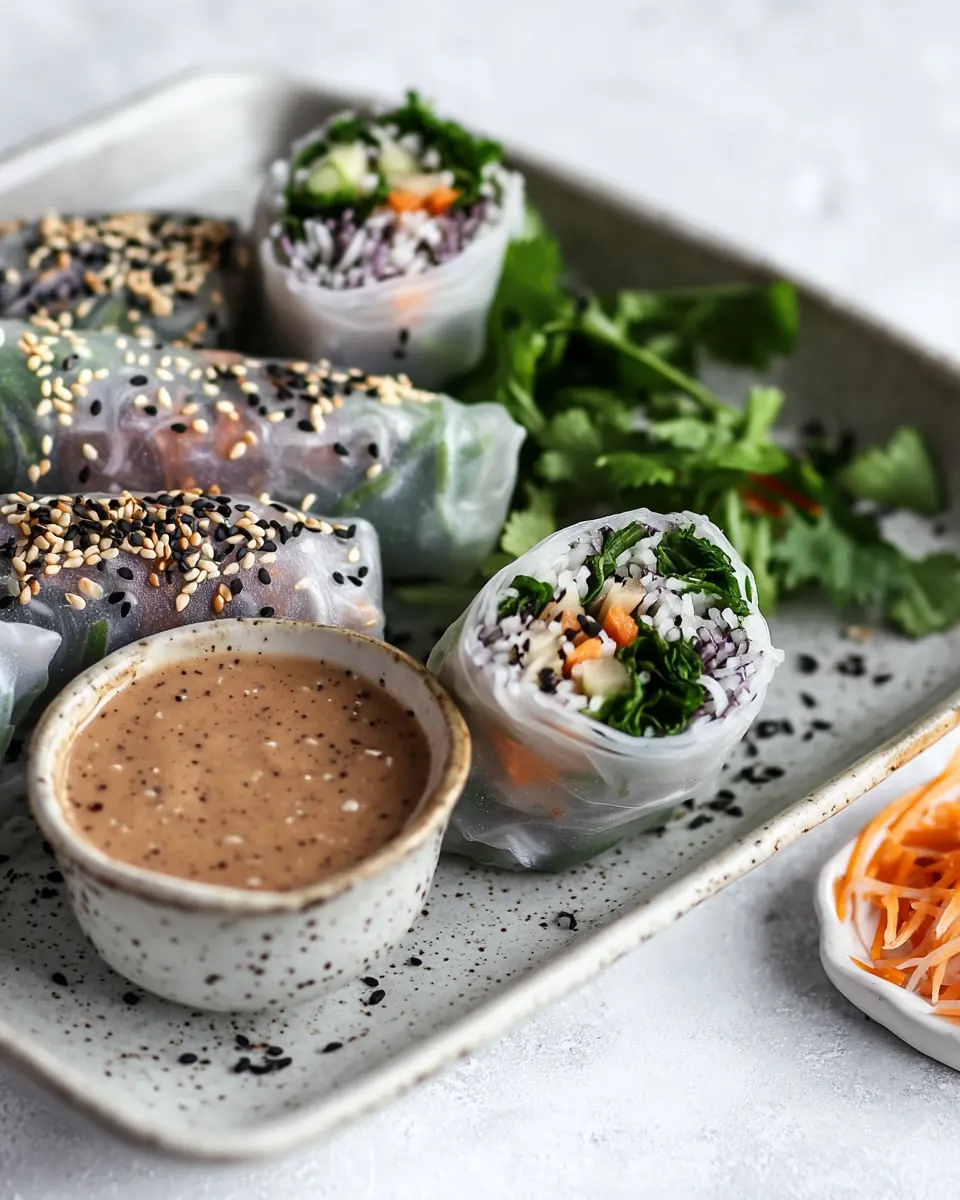
These ingredients follow a simple philosophy: build a balance of texture, nutty richness, and bright acidity. The soba noodles and rice paper wrappers provide the foundation, the fresh produce lends crispness and brightness, and the almond butter dipping sauce ties everything together with creamy, savory, and tangy notes.
- 4 ounces gluten-free 100 percent buckwheat soba noodles: Cook and tenderize into a chewy base for the rolls, providing nutty flavor and hearty texture; rinse after cooking to stop starchiness and toss with a little sesame oil to prevent clumping.
- 1 tablespoon sesame seeds: Toast lightly to enhance its nutty aroma and crunch, then sprinkle over the assembled rolls for visual contrast and a pleasant textural finish that complements the sesame flavor.
- 2 teaspoons toasted sesame oil: Aromatize and lightly coat the noodles and fillings with a deep, toasty note; incorporate into dressings or toss with cooked soba to add richness without overpowering other flavors.
- 1/3 cup creamy almond butter, see note: Whisk into the dipping sauce for creamy body, subtle nutty sweetness, and a smooth mouthfeel; thin with vinegar, lime, or tamari as needed to reach the desired dipping consistency.
- 2 tablespoons rice vinegar: Brighten the almond butter sauce and noodle salad with a clean, acidic lift; balance richness and help emulsify the dressing when whisked together with oil or nut butter.
- 2 tablespoons gluten-free tamari or soy sauce: Add savory, umami depth to the sauce while seasoning the noodles and vegetables; choose gluten–free tamari to keep the dish gluten–free without sacrificing soy flavor.
- 1 tablespoon honey, see note: Provide gentle sweetness to balance tangy and salty components in the almond butter sauce; dissolve smoothly into batters and dressings to round out flavors.
- 1 tablespoon lime juice: Introduce zesty citrus brightness that cuts through the richness of almond butter and sesame oil; enhance overall freshness and accentuate other aromatics in the rolls.
- 2 teaspoons toasted sesame oil: Reinforce sesame aroma and add a toasted finish when layered into the dressing or brushed on noodles; use sparingly to avoid overpowering more delicate ingredients.
- 1 teaspoon grated fresh ginger or 1/4 teaspoon ground ginger: Infuse the sauce with warm, spicy complexity, whether freshly grated for brightness or ground for convenience; helps lift other flavors and adds subtle heat.
- 2 medium cloves garlic, pressed or minced: Contribute pungent savory depth to the dipping sauce and rolls, releasing aromatic sulfur compounds when minced or pressed to elevate overall flavor complexity.
- Pinch of red pepper flakes: Deliver concentrated heat in small amount to the sauce or filling, providing a lingering spicy lift; sprinkle or stir in to taste for controlled warmth.
- 1 large carrot, 1/4 pound: Add crisp, slightly sweet crunch and vibrant color when julienned, helping to create contrast with soft noodles and creamy avocado inside the rolls.
- 2 Persian cucumbers or 1 small cucumber: Provide cool, crisp hydration and mild flavor when sliced into thin strips; balances richer elements and contributes refreshing crunch in each bite.
- 6 to 8 rice paper wrappers: Soften briefly in warm water to become pliable and translucent, then wrap the noodle and vegetable filling securely while offering a neutral, slightly chewy exterior.
- 2 medium jalapenos, seeded, deribbed and cut lengthwise into long, thin strips: Bring pronounced fresh heat and a bright chili flavor when cut into thin strips, contributing a spicy, crunchy accent that can be adjusted by leaving in seeds.
- 1 avocado, cut into long thin strips: Offer creamy, buttery texture and mild richness when sliced into long strips, adding a smooth mouthfeel that contrasts with crunchy vegetables and chewy noodles.
- 1/4 cup chopped green onions: Deliver sharp, oniony brightness when chopped, enhancing savory notes and adding a mild bite that complements herbs, noodles, and the almond dipping sauce.
- Handful fresh cilantro leaves: Provide aromatic, citrusy-green freshness and herbal lift when tucked into rolls; add leaves whole or roughly chopped to infuse the filling with bright flavor.
How to Cook Fresh Sesame Soba Spring Rolls with Almond Butter Dipping Sauce
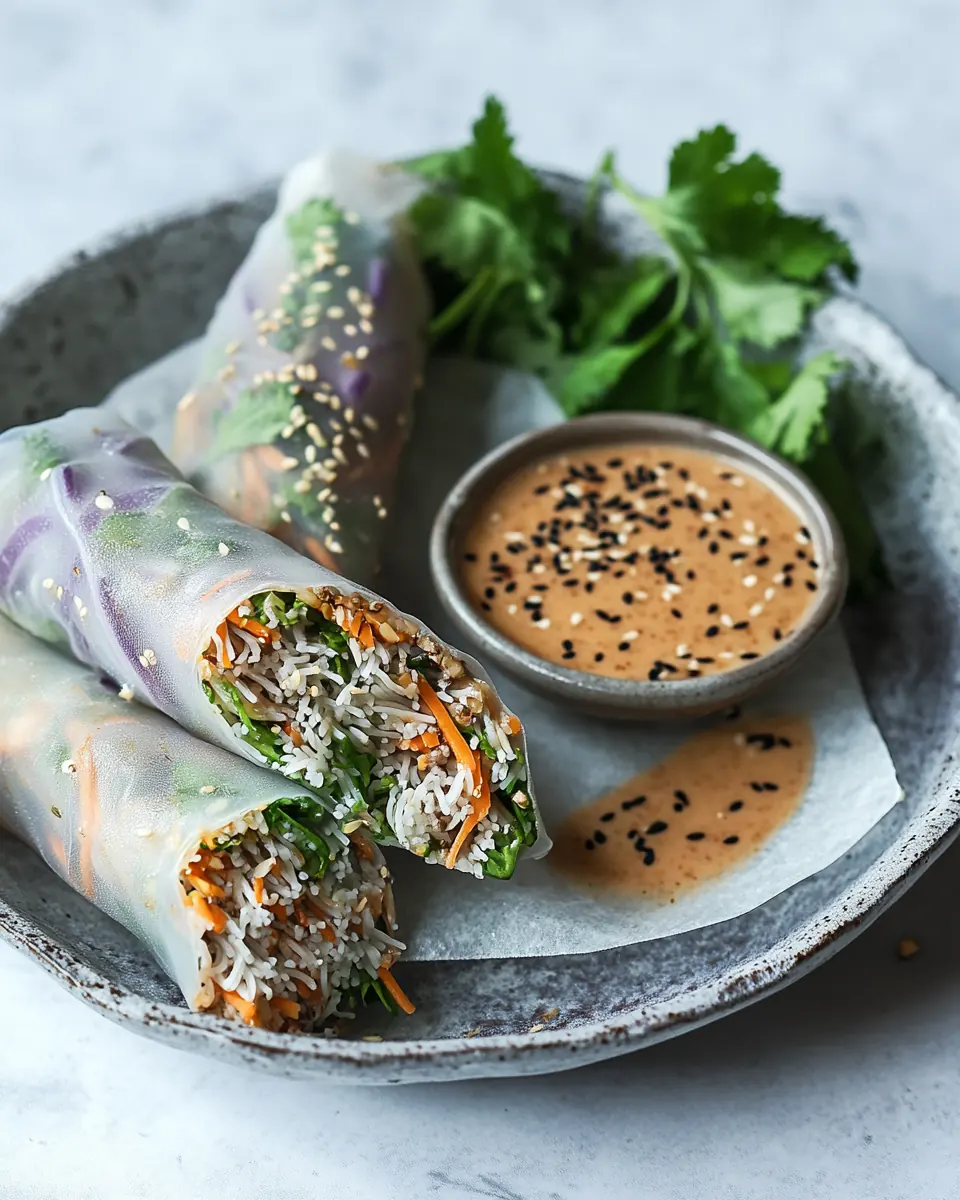
These steps guide you through noodle preparation, sauce assembly, and careful rolling. Read through once, lay out your ingredients, and enjoy the tactile process of building each roll.
- Bring a large pot of salted water to boil and cook the soba noodles just until al dente, according to package directions. Rinse them under cold water, drain, and return them to the pot. Toss the noodles with the sesame seeds and toasted sesame oil. Set aside.: The kitchen will fill with a toasty, wheaty aroma as the water simmers, and the soba noodles should feel springy when the package timing ends. Rinsing them under cold water stops the cooking and removes excess starch, keeping the noodles separate and slippery rather than clumping. Tossing them with the sesame seeds and toasted sesame oil while still slightly warm helps the seeds stick and releases their fragrance into the noodles. A common mistake is overcooking the noodles, which leads to a mushy filling that lacks pleasant bite, so test a strand a minute or two before the end of the suggested time.
- Meanwhile, make the dipping sauce: In a small bowl, whisk together the almond butter, vinegar, tamari, honey, lime juice, sesame oil, ginger, garlic, and pepper flakes until well combined. If the sauce is too thick for dipping, stir in a little more lime juice.: In a small bowl, whisk together the almond butter, vinegar, tamari, honey, lime juice, sesame oil, ginger, garlic, and pepper flakes until well combined : When you whisk, the sauce becomes glossy and the aromas of ginger and garlic open up, offering a warm scent. If the mixture seems thick, adding a splash of extra lime juice thins it to a perfect dipping consistency while boosting brightness. The why here is flavor balance, as acid and salt lift the creamy almond butter so it does not feel heavy. One mistake is adding too much liquid at once, which can make the sauce too thin; add small amounts and taste as you go.
- To prepare the spring rolls: Run a julienne peeler or vegetable peeler down the length of the carrot and cucumber repeatedly, turning halfway, to create long 'noodles.' Toss the carrot and cucumber with the soba noodles.: Run a julienne peeler or vegetable peeler down the length of the carrot and cucumber repeatedly, turning halfway, to create long 'noodles' : As you peel, you will see long, translucent ribbons forming, their crunch and vibrant color promising freshness. Tossing the carrot and cucumber with the soba noodles helps distribute moisture and flavor, so the vegetables do not sit dry inside the roll. This technique ensures even bites and pleasing texture contrasts. A common error is cutting pieces too short, which makes rolling awkward, so aim for long, even strips.
- Fill a shallow pan larger than your rice papers (a pie pan works great) with warm water. Fold a lint-free towel in half and place it next to the dish (I just used a plastic cutting board). Make sure your prepared fillings are within reach.: The warm water softens the rice papers quickly, and you will hear a faint slosh as you submerge each sheet. Lay a lint free towel next to the pan to catch the softened wrapper and keep your workspace tidy. Having fillings within reach prevents over soaking which would produce an overly fragile wrapper that can tear during assembly. Avoid using boiling water, since it will over soften the sheets almost instantly and make them hard to handle.
- Place one rice paper in the water and let it rest for about 20 seconds. You'll learn to go by feel here—wait until the sheet is pliable but not super floppy. Carefully lay it flat on the towel.: You will notice the sheet turn from opaque to translucent; that is your cue that it is pliable. Carefully transfer it to the towel and pat lightly to remove excess water, leaving it soft but not soggy. This timing matters because an under softened wrapper will crack when you roll, while an over soaked one can fall apart and leak fillings. Practice makes perfect with timing, so test one sheet first to learn your preferred feel.
- Leaving about one inch of open rice paper around the edges, cover the lower third of the paper with a handful of soba, carrot and cucumber noodles. Top with a few strips of jalapeño and avocado in a row on top of the noodles, then sprinkle with green onions and chopped cilantro.: The sight of colorful layers is satisfying as you layer soba noodles and vegetable ribbons, and the tactile act of shaping a mound helps determine portion size. Adding a few strips of jalapeno and avocado gives spice and creamy contrast, while sprinkling green onions and cilantro adds fresh pops of flavor. The trick is to avoid overfilling; too much causes tearing or a loose roll that will not seal properly.
- Fold the lower edge over the fillings, then fold over the shorter sides like you would to make a burrito. Lastly, roll it up, stretching the remaining long side around the roll to seal it. Repeat with the remaining ingredients. Halve the rolls on the diagonal with a sharp chef's knife (or serve whole) with the almond butter dipping sauce on the side.: You will feel the rice paper snug against the fillings as you fold, and the roll will start to compact, holding its shape. Stretch the remaining long side over the roll to seal it tightly, which helps create a neat, cohesive cylinder that slices cleanly. If you rush this step, the wrapper may slip or seal incompletely, so take a calm moment to press and align the edges for a tidy finish.
- Repeat with the remaining ingredients: Each roll will develop its own small character as you work, with variations in thickness or filling placement, and you will likely refine your technique after two or three. Keep used rolls covered with a damp towel to prevent drying while you finish the batch. A common slip up is letting completed rolls sit uncovered, which dries the rice paper and makes the texture papery instead of supple.
- Halve the rolls on the diagonal with a sharp chef's knife or serve whole with the almond butter dipping sauce on the side: The diagonal cut reveals the colorful layers, and a clean slice depends on a very sharp blade to avoid squashing the roll. Serving them immediately ensures the avocado stays bright and the wrappers retain their pleasurable chew. If you must wait, store the rolls in a single layer covered to preserve texture; stacking can bruise and flatten them.
How to Switch It Up
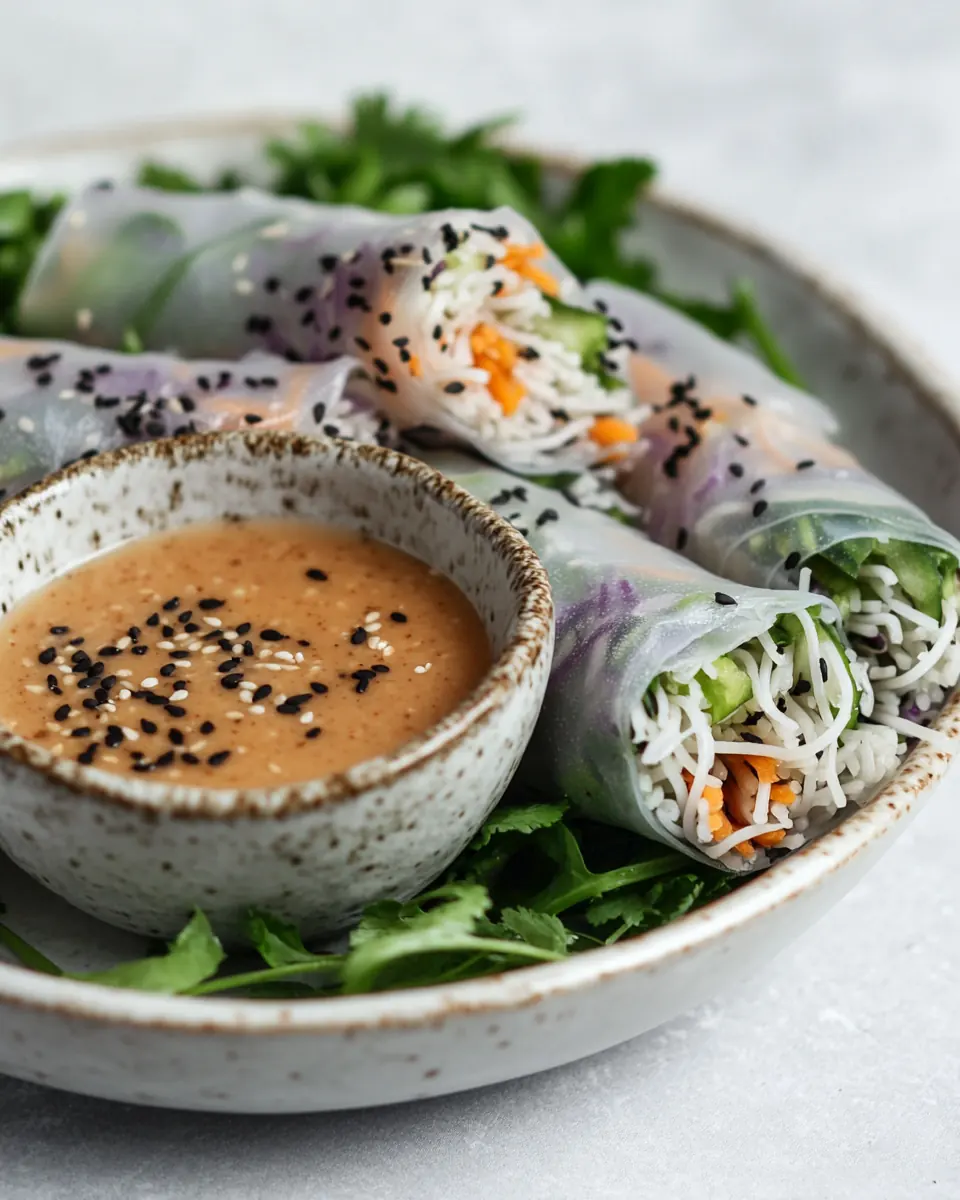
These ideas keep the core concept of Fresh Sesame Soba Spring Rolls with Almond Butter Dipping Sauce while offering simple variations for flavor, texture, or dietary needs. Use them to customize the recipe for different occasions.
- Boost the heat: Add extra jalapeno strips or a pinch more red pepper flakes to the dipping sauce to increase spice for guests who like it fiery.
- Make it completely nut forward: Stir a spoon of extra almond butter into the sauce for a richer, creamier dip that clings to the soba noodles and vegetables.
- Swap noodle texture: Use the same quantity of soba noodles but chill them longer after rinsing to create a firmer, more refreshing mouthfeel in warm weather.
- Increase herbal brightness: Add more chopped cilantro and a few extra sprigs of green onions for a fresher, aromatic profile.
- Adjust sauce viscosity: Thin the dipping sauce with additional lime juice to create a lighter pourable dip, or keep it thicker for scooping.
- Pack for travel: Layer the rolls snugly in a container with a damp towel to prevent drying, and pack the sauce separately to keep the wrappers intact during transport.
- Control salt: Reduce the tamari slightly if you are watching sodium, and compensate with a touch more lime juice for brightness.
What to Serve Alongside Fresh Sesame Soba Spring Rolls with Almond Butter Dipping Sauce
These rolls shine when paired with light, complementary dishes that echo their fresh profile or provide contrast in texture and temperature. The suggestions below cover casual lunches, picnic spreads, and easy weeknight dinners.
- Light broths: A small bowl of clear, gently seasoned vegetable broth complements the rolls without overwhelming their flavors, creating a soothing, balanced meal.
- Green salads: A crisp mixed green salad with a citrus vinaigrette mirrors the rolls fresh notes and adds leafy variety for heartier servings.
- Pickled sides: Quick pickled vegetables like radishes or daikon provide a bright acidic counterpoint that cuts through the creamy almond butter sauce.
- Fruit platter: Sliced mango or citrus segments bring a juicy sweetness that contrasts beautifully with the savory, nutty sauce.
- Serve for occasions: These rolls are ideal for spring gatherings, light lunches, brunches, or as part of a Ramadan iftar spread where a refreshing, shareable bite is appreciated.
- Storage tips: Store leftover rolls in a single layer in an airtight container with a damp towel on top, and keep the dipping sauce in a separate container; consume within 24 hours for the best texture.
- Seasonal pairings: In spring, pair with fresh herbs and peas; in summer, add ripe tomatoes on the side to amplify freshness and color.
FAQ
Conclusion
Fresh Sesame Soba Spring Rolls with Almond Butter Dipping Sauce shine because they combine crisp vegetables, nutty noodles, and a creamy, tangy sauce for a snack that feels both fresh and satisfying. Give them a try when you want something light yet flavorful, especially for warm weather lunches or casual gatherings. They are simple to prep, adaptable to what you have on hand, and reliably impressive on a platter, so I encourage you to roll a few up and enjoy the bright, layered flavors.
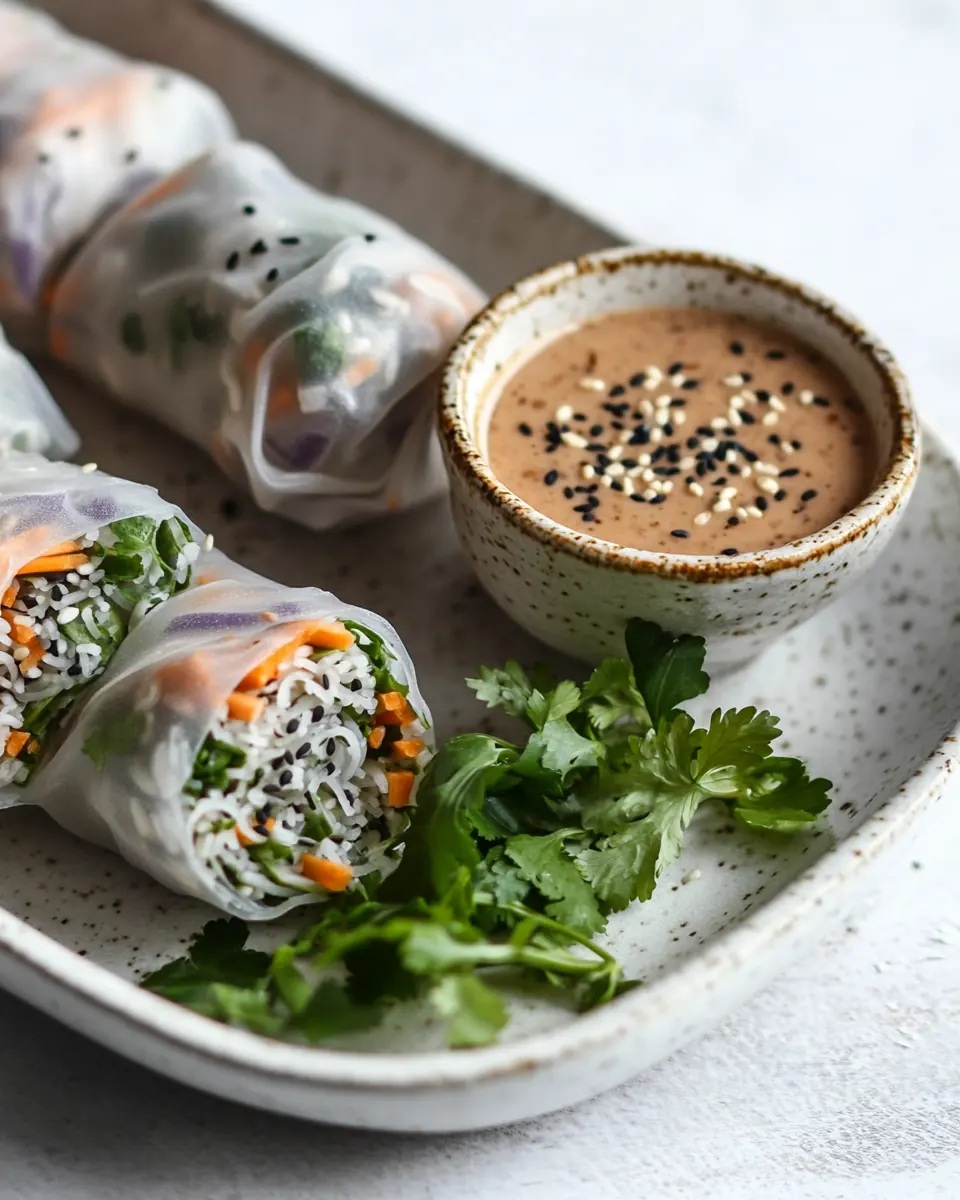
Fresh Sesame Soba Spring Rolls with Almond Butter Dipping Sauce
Ingredients
Equipment
Method
- Bring a large pot of salted water to boil and cook the soba noodles just until al dente, according to package directions. Rinse them under cold water, drain, and return them to the pot. Toss the noodles with the sesame seeds and toasted sesame oil. Set aside.: The kitchen will fill with a toasty, wheaty aroma as the water simmers, and the soba noodles should feel springy when the package timing ends. Rinsing them under cold water stops the cooking and removes excess starch, keeping the noodles separate and slippery rather than clumping. Tossing them with the sesame seeds and toasted sesame oil while still slightly warm helps the seeds stick and releases their fragrance into the noodles. A common mistake is overcooking the noodles, which leads to a mushy filling that lacks pleasant bite, so test a strand a minute or two before the end of the suggested time.
- Meanwhile, make the dipping sauce: In a small bowl, whisk together the almond butter, vinegar, tamari, honey, lime juice, sesame oil, ginger, garlic, and pepper flakes until well combined. If the sauce is too thick for dipping, stir in a little more lime juice.: In a small bowl, whisk together the almond butter, vinegar, tamari, honey, lime juice, sesame oil, ginger, garlic, and pepper flakes until well combined : When you whisk, the sauce becomes glossy and the aromas of ginger and garlic open up, offering a warm scent. If the mixture seems thick, adding a splash of extra lime juice thins it to a perfect dipping consistency while boosting brightness. The why here is flavor balance, as acid and salt lift the creamy almond butter so it does not feel heavy. One mistake is adding too much liquid at once, which can make the sauce too thin; add small amounts and taste as you go.
- To prepare the spring rolls: Run a julienne peeler or vegetable peeler down the length of the carrot and cucumber repeatedly, turning halfway, to create long 'noodles.' Toss the carrot and cucumber with the soba noodles.: Run a julienne peeler or vegetable peeler down the length of the carrot and cucumber repeatedly, turning halfway, to create long 'noodles' : As you peel, you will see long, translucent ribbons forming, their crunch and vibrant color promising freshness. Tossing the carrot and cucumber with the soba noodles helps distribute moisture and flavor, so the vegetables do not sit dry inside the roll. This technique ensures even bites and pleasing texture contrasts. A common error is cutting pieces too short, which makes rolling awkward, so aim for long, even strips.
- Fill a shallow pan larger than your rice papers (a pie pan works great) with warm water. Fold a lint-free towel in half and place it next to the dish (I just used a plastic cutting board). Make sure your prepared fillings are within reach.: The warm water softens the rice papers quickly, and you will hear a faint slosh as you submerge each sheet. Lay a lint free towel next to the pan to catch the softened wrapper and keep your workspace tidy. Having fillings within reach prevents over soaking which would produce an overly fragile wrapper that can tear during assembly. Avoid using boiling water, since it will over soften the sheets almost instantly and make them hard to handle.
- Place one rice paper in the water and let it rest for about 20 seconds. You'll learn to go by feel here—wait until the sheet is pliable but not super floppy. Carefully lay it flat on the towel.: You will notice the sheet turn from opaque to translucent; that is your cue that it is pliable. Carefully transfer it to the towel and pat lightly to remove excess water, leaving it soft but not soggy. This timing matters because an under softened wrapper will crack when you roll, while an over soaked one can fall apart and leak fillings. Practice makes perfect with timing, so test one sheet first to learn your preferred feel.
- Leaving about one inch of open rice paper around the edges, cover the lower third of the paper with a handful of soba, carrot and cucumber noodles. Top with a few strips of jalapeño and avocado in a row on top of the noodles, then sprinkle with green onions and chopped cilantro.: The sight of colorful layers is satisfying as you layer soba noodles and vegetable ribbons, and the tactile act of shaping a mound helps determine portion size. Adding a few strips of jalapeno and avocado gives spice and creamy contrast, while sprinkling green onions and cilantro adds fresh pops of flavor. The trick is to avoid overfilling; too much causes tearing or a loose roll that will not seal properly.
- Fold the lower edge over the fillings, then fold over the shorter sides like you would to make a burrito. Lastly, roll it up, stretching the remaining long side around the roll to seal it. Repeat with the remaining ingredients. Halve the rolls on the diagonal with a sharp chef's knife (or serve whole) with the almond butter dipping sauce on the side.: You will feel the rice paper snug against the fillings as you fold, and the roll will start to compact, holding its shape. Stretch the remaining long side over the roll to seal it tightly, which helps create a neat, cohesive cylinder that slices cleanly. If you rush this step, the wrapper may slip or seal incompletely, so take a calm moment to press and align the edges for a tidy finish.
- Repeat with the remaining ingredients: Each roll will develop its own small character as you work, with variations in thickness or filling placement, and you will likely refine your technique after two or three. Keep used rolls covered with a damp towel to prevent drying while you finish the batch. A common slip up is letting completed rolls sit uncovered, which dries the rice paper and makes the texture papery instead of supple.
- Halve the rolls on the diagonal with a sharp chef's knife or serve whole with the almond butter dipping sauce on the side: The diagonal cut reveals the colorful layers, and a clean slice depends on a very sharp blade to avoid squashing the roll. Serving them immediately ensures the avocado stays bright and the wrappers retain their pleasurable chew. If you must wait, store the rolls in a single layer covered to preserve texture; stacking can bruise and flatten them.
Notes
- Boost the heat: Add extra jalapeno strips or a pinch more red pepper flakes to the dipping sauce to increase spice for guests who like it fiery.
- Make it completely nut forward: Stir a spoon of extra almond butter into the sauce for a richer, creamier dip that clings to the soba noodles and vegetables.
- Swap noodle texture: Use the same quantity of soba noodles but chill them longer after rinsing to create a firmer, more refreshing mouthfeel in warm weather.
- Increase herbal brightness: Add more chopped cilantro and a few extra sprigs of green onions for a fresher, aromatic profile.
- Adjust sauce viscosity: Thin the dipping sauce with additional lime juice to create a lighter pourable dip, or keep it thicker for scooping.
- Pack for travel: Layer the rolls snugly in a container with a damp towel to prevent drying, and pack the sauce separately to keep the wrappers intact during transport.
- Control salt: Reduce the tamari slightly if you are watching sodium, and compensate with a touch more lime juice for brightness.