Dutch Caramel Apple Pie Bars
Dutch Caramel Apple Pie Bars have been a fall staple in my kitchen for years, calling me in from crisp afternoons with the warm scent of cinnamon and buttery crust wafting through the house. I first baked these when a neighbor dropped off a bag of tart apples, and I wanted something more comforting than a single pie, something I could slice into handheld squares to share at a potluck. The result was an easy to serve tray of bars that balanced tart apples, a tender crust, and a crunchy streusel, finished with a silky caramel that made everyone pause.
The memory that sticks with me is the sound of forks clinking against plates as friends tasted a warm square right out of the pan, the caramel ribboning over the top and thickening as it cooled. Over time I tweaked the proportions, adjusted spice levels, and learned how to judge when the filling is perfectly bubbly so you get that ideal chew without sogginess. Now when I bake a pan of Dutch Caramel Apple Pie Bars, I think about the afternoon light, the kettle on the stove, and how a simple recipe can gather people together.
These bars are forgiving and soulful, the kind of dessert you can hand to guests without ceremony and still earn compliments. They travel well to picnics and potlucks, and they slice neatly for a brunch spread or a Thanksgiving dessert table. Every time I make them I remember that first batch and feel pleased that a cast of humble pantry staples can turn into something so comforting and memorable.
Recipe Snapshot
1 hr 15 mins
30 mins
45 mins
Medium
300 kcal
American
Gluten-Free, Low FODMAP
Desserts
13×9 inch pan, Oven, Mixing bowls, Pastry blender, Saucepan, Whisk
What We Adore About This Dutch Caramel Apple Pie Bars
Comforting Fall Flavor
I adore how Dutch Caramel Apple Pie Bars capture the essence of fall in one pan. The combination of tart apples and warm spices creates a layered flavor that feels both nostalgic and fresh. I reach for this recipe when I want dessert that tastes like an afternoon by the window, not something overly fussy.
Textural Contrast
The magic is the contrast, the tender crust underneath a bubbling filling and a crumbly topping, finished with a glossy caramel. I love how the crumb topping gives a pleasant crunch against the soft apple pieces, and that interplay keeps every bite interesting.
Easy to Scale and Share
Because this is made in a 13 by 9 inch pan, it feeds a crowd without extra effort. I often double it for larger gatherings or make a single pan to bring to friends. The bars slice cleanly when cooled to lukewarm, which makes serving quick and tidy.
Hands On but Forgiving
These bars are approachable for home bakers. There are a few techniques that matter, like pressing the crust evenly and watching the filling bubble, but I’ve found the recipe forgives small mistakes. If you overbake a touch, the caramel still shines and the apples stay pleasant.
Great Make Ahead Dessert
I frequently make the caramel ahead and refrigerate it, then warm slightly to drizzle before serving. That flexibility lets me enjoy the social part of entertaining, while the kitchen work can be done earlier. Overall, Dutch Caramel Apple Pie Bars earn a spot in my fall rotation for flavor, texture, and convenience.
Essential Ingredients for Dutch Caramel Apple Pie Bars
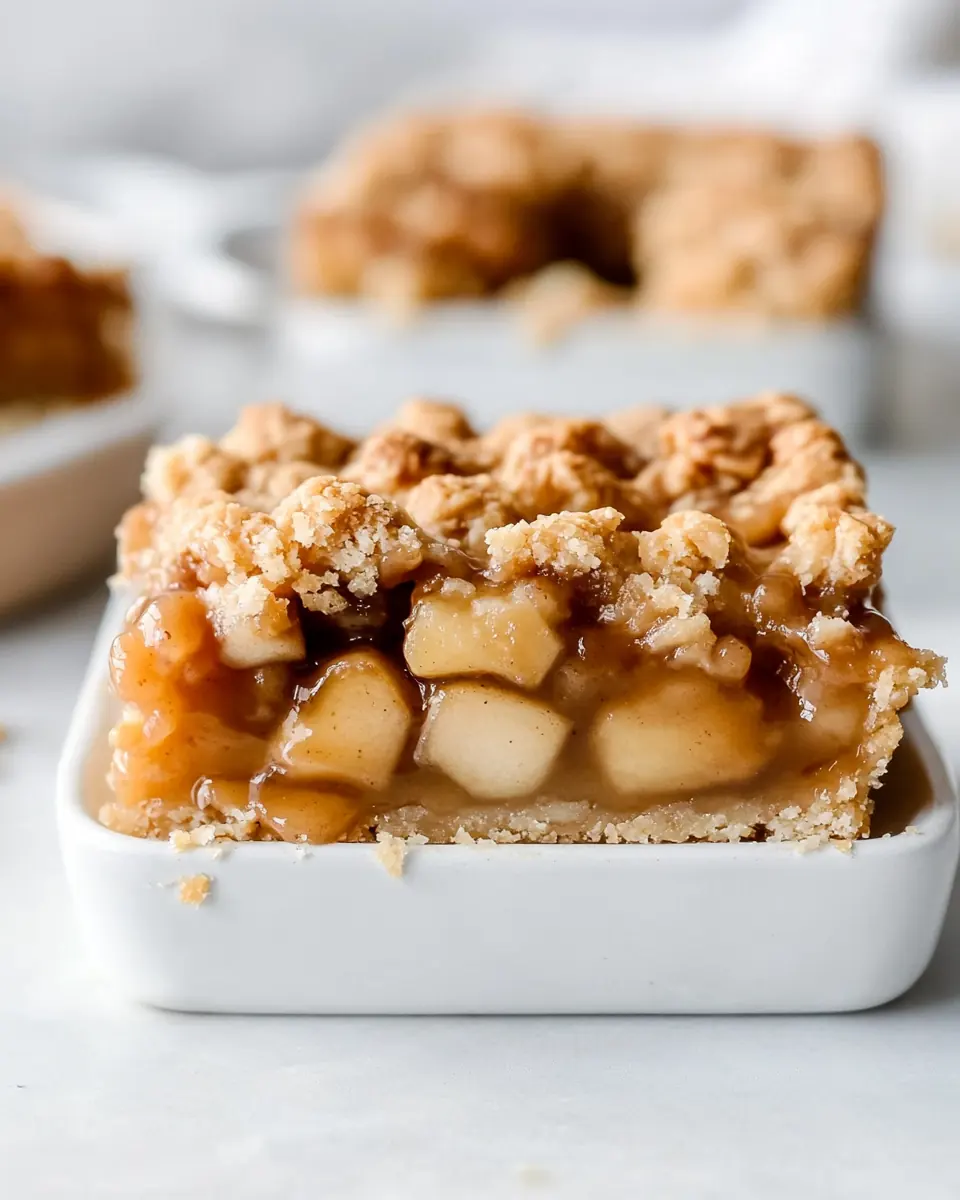
These ingredients form a simple orchestra, where each player has a clear job. The flours and butter create a tender yet sturdy crust and crumb topping, while the apples bring brightness and texture. Spices and a touch of salt lift the flavors, and the caramel finishes everything with a rich, silky note. Keeping the proportions balanced ensures the bars bake evenly and slice cleanly.
- 1 1/2 cups all-purpose flour: Provide structure and body to the crust and crumble, giving the bars a tender, cohesive base; measure carefully and spoon into the cup for accuracy. Combine with fats and liquids to form a flaky texture that supports the filling during baking.
- 3/4 teaspoons salt: Enhance overall flavor balance by moderating sweetness and bringing out other spices; dissolve into the dough or filling for even seasoning. Help control yeast activity in recipes and improve the perception of other ingredients when used sparingly.
- 1/2 cup unsalted butter: Contribute richness and moisture to the crust and crumble, creating a tender, buttery mouthfeel; work into flour until pea-sized for a flaky texture. Chill before combining if needed to prevent over-softening and ensure a crisp bake.
- 1 large egg beaten: Bind dough components and add richness, helping the crust hold together while contributing a slight lift; whisk before incorporating evenly into mixtures. Add at room temperature for smoother integration and to avoid creating dense spots in the pastry.
- 2 tablespoons cold water: Provide moisture to hydrate the dough and help form a cohesive crust; add a tablespoon at a time until desired consistency is reached. Keep cold to encourage flakiness and prevent overworking the butter in pastry preparation.
- 2 tablespoons unbleached all-purpose flour: Thicken and stabilize the filling, helping juices adhere to the fruit and preventing a runny result; sprinkle evenly over apples before baking. Absorb excess liquid released during cooking to ensure the bars set properly.
- 1/2 3/4 cup sugar: Sweeten the filling to taste, balancing tartness from the apples and caramel; adjust within the listed range based on apple sweetness. Dissolve with the fruit juices during baking to create a pleasant syrup that coats the filling.
- 1/8 teaspoon nutmeg: Add warm, aromatic spice notes that complement apples and cinnamon; use sparingly to avoid overpowering the filling. Toasting slightly before use can intensify the nutty, slightly sweet aroma.
- 1/2 teaspoon cinnamon: Provide warming spice and depth to the apple filling and streusel, harmonizing with cinnamon and nutmeg for classic apple pie flavor. Combine with sugars and fruits to distribute spice evenly throughout the bars.
- 1/4 teaspoons salt: Enhance overall flavor by subtly balancing sweetness and stabilizing ingredients in both crust and filling; use measured small amounts for consistency. When used in multiple components, keep track to avoid over-salting the recipe.
- 6 cups peeled cored diced apples I used Granny Smith: Deliver bulk, tartness, and fresh texture as the main fruit component; choose firm, tart varieties like Granny Smith for structure that holds during baking. Dice uniformly to ensure even cooking and consistent bite throughout the bars.
- 2 teaspoons vanilla extract: Amplify vanilla notes in the filling, enriching the caramel and apple flavors; stir into warm fruit mixture so the aroma disperses evenly. Use pure extract for the most natural, full-bodied flavor.
- 1/2 cup heavy cream: Add creaminess and a luxurious mouthfeel to the caramel sauce, creating a smooth texture and richer taste; warm gently before combining with sugars. Incorporate slowly to prevent separating and to achieve a glossy finish.
- 1 1/2 cups unbleached all-purpose flour: Contribute to the crumb or topping structure, providing additional gluten for a slightly firmer texture in the streusel or crust. Use unbleached for a slightly nuttier flavor and consistent baking performance.
- 3/4 cups sugar: Sweeten the crumble or topping and help create a crisp caramelized surface as it bakes; distribute evenly for balanced sweetness. Adjust quantity if topping other components to avoid overly sweet results.
- 1/4 teaspoons salt: Balance flavors in the topping or dough by enhancing sweetness perception and controlling the overall taste profile; small amounts ensure cohesion. Use the same measured amount across components to maintain consistency.
- 1 teaspoon cinnamon: Impart warm spice to the streusel or filling, reinforcing cinnamon notes and adding aromatic complexity; mix thoroughly with sugars and flour. Freshly ground cinnamon will provide the most vibrant flavor.
- 1/2 cup unsalted butter melted: Provide moisture and richness to the crumble, creating a tender, slightly chewy texture as it bakes; melt and cool slightly before mixing with dry ingredients. Butter aids browning and contributes to the appealing color of the topping.
- 1 teaspoon vanilla extract: Enhance overall sweetness and aroma in either the filling or topping by contributing a floral, deep vanilla flavor; mix into batters or glazes for even distribution. Use sparingly as vanilla is potent and can dominate if overused.
- 1 cup brown sugar: Sweeten and add deep, molasses-like flavor to the caramel sauce or topping, creating a richer, more complex sweetness than white sugar. Pack firmly when measuring to ensure accurate amounts for proper caramel consistency.
- 4 tablespoons butter: Melt into the caramel and enrich texture, providing buttery flavor and aiding smoothness; add slowly to the heated sugar mixture to avoid separation. Use unsalted to control overall salt levels when combined with other salts in the recipe.
- 1/2 cup Half-and-half: Lighten and smooth the caramel or glaze by adding dairy richness while thinning the sauce to a pourable consistency; warm slightly before whisking in to prevent cooling the sugar mixture too quickly. Half-and-half provides a balance between creaminess and pourability.
- 1 tablespoon vanilla: Deliver concentrated vanilla aroma and sweetness to the caramel or finishing glaze, rounding out the sauce with a fragrant note; add after removing from heat to preserve flavor. Use pure vanilla extract for the most authentic taste.
- Pinch of salt: Heighten and balance the sweetness and other flavors by providing a subtle savory contrast; sprinkle a tiny pinch into sauces or fillings. Salt amounts should be adjusted across components to avoid over-salting the finished bars.
How to Make Dutch Caramel Apple Pie Bars
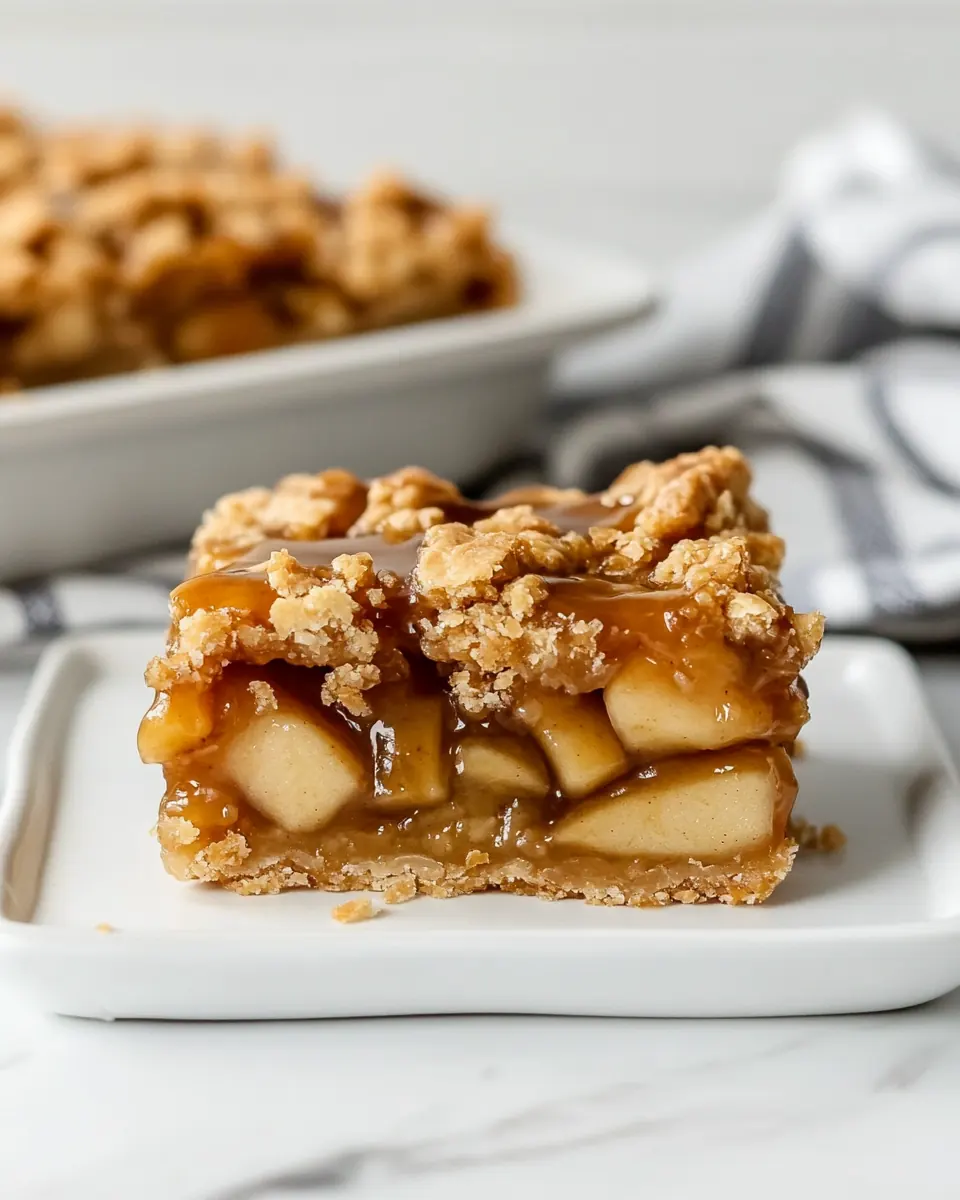
These directions walk you through building a sturdy crust, a tender apple filling, a golden streusel, and a silky caramel. I like to set out bowls and measure ingredients ahead of time so the assembly moves smoothly. Keep an eye on visual cues like bubbling filling and golden topping to know when everything is done.
- Preheat the oven to 425 degrees and lightly grease a 13×9 inch pan.: Warm air begins the transformation, filling the kitchen with a faint dry heat that will help the crust set quickly. You'll notice the oven temperature spike steady and even, which is important because starting at a higher heat gives the crust structure before the filling adds moisture. A common mistake is placing the pan in a cold oven, which yields a soggy base, so always preheat fully. If your oven runs hot, use an oven thermometer to confirm the temperature, and grease the pan liberally so the baked bars release easily.
- In a medium-sized mixing bowl, whisk together the flour and salt; using a pastry blender, cut in the butter. Drizzle the beaten egg over the mixture and toss lightly to combine.: The tactile crunch and slight resistance as you cut in the cold butter are signals that you are creating those small pockets that turn flaky when baked. The flour and salt marry to form the dry matrix that will support the filling, and the beaten egg adds richness and cohesion without making the dough tough. Work quickly so the butter stays cold, and if the mixture becomes greasy or the butter softens, pop the bowl into the fridge for 10 minutes. Avoid overmixing because it develops gluten and leads to a dense, chewy crust.
- Add the cold water 1 tablespoon at a time, stirring gently until the dough starts to clump together. Roll the dough into a generous rectangle to fit your pan. Place the dough in the pan and prick it all over with a fork; bake it for 10-12 minutes until it is set and barely starting to harden.: As the cold water unites the dough, you will see it hold shape without becoming sticky, indicating the right hydration. Rolling into a rectangle helps you press it evenly into the pan, and pricking the surface releases steam so the base stays crisp. The aroma will shift to a faint buttered bread smell as it sets. Resist the urge to overbake at this stage, because it will continue to cook under the filling. A common error is making the crust too thin, which can lead to breakage when cutting, so aim for an even thickness across the pan.
- Whisk the flour, sugar, spices, and salt together. Add in the apples, tossing to coat. Stir in the vanilla, then the cream, and spread the filling over the crust.: Coating the diced apples in the dry mix ensures each piece absorbs spice and sugar, and you will see the fruit take on a glossy sheen when the vanilla and cream are added. The filling should mound slightly over the crust but not overflow; as it bakes the juices will loosen and the surface will bubble. Smell the warm spice aroma settling in the bowl, a signal the flavors are melding. A frequent pitfall is uneven apple pieces, so dice uniformly to encourage consistent softness across the pan.
- In a mixing bowl, whisk together the flour, sugar, salt, and cinnamon.: This dry mixture forms the base for the crumb topping, and whisking it aerates the flour slightly, making for a lighter crumb. The cinnamon will perfume the mixture, and you should notice a spiced sweetness in the air. If the sugar clumps, break it up with a fork so the melted butter distributes evenly later. Over-beating can add too much air, which might make the topping less cohesive after baking.
- In another bowl, combine the melted butter and extracts; pour over the flour mixture.: Pouring warm, melted butter over the dry ingredients creates a satin texture as the fat coats each grain of flour and sugar, which is what yields those crisp crunchy crumbs. The mixture will smell rich and buttery with notes of vanilla lifting it. Work quickly so the butter is still warm and fluid, allowing for even absorption. If the butter cools and solidifies, the crumb will be uneven and more cakey than crumbly.
- Stir until the butter is absorbed and the mixture forms fairly even crumbs and sprinkle over the filling.: When the crumbs are the right size, they will hold together loosely when pinched between fingers but still fall apart easily, that balance creates a topping that bakes to golden crispness. Sprinkle uniformly to ensure even browning. You will hear a slight scattering sound as the crumbs hit the filling, and the contrast between the soft fruit and raw crumb is satisfying. Avoid pressing the crumbs down, which can compact them and prevent air pockets that bake into crunch.
- Bake for 15 minutes; decrease temperature to 350°; bake for 30-35 minutes, or until the topping is brown and the filling is bubbly.: During the first high heat stage the topping will begin to set and the filling will start to bubble, then the lower temperature lets the apples finish cooking through without burning the crumb. Expect a rich aroma of caramelized sugar and spices as the sugars brown. Look for bubbling along the edges and a deep golden top; those are your visual cues. A common mistake is not reducing the temperature, which can brown the topping too quickly while the filling remains undercooked.
- Remove from oven and cool on a rack; let them cool to lukewarm before cutting.: Cooling on a rack lets air circulate and prevents steam from making the base soggy. As the bars cool to lukewarm, the filling sets so slices hold their shape and the caramel firms slightly. The top will still be warm, and the aroma stays inviting. Cutting too hot leads to runny slices, so patience pays off. If you slice too soon, use a spatula to help lift the pieces, but expect a looser texture.
- Mix all ingredients in a medium saucepan over medium-low to medium heat. Cook while whisking gently for 5 to 7 minutes, until thicker. Turn off the heat. Serve warm or refrigerate until cold. Drizzle on top of dutch caramel apple pie bars.: The caramel will shift from glossy and syrupy to a thicker coat as it cooks, and you will hear a gentle simmer while whisking. The aroma becomes toasty and sweet, and the caramel should lightly coat the back of a spoon when ready. Off the heat, it will continue to thicken as it cools, so temper its temperature before drizzling. A typical error is boiling too hard, which can cause separation or burning, so maintain a gentle simmer and whisk consistently for a smooth finish.
Tips and Variations
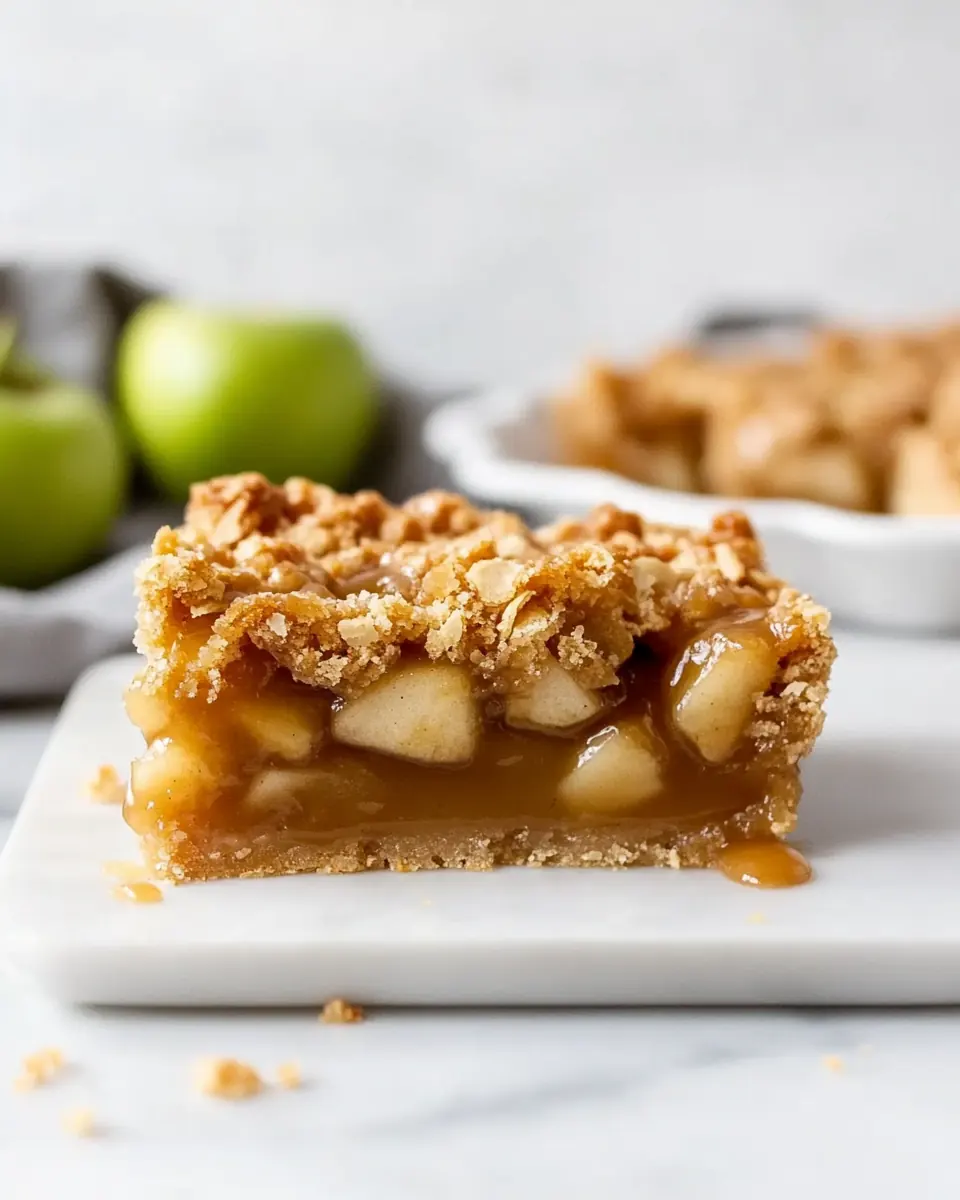
I often offer a few small adjustments that let you tailor these bars to your taste. Below are practical tips I use regularly, and a handful of variations to change texture or sweetness without altering the soul of the recipe.
- Chill the crust: If the dough feels warm or sticky, refrigerate it for 10 to 20 minutes to firm the butter so it creates a flakier base.
- Even apple pieces: Dice the apples uniformly so they cook at the same rate, preventing some pieces from becoming mush while others stay too firm.
- Adjust sugar to apple tartness: Start with the lower amount of sugar for tart apples and increase if you use sweeter fruit to keep balance.
- Brown butter for extra depth: If you want a nuttier aroma, brown the butter for the streusel before mixing, then let it cool slightly before combining.
- Make caramel ahead: Prepare the caramel earlier in the day and refrigerate; warm gently before drizzling for faster serving during gatherings.
- Prevent soggy bottom: Blind bake the crust until it is just set and starting to harden, this helps it resist the moisture from the filling as it bakes.
Serving Options for Dutch Caramel Apple Pie Bars
These bars are versatile and fit many occasions. Whether you need a casual dessert for a weeknight or something for a holiday table, they work beautifully. I like to present them warm with a drizzle of extra caramel, or room temperature for easier transport. Below are serving ideas and storage tips to keep them tasting great.
- Serve warm with a scoop of ice cream: A scoop of vanilla or caramel ice cream melts over the warm bars, creating a luscious contrast between hot and cold.
- Cut into small squares for potlucks: The bars slice neatly when lukewarm, making them ideal for sharing at gatherings like Thanksgiving or fall picnics.
- Pack for brunch: Pair a plate of bars with coffee and tea for a relaxed brunch spread; they travel well if wrapped carefully.
- Store in an airtight container: Keep leftovers at room temperature for up to two days, or refrigerate up to five days; rewarm gently before serving to revive the caramel.
- Freeze for make ahead: Freeze whole or cut into pieces, wrapped tightly, for up to two months; thaw overnight in the fridge and warm briefly before serving.
- Holiday table centerpiece: Arrange squares on a platter and drizzle extra warm caramel before serving as a Thanksgiving dessert option that pairs well with spiced beverages.
FAQ
Conclusion
These Dutch Caramel Apple Pie Bars combine a tender crust, a warmly spiced apple filling, a crunchy streusel, and a silky caramel to create a dessert that feels like fall in every bite. They are approachable to make, easy to share, and flexible enough to prep ahead when you have a busy hosting schedule. Give them a try at your next gathering, and enjoy how a single pan can deliver layered textures and cozy flavors that bring people together.
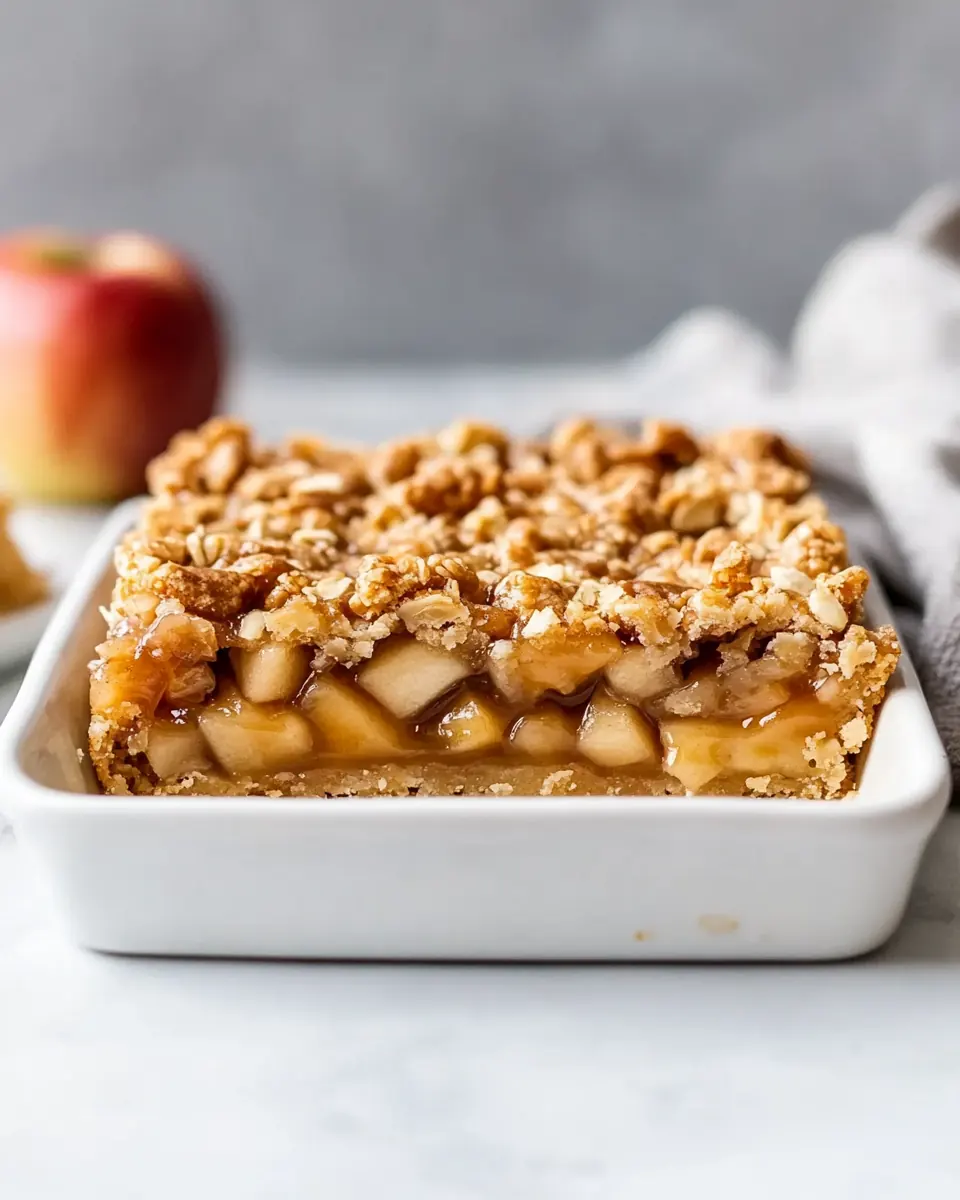
Dutch Caramel Apple Pie Bars
Ingredients
Equipment
Method
- Preheat the oven to 425 degrees and lightly grease a 13×9 inch pan.: Warm air begins the transformation, filling the kitchen with a faint dry heat that will help the crust set quickly. You'll notice the oven temperature spike steady and even, which is important because starting at a higher heat gives the crust structure before the filling adds moisture. A common mistake is placing the pan in a cold oven, which yields a soggy base, so always preheat fully. If your oven runs hot, use an oven thermometer to confirm the temperature, and grease the pan liberally so the baked bars release easily.
- In a medium-sized mixing bowl, whisk together the flour and salt; using a pastry blender, cut in the butter. Drizzle the beaten egg over the mixture and toss lightly to combine.: The tactile crunch and slight resistance as you cut in the cold butter are signals that you are creating those small pockets that turn flaky when baked. The flour and salt marry to form the dry matrix that will support the filling, and the beaten egg adds richness and cohesion without making the dough tough. Work quickly so the butter stays cold, and if the mixture becomes greasy or the butter softens, pop the bowl into the fridge for 10 minutes. Avoid overmixing because it develops gluten and leads to a dense, chewy crust.
- Add the cold water 1 tablespoon at a time, stirring gently until the dough starts to clump together. Roll the dough into a generous rectangle to fit your pan. Place the dough in the pan and prick it all over with a fork; bake it for 10-12 minutes until it is set and barely starting to harden.: As the cold water unites the dough, you will see it hold shape without becoming sticky, indicating the right hydration. Rolling into a rectangle helps you press it evenly into the pan, and pricking the surface releases steam so the base stays crisp. The aroma will shift to a faint buttered bread smell as it sets. Resist the urge to overbake at this stage, because it will continue to cook under the filling. A common error is making the crust too thin, which can lead to breakage when cutting, so aim for an even thickness across the pan.
- Whisk the flour, sugar, spices, and salt together. Add in the apples, tossing to coat. Stir in the vanilla, then the cream, and spread the filling over the crust.: Coating the diced apples in the dry mix ensures each piece absorbs spice and sugar, and you will see the fruit take on a glossy sheen when the vanilla and cream are added. The filling should mound slightly over the crust but not overflow; as it bakes the juices will loosen and the surface will bubble. Smell the warm spice aroma settling in the bowl, a signal the flavors are melding. A frequent pitfall is uneven apple pieces, so dice uniformly to encourage consistent softness across the pan.
- In a mixing bowl, whisk together the flour, sugar, salt, and cinnamon.: This dry mixture forms the base for the crumb topping, and whisking it aerates the flour slightly, making for a lighter crumb. The cinnamon will perfume the mixture, and you should notice a spiced sweetness in the air. If the sugar clumps, break it up with a fork so the melted butter distributes evenly later. Over-beating can add too much air, which might make the topping less cohesive after baking.
- In another bowl, combine the melted butter and extracts; pour over the flour mixture.: Pouring warm, melted butter over the dry ingredients creates a satin texture as the fat coats each grain of flour and sugar, which is what yields those crisp crunchy crumbs. The mixture will smell rich and buttery with notes of vanilla lifting it. Work quickly so the butter is still warm and fluid, allowing for even absorption. If the butter cools and solidifies, the crumb will be uneven and more cakey than crumbly.
- Stir until the butter is absorbed and the mixture forms fairly even crumbs and sprinkle over the filling.: When the crumbs are the right size, they will hold together loosely when pinched between fingers but still fall apart easily, that balance creates a topping that bakes to golden crispness. Sprinkle uniformly to ensure even browning. You will hear a slight scattering sound as the crumbs hit the filling, and the contrast between the soft fruit and raw crumb is satisfying. Avoid pressing the crumbs down, which can compact them and prevent air pockets that bake into crunch.
- Bake for 15 minutes; decrease temperature to 350°; bake for 30-35 minutes, or until the topping is brown and the filling is bubbly.: During the first high heat stage the topping will begin to set and the filling will start to bubble, then the lower temperature lets the apples finish cooking through without burning the crumb. Expect a rich aroma of caramelized sugar and spices as the sugars brown. Look for bubbling along the edges and a deep golden top; those are your visual cues. A common mistake is not reducing the temperature, which can brown the topping too quickly while the filling remains undercooked.
- Remove from oven and cool on a rack; let them cool to lukewarm before cutting.: Cooling on a rack lets air circulate and prevents steam from making the base soggy. As the bars cool to lukewarm, the filling sets so slices hold their shape and the caramel firms slightly. The top will still be warm, and the aroma stays inviting. Cutting too hot leads to runny slices, so patience pays off. If you slice too soon, use a spatula to help lift the pieces, but expect a looser texture.
- Mix all ingredients in a medium saucepan over medium-low to medium heat. Cook while whisking gently for 5 to 7 minutes, until thicker. Turn off the heat. Serve warm or refrigerate until cold. Drizzle on top of dutch caramel apple pie bars.: The caramel will shift from glossy and syrupy to a thicker coat as it cooks, and you will hear a gentle simmer while whisking. The aroma becomes toasty and sweet, and the caramel should lightly coat the back of a spoon when ready. Off the heat, it will continue to thicken as it cools, so temper its temperature before drizzling. A typical error is boiling too hard, which can cause separation or burning, so maintain a gentle simmer and whisk consistently for a smooth finish.
Notes
- Chill the crust: If the dough feels warm or sticky, refrigerate it for 10 to 20 minutes to firm the butter so it creates a flakier base.
- Even apple pieces: Dice the apples uniformly so they cook at the same rate, preventing some pieces from becoming mush while others stay too firm.
- Adjust sugar to apple tartness: Start with the lower amount of sugar for tart apples and increase if you use sweeter fruit to keep balance.
- Brown butter for extra depth: If you want a nuttier aroma, brown the butter for the streusel before mixing, then let it cool slightly before combining.
- Make caramel ahead: Prepare the caramel earlier in the day and refrigerate; warm gently before drizzling for faster serving during gatherings.
- Prevent soggy bottom: Blind bake the crust until it is just set and starting to harden, this helps it resist the moisture from the filling as it bakes.