Easy Fried Rice
Easy Fried Rice is the kind of weekday hero I reach for when the fridge is whispering for rescue. I remember the first time I tossed day old rice into a hot skillet with a handful of thawed vegetables and a splash of soy, and how the whole kitchen filled with toasty, savory aromas that felt like comfort and speed in equal measure.
That night I had a hungry crew at the table and almost no time. I grabbed a few simple staples, fried up a couple of eggs, folded in shredded cooked chicken and the chilled rice, and in less than half an hour we were sitting down to a bowl that tasted far richer than its humble ingredients. Over the years I learned tiny tricks that lift this dish, like making sure the rice is well chilled and using a hot pan so each grain gets a slight sear, which adds the best texture and flavor.
What I love about this version of Easy Fried Rice is how forgiving it is. You can scale it up easily without losing balance, and it reheats beautifully for lunches. I often make a batch on Sunday, then tweak it through the week, adding a squeeze of sesame oil or extra garlic depending on my mood. Cooking it has become a small act of creativity, and I hope these notes help you make it your own.
Recipe Snapshot
30 mins
15 mins
15 mins
Easy
400 kcal
Asian
Gluten-Free, Low FODMAP
Dinner
Large skillet, Spatula, Bowl
Why Try This Easy Fried Rice
Versatile and Fast
I always reach for Easy Fried Rice when the clock is tight and the crew is hungry. It comes together in minutes, and yet it feels composed. The combination of chilled rice, quick sear, and finishing oils makes each bite satisfying. Because I can swap proteins or keep it vegetarian, it works for weeknight dinners, meal prep, or a lazy weekend lunch.
Texture That Sings
One of the joys I notice every time I cook Easy Fried Rice is the contrast between the tender grains and the slight crisp that forms where rice meets pan. I like to use long grain white rice for its light, separate texture. When the rice has a little sear, you get subtle toasted notes that elevate the whole dish.
Balanced Savory Flavor
The interplay of soy sauce and sesame oil is a small but powerful trick I use to build deep savory layers. The soy lends salty umami, while the sesame oil adds a rounded, nutty finish. Adding garlic and a touch of salt and pepper lets those flavors shine without overpowering the other elements.
Great for Using Leftovers
I’ve rescued many lonely bites of cooked chicken and a bag of frozen veggies by turning them into Easy Fried Rice. It transforms small amounts of leftovers into a cohesive, tasty meal. This dish rewards a few smart prep habits like chilling rice and defrosting vegetables properly, which I always do to keep the texture spot on.
Kid Friendly and Customizable
When I cook for picky eaters, Easy Fried Rice is my secret weapon. The flavors are familiar and the chunks are small, so it goes down well. At the same time I can sneak in extra vegetables or protein and everyone is happy. It’s adaptable for lunches, dinners, or even potluck aisles where it tends to disappear fast.
Essential Ingredients for Easy Fried Rice
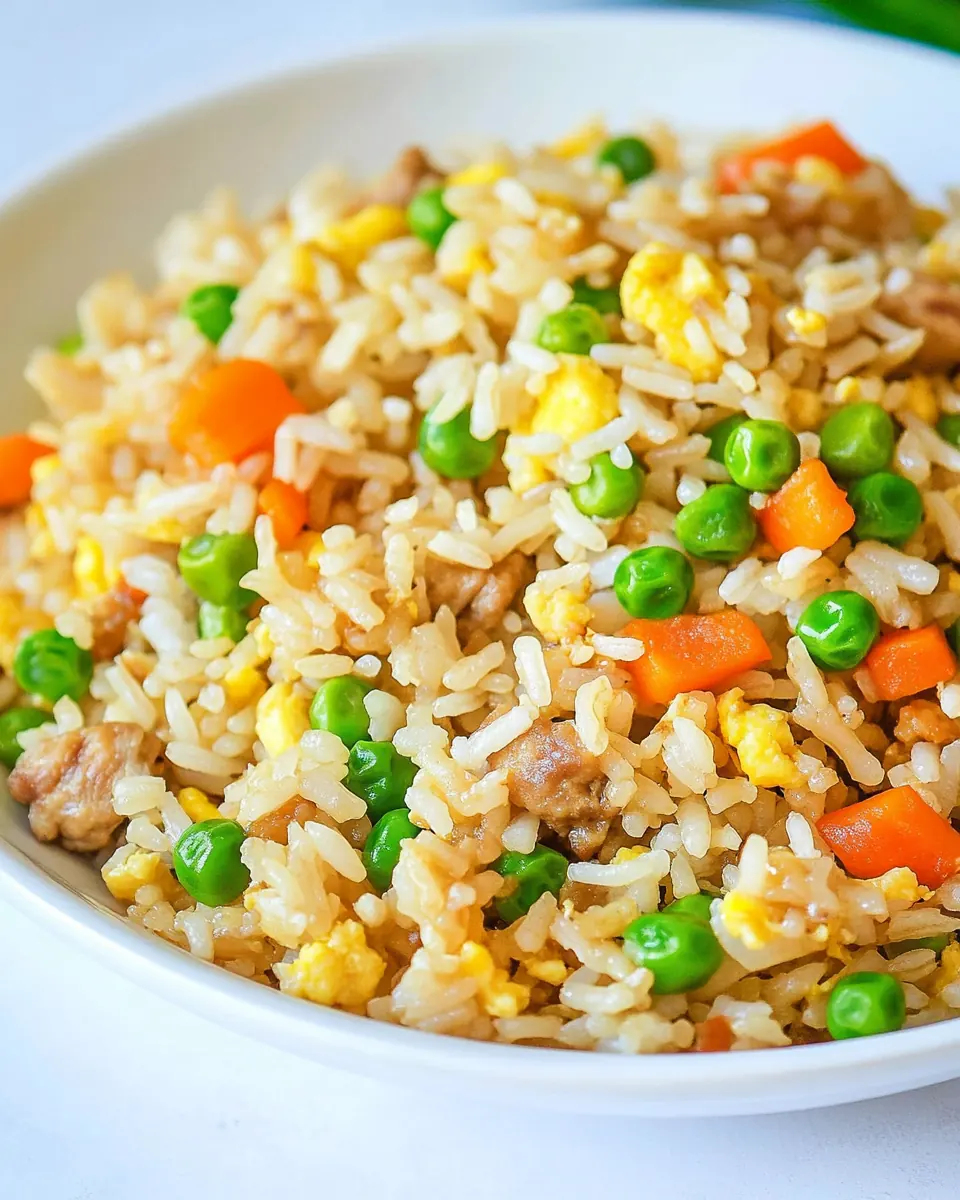
Good fried rice is all about harmony. A few reliable ingredients work together to create contrast in texture, layers of savory flavor, and a rounded finish. The rice forms the base, oil and eggs add richness, soy and sesame oil provide depth, and peas and carrots bring color and sweetness. Together these players make a quick, balanced meal that feels both simple and complete.
- 2 cups cooked long-grain white rice chilled: Provide a neutral starchy base that soaks up flavors and gives the dish its characteristic texture; chilled rice helps prevent clumping and yields separated grains when stir-fried. Reheating gently in a hot pan restores some chew while allowing other ingredients to coat each grain evenly.
- 2 tbsp vegetable oil: Heat quickly in the wok or skillet to facilitate frying and prevent sticking; vegetable oil has a high smoke point suitable for tossing rice and vegetables. Contribute a neutral fat that carries aromatics and helps create slight crispness on rice surfaces without overpowering other flavors.
- 12 16 oz bag frozen peas & carrots thawed: Bring a sweet and tender vegetable component that adds color, nutrients, and moisture; thawed peas and carrots release little liquid when cooked and warm rapidly. Offer textural contrast and natural sweetness that balances savory elements while keeping preparation convenient.
- 1 2 cooked boneless chicken breasts cut into small bite size pieces: Add cooked protein and bulk while keeping the preparation quick; bite–size chicken pieces integrate easily with rice and absorb sauces. Provide savory, meaty flavor and satisfying substance to make the dish a complete meal without additional cooking time if pre-cooked.
- 2 cloves garlic finely minced: Contribute sharp, aromatic flavor that brightens the fried rice when quickly sautéed; finely minced garlic releases its essence rapidly in hot oil. Enhance overall aroma and depth without leaving large pieces, distributing savory notes through each spoonful.
- 2 large eggs slightly beaten: Create custardy richness and additional body when scrambled into the hot rice; slightly beaten eggs form small curds that cling to grains. Supply protein and a silky mouthfeel that binds components together while adding a mild, comforting flavor.
- 3 tsp soy sauce: Impart savory umami and salty seasoning that ties the dish together; measured soy sauce seasons the rice and vegetables evenly when tossed. Provide depth of flavor and color while allowing control over overall saltiness.
- 2 tsp sesame oil: Add a fragrant, nutty finish that elevates flavor complexity; sesame oil is best used sparingly at the end of cooking to preserve its aroma. Complement soy sauce and aromatics with a toasty note that lingers on the palate.
- salt & pepper to taste: Balance and enhance flavors while allowing personal preference; salt and pepper adjust seasoning to taste and sharpen overall profile. Use sparingly and taste as you go to avoid over-salting, especially because soy sauce already contributes sodium.
How to Prepare Easy Fried Rice
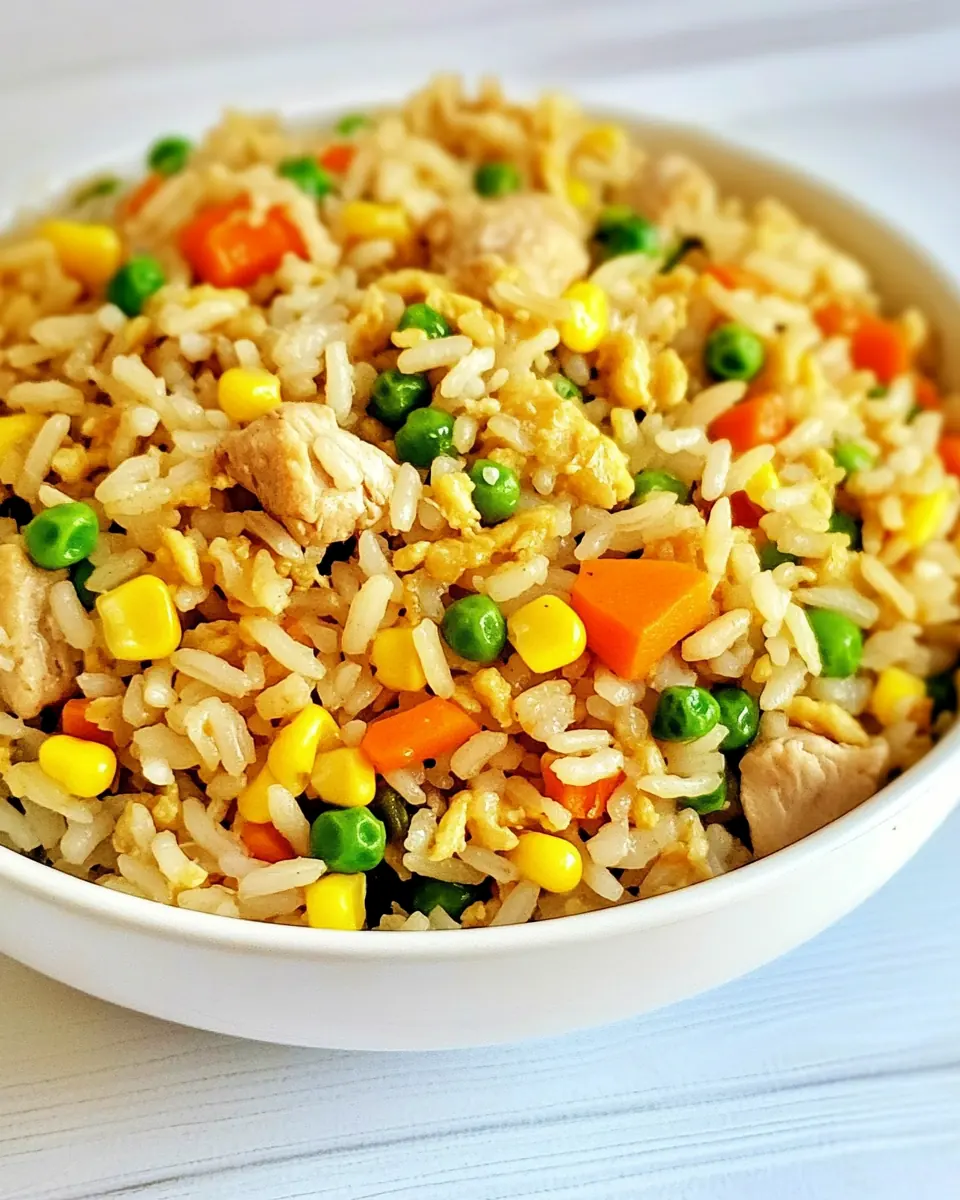
Getting this recipe right is all about heat, timing, and attention. With a hot pan and chilled rice, the steps flow quickly, so have your ingredients prepped and within reach. The directions below expand on the original steps with sensory cues, explanations, and troubleshooting tips so you can cook confidently.
- In a large skillet, heat oil on medium heat. Add rice, peas and carrots, chicken and garlic to pan, stir and cook for 2-3 minutes until thoroughly combined and warm.: The moment the oil shimmers and gives a faint ripple, you know the pan is ready. The sizzling sound when you add an ingredient should be immediate but not violent, signaling a medium heat that will brown without burning. This preheat matters because it creates a quick sear on the rice and ingredients, adding texture and depth. A common mistake is using low heat, which steams the rice instead of frying it, so be patient and wait for the oil to get hot enough.
- Add soy sauce, sesame oil, salt and pepper to rice, stir well and cook for another 2-3 minutes.: You should hear a steady, lively sizzle as the chilled rice hits the hot oil, with small bits occasionally crisping against the pan. The vegetables will steam gently and the garlic will release aromatic, toasty notes. Stir frequently to distribute heat evenly and avoid scorching. If the skillet feels overcrowded, work in batches; crowding lowers the temperature and prevents proper frying.
- Depending on the size of your skillet, rice mixture can be pushed to the side of the pan or removed from the pan, then scramble eggs in pan. Once eggs are cooked combine with rice and mix. Cook an additional 3-4 minutes. Serve and enjoy.: As the sauce hits the pan, the rice will take on a glossy sheen and a deeper color, and a warm savory fragrance will fill the air. Stir thoroughly so the soy sauce coats each grain, and drizzle the sesame oil in thin ribbons to preserve its aroma. Taste carefully because soy sauce adds saltiness; under-seasoning is easier to fix than over-seasoning. One slip to avoid is pouring all the soy sauce in one spot, which can oversalt localized areas.
- Depending on the size of your skillet, rice mixture can be pushed to the side of the pan or removed from the pan, then scramble eggs in pan: When you move the rice aside, listen for the change in sound as the empty spot of the pan hits direct heat, then pour in the beaten eggs and watch them set into soft curds. The eggs should puff and form tender, slightly glossy curds; this provides a creamy contrast to the seared rice. If the skillet is too small, transfer the rice to a bowl to give the eggs room. The error I see most often is overcooking the eggs into dryness, which loses the silky texture you want.
- Once eggs are cooked combine with rice and mix: When you fold the eggs back into the rice, notice the steam lifting and the mingled aromas of soy, sesame, and garlic. Use a gentle tossing motion so the eggs break into soft ribbons and distribute evenly. This melding step unites flavors and textures, and if the mixture seems dry you can add a splash of warm water or a touch more soy sauce to bring it together. Avoid aggressive stirring that crushes the rice into mash.
- Cook an additional 3-4 minutes: During this final cook time, the rice will finish warming through, and edges of grains may take on a light golden sear. Listen for a steady, gentle sizzle and watch for tiny wisps of steam. This resting fry helps the flavors integrate and gives the dish its finished texture. Don’t skip it, because rushing to serve right away can leave the rice tasting flat. A common pitfall here is turning the heat too high, which can scorch the bottom before the center is warm.
- Serve and enjoy: As you plate the fried rice, notice the glossy finish from the soy sauce and sesame oil and the colorful contrast of peas and carrots. Serve hot so the textures remain lively and the aromas are at their peak. If you plan to store leftovers, cool the rice quickly and refrigerate in an airtight container to preserve texture and safety. Reheating gently in a hot skillet with a splash of water or oil revives the grains without drying them out.
Ways to Customize
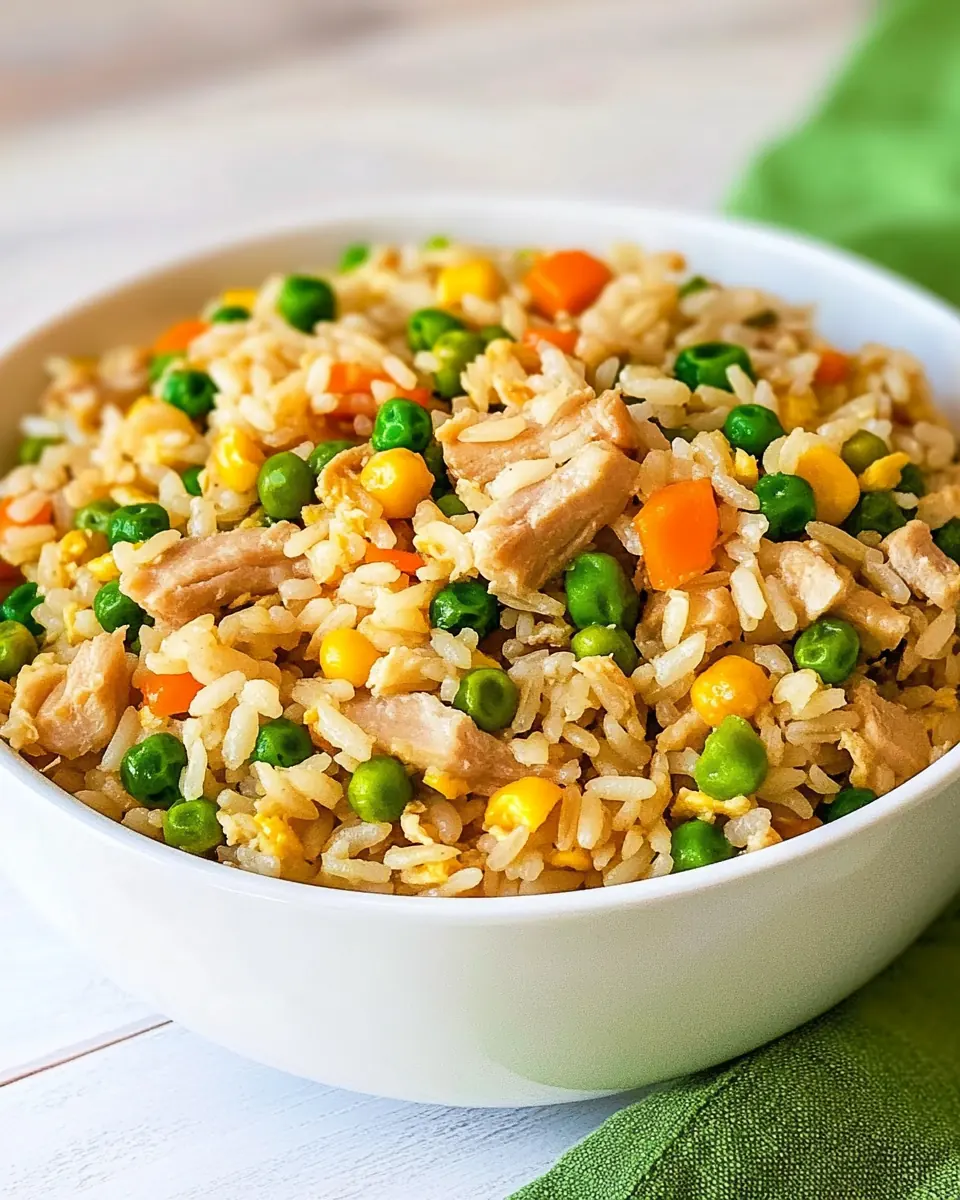
This section offers ideas to personalize Easy Fried Rice while keeping the core technique intact. Whether you want more protein, a different veggie mix, or a flavor boost, small adjustments can make it feel new every time.
- Add more protein by increasing the amount of cooked boneless chicken, cutting it into very small pieces so it warms quickly without drying.
- Boost umami with a touch more soy sauce or by using a splash of low sodium soy to control salt while enhancing depth.
- Finish with sesame by adding the sesame oil at the end so its aroma stays fresh and distinct.
- Make it vegetarian by omitting the cooked boneless chicken and adding extra peas or another thawed vegetable for bulk.
- Adjust texture by using day old chilled rice for the best separation and slight crisp when it hits the hot pan.
What Goes Well With This Easy Fried Rice
Easy Fried Rice pairs well with light sides and can adapt to many occasions. For a quick family dinner I serve it with simple vegetable sides. For special gatherings I add a few small plates to complement its savory profile.
- Simple green salad: A crisp salad with a light vinaigrette contrasts the warm, savory rice and adds freshness to the meal.
- Steamed greens: Quick-steamed bok choy, spinach, or green beans offer a bright, slightly bitter counterpoint that balances the dish.
- Extra protein: Serve alongside grilled or pan seared fish or tofu for guests who want more variety, keeping portions small so the rice remains the star.
- Occasions: This dish works for casual weeknight dinners, packed lunches, and Ramadan iftar meals where a quick, filling plate is welcome due to its comforting nature and easy scale up.
- Storage tips: Cool leftovers quickly and store in an airtight container in the refrigerator for up to three days. Reheat in a hot skillet with a splash of oil or water to revive texture.
FAQ
Conclusion
Easy Fried Rice is special because it turns simple, everyday ingredients into a fast, flavorful meal with pleasing texture and aroma. You can make it with minimal fuss, adapt it to what you have on hand, and rely on it for quick family dinners or handy meal prep. Give it a try tonight, and notice how a few technique tweaks like chilled rice and a hot pan make a big difference. I hope it becomes one of your go to recipes for busy nights and leftover rescue.
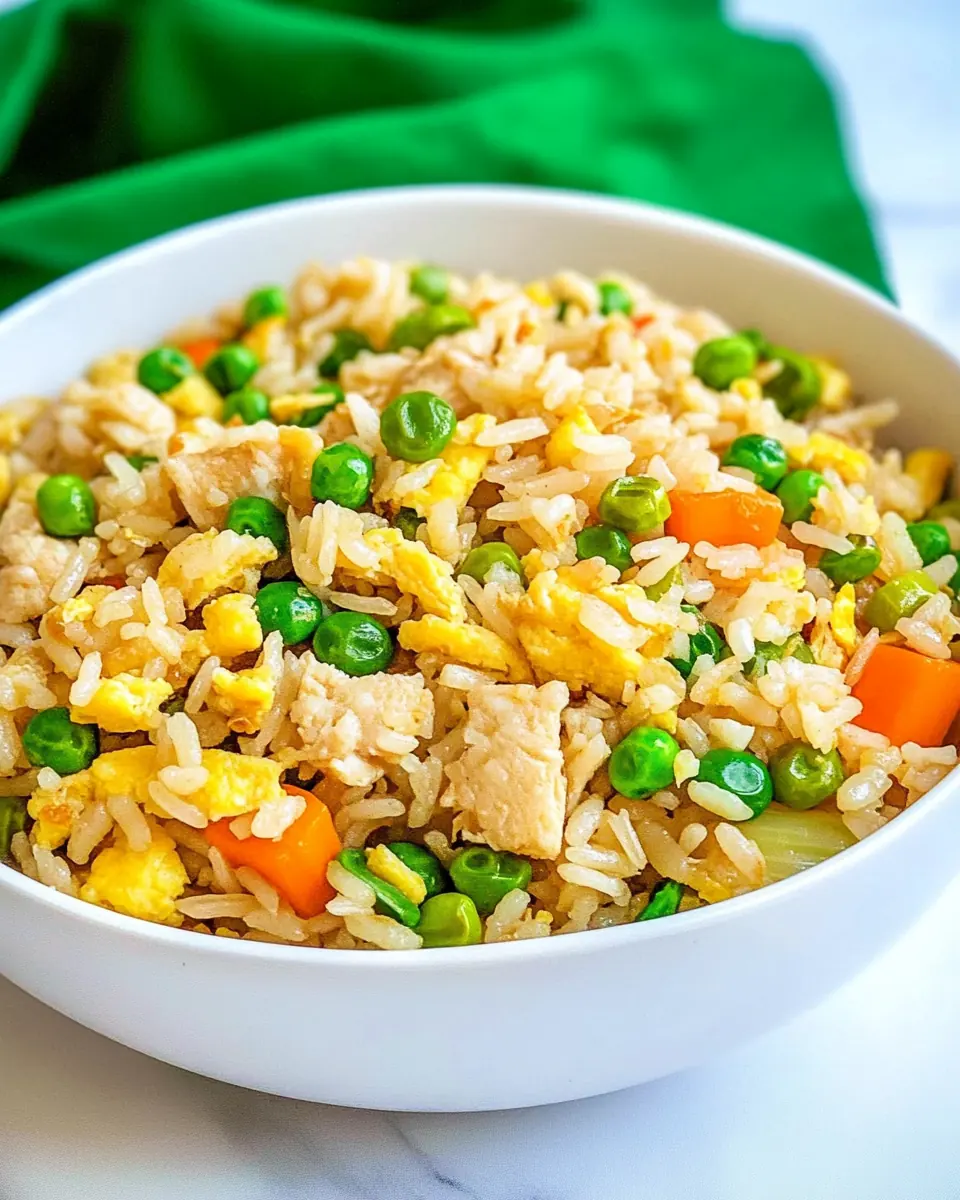
Easy Fried Rice
Ingredients
Equipment
Method
- In a large skillet, heat oil on medium heat. Add rice, peas and carrots, chicken and garlic to pan, stir and cook for 2-3 minutes until thoroughly combined and warm.: The moment the oil shimmers and gives a faint ripple, you know the pan is ready. The sizzling sound when you add an ingredient should be immediate but not violent, signaling a medium heat that will brown without burning. This preheat matters because it creates a quick sear on the rice and ingredients, adding texture and depth. A common mistake is using low heat, which steams the rice instead of frying it, so be patient and wait for the oil to get hot enough.
- Add soy sauce, sesame oil, salt and pepper to rice, stir well and cook for another 2-3 minutes.: You should hear a steady, lively sizzle as the chilled rice hits the hot oil, with small bits occasionally crisping against the pan. The vegetables will steam gently and the garlic will release aromatic, toasty notes. Stir frequently to distribute heat evenly and avoid scorching. If the skillet feels overcrowded, work in batches; crowding lowers the temperature and prevents proper frying.
- Depending on the size of your skillet, rice mixture can be pushed to the side of the pan or removed from the pan, then scramble eggs in pan. Once eggs are cooked combine with rice and mix. Cook an additional 3-4 minutes. Serve and enjoy.: As the sauce hits the pan, the rice will take on a glossy sheen and a deeper color, and a warm savory fragrance will fill the air. Stir thoroughly so the soy sauce coats each grain, and drizzle the sesame oil in thin ribbons to preserve its aroma. Taste carefully because soy sauce adds saltiness; under-seasoning is easier to fix than over-seasoning. One slip to avoid is pouring all the soy sauce in one spot, which can oversalt localized areas.
- Depending on the size of your skillet, rice mixture can be pushed to the side of the pan or removed from the pan, then scramble eggs in pan: When you move the rice aside, listen for the change in sound as the empty spot of the pan hits direct heat, then pour in the beaten eggs and watch them set into soft curds. The eggs should puff and form tender, slightly glossy curds; this provides a creamy contrast to the seared rice. If the skillet is too small, transfer the rice to a bowl to give the eggs room. The error I see most often is overcooking the eggs into dryness, which loses the silky texture you want.
- Once eggs are cooked combine with rice and mix: When you fold the eggs back into the rice, notice the steam lifting and the mingled aromas of soy, sesame, and garlic. Use a gentle tossing motion so the eggs break into soft ribbons and distribute evenly. This melding step unites flavors and textures, and if the mixture seems dry you can add a splash of warm water or a touch more soy sauce to bring it together. Avoid aggressive stirring that crushes the rice into mash.
- Cook an additional 3-4 minutes: During this final cook time, the rice will finish warming through, and edges of grains may take on a light golden sear. Listen for a steady, gentle sizzle and watch for tiny wisps of steam. This resting fry helps the flavors integrate and gives the dish its finished texture. Don’t skip it, because rushing to serve right away can leave the rice tasting flat. A common pitfall here is turning the heat too high, which can scorch the bottom before the center is warm.
- Serve and enjoy: As you plate the fried rice, notice the glossy finish from the soy sauce and sesame oil and the colorful contrast of peas and carrots. Serve hot so the textures remain lively and the aromas are at their peak. If you plan to store leftovers, cool the rice quickly and refrigerate in an airtight container to preserve texture and safety. Reheating gently in a hot skillet with a splash of water or oil revives the grains without drying them out.
Notes
- Add more protein by increasing the amount of cooked boneless chicken, cutting it into very small pieces so it warms quickly without drying.
- Boost umami with a touch more soy sauce or by using a splash of low sodium soy to control salt while enhancing depth.
- Finish with sesame by adding the sesame oil at the end so its aroma stays fresh and distinct.
- Make it vegetarian by omitting the cooked boneless chicken and adding extra peas or another thawed vegetable for bulk.
- Adjust texture by using day old chilled rice for the best separation and slight crisp when it hits the hot pan.