Buckeye Fudge
Buckeye Fudge is one of those recipes I keep coming back to when I want a nostalgic hit of peanut buttery comfort and chocolatey richness.
My first memory of making Buckeye Fudge was in a tiny kitchen with a radio playing old soul songs while my neighbor taught me how to press the peanut butter layer smooth so the chocolate would sit perfectly on top. I remember the warm, buttery scent of melting butter and peanut butter, and how the powdered sugar transformed the mixture into something almost velvet under the spatula. That afternoon I learned that patience makes the difference between a messy square and a neat little bite that melts. Over time I adapted a few tricks, like sifting the powdered sugar and using a heavy bottomed saucepan, and those small choices made the texture unforgettable.
Now, when I make Buckeye Fudge for friends, I can tell right away who will linger longest by the counter. The chew of the peanut butter layer paired with the glossy chocolate top creates a rhythm in every bite, alternating creamy and slightly firm. I enjoy pulling the parchment out of the pan after chilling, laying the slab on my cutting board, and counting the perfect grid of little squares. It always feels like a small celebration of simple ingredients. If you like hands on treats that reward your care with pure flavour, you will enjoy the process as much as the tasting.
Recipe Snapshot
30 mins
10 mins
20 mins
Medium
130 kcal
American
Gluten-Free, Keto
Desserts
Heavy bottomed saucepan, 8×8 pan, Parchment paper, Spatula, Sharp knife
Why This Buckeye Fudge Shines
Classic Comfort with Clean Technique
I love how Buckeye Fudge takes humble pantry staples and turns them into something that feels elevated. The combo of peanut butter, powdered sugar, and a shiny chocolate topping creates a familiar, homey profile, while the method keeps the texture silky and consistent. When I follow the steps closely, the result looks like it took hours, even though it does not.
Textural Balance
The reason this recipe stands out is the way the peanut butter layer holds its shape but still melts in your mouth. Sifting the powdered sugar and working the mixture over low heat gives control over graininess. I often watch for subtle visual cues, like when the mixture loosens into a glossy mass. That moment signals a smooth finish.
Easy to Make Ahead
This fudge stores beautifully, which is why I make it for gatherings. You can chill it and cut neat pieces or freeze it for later. I appreciate recipes that reward planning, and this one is forgiving if you need to prepare a day or two ahead.
Portable, Shareable, and Festive
Every time I bring a pan of Buckeye Fudge to a potluck, it disappears first. The small squares are perfect for gift boxes and cookie trays. I like that it travels well, keeping its shape when wrapped between layers of parchment.
Simple Upgrades that Deliver
I enjoy adding careful touches, like using quality chocolate chips or a specific brand of peanut butter, because those choices subtly nudge the final flavour. Small ingredient decisions can turn a great batch into a memorable one without extra fuss.
What You Need for Buckeye Fudge
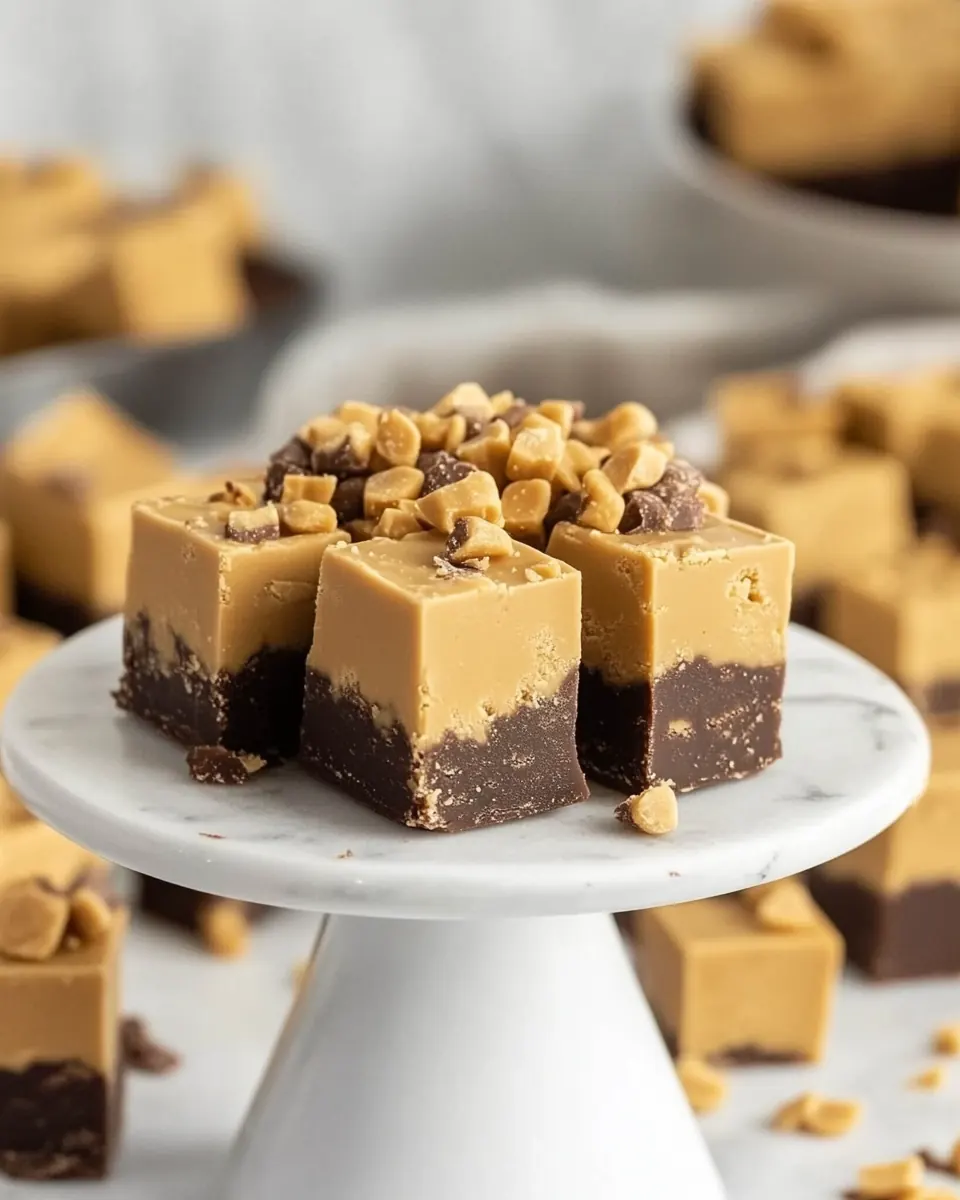
These ingredients form a straightforward, effective team. The base is rich butter and creamy peanut butter, which provide fat and silky mouthfeel. Powdered sugar adds sweetness and structure after being sifted, while a touch of kosher salt brightens the overall flavour. The chocolate layer, built from chocolate chips, butter, and sweetened condensed milk, gives a glossy finish that contrasts the peanut butter layer.
- 1 cup unsalted butter: Provide rich fat and creaminess that forms the base of the fudge, helping to create a smooth, spreadable texture; melt thoroughly with peanut butter for even incorporation. Also contributes to flavor richness and helps set the confection as it cools.
- 1 cup creamy peanut butter – I use Skippy do not use a “natural” peanut butter: Add savory-sweet peanut flavor and body that defines the classic buckeye profile; use a creamy commercial-style peanut butter for consistent sweetness and mouthfeel. Helps emulsify the mixture with the butter to create a homogeneous peanut center.
- 1/2 cup Reese’s peanut butter chips: Lend extra concentrated peanut flavor and small pockets of sweetness that enhance the overall peanut profile; melt into the chocolate or stir into the peanut mixture as directed. Offer a slightly different texture and sugary snap compared with smooth peanut butter.
- 1 tablespoon pure vanilla extract: Impart aromatic sweetness and depth, rounding out the peanut and chocolate flavors; add to the warm peanut mixture to integrate flavors evenly. Enhances perceived sweetness without adding sugar and brightens the overall profile.
- 3 1/2 cups powdered sugar measured and then sifted well – for the smoothest texture and appearance, DO sift the sugar!: Provide bulk sweetness and structure while drying slightly to allow the fudge to firm up; sift before measuring to avoid lumps and ensure a silky, even texture. Dissolves into the warm mixture to create density and stability for shaping.
- 1/2 teaspoon kosher salt: Balance sweetness with a hint of savory mineral taste that enhances other flavors; dissolve into the mixture to help control overall sweetness. Also contributes to slight textural contrast and helps cut through the richness.
- 1/4 cup marshmallow creme – I use Kraft: Add light sweetness and a fluffy, marshmallow-like chew that softens the center's texture; fold into the peanut mixture for a smoother, slightly glossy finish. Helps bind ingredients and contributes subtle vanilla–sweet notes.
- 2/3 cup sweetened condensed milk: Supply concentrated dairy sweetness and creaminess while adding moisture and contributing to a fudgy, cohesive consistency; stir in to regulate sweetness and mouthfeel. Also helps the mixture remain soft and pliable for shaping.
- 1 1/2 cups semi-sweet chocolate chips – I recommend Guittard brand: Provide the primary chocolate coating or mix-in flavor with a balance of sweet and bitter; melt with butter for a glossy, smooth coating over the peanut centers. High-quality chips yield a cleaner melt and better snap when set.
- 2 tablespoons unsalted butter: Contribute additional fat to melt with chocolate chips for a shinier, smoother coating; stir in while melting chocolate to improve fluidity and gloss. Helps the chocolate set with a nicer texture and sheen.
Preparation Steps for Buckeye Fudge
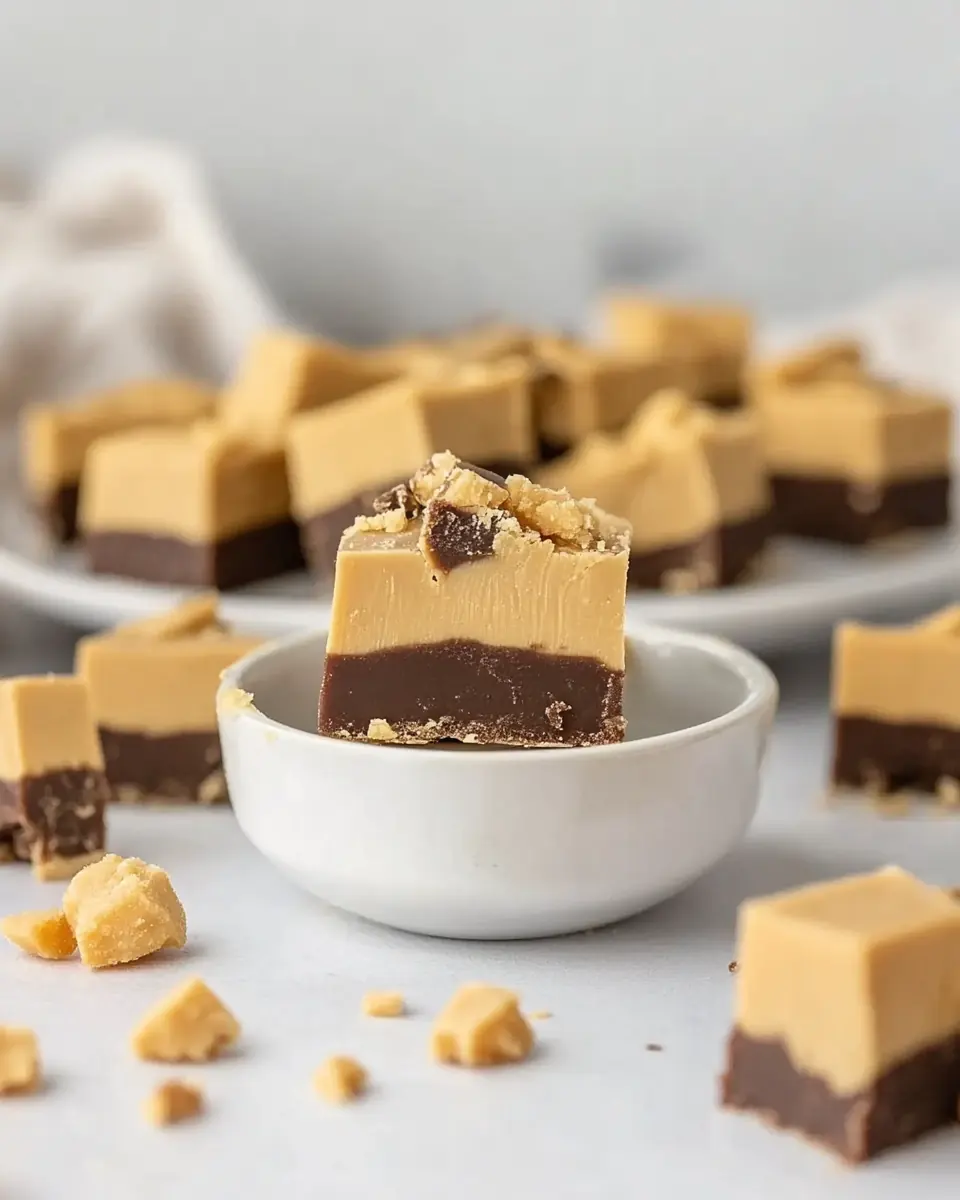
I love the ritual of making Buckeye Fudge, from melting the butter to watching the glossy chocolate set. Below, the original directions have been cleaned into clear, sensorial steps to guide you through each moment in the kitchen.
- For the peanut butter layer: Line an 8"x 8" pan with parchment paper or foil and set aside.: Line an 8"x 8" pan with parchment paper or foil and set aside : You will notice the crisp crinkle of parchment as you press it into the pan, which makes lifting the chilled slab later effortless. Lining the pan ensures neat edges and protects the fudge during cutting, so take a moment to press the paper into all corners, smoothing out any folds to avoid uneven layers. If the liner shifts when you pour, stop and re-smooth it, because an unlined or badly lined pan makes cutting and serving messy. A common mistake is skipping this step, which leads to difficult removal and uneven pieces.
- Set a heavy bottomed saucepan over medium heat and add the butter, peanut butter, and peanut butter chips. Stir constantly until melted and completely smooth.: As these three ingredients start to warm, you will hear a faint soft bubbling and smell a rich, nutty aroma. The heavy bottomed pan distributes heat evenly, preventing hotspots that scorch peanut butter and butter . Stir constantly so the chips melt into the mixture uniformly; watch for a glossy, even texture. If you see any dark specks or smell burning, lower the heat immediately, because overheating will ruin the smoothness.
- Reduce heat to low and stir in vanilla.: The mixture transforms visually from separated lumps to a velvety, cohesive mass, and you will feel its weight lighten as the chips dissolve. Constant stirring ensures heat is distributed and prevents graininess. Use a heat resistant spatula and scrape the bottom frequently to avoid sticking. A frequent error is intermittent stirring, which leads to uneven melting and small unmelted bits.
- With a spatula, fold in the SIFTED powdered sugar and salt (still over low heat), incorporating it until the mixture is completely smooth. If you have any lumps or it looks especially grainy, work out the lumps by vigorously whisking. Or "smoosh" the mixture against the bottom and sides of the pan with a rubber spatula.: As you lower the heat, the pan will give off a gentle steam and the aroma of vanilla will bloom, rounding the nutty flavors. Adding vanilla at lower heat preserves its fragrance and integrates it smoothly. Stir just until incorporated to keep the temperature from rising. If you add it while the pan is too hot, the flavor can dissipate, reducing its impact.
- Stir in marshmallow creme until incorporated, then spread mixture evenly into prepared pan.: When you fold in the sifted powdered sugar , you will see the mixture thicken and take on a matte, satin look. Sifting matters here because it eliminates lumps that can cause a gritty texture. Work steadily and press against the sides with the spatula to push out any stubborn pockets. If it appears grainy, whisk vigorously or press the mixture against the pan to break up lumps; using unmelted powdered sugar will leave a coarse mouthfeel.
- For the chocolate layer: Set a heavy bottomed saucepan over medium heat and add the sweetened condensed milk, chocolate chips, and butter. Stir constantly until melted together and completely smooth.: By applying this technique, you will feel the mixture become smoother under the tool and hear a softer sound as it relaxes. This physical smoothing not only fixes texture but also warms the sugar slightly to integrate better. Avoid overworking to the point of thinning the mixture, and if steam builds, reduce heat to prevent overheating which can cause separation; a common pitfall is trying to force lumps out without reducing heat, which can scorch the mixture.
- Spread chocolate mixture evenly over peanut butter mixture in the pan.: The marshmallow creme folds in and creates a slightly glossy, pillowy top to the peanut butter layer. As you spread, use even pressure to avoid air pockets and aim for a smooth surface for the chocolate to sit on. You should feel the mixture become more pliable and slightly tacky. If it is too stiff to spread, warm the pan briefly over the lowest heat, stirring just enough to loosen; overheating here will make the layer too soft and affect the setting.
- Let buckeye fudge cool completely on the counter for 3-4 hours, or place in refrigerator to chill for 2 hours, before cutting it into individual pieces. I cut the 8×8 pan into 64 pieces, 8 cuts in each direction. For easiest (neat & clean) cutting, gently lift the fudge out of the pan by the parchment paper edges and place it on a cutting board – then proceed with cutting it into pieces.: Set a heavy bottomed saucepan over medium heat and add the sweetened condensed milk, chocolate chips, and butter : The moment these three components meet the heat, a warm, caramel like dairy aroma appears and the chips begin to soften. The heavy pan keeps melting even and prevents the chocolate from catching on the bottom. Stir steadily to create an emulsified, glossy sauce. If you see the chocolate clinging in clumps, reduce the heat and stir until it relaxes into a shine; a common error is turning the heat too high which results in a dull, grainy finish.
- Stir constantly until melted together and completely smooth: You will notice the texture go from speckled to a smooth, mirror like sheen, and the sound of stirring becomes gentler as the mixture becomes uniform. Constant stirring prevents separation and helps the sweetened condensed milk bind with the chocolate chips . If it seems overly thick, a splash of warm water can loosen it, but avoid adding liquid when possible because it can change set time. Overcooking here causes the topping to seize or grain, which is a common mistake.
- Spread chocolate mixture evenly over peanut butter mixture in the pan: As you pour, the chocolate will sit glossy atop the peanut butter layer, and you should spread it with smooth strokes to achieve an even coat. The contrast between textures should be visible, with the chocolate forming a uniform shiny cap. If the chocolate sets too quickly and you see streaks, work faster or briefly warm the bowl to restore spreadability. A typical slip up is working too slowly, which can lead to an uneven top.
- Let buckeye fudge cool completely on the counter for 3 to 4 hours, or place in refrigerator to chill for 2 hours, before cutting it into individual pieces: During cooling, the top will firm to a pleasant snap while the peanut butter layer remains tender, and you can feel the pan's temperature drop as the set finishes. Cooling at room temperature allows gradual crystallization for a creamier texture, whereas refrigeration speeds the set but can make the chocolate firmer. Avoid cutting too soon because the layers will smear; patience results in clean, neat squares. Many people try to rush this step and end up with ragged edges.
- I cut the 8×8 pan into 64 pieces, 8 cuts in each direction: When you lift the chilled slab using the parchment, you will sense the solidity of the fudge under your hands and hear a quiet clean crack when your knife first touches the top. Use a sharp knife and wipe it between cuts to keep edges tidy, and score lightly first if you prefer perfect symmetry. Pressing down too hard or using a dull blade causes squashed squares, which is an avoidable error.
- For easiest neat and clean cutting, gently lift the fudge out of the pan by the parchment paper edges and place it on a cutting board then proceed with cutting it into pieces: Lifting the slab gives you control and prevents the pan from flexing or denting while you slice. The tactile confidence of slicing on a stable board makes the pieces uniform and presentable. If the slab sticks to the parchment, run a warm knife under the paper edge to loosen it slightly, but do not heat the fudge directly or it will soften too much; forcing the slab out will ruin the clean lines.
Helpful Hints
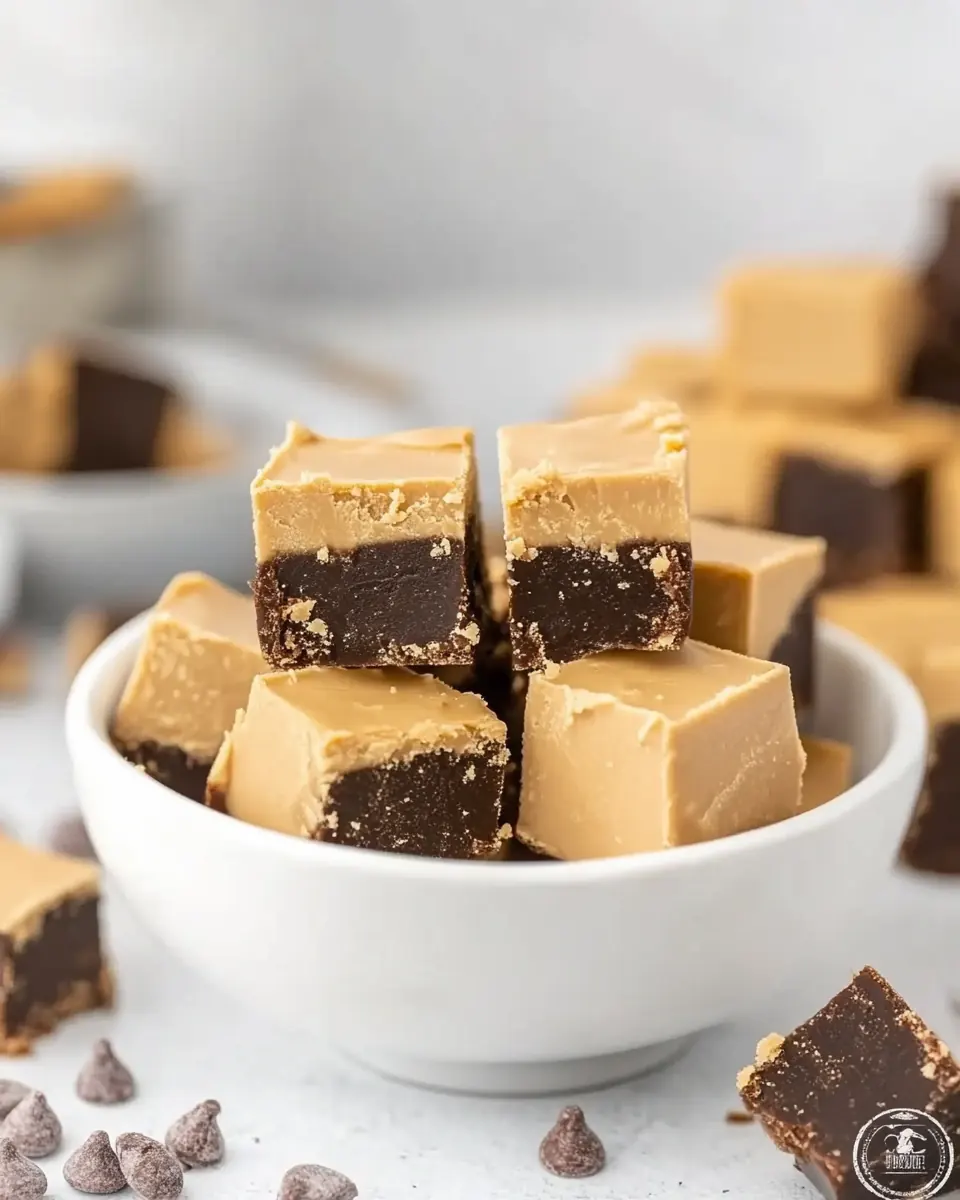
I like to keep a few reliable tricks in my back pocket when making Buckeye Fudge. These hints focus on texture, timing, and presentation to help you get consistent results every time. Below are practical tips I use and recommend.
- Quality ingredients matter, choose a reliable brand of peanut butter and chocolate chips to improve flavour and melting behaviour, which leads to a smoother finish.
- Sift the powdered sugar, which prevents lumps and ensures the peanut butter layer is silky, this small step elevates the overall texture dramatically.
- Use a heavy bottomed saucepan, it offers steady heat, reduces the risk of scorching, and makes melting the chips and butter predictable and safe.
- Stir constantly while melting, consistent stirring keeps ingredients integrated and prevents graininess or burning, especially with chocolate and peanut butter chips.
- Line the pan with parchment, this makes removal and cutting clean and easy, and reduces waste compared to greasing the pan.
- Chill appropriately, refrigerate for a quicker set or cool at room temperature for a creamier mouthfeel, but do not cut until fully firm.
- Use a sharp knife and wipe between cuts, this keeps edges neat and prevents dragging the chocolate top across the peanut butter layer.
Serve This Buckeye Fudge With
This little bite fits many occasions, and the way you present it can change the vibe from nostalgic snack to elegant treat. Below are thoughtful serving ideas and storage tips to help you match the moment.
- Snack platters: Arrange small squares of Buckeye Fudge on a platter alongside tea or coffee for an afternoon gathering; the dense bites pair nicely with warm beverages.
- Holiday cookie trays: Include these in gift boxes or cookie assortments for Thanksgiving or fall celebrations, their compact size makes them ideal for sharing.
- Party favors: Wrap small stacks between parchment sheets and tie with string for a portable treat to hand out at events or friendly visits.
- Make ahead and store: Keep the fudge in a covered container in the refrigerator for up to a week, separating layers with parchment to avoid sticking, or freeze for up to three months for long term storage.
- Serving temperature: Serve slightly chilled for clean cuts and a pleasing bite, remove from fridge a few minutes before serving if you prefer a softer mouthfeel.
- Seasonal pairing: Its rich, nutty profile suits cozy fall and winter gatherings, but it is equally welcome at spring celebrations when packed for picnic style treats.
FAQ
Conclusion
What makes this Buckeye Fudge special is its combination of smooth peanut butter depth and a glossy chocolate top that sets into neat, irresistible squares. The recipe rewards small, careful actions like sifting powdered sugar and using a heavy bottomed pan, producing consistent texture and clean cuts. Give it a try when you want a make ahead sweet that travels well, fits on cookie trays, and disappears fast among friends. I hope you enjoy the process as much as the bites.
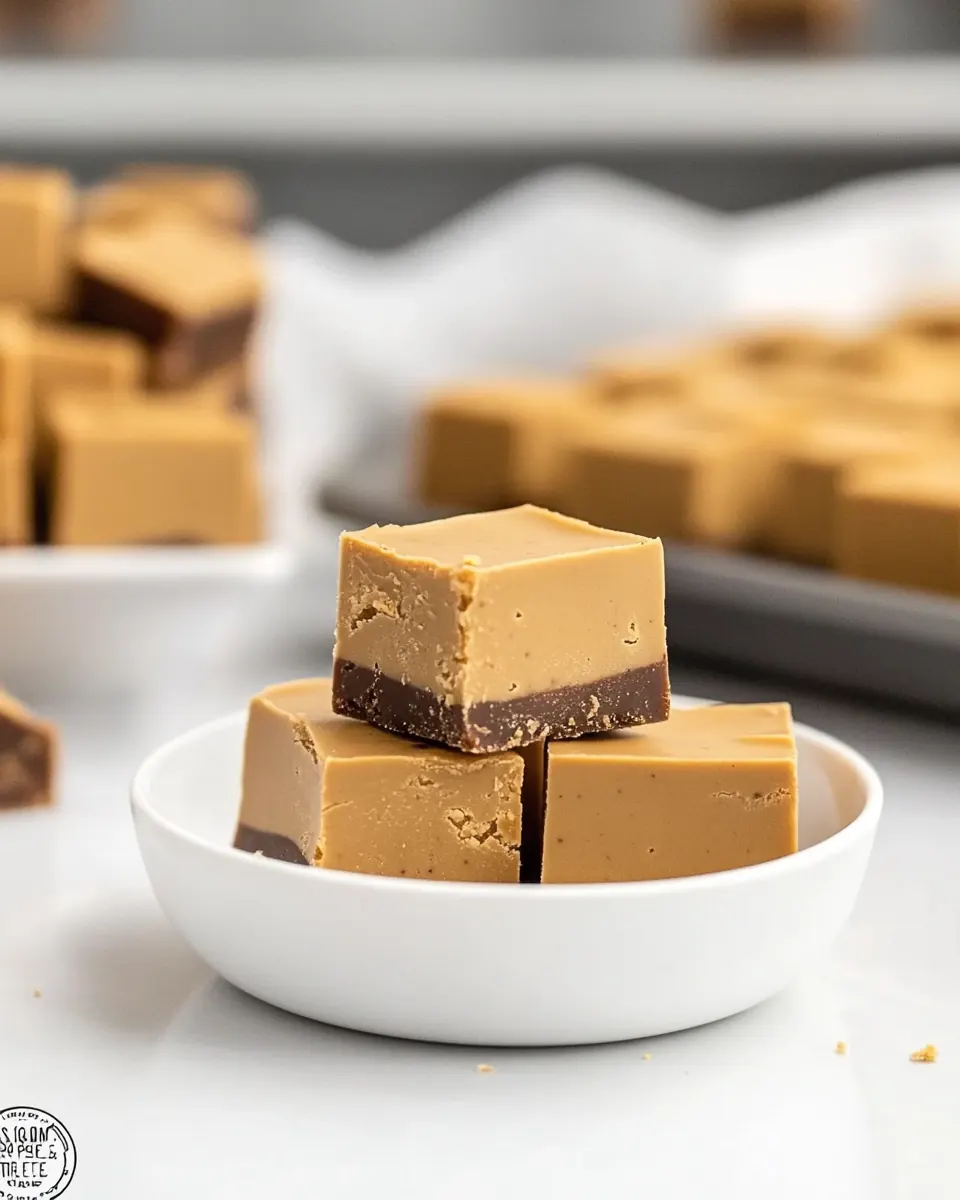
Buckeye Fudge
Ingredients
Equipment
Method
- For the peanut butter layer: Line an 8"x 8" pan with parchment paper or foil and set aside.: Line an 8"x 8" pan with parchment paper or foil and set aside : You will notice the crisp crinkle of parchment as you press it into the pan, which makes lifting the chilled slab later effortless. Lining the pan ensures neat edges and protects the fudge during cutting, so take a moment to press the paper into all corners, smoothing out any folds to avoid uneven layers. If the liner shifts when you pour, stop and re-smooth it, because an unlined or badly lined pan makes cutting and serving messy. A common mistake is skipping this step, which leads to difficult removal and uneven pieces.
- Set a heavy bottomed saucepan over medium heat and add the butter, peanut butter, and peanut butter chips. Stir constantly until melted and completely smooth.: As these three ingredients start to warm, you will hear a faint soft bubbling and smell a rich, nutty aroma. The heavy bottomed pan distributes heat evenly, preventing hotspots that scorch peanut butter and butter . Stir constantly so the chips melt into the mixture uniformly; watch for a glossy, even texture. If you see any dark specks or smell burning, lower the heat immediately, because overheating will ruin the smoothness.
- Reduce heat to low and stir in vanilla.: The mixture transforms visually from separated lumps to a velvety, cohesive mass, and you will feel its weight lighten as the chips dissolve. Constant stirring ensures heat is distributed and prevents graininess. Use a heat resistant spatula and scrape the bottom frequently to avoid sticking. A frequent error is intermittent stirring, which leads to uneven melting and small unmelted bits.
- With a spatula, fold in the SIFTED powdered sugar and salt (still over low heat), incorporating it until the mixture is completely smooth. If you have any lumps or it looks especially grainy, work out the lumps by vigorously whisking. Or "smoosh" the mixture against the bottom and sides of the pan with a rubber spatula.: As you lower the heat, the pan will give off a gentle steam and the aroma of vanilla will bloom, rounding the nutty flavors. Adding vanilla at lower heat preserves its fragrance and integrates it smoothly. Stir just until incorporated to keep the temperature from rising. If you add it while the pan is too hot, the flavor can dissipate, reducing its impact.
- Stir in marshmallow creme until incorporated, then spread mixture evenly into prepared pan.: When you fold in the sifted powdered sugar , you will see the mixture thicken and take on a matte, satin look. Sifting matters here because it eliminates lumps that can cause a gritty texture. Work steadily and press against the sides with the spatula to push out any stubborn pockets. If it appears grainy, whisk vigorously or press the mixture against the pan to break up lumps; using unmelted powdered sugar will leave a coarse mouthfeel.
- For the chocolate layer: Set a heavy bottomed saucepan over medium heat and add the sweetened condensed milk, chocolate chips, and butter. Stir constantly until melted together and completely smooth.: By applying this technique, you will feel the mixture become smoother under the tool and hear a softer sound as it relaxes. This physical smoothing not only fixes texture but also warms the sugar slightly to integrate better. Avoid overworking to the point of thinning the mixture, and if steam builds, reduce heat to prevent overheating which can cause separation; a common pitfall is trying to force lumps out without reducing heat, which can scorch the mixture.
- Spread chocolate mixture evenly over peanut butter mixture in the pan.: The marshmallow creme folds in and creates a slightly glossy, pillowy top to the peanut butter layer. As you spread, use even pressure to avoid air pockets and aim for a smooth surface for the chocolate to sit on. You should feel the mixture become more pliable and slightly tacky. If it is too stiff to spread, warm the pan briefly over the lowest heat, stirring just enough to loosen; overheating here will make the layer too soft and affect the setting.
- Let buckeye fudge cool completely on the counter for 3-4 hours, or place in refrigerator to chill for 2 hours, before cutting it into individual pieces. I cut the 8×8 pan into 64 pieces, 8 cuts in each direction. For easiest (neat & clean) cutting, gently lift the fudge out of the pan by the parchment paper edges and place it on a cutting board – then proceed with cutting it into pieces.: Set a heavy bottomed saucepan over medium heat and add the sweetened condensed milk, chocolate chips, and butter : The moment these three components meet the heat, a warm, caramel like dairy aroma appears and the chips begin to soften. The heavy pan keeps melting even and prevents the chocolate from catching on the bottom. Stir steadily to create an emulsified, glossy sauce. If you see the chocolate clinging in clumps, reduce the heat and stir until it relaxes into a shine; a common error is turning the heat too high which results in a dull, grainy finish.
- Stir constantly until melted together and completely smooth: You will notice the texture go from speckled to a smooth, mirror like sheen, and the sound of stirring becomes gentler as the mixture becomes uniform. Constant stirring prevents separation and helps the sweetened condensed milk bind with the chocolate chips . If it seems overly thick, a splash of warm water can loosen it, but avoid adding liquid when possible because it can change set time. Overcooking here causes the topping to seize or grain, which is a common mistake.
- Spread chocolate mixture evenly over peanut butter mixture in the pan: As you pour, the chocolate will sit glossy atop the peanut butter layer, and you should spread it with smooth strokes to achieve an even coat. The contrast between textures should be visible, with the chocolate forming a uniform shiny cap. If the chocolate sets too quickly and you see streaks, work faster or briefly warm the bowl to restore spreadability. A typical slip up is working too slowly, which can lead to an uneven top.
- Let buckeye fudge cool completely on the counter for 3 to 4 hours, or place in refrigerator to chill for 2 hours, before cutting it into individual pieces: During cooling, the top will firm to a pleasant snap while the peanut butter layer remains tender, and you can feel the pan's temperature drop as the set finishes. Cooling at room temperature allows gradual crystallization for a creamier texture, whereas refrigeration speeds the set but can make the chocolate firmer. Avoid cutting too soon because the layers will smear; patience results in clean, neat squares. Many people try to rush this step and end up with ragged edges.
- I cut the 8×8 pan into 64 pieces, 8 cuts in each direction: When you lift the chilled slab using the parchment, you will sense the solidity of the fudge under your hands and hear a quiet clean crack when your knife first touches the top. Use a sharp knife and wipe it between cuts to keep edges tidy, and score lightly first if you prefer perfect symmetry. Pressing down too hard or using a dull blade causes squashed squares, which is an avoidable error.
- For easiest neat and clean cutting, gently lift the fudge out of the pan by the parchment paper edges and place it on a cutting board then proceed with cutting it into pieces: Lifting the slab gives you control and prevents the pan from flexing or denting while you slice. The tactile confidence of slicing on a stable board makes the pieces uniform and presentable. If the slab sticks to the parchment, run a warm knife under the paper edge to loosen it slightly, but do not heat the fudge directly or it will soften too much; forcing the slab out will ruin the clean lines.
Notes
- Quality ingredients matter, choose a reliable brand of peanut butter and chocolate chips to improve flavour and melting behaviour, which leads to a smoother finish.
- Sift the powdered sugar, which prevents lumps and ensures the peanut butter layer is silky, this small step elevates the overall texture dramatically.
- Use a heavy bottomed saucepan, it offers steady heat, reduces the risk of scorching, and makes melting the chips and butter predictable and safe.
- Stir constantly while melting, consistent stirring keeps ingredients integrated and prevents graininess or burning, especially with chocolate and peanut butter chips.
- Line the pan with parchment, this makes removal and cutting clean and easy, and reduces waste compared to greasing the pan.
- Chill appropriately, refrigerate for a quicker set or cool at room temperature for a creamier mouthfeel, but do not cut until fully firm.
- Use a sharp knife and wipe between cuts, this keeps edges neat and prevents dragging the chocolate top across the peanut butter layer.