Cabbage Soup
Cabbage Soup has been one of those humble bowls that turns gray weeknights into warm, memorable meals for me. The first time I made it, I was wrestling with a sleepy fridge full of odds and ends and a craving for something simple, nourishing, and honest. I reached for a head of green cabbage and ended up with a pot that felt like a soft, savory blanket on a cold evening, one spoonful at a time.
Over the years I’ve tweaked the balance so the soup feels both playful and comforting. A touch of butter at the start gives the vegetables a gentle sheen, the canned tomatoes bring bright acidity and body, and the spices provide subtle background notes that surprise you without shouting. When friends ask for a recipe, I always describe it as forgiving, the sort of dish you can make after a long day and still end up proud of.
Recipe Snapshot
40 mins
10 mins
30 mins
Easy
150 kcal
American
Gluten-Free, Low FODMAP
Soups
Large pot, Wooden spoon, Knife, Cutting board
Why This Cabbage Soup Is a Winner
Comfort in a Bowl
I love how Cabbage Soup delivers pure, homey comfort without fuss. The texture is cozy, not heavy, so it satisfies without weighing you down. I reach for this soup when I want something warming but light, a meal that soothes and keeps things simple.
Low Effort, High Reward
One reason I turn to Cabbage Soup is how effortlessly the flavors come together. With a handful of pantry staples and a little patience, you get deep savory notes. I appreciate that the technique is straightforward, which makes it perfect for busy evenings when I want great results without complicated steps.
Flavor Depth from Minimal Ingredients
The soup shows how a few smart choices amplify taste. The canned tomatoes add umami and brightness, while the crushed fennel and coriander offer gentle, aromatic warmth. I find that these small additions make every spoonful interesting, and they prove you do not need many ingredients to craft layers of flavor.
Flexible and Fridge Friendly
I always keep some of the ingredients on hand, so Cabbage Soup becomes an instant rescue dish. It holds well in the fridge for several days, and freezing portions is reliable for later. That flexibility means I can savor it across multiple meals, which I love when planning simple lunches or quick dinners.
Nutritious and Satisfying
Beyond taste, I appreciate how nourishing the soup is. With hearty cabbage, crunchy carrots, and fragrant onion, it feels like a green, vegetable forward hug. The light broth keeps things balanced, making it a wholesome choice for everyday eating.
Essential Ingredients for Cabbage Soup
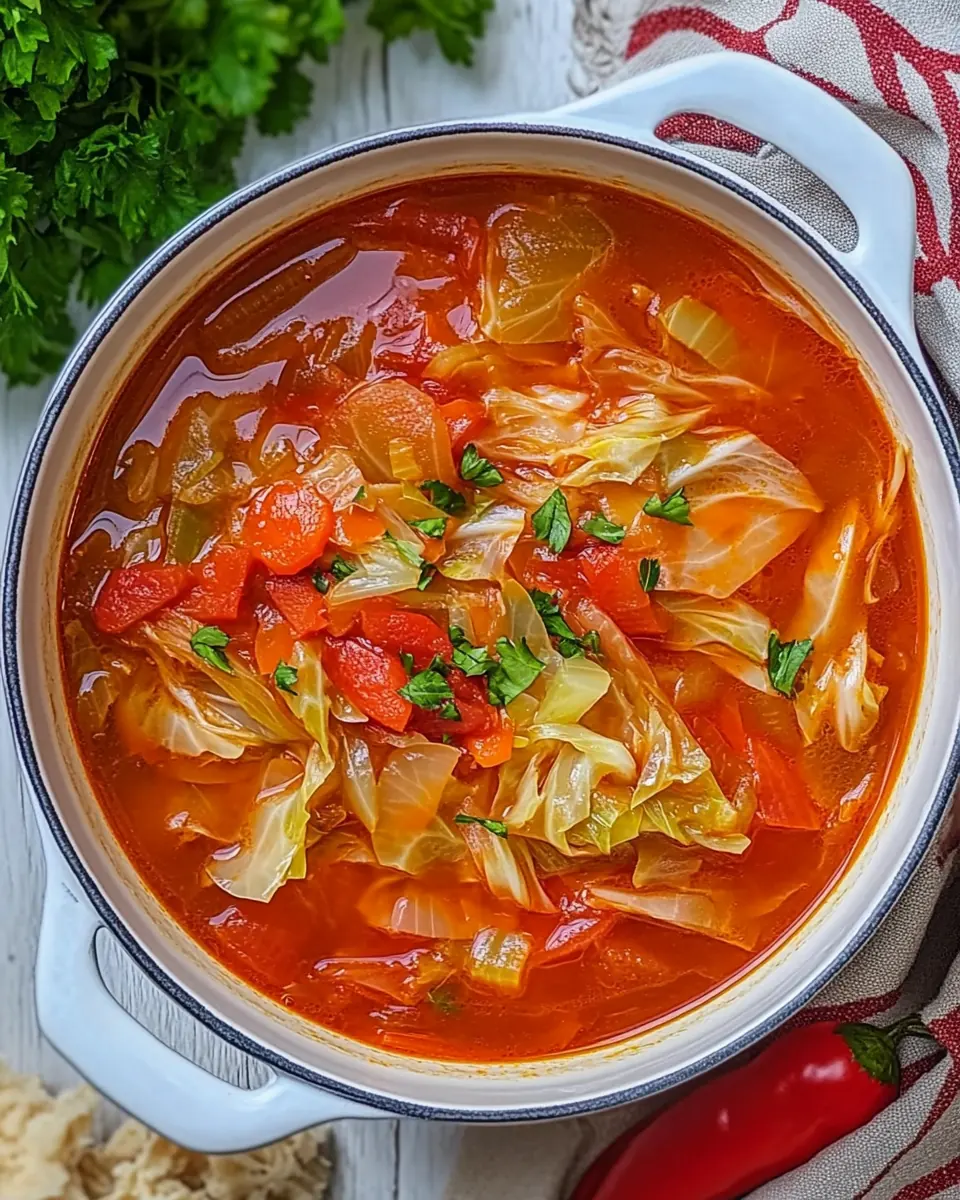
These ingredients form a simple, harmonious lineup that prioritizes bright aromatics and vegetable depth. I think of them as the core players: a fat for flavor, supporting aromatics for complexity, fresh vegetables for texture, tomatoes and stock for body, and delicate spices to lift the whole pot.
- 1 tbsp butter: Melted to provide a rich, silky base that helps sauté aromatics and develop flavor; contributes a subtle buttery note to the broth and aids in browning vegetables for depth.
- 1 cup onion, diced: Diced to release sweetness and savory depth when softened; forms a foundational aromatic component that enhances overall soup complexity and balances acidity from tomatoes.
- 1 cup carrots, sliced: Sliced to add natural sweetness, texture, and a gentle earthy flavor; softens during simmering to meld with the broth while contributing color and bite.
- 1/2 cup celery, diced: Diced to supply a mild, aromatic background and slight vegetal crunch; softens in the cooking process to harmonize flavors and build a savory base.
- 1 tsp garlic, minced: Minced to impart pungent, aromatic heat and a warm, savory edge; disperses quickly through the soup to brighten and enhance other savory components.
- 5 cups cabbage, chopped (about 1/2 head of green cabbage): Chopped to provide bulk, mild sweetness, and a tender bite; breaks down slightly during simmering to thicken the broth and contribute leafy texture.
- 2 (14 oz.) cans petite diced tomatoes, (preferably with garlic and basil): Added to introduce bright tomato flavor, acidity, and umami; offers a balanced tomato base with garlic and basil notes that complement the vegetables.
- 4 cups Vegetable or Chicken Stock, low sodium: Poured to form the liquid foundation, carrying flavors and controlling soup consistency; low-sodium options allow seasoning control while contributing savory stock richness.
- 1/4 tsp fennel seeds, crushed: Crushed to lend a warm, slightly sweet anise-like aroma and subtle complexity; toasted gently it can enhance the soup's aromatic profile without overpowering other spices.
- 1/4 tsp ground coriander seeds: Ground to provide citrusy, slightly sweet, and floral undertones; blends with other spices to add complexity and a mild earthy warmth to the broth.
- 1/8 tsp ground cumin: Ground to introduce a warm, nutty, and slightly smoky flavor; used sparingly to add depth and a hint of savory spice that complements the coriander and cumin.
- 1/2 tsp salt, or to taste: Measured to season the soup and enhance overall flavors; added to taste to brighten ingredients and balance acidity without overwhelming the dish.
- 1/4 tsp black pepper: Ground to contribute mild heat and sharp, peppery warmth; complements salt and other spices to round out the soup's seasoning profile.
- 1 tbsp freshly chopped parsley: Freshly chopped to finish and add bright, herbaceous lift; sprinkled over the soup to provide color contrast and a fresh, slightly peppery flavor.
How to Assemble Cabbage Soup
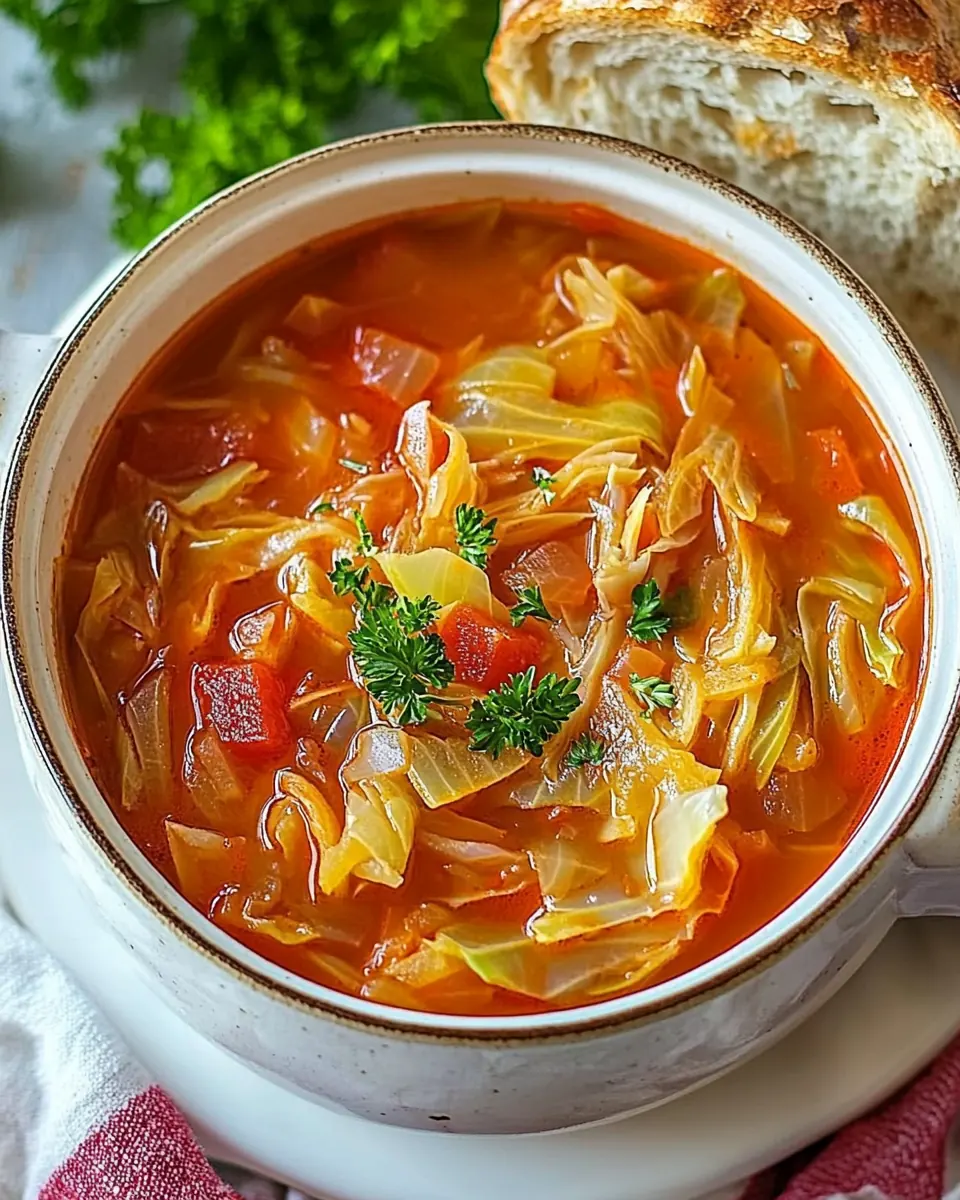
This is a forgiving, step driven process that rewards gentle heat and attentive stirring. I like to keep my mise en place ready so everything moves smoothly from the pan to the bowl. The following steps expand the original directions into sensory cues, why each action matters, and common pitfalls to avoid so you end up with a cozy, well balanced soup.
- Add 1 tbsp butter to a large pot over medium-high heat. Sauté the onion, carrots and celery for about 4 minutes then add in garlic and stir for 30 seconds, until fragrant. Add in the cabbage and stir to combine.: As the butter melts, listen for a faint hiss and watch it foam briefly, which tells you the pan is ready for the aromatics. The melting butter carries fat soluble flavors and creates a silky sheen on the vegetables, which helps them soften without sticking. A common mistake is cranking the heat too high, which will brown the butter too fast and add bitter notes, so keep the heat steady. If your butter darkens quickly, lower the heat and wipe the pan briefly if necessary to avoid burnt fond.
- Pour in canned tomatoes and broth then bring to a boil. Add in the crushed fennel seeds, coriander, cumin, salt and pepper then stir to combine.: During these minutes, breathe in the sweet, savory scent as the onion becomes translucent and the carrots and celery soften, releasing a layered vegetable aroma. This step builds a flavorful base, as the gentle caramelization concentrates sugars. The garlic should be added later so it merely perfumes the mix; if added too early it can scorch. Watch the pan for tiny brown bits, that fond is tasty, but if the vegetables start to brown aggressively reduce heat and stir more frequently.
- Reduce heat to medium-low and cover. Cook for about 20 to 25 minutes, until vegetables are tender.: When you add the chopped cabbage , you will hear a bright rustling as the leaves meet the warm pot, and the volume will reduce as the cabbage wilts and nests into the vegetables. Stirring helps the cabbage pick up the buttery, aromatic coating and begin to release moisture that will enrich the broth. A misstep here is crowding the pot with too much cabbage at once, which can steam rather than sauté and mute flavor development; add it in manageable batches if needed.
- Once cooked, garnish with parsley and serve. Enjoy!: As the canned tomatoes and low sodium stock hit the pot, the aroma will shift, becoming more tomato forward and brothy; watch for an even simmer that rises to a gentle boil. This combination forms the body of the soup, melding the sautéed aromatics with bright tomato acidity. Boiling vigorously can break down the texture too quickly and make the soup cloudy, so bring it up to a boil then lower to maintain a steady, controlled simmer.
- Add in the crushed fennel seeds, coriander, cumin, salt and pepper then stir to combine: Adding the crushed fennel seeds and ground spices now allows their aromas to bloom into the hot liquid, creating a warm, layered fragrance. Stir thoroughly so the spices dissolve into the broth and distribute evenly. A common error is dumping spices in without stirring, which can cause pockets of intense flavor; always taste after a few minutes and adjust sparingly to avoid overpowering the delicate vegetable notes.
- Reduce heat to medium-low and cover: Lowering the heat to medium low and covering traps gentle steam, which helps the vegetables cook through without disintegrating and keeps the broth concentrated. You should hear a soft, steady murmur of bubbles rather than a rolling boil, which indicates even heat. Leaving the pot uncovered risks evaporating too much liquid and concentrating the flavors beyond desired levels, so keep the lid on and check occasionally to ensure the simmer remains calm.
- Cook for about 20 to 25 minutes, until vegetables are tender: Over the course of this cook time the carrots and cabbage will soften and the soup will smell cohesive and rounded, with the tomatoes mellowing into the stock. Tender vegetables yield a comforting mouthfeel while still holding shape; test a carrot slice for a slight resistance but no crunch. A common mistake is relying on time alone, since stove temperatures vary, so taste for tenderness instead of strictly timing; if vegetables are still firm continue cooking a few more minutes.
- Once cooked, garnish with parsley and serve: Finishing with freshly chopped parsley brightens the bowl visually and aromatically, adding a fresh green lift that contrasts the warm broth. Serve while hot, noticing the steam carry the herb's perfume and the spoon reveal the soup's texture. A slip here is adding the parsley too early, which will dull its color and aroma, so reserve it as the final touch to preserve vibrancy.
Recipe Notes about Cabbage Soup
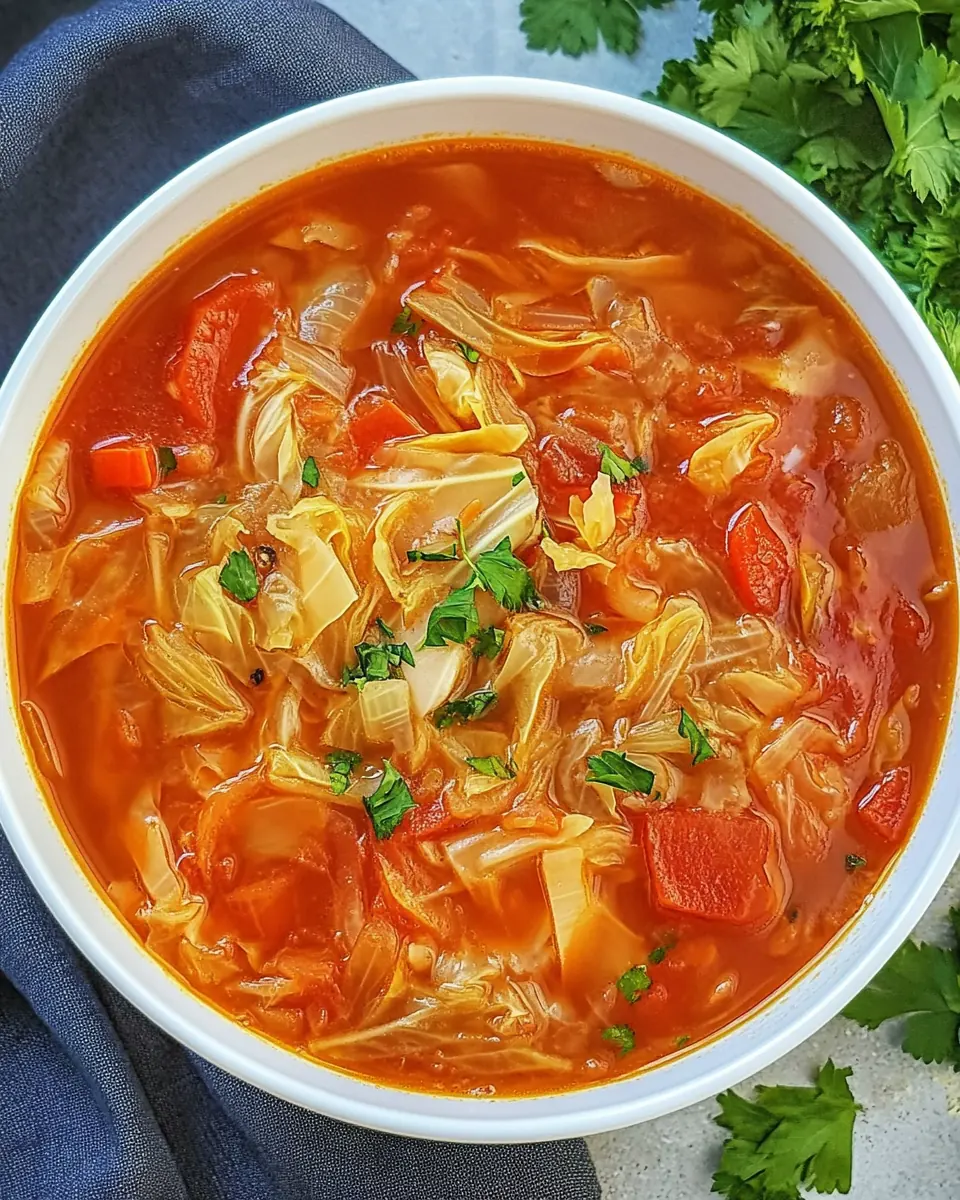
I treat notes as an ongoing conversation about the bowl. These tips expand the simple note in the CSV into practical, cook friendly guidance so you get dependable results every time.
- Storage guidance: Cabbage soup keeps well refrigerated for up to seven days, so cool it to room temperature before transferring to airtight containers and label with the date for easy meal planning.
- Freezing: This soup freezes beautifully for up to five months; portion into freezer safe containers leaving headroom for expansion, and thaw overnight in the fridge before reheating gently on the stove.
- Reheating: Warm slowly over low to medium heat, stirring occasionally so the vegetables soften evenly and the flavors reblend without scorching the bottom of the pot.
- Adjusting seasoning: Taste after reheating and add a pinch more salt or a grind of black pepper if the flavors seem muted, since chilling often mutes seasonings.
- Enhancing texture: If you prefer a thicker soup, gently mash a small portion of cooked cabbage and carrots in the pot or use an immersion blender briefly to create a creamier body while retaining some chunks.
Serving This Cabbage Soup
I love serving this soup across many occasions, from a quiet weeknight dinner to a light lunch during the colder months. Here are thoughtful ways to present and pair the bowl so it shines in different settings.
- Casual family dinner: Ladle the hot soup into deep bowls and garnish each with a sprinkle of freshly chopped parsley, offering bread on the side for dipping so everyone can scoop up the rich broth.
- Weeknight lunch: Serve a generous portion in a thermos for an easy portable meal, keeping the noodles or bread separate until you reheat so the texture remains satisfying.
- Seasonal pairing: This Cabbage Soup is ideal in winter when cabbage is at its peak, pairing well with roasted root vegetables or a crisp green salad for contrast.
- Occasions: Offer it as a starter for a cozy dinner or as a light main for informal gatherings, where it can sit warm on the stove for guests to serve themselves.
- Storage and serving later: Cool leftovers quickly and refrigerate for up to seven days, then reheat gently and refresh with a pinch of salt and fresh parsley before serving to revive the flavors.
- Presentation tip: Finish with a drizzle of good olive oil or a grind of fresh black pepper to add visual contrast and a final lift in flavor right before serving.
FAQ
Conclusion
Cabbage Soup stands out for its simplicity and comforting depth, turning a few humble ingredients into a bowl that warms both body and mood. The blend of tender cabbage, bright canned tomatoes, and delicate spices creates an approachable, nourishing dish that performs well on busy nights and keeps beautifully for future meals. Give it a try the next time you want an easy, satisfying dinner that feels thoughtful and unfussy. I hope it becomes one of your go to soups for chilly evenings and everyday comfort.
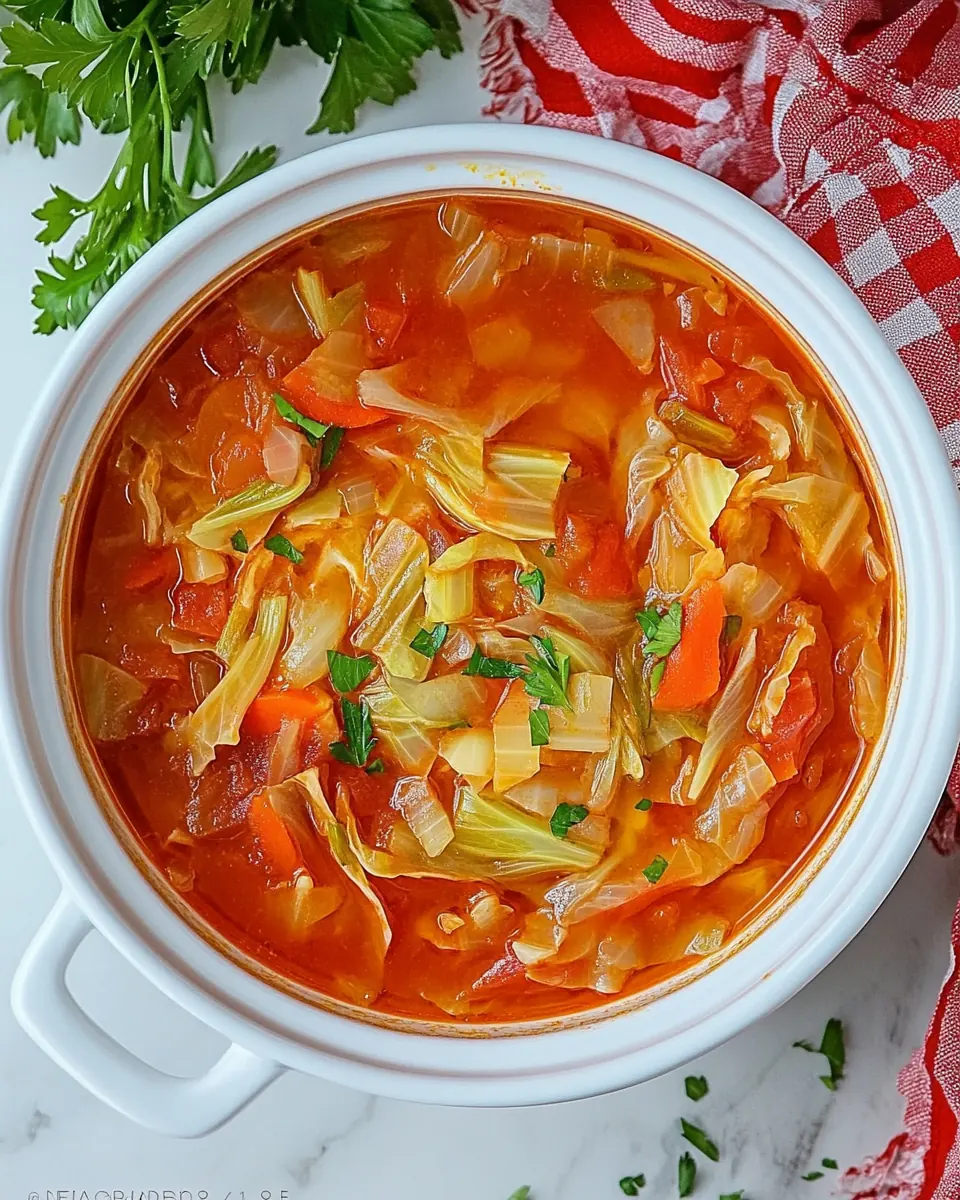
Cabbage Soup
Ingredients
Equipment
Method
- Add 1 tbsp butter to a large pot over medium-high heat. Sauté the onion, carrots and celery for about 4 minutes then add in garlic and stir for 30 seconds, until fragrant. Add in the cabbage and stir to combine.: As the butter melts, listen for a faint hiss and watch it foam briefly, which tells you the pan is ready for the aromatics. The melting butter carries fat soluble flavors and creates a silky sheen on the vegetables, which helps them soften without sticking. A common mistake is cranking the heat too high, which will brown the butter too fast and add bitter notes, so keep the heat steady. If your butter darkens quickly, lower the heat and wipe the pan briefly if necessary to avoid burnt fond.
- Pour in canned tomatoes and broth then bring to a boil. Add in the crushed fennel seeds, coriander, cumin, salt and pepper then stir to combine.: During these minutes, breathe in the sweet, savory scent as the onion becomes translucent and the carrots and celery soften, releasing a layered vegetable aroma. This step builds a flavorful base, as the gentle caramelization concentrates sugars. The garlic should be added later so it merely perfumes the mix; if added too early it can scorch. Watch the pan for tiny brown bits, that fond is tasty, but if the vegetables start to brown aggressively reduce heat and stir more frequently.
- Reduce heat to medium-low and cover. Cook for about 20 to 25 minutes, until vegetables are tender.: When you add the chopped cabbage , you will hear a bright rustling as the leaves meet the warm pot, and the volume will reduce as the cabbage wilts and nests into the vegetables. Stirring helps the cabbage pick up the buttery, aromatic coating and begin to release moisture that will enrich the broth. A misstep here is crowding the pot with too much cabbage at once, which can steam rather than sauté and mute flavor development; add it in manageable batches if needed.
- Once cooked, garnish with parsley and serve. Enjoy!: As the canned tomatoes and low sodium stock hit the pot, the aroma will shift, becoming more tomato forward and brothy; watch for an even simmer that rises to a gentle boil. This combination forms the body of the soup, melding the sautéed aromatics with bright tomato acidity. Boiling vigorously can break down the texture too quickly and make the soup cloudy, so bring it up to a boil then lower to maintain a steady, controlled simmer.
- Add in the crushed fennel seeds, coriander, cumin, salt and pepper then stir to combine: Adding the crushed fennel seeds and ground spices now allows their aromas to bloom into the hot liquid, creating a warm, layered fragrance. Stir thoroughly so the spices dissolve into the broth and distribute evenly. A common error is dumping spices in without stirring, which can cause pockets of intense flavor; always taste after a few minutes and adjust sparingly to avoid overpowering the delicate vegetable notes.
- Reduce heat to medium-low and cover: Lowering the heat to medium low and covering traps gentle steam, which helps the vegetables cook through without disintegrating and keeps the broth concentrated. You should hear a soft, steady murmur of bubbles rather than a rolling boil, which indicates even heat. Leaving the pot uncovered risks evaporating too much liquid and concentrating the flavors beyond desired levels, so keep the lid on and check occasionally to ensure the simmer remains calm.
- Cook for about 20 to 25 minutes, until vegetables are tender: Over the course of this cook time the carrots and cabbage will soften and the soup will smell cohesive and rounded, with the tomatoes mellowing into the stock. Tender vegetables yield a comforting mouthfeel while still holding shape; test a carrot slice for a slight resistance but no crunch. A common mistake is relying on time alone, since stove temperatures vary, so taste for tenderness instead of strictly timing; if vegetables are still firm continue cooking a few more minutes.
- Once cooked, garnish with parsley and serve: Finishing with freshly chopped parsley brightens the bowl visually and aromatically, adding a fresh green lift that contrasts the warm broth. Serve while hot, noticing the steam carry the herb's perfume and the spoon reveal the soup's texture. A slip here is adding the parsley too early, which will dull its color and aroma, so reserve it as the final touch to preserve vibrancy.
Notes
- Storage guidance: Cabbage soup keeps well refrigerated for up to seven days, so cool it to room temperature before transferring to airtight containers and label with the date for easy meal planning.
- Freezing: This soup freezes beautifully for up to five months; portion into freezer safe containers leaving headroom for expansion, and thaw overnight in the fridge before reheating gently on the stove.
- Reheating: Warm slowly over low to medium heat, stirring occasionally so the vegetables soften evenly and the flavors reblend without scorching the bottom of the pot.
- Adjusting seasoning: Taste after reheating and add a pinch more salt or a grind of black pepper if the flavors seem muted, since chilling often mutes seasonings.
- Enhancing texture: If you prefer a thicker soup, gently mash a small portion of cooked cabbage and carrots in the pot or use an immersion blender briefly to create a creamier body while retaining some chunks.