Gingerbread Cupcakes with Cinnamon Browned Butter Buttercream
Gingerbread Cupcakes with Cinnamon Browned Butter Buttercream are the kind of treat I reach for when the kitchen smells like warm spices and the house feels a little cozier than usual.
Years ago I learned these cupcakes while rummaging through a drawer of holiday notes, and what started as a single test batch quickly turned into my go to for cookie swap season and small family gatherings. I love how the molasses in the batter sits between the sweet and the slightly bitter, and how that aroma curls around the room as they bake. I remember one rainy afternoon when I baked them for a neighbor, and the cups emerged with rounded domes and a softly cracked top, their scent drawing everyone into the kitchen. That memory still makes me smile when I whisk the batter.
The frosting is the real show off here. Browning the butter for the buttercream gives it a nutty, almost caramel edge that plays beautifully with the warm spice notes in the cupcake. I often pause while stirring, inhaling the toasted butter scent, and think about how small techniques make big differences. Friends always ask if I used a secret ingredient, and I tell them the truth, that it is patience and a good skillet.
Recipe Snapshot
40 mins
20 mins
20 mins
Easy
250 kcal
American
Gluten-Free, Low FODMAP
Desserts
12-cup muffin pan, Paper liners, Medium bowl, Electric mixer, Skillet, Mixing bowl
The Appeal of This Gingerbread Cupcakes with Cinnamon Browned Butter Buttercream
Warm, nostalgic flavor
I find that Gingerbread Cupcakes with Cinnamon Browned Butter Buttercream taste like a pocket of holiday memory, without feeling overdone. The blend of ginger, cinnamon, nutmeg, and cloves is balanced to sing, rather than shout, which keeps each bite interesting and layered.
Buttery, toasty buttercream
Browning the butter for the buttercream transforms the frosting into something deeper and more grown up. I love the toffee like aroma and the way it complements the molasses in the cupcakes, giving a gentle savoriness that keeps the frosting from being cloying.
Easy to scale and share
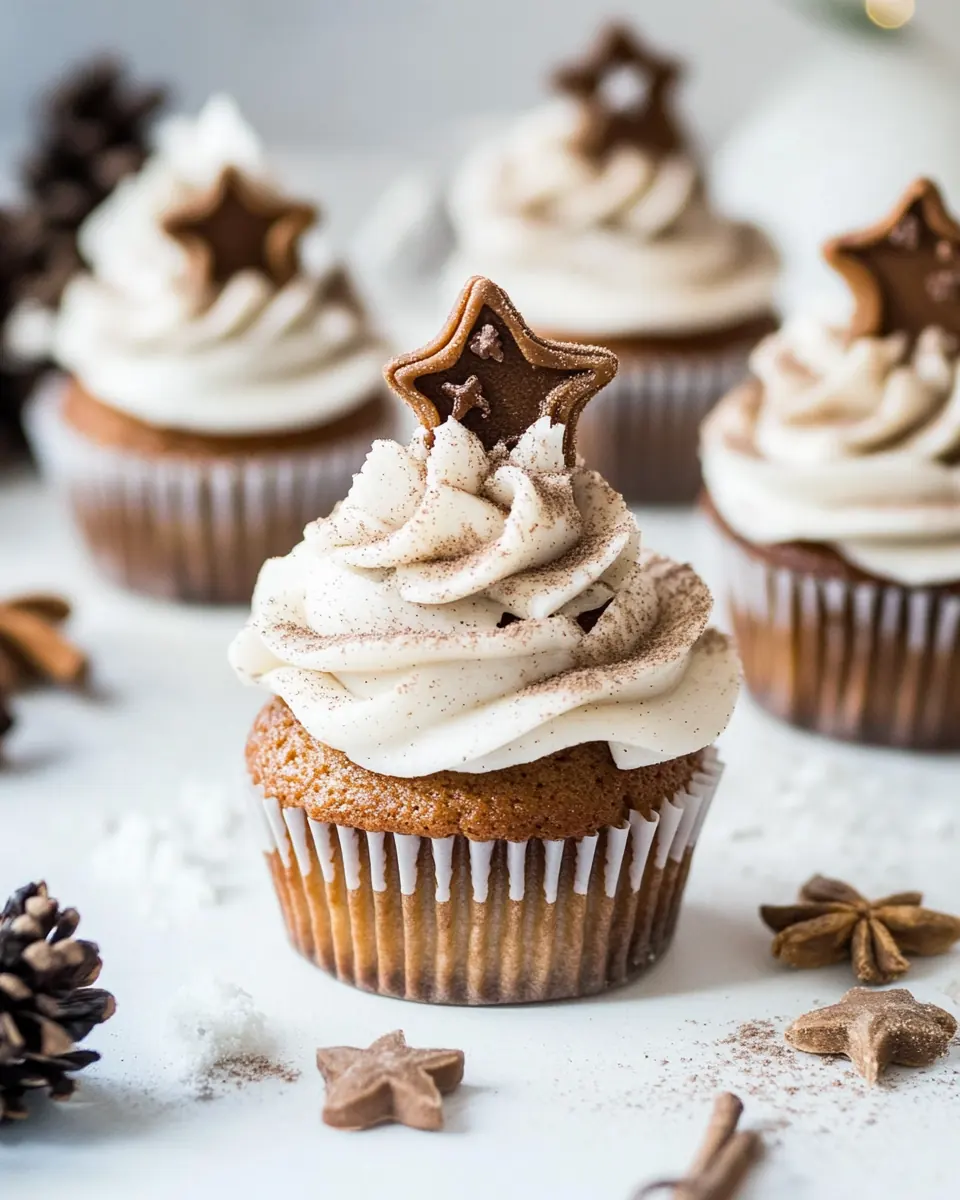
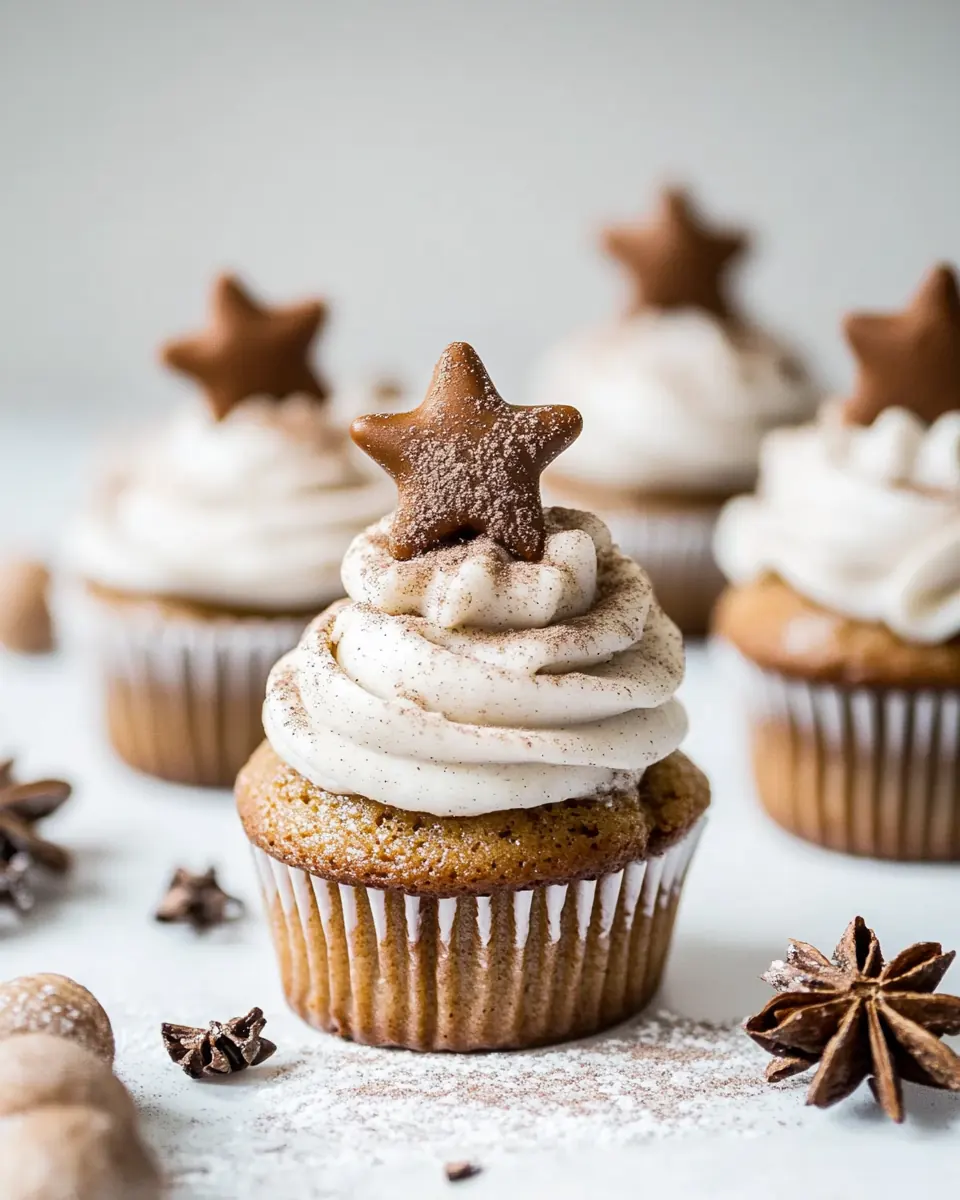
These cupcakes are straightforward enough for a weekday treat, yet pretty enough for company. I often double the batch when friends are coming over, because they travel well and present beautifully when piped with a star tip.
Textural contrast
The crumb of the cupcake is tender and moist thanks to the combination of molasses and milk, while the buttercream adds a creamy, silky top layer. That contrast keeps each mouthful interesting, and makes them a satisfying finish to any meal.
Reliable technique
I appreciate that the recipe uses basic tools and common pantry spices. From my experience, the mixing order and the step where you alternate wet and dry ingredients keeps the crumb light, which is why I trust this recipe for parties and last minute baking alike.
What’s In This Gingerbread Cupcakes with Cinnamon Browned Butter Buttercream
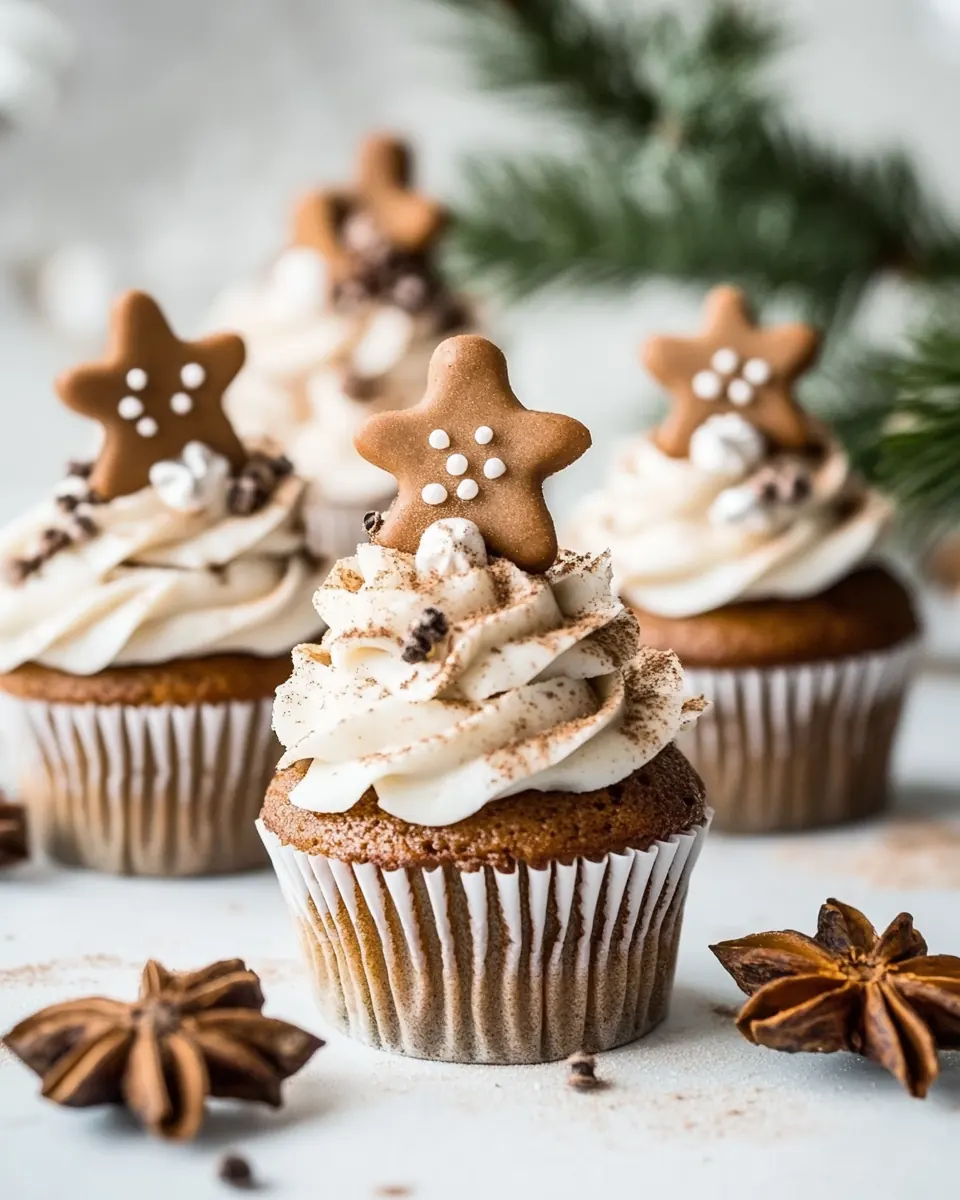
The ingredient list here is a celebration of classic warming spices and simple baking staples. Every element has a job, from building structure to adding moisture and depth. The spices are the stars, while the molasses and browned butter bring that unmistakable gingerbread character. Together they create cupcakes that are tender, aromatic, and satisfyingly spiced.
- 1 1/2 cups all-purpose flour: Provide structure and gluten for the cupcake batter, helping trap gases released during baking and contribute to a tender crumb when properly measured and sifted. Combine with leavening agents to balance moisture and create the cake's body, ensuring consistent texture across cupcakes.
- 1 teaspoon baking powder: Leaven and lighten the cupcake batter by releasing carbon dioxide when activated, working with baking soda to achieve proper rise. Measure precisely to avoid metallic or soapy flavors and to keep crumb fine and airy.
- 1/2 teaspoon baking soda: React with acidic ingredients to produce lift and tenderness while neutralizing some acidity from molasses; use accurately to prevent dense or bitter results. Activate quickly, so batter should be baked promptly after mixing to capture full rising effect.
- 1 teaspoon McCormick Ginger, Ground: Warm and aromatic spice that brightens the gingerbread profile and provides characteristic spiciness; incorporate into dry ingredients for even distribution. Pair with other spices to create depth and balance between sweet and spicy notes.
- 1 teaspoon McCormick Cinnamon, Ground: Sweet and woody spice that enhances warmth and richness in the batter; add to dry mix to contribute aromatic sweetness and complement molasses. Use carefully to avoid overpowering other spices while reinforcing gingerbread flavor.
- 1/4 teaspoon McCormick Nutmeg, Ground: Earthy and slightly sweet spice that adds warmth and complexity to the spice blend; mix with other ground spices to ensure homogeneous flavor pockets. Small amounts go a long way in rounding out the gingerbread taste.
- 1/4 teaspoon McCormick Cloves, Ground: Pungent and warm spice that introduces a sharp clove note to the spice mixture, boosting overall complexity; blend thoroughly with other spices for balanced heat. Use sparingly to prevent clove from dominating the profile.
- 1/4 teaspoon kosher salt: Enhance overall flavor by balancing sweetness and spices while strengthening gluten slightly; salt also controls yeast and chemical leavening performance. Dissolve evenly into dry ingredients to ensure consistent seasoning throughout cupcakes.
- 1/3 cup whole milk, at room temperature: Add moisture and help thin batter for easy mixing while contributing to tenderness and crumb; bring to room temperature so it blends smoothly with butter and egg. Whole milk contributes a touch of fat for richness and helps dissolve sugars.
- 1 stick (1/2 cup) salted butter, at room temperature: Cream for aeration and richness when beaten with sugar, contributing to tender crumb and flavor; bring to room temperature to ensure smooth creaming and proper emulsification. Salted butter adds immediate seasoning, so adjust added salt accordingly.
- 1/2 cup light brown sugar, packed: Sweeten and assist in creaming to incorporate air into batter, contributing to moistness and tender texture when packed properly. Light brown sugar adds a bit of molasses flavor, enhancing the gingerbread character of the cupcakes.
- 2 teaspoons McCormick Pure Vanilla Extract: Add warm, floral vanilla notes that enhance and round out flavors; stir into wet ingredients to distribute aroma evenly. Pure vanilla extract elevates sweetness perception and deepens overall flavor complexity.
- 1/2 cup molasses: Provide deep, robust sweetness and characteristic gingerbread flavor with rich, slightly bitter undertones; fold into warm wet mixture for easier blending. Molasses contributes moisture, color, and acidity that react with leaveners for proper rise.
- 1 egg, at room temperature: Emulsify and enrich the batter while contributing to structure and color; bring to room temperature to ensure it blends smoothly with butter and sugar. Eggs add lift, moisture, and stability to the cupcake's crumb.
- 2 sticks (1 cup) salted butter at room temperature: Create the base fat for the cinnamon browned butter buttercream, supplying richness, mouthfeel, and structure when whipped; bring to room temperature for best creaming consistency. Salted butter will add seasoning to the frosting, so taste and adjust sweetness as needed.
- 2 3 cups powdered sugar: Sweeten and stabilize the buttercream while adjusting texture to achieve desired stiffness and pipeability; sift if necessary to avoid lumps and add gradually until smooth. Powdered sugar also helps preserve buttercream and lengthen shelf life when stored correctly.
- 2 tablespoons honey: Introduce a floral sweetness and help thin the buttercream slightly while enhancing spreadability; incorporate with melted or softened butter for even flavor. Honey also contributes a subtle depth and sheen to the finished frosting.
- 1 teaspoon McCormick Pure Vanilla Extract: Add warm vanilla aroma that rounds and deepens the buttercream flavor; mix into frosting toward the end of whipping to preserve aroma. Pure vanilla extract harmonizes with cinnamon and butter for a balanced finish.
- 1 teaspoon McCormick Cinnamon, Ground: Provide a warm, sweet spice note to the buttercream that echoes the cupcake spices and enhances overall cohesion; fold in and taste to achieve desired intensity. Ground cinnamon adds color and a familiar baked-goods aroma to the frosting.
Step by Step Instructions for Gingerbread Cupcakes with Cinnamon Browned Butter Buttercream
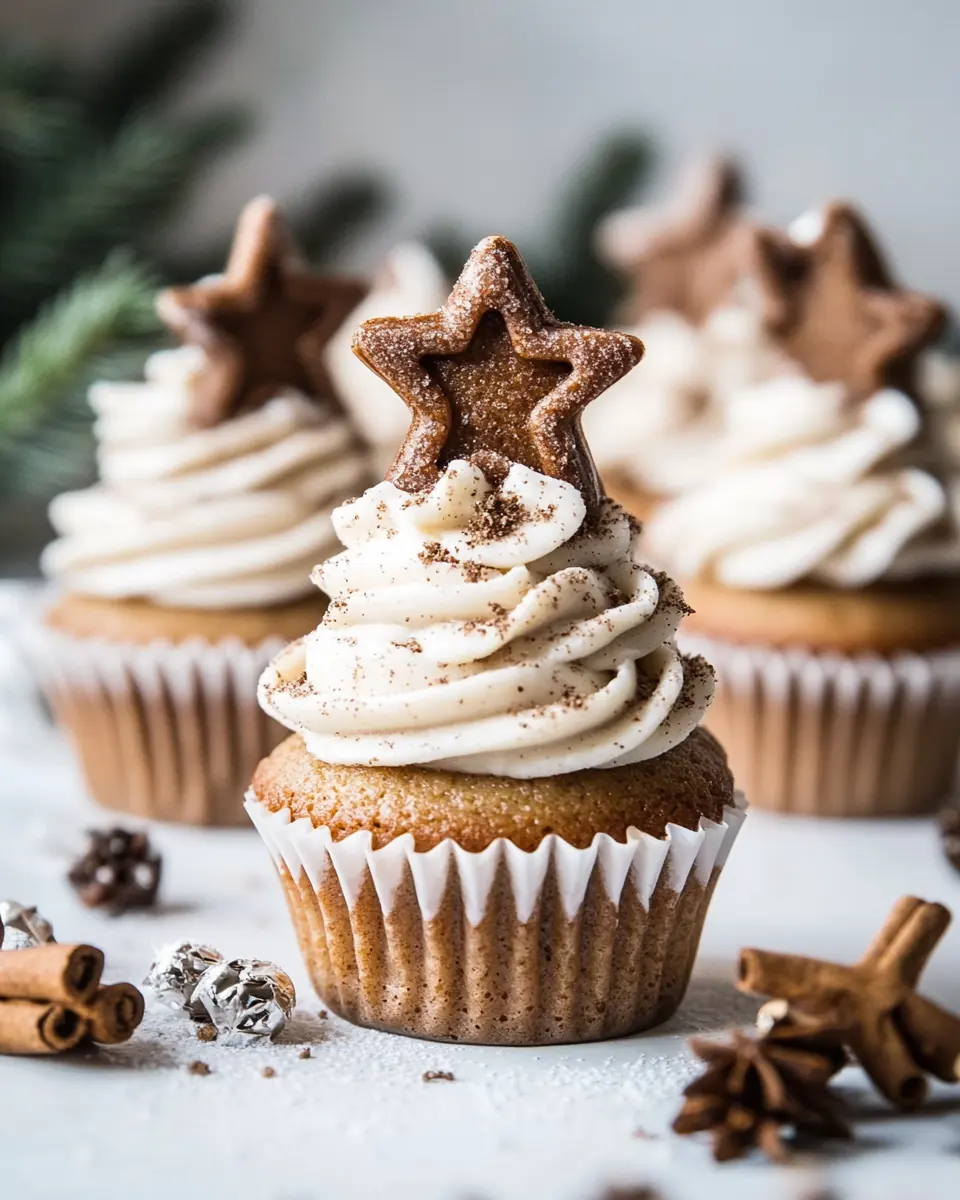
These directions will walk you through batter to frosting. I like to keep my mise en place ready so each move feels calm and precise. Follow the sequence and pay attention to visual and sensory cues to get consistently good results.
- Preheat the oven to 350 degrees F. Line a 12-cup muffin pan with paper liners. In a medium bowl combine the flour, baking powder, baking soda, ginger, cinnamon, nutmeg, cloves and salt. Using an electric mixer, beat together the butter and brown sugar until light and fluffy. Beat in the vanilla, molasses and egg until combined. Add the milk, alternating with the flour mixture until everything is combined. Divide the batter evenly among the prepared muffin pan. Transfer to the oven and bake until a toothpick inserted into the center of each comes out with moist crumbs attached, 18-22 minutes. Let cool before frosting. To make the buttercream. Add 1 stick butter to a skillet set over medium heat. Allow the butter to brown lightly until it smells toasted, about 2-3 minutes. Stir often. Remove from the heat and transfer the butter to the mixing bowl, let cool until it’s room temp. Add the remaining stick of butter and 2 cups powdered sugar. Beat the butter and powdered sugar together until the butter is light and fluffy. Add the honey, vanilla, and cinnamon and beat until combined, adding more powdered sugar as needed until your desired consistency is reached. Frost and decorate cupcakes as desired. Enjoy!: The kitchen fills with warm anticipation as the oven warms and you can feel the difference when you open the door. A properly preheated oven ensures even rise and consistent texture. One common mistake is not waiting for a full preheat which can cause uneven doming, so always confirm the temperature with an oven thermometer if your oven runs hot or cold.
- Line a 12-cup muffin pan with paper liners.: Lining the pan keeps cupcakes from sticking and makes cleanup easy, while the liners help the batter bake up with tidy sides. You should hear a faint rustle as you press them in, and the liners give a neat appearance after baking. Avoid overfilling the wells, which can lead to spillover and uneven baking.
- In a medium bowl combine the flour, baking powder, baking soda, ginger, cinnamon, nutmeg, cloves and salt.: As you whisk these dry elements, the air lifts through the flour and the spice scent blooms. Even mixing is critical because it distributes the leaveners and spices evenly. If you skip proper mixing you can end up with pockets of baking soda or clumps of spice which will create uneven flavor or texture.
- Using an electric mixer, beat together the butter and brown sugar until light and fluffy.: The creaming step introduces air into the butter and dissolves the brown sugar , creating a pale, billowy mixture. You will see the color brighten and hear the mixture become softer. A common pitfall is undercreaming, which yields dense cupcakes, so beat until the mixture looks aerated and slightly lighter in color.
- Beat in the vanilla, molasses and egg until combined.: When you add the vanilla , molasses , and egg , the batter will darken and the aroma becomes deeper and richer. Incorporate each addition until smooth to avoid streaks. Overmixing at this stage can tighten the gluten, so mix just until combined to keep the crumb tender.
- Add the milk, alternating with the flour mixture until everything is combined.: Alternating milk and the dry mix prevents the batter from becoming lumpy and helps maintain a tender crumb. You will notice the batter loosen and then thicken with each addition; aim for a smooth, ribbon like batter. A typical error is dumping the flour in at once, which can result in overworking the batter and a tougher cupcake.
- Divide the batter evenly among the prepared muffin pan.: Even distribution ensures uniform baking so each cupcake finishes at the same time. I use an ice cream scoop for consistent portions, which yields matched domes and even bake times. Avoid filling more than two thirds full to prevent overflow and unequal browning.
- Transfer to the oven and bake until a toothpick inserted into the center of each comes out with moist crumbs attached, 18 to 22 minutes.: As they bake, aromas of spice and molasses rise and the tops turn a deeper golden brown. The toothpick test should show moist crumbs not raw batter; underbaked centers will be gummy. Opening the oven too often can cause collapse, so resist checking until at least the lower end of the time range.
- Let cool before frosting.: Cooling allows the crumb to set and prevents the frosting from melting into the cake, which preserves the frosting texture and appearance. You will notice the cupcakes stop steaming as they come to room temperature. If you frost while warm, the frosting will slide off or thin out, so be patient and let them cool fully.
- To make the buttercream.: Browning the butter releases nutty, toasty aromas and gives the frosting a golden color and complex flavor. Heat until you smell toasted notes, remove promptly to avoid burning, and transfer to cool so it does not melt the rest of the butter when combined. Burning the butter is the main risk, so watch closely and stir often.
- Add 1 stick butter to a skillet set over medium heat.: When the butter melts you will hear a gentle hiss and see it foam; that foam will subside as milk solids brown and the smell turns toasty. Remove from heat when amber specks form to prevent bitter burnt notes. A mistake here is leaving it unattended which leads to a scorched taste.
- Allow the butter to brown lightly until it smells toasted, about 2 to 3 minutes.: The scent changes from creamy to nutty, and you will see tiny brown flecks at the bottom of the pan. This step deepens the flavor and mimics caramelization. If you exceed the timing, the butter can turn bitter, so transfer it out of the hot pan as soon as you see browning.
- Stir often.: Stirring distributes heat and prevents uneven browning, and keeps the milk solids from sticking. You will see the butter foam, then the foam will subside as the browning occurs. Not stirring can create hot spots that burn the butter.
- Remove from the heat and transfer the butter to the mixing bowl, let cool until it’s room temp.: Cooling stops the cooking and preserves the toasted notes without continuing to brown. The butter should be warm but not so hot it melts the rest of the frosting butter . Adding hot butter will yield a greasy frosting, so ensure it is at room temperature before combining with the other stick of butter .
- Add the remaining stick of butter and 2 cups powdered sugar.: Combining the browned butter with room temp butter and powdered sugar creates a silky base for the buttercream. Start at low speed to prevent a sugar cloud, then increase speed until creamy. Too much speed too fast can make the frosting loose and overly aerated.
- Beat the butter and powdered sugar together until the butter is light and fluffy.: The mixture should become airy and pale, and you will hear the mixer change timbre as it aerates the frosting. Proper whipping gives the buttercream structure and spreadability. Underbeating yields a dense frosting that is hard to pipe.
- Add the honey, vanilla, and cinnamon and beat until combined, adding more powdered sugar as needed until your desired consistency is reached.: The honey and vanilla round out the frosting, while cinnamon ties it back to the cupcake spices. Adjusting with more powdered sugar tunes thickness for piping or spreading. A common misstep is over sweetening; add sugar gradually while testing texture.
- Frost and decorate cupcakes as desired.: When you frost, the buttercream should glide smoothly and hold its shape. The contrast of the glossy frosting atop the tender crumb is pleasing both visually and texturally. If the frosting is too soft, chill briefly, and if too stiff, beat in a teaspoon of room temperature milk to loosen it gently.
- Enjoy!: Take a moment to notice the balance of spice, the toasted butter notes, and the tender crumb as you bite in. These cupcakes are best within a day or two for freshness, and they pair well with a warm beverage. Storing improperly or leaving them exposed will dry out the cupcakes, so keep them in an airtight container.
Tips for Success
A few careful habits make these cupcakes reliably excellent every time. Below are practical, tested tips I use in my kitchen to keep the process smooth and the results consistent.
- Room temperature ingredients: Let the butter, milk, and egg come to room temperature so they incorporate smoothly, preventing lumps and overmixing.
- Measure flour correctly: Spoon the all-purpose flour into your measuring cup and level it off rather than scooping, to avoid dense cupcakes from too much flour.
- Watch the browned butter: Stay attentive when browning butter, and transfer it off the heat as soon as you see amber flecks to keep flavors nutty not burnt.
- Don’t overmix batter: Mix until ingredients are just combined to maintain a tender crumb, excessive mixing develops gluten which makes cupcakes chewy.
- Test for doneness: Use the toothpick test for centers showing moist crumbs; baking beyond the right moment dries them out.
- Adjust frosting consistency: Add more powdered sugar for stiffer piping or a teaspoon of milk to loosen the buttercream gently for spreading.
- Store properly: Keep finished cupcakes in an airtight container at room temperature for up to two days to maintain the best texture and flavor.
Great Combinations for Gingerbread Cupcakes with Cinnamon Browned Butter Buttercream
These cupcakes are versatile for gatherings and quiet moments alike. Below are thoughtful serving ideas, pairings, and storage suggestions to enhance the experience.
- Afternoon tea pairing: Serve the cupcakes with a warm spiced tea or a simple black tea to let the spices shine without overpowering them.
- Holiday dessert plate: Arrange several cupcakes with fresh seasonal fruit for a festive dessert spread suitable for Christmas or fall celebrations.
- Gift box idea: Pack cooled, frosted cupcakes in a sturdy box with parchment between layers for a neighborly treat during holiday visits.
- Occasion suitability: These work for cozy gatherings, cookie swaps, small dinner parties, or as a special dessert during winter holiday meals.
- Storage tips: Keep in an airtight container at room temperature for up to two days, or refrigerate for up to four days, bringing to room temperature before serving to restore tenderness.
- Make ahead: Bake the cupcakes and freeze unfrosted for up to one month, thawing fully before frosting to maintain texture and flavor.
FAQ
Conclusion
What makes these cupcakes special is the way classic gingerbread spices meet a toasty, cinnamon browned butter buttercream for a layered, comforting dessert. The combination of molasses sweetened batter and nutty frosting creates harmony in every bite, making them ideal for seasonal gatherings or a cozy treat. I hope you enjoy baking and sharing them, and that they become one of your go to recipes for bringing warmth and aroma to your home during the cooler months.
Gingerbread Cupcakes with Cinnamon Browned Butter Buttercream
Ingredients
Equipment
Method
- Preheat the oven to 350 degrees F. Line a 12-cup muffin pan with paper liners. In a medium bowl combine the flour, baking powder, baking soda, ginger, cinnamon, nutmeg, cloves and salt. Using an electric mixer, beat together the butter and brown sugar until light and fluffy. Beat in the vanilla, molasses and egg until combined. Add the milk, alternating with the flour mixture until everything is combined. Divide the batter evenly among the prepared muffin pan. Transfer to the oven and bake until a toothpick inserted into the center of each comes out with moist crumbs attached, 18-22 minutes. Let cool before frosting. To make the buttercream. Add 1 stick butter to a skillet set over medium heat. Allow the butter to brown lightly until it smells toasted, about 2-3 minutes. Stir often. Remove from the heat and transfer the butter to the mixing bowl, let cool until it’s room temp. Add the remaining stick of butter and 2 cups powdered sugar. Beat the butter and powdered sugar together until the butter is light and fluffy. Add the honey, vanilla, and cinnamon and beat until combined, adding more powdered sugar as needed until your desired consistency is reached. Frost and decorate cupcakes as desired. Enjoy!: The kitchen fills with warm anticipation as the oven warms and you can feel the difference when you open the door. A properly preheated oven ensures even rise and consistent texture. One common mistake is not waiting for a full preheat which can cause uneven doming, so always confirm the temperature with an oven thermometer if your oven runs hot or cold.
- Line a 12-cup muffin pan with paper liners.: Lining the pan keeps cupcakes from sticking and makes cleanup easy, while the liners help the batter bake up with tidy sides. You should hear a faint rustle as you press them in, and the liners give a neat appearance after baking. Avoid overfilling the wells, which can lead to spillover and uneven baking.
- In a medium bowl combine the flour, baking powder, baking soda, ginger, cinnamon, nutmeg, cloves and salt.: As you whisk these dry elements, the air lifts through the flour and the spice scent blooms. Even mixing is critical because it distributes the leaveners and spices evenly. If you skip proper mixing you can end up with pockets of baking soda or clumps of spice which will create uneven flavor or texture.
- Using an electric mixer, beat together the butter and brown sugar until light and fluffy.: The creaming step introduces air into the butter and dissolves the brown sugar , creating a pale, billowy mixture. You will see the color brighten and hear the mixture become softer. A common pitfall is undercreaming, which yields dense cupcakes, so beat until the mixture looks aerated and slightly lighter in color.
- Beat in the vanilla, molasses and egg until combined.: When you add the vanilla , molasses , and egg , the batter will darken and the aroma becomes deeper and richer. Incorporate each addition until smooth to avoid streaks. Overmixing at this stage can tighten the gluten, so mix just until combined to keep the crumb tender.
- Add the milk, alternating with the flour mixture until everything is combined.: Alternating milk and the dry mix prevents the batter from becoming lumpy and helps maintain a tender crumb. You will notice the batter loosen and then thicken with each addition; aim for a smooth, ribbon like batter. A typical error is dumping the flour in at once, which can result in overworking the batter and a tougher cupcake.
- Divide the batter evenly among the prepared muffin pan.: Even distribution ensures uniform baking so each cupcake finishes at the same time. I use an ice cream scoop for consistent portions, which yields matched domes and even bake times. Avoid filling more than two thirds full to prevent overflow and unequal browning.
- Transfer to the oven and bake until a toothpick inserted into the center of each comes out with moist crumbs attached, 18 to 22 minutes.: As they bake, aromas of spice and molasses rise and the tops turn a deeper golden brown. The toothpick test should show moist crumbs not raw batter; underbaked centers will be gummy. Opening the oven too often can cause collapse, so resist checking until at least the lower end of the time range.
- Let cool before frosting.: Cooling allows the crumb to set and prevents the frosting from melting into the cake, which preserves the frosting texture and appearance. You will notice the cupcakes stop steaming as they come to room temperature. If you frost while warm, the frosting will slide off or thin out, so be patient and let them cool fully.
- To make the buttercream.: Browning the butter releases nutty, toasty aromas and gives the frosting a golden color and complex flavor. Heat until you smell toasted notes, remove promptly to avoid burning, and transfer to cool so it does not melt the rest of the butter when combined. Burning the butter is the main risk, so watch closely and stir often.
- Add 1 stick butter to a skillet set over medium heat.: When the butter melts you will hear a gentle hiss and see it foam; that foam will subside as milk solids brown and the smell turns toasty. Remove from heat when amber specks form to prevent bitter burnt notes. A mistake here is leaving it unattended which leads to a scorched taste.
- Allow the butter to brown lightly until it smells toasted, about 2 to 3 minutes.: The scent changes from creamy to nutty, and you will see tiny brown flecks at the bottom of the pan. This step deepens the flavor and mimics caramelization. If you exceed the timing, the butter can turn bitter, so transfer it out of the hot pan as soon as you see browning.
- Stir often.: Stirring distributes heat and prevents uneven browning, and keeps the milk solids from sticking. You will see the butter foam, then the foam will subside as the browning occurs. Not stirring can create hot spots that burn the butter.
- Remove from the heat and transfer the butter to the mixing bowl, let cool until it’s room temp.: Cooling stops the cooking and preserves the toasted notes without continuing to brown. The butter should be warm but not so hot it melts the rest of the frosting butter . Adding hot butter will yield a greasy frosting, so ensure it is at room temperature before combining with the other stick of butter .
- Add the remaining stick of butter and 2 cups powdered sugar.: Combining the browned butter with room temp butter and powdered sugar creates a silky base for the buttercream. Start at low speed to prevent a sugar cloud, then increase speed until creamy. Too much speed too fast can make the frosting loose and overly aerated.
- Beat the butter and powdered sugar together until the butter is light and fluffy.: The mixture should become airy and pale, and you will hear the mixer change timbre as it aerates the frosting. Proper whipping gives the buttercream structure and spreadability. Underbeating yields a dense frosting that is hard to pipe.
- Add the honey, vanilla, and cinnamon and beat until combined, adding more powdered sugar as needed until your desired consistency is reached.: The honey and vanilla round out the frosting, while cinnamon ties it back to the cupcake spices. Adjusting with more powdered sugar tunes thickness for piping or spreading. A common misstep is over sweetening; add sugar gradually while testing texture.
- Frost and decorate cupcakes as desired.: When you frost, the buttercream should glide smoothly and hold its shape. The contrast of the glossy frosting atop the tender crumb is pleasing both visually and texturally. If the frosting is too soft, chill briefly, and if too stiff, beat in a teaspoon of room temperature milk to loosen it gently.
- Enjoy!: Take a moment to notice the balance of spice, the toasted butter notes, and the tender crumb as you bite in. These cupcakes are best within a day or two for freshness, and they pair well with a warm beverage. Storing improperly or leaving them exposed will dry out the cupcakes, so keep them in an airtight container.
Notes
- Room temperature ingredients: Let the butter, milk, and egg come to room temperature so they incorporate smoothly, preventing lumps and overmixing.
- Measure flour correctly: Spoon the all-purpose flour into your measuring cup and level it off rather than scooping, to avoid dense cupcakes from too much flour.
- Watch the browned butter: Stay attentive when browning butter, and transfer it off the heat as soon as you see amber flecks to keep flavors nutty not burnt.
- Don’t overmix batter: Mix until ingredients are just combined to maintain a tender crumb, excessive mixing develops gluten which makes cupcakes chewy.
- Test for doneness: Use the toothpick test for centers showing moist crumbs; baking beyond the right moment dries them out.
- Adjust frosting consistency: Add more powdered sugar for stiffer piping or a teaspoon of milk to loosen the buttercream gently for spreading.
- Store properly: Keep finished cupcakes in an airtight container at room temperature for up to two days to maintain the best texture and flavor.