Salt Cod with Potatoes over Rice
Salt Cod with Potatoes over Rice is the sort of dish I return to when the weather leans cold and I want something honest, comforting, and rooted in memory. The first time I made it, I was guided by a battered family note that simply said bacalao, patience, and plenty of soaking. From that first briny bite, I understood why generations keep coming back to this pairing of flaky salt cod, tender potatoes, and plain rice. It feels like a warm conversation at the table, quiet but full of history.
Over the years I have tweaked the mix of vegetables and the timing so the potatoes break down just enough to add body to the sauce, while the salt cod remains flaky and distinct. I love how the sweet tomatoes and bright parsley offset the savory, almost mineral quality of the rehydrated fish. This recipe taught me to respect simple techniques, like soaking and gentle simmering, because they profoundly shape the final texture and balance.
Sharing this plate feels like offering comfort and a little culinary history. I’ve served it for cozy weeknight meals and casual dinners with friends, and everyone asks for the method rather than the list of ingredients. That’s because the charm is in the rhythm of preparation, and in the way a few humble ingredients yield something deeply satisfying. If you want a bowl that warms from the inside out, and teaches patience in a delicious way, this recipe is a great place to start.
Recipe Snapshot
35 mins
15 mins
20 mins
Easy
350 kcal
Mediterranean
Vegan, Gluten-Free
Dinner
Large saute pan, Knife, Cutting board, Pot for rice
The Appeal of This Salt Cod with Potatoes over Rice
Heartwarming, honest flavor
I adore how Salt Cod with Potatoes over Rice delivers deep, layered taste from pantry staples. The salt cod brings a concentrated, savory note that transforms the whole pan, while the potatoes absorb those flavors and add a comforting starchiness. When we eat it, the first forkful is always a reminder that simple, slow cooking beats flashy tricks.
Economical and pantry friendly
This dish is practical. With a bit of rice, a few vegetables, and properly soaked salt cod, you can feed a family without fuss. I often reach for it when I want an easy weeknight dinner that still feels special. It stretches well, and leftovers taste even better the next day because the flavors continue to mingle.
Textural harmony
The combination of tender, diced potatoes, flaky salt cod, and soft, steamed rice creates a pleasing contrast. I love finding a chunk of potato that has taken on the sauce versus a delicate piece of fish that flakes apart. That contrast keeps each bite interesting and comforting at once.
Flexible and forgiving technique
I appreciate recipes that welcome slight improvisation, and Salt Cod with Potatoes over Rice does just that. You can adjust the vegetables you have on hand, change the rice style, or tweak simmering time to suit your preference. I often nudge the seasoning and cook time based on the thickness of my potatoes or the salt level of the soaked salt cod, and it still turns out satisfying.
Cultural richness
There is a warmth to feeding people with a recipe that carries tradition. When I make this, I think about coastal kitchens and simple family feasts, and serving it feels like continuing a thread. It is a dish that invites conversation, and I savor that every time I ladle it over a bowl of plain rice.
Shopping List for Salt Cod with Potatoes over Rice
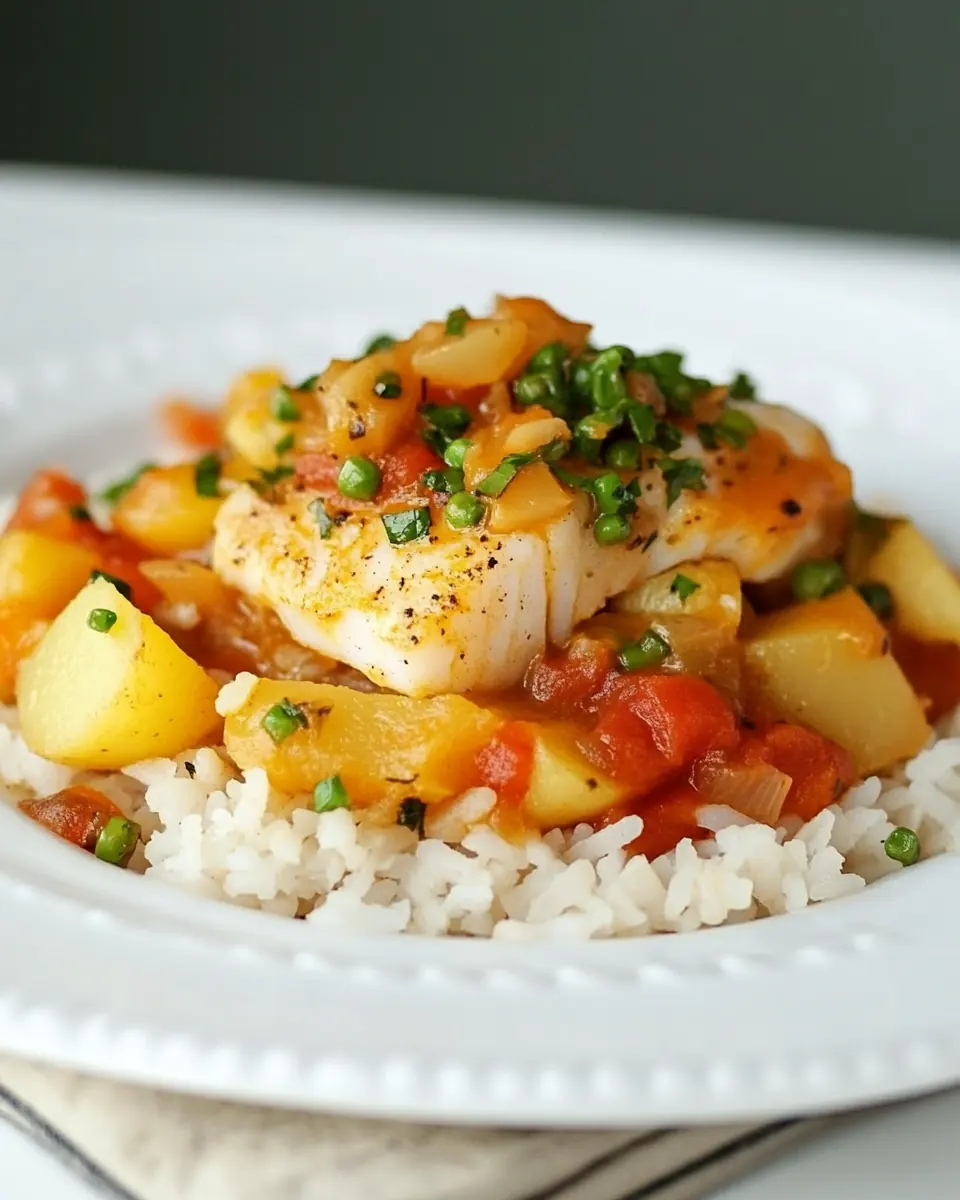
These ingredients are framed around a philosophy of balance: the salt cod provides concentrated savory depth, the potatoes give body and texture, and the vegetables bring freshness and brightness. The rice serves as a neutral base to carry the stew, while simple seasonings tie everything together. Together, they create a comforting stew that is rustic yet elegant.
- 1 tablespoon olive oil: Heat gently to develop flavor and provide the cooking fat that prevents sticking while adding a fruity, low-acidity base to the dish; use at the beginning of sautéing vegetables to bloom aromatics and carry flavors through the sauce.
- 1 large russet potato peeled and cut into 1/2" dice: Peel and dice to tender, starchy cubes that absorb braising liquid and lend a creamy, hearty texture; cook until fork-tender so they integrate with the sauce and balance the saltiness of the cod.
- 1 bell pepper diced: Dice finely to contribute sweet, crisp, and slightly bitter notes; sauté with onions and celery to create a savory foundation and add color and fresh aroma to the final dish.
- 1/2 onion diced: Dice finely to create a soft, savory backbone for the sofrito; cook until translucent to release sweetness and to meld with the garlic and tomato flavors.
- 1 stalk celery diced: Dice finely to add aromatic depth and a subtle vegetal crunch; sweat with onion and pepper to build layers of savory flavor in the base.
- 2 cloves garlic minced: Mince finely to release pungent, aromatic oils that add sharpness and complexity; add toward the beginning or middle of cooking to avoid burning while infusing the dish with savory depth.
- 2 tomatoes diced: Dice to contribute bright acidity, juiciness, and freshness; simmer down to form part of the sauce that balances the richness of the oil and salt cod.
- 1 tablespoon tomato paste: Stir in to intensify tomato flavor and thicken the sauce; cook briefly to remove rawness and to concentrate umami and sweetness for a cohesive braise.
- 1 cup water: Add as needed to provide liquid for simmering and to adjust consistency; use to create a gentle braising environment that softens potatoes and integrates flavors.
- 2 cups rice grains + water to cook: Cook according to package instructions to provide a neutral, absorbent starch bed; pair as a base that soaks up the saucy potato and cod mixture for a complete meal.
- 1 tablespoon chopped fresh parsley: Chop and sprinkle to brighten flavors and add a fresh herbal note; incorporate at the end of cooking to preserve color and aromatic lift for the finished plate.
- 1 pound salt cod bacalao, soaked overnight (see note below): Soak overnight to desalt and rehydrate, then flake or cut for cooking; simmer gently with the other ingredients so the flaky, savory fish imparts characteristic briny depth to the dish.
Making Salt Cod with Potatoes over Rice
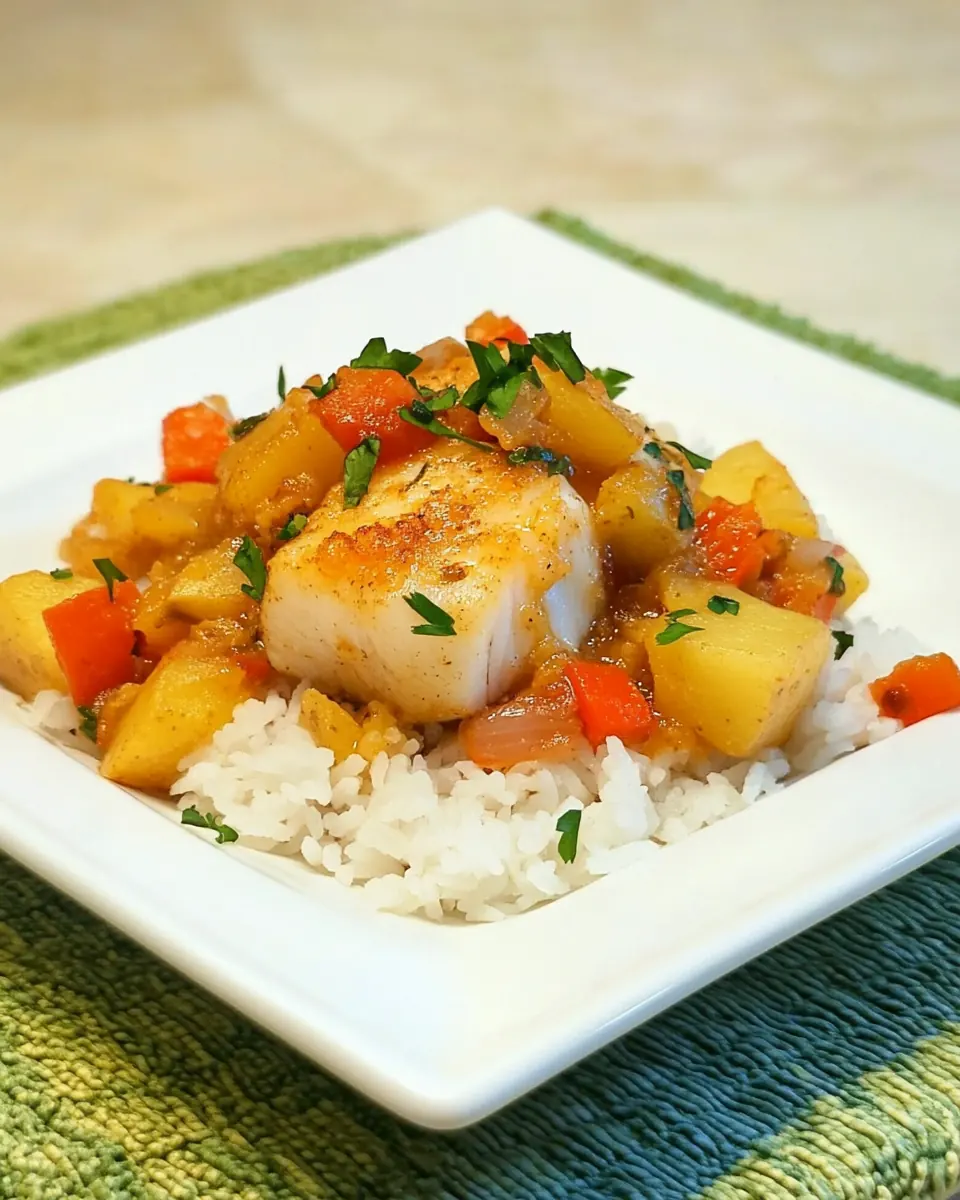
This dish is straightforward but relies on a few simple timings and attentive simmering. While the fish soaks, you can prep the vegetables and rice. When you start cooking, focus on building layers of flavor by browning and then gently simmering so the components come together.
- The night before, cover the bacalao with cool water and refrigerate.: The smell of the soaking water will be noticeably briny, a reminder that salt cod carries preserved ocean flavor. Soaking overnight leaches out excess salt and rehydrates the fish, which is essential for a balanced final taste. A common mistake is rushing this step, which leaves the dish overly salty; if you are short on time, change the water a few times to speed the desalting process. You should see the flesh relax and feel supple after soaking, not rigid.
- Drain the bacalao, rinse with fresh water. Cut into 1" pieces.: After draining, rinsing removes any grit and lingering salt on the surface. When you cut the salt cod into 1" pieces, the edges will reveal translucent layers that will become tender and opaque as they cook. The wet fish will feel slightly springy, and a ragged edge indicates it has rehydrated properly. Avoid cutting pieces that are too small, as they can disintegrate during simmering; pieces about 1" hold their shape and flake pleasantly when done.
- Heat a large saute pan over medium-high heat with the olive oil. When hot, add the potatoes and cook until lightly browned on all sides, about 2 minutes. Add in the bell pepper, onion, celery and garlic and saute for 3-4 minutes. Add in the tomatoes, tomato paste, water and stir. Bring to a simmer and add in the bacalao. Cover and simmer for 15 minutes or until the potatoes are cooked through. Stir in the parsley.: You will hear a lively sizzle when the olive oil is hot and the potatoes hit the pan, and small golden edges will appear as they brown. That initial sear builds a toasty flavor that lifts the stew. If the potatoes steam instead of browning, the pan is overcrowded or not hot enough, so give them space or raise the heat slightly. The surface should develop a light golden crust, not a deep burn.
- In the meantime, cook the rice according to package instructions. Serve the stew over rice.: The pan will soften into a gentle chorus of aromas as the onion becomes translucent and the garlic releases perfume. You want the vegetables softened and slightly glossy, not charred. Stir so nothing sticks, and listen for a muted sizzling rather than a harsh crackle which signals excessive heat. A common error is cooking garlic too long which makes it bitter, so add it after the firmer veggies have begun to soften to protect its sweet flavor.
- Add in the tomatoes tomato paste water and stir: When the tomatoes hit the hot pan they will loosen and start to break down, releasing bright acidity and color. Stirring in the tomato paste intensifies the umami and deepens the sauce. You will notice the mixture thicken slightly and emit a rich, savory aroma. If the sauce seems thin, let it reduce a bit to concentrate flavor, but avoid drying it out; maintain a gentle simmer for control.
- Bring to a simmer and add in the bacalao: The pan will go from active bubbling to a steadier, gentler simmer that will cook the salt cod evenly. Adding the fish at this stage ensures it finishes tender without overcooking. You should see the edges of the pieces turn opaque first, a cue that heat is working inward. A mistake to avoid is boiling vigorously which can make the fish tough and cause the potatoes to fall apart; maintain a soft simmer.
- Cover and simmer for 15 minutes or until the potatoes are cooked through: Under the lid, aromas will concentrate and the sauce will thicken slightly as starch from the potatoes loosens. A fork inserted into a piece of potato should meet little resistance, and the stew will look cohesive and slightly glossy. Be careful not to overcook, because you want the salt cod to remain flaky not dry. If the liquid evaporates too quickly, add a splash of water and continue to simmer gently.
- Stir in the parsley: Fresh chopped parsley adds an immediate burst of color and herbal lift that cuts through the savory richness. You will notice a bright scent when it hits the hot stew, and it will contribute small flecks of green in each spoonful. Add it at the end so it retains freshness; cooking it too long mutes its lively character. Taste and adjust if the dish still feels slightly salty from the salt cod .
- In the meantime cook the rice according to package instructions: While the stew simmers, prepare the rice so it is steaming hot and tender when you serve. The sound of a gentle simmer and the steam rising are good cues that the rice is done. Fluff with a fork to separate the grains, and avoid overcooking which makes it mushy and less able to hold the stew.
- Serve the stew over rice: When you ladle the hot stew over a bed of steaming rice , you will see the sauce soak into the grains and the plate come alive with color. The contrast between the soft rice and the saucy vegetables with flakes of salt cod is comforting and balanced. One common mistake is plating cold rice which cools the stew quickly; always serve immediately so each mouthful is warm and cohesive.
Helpful Hints
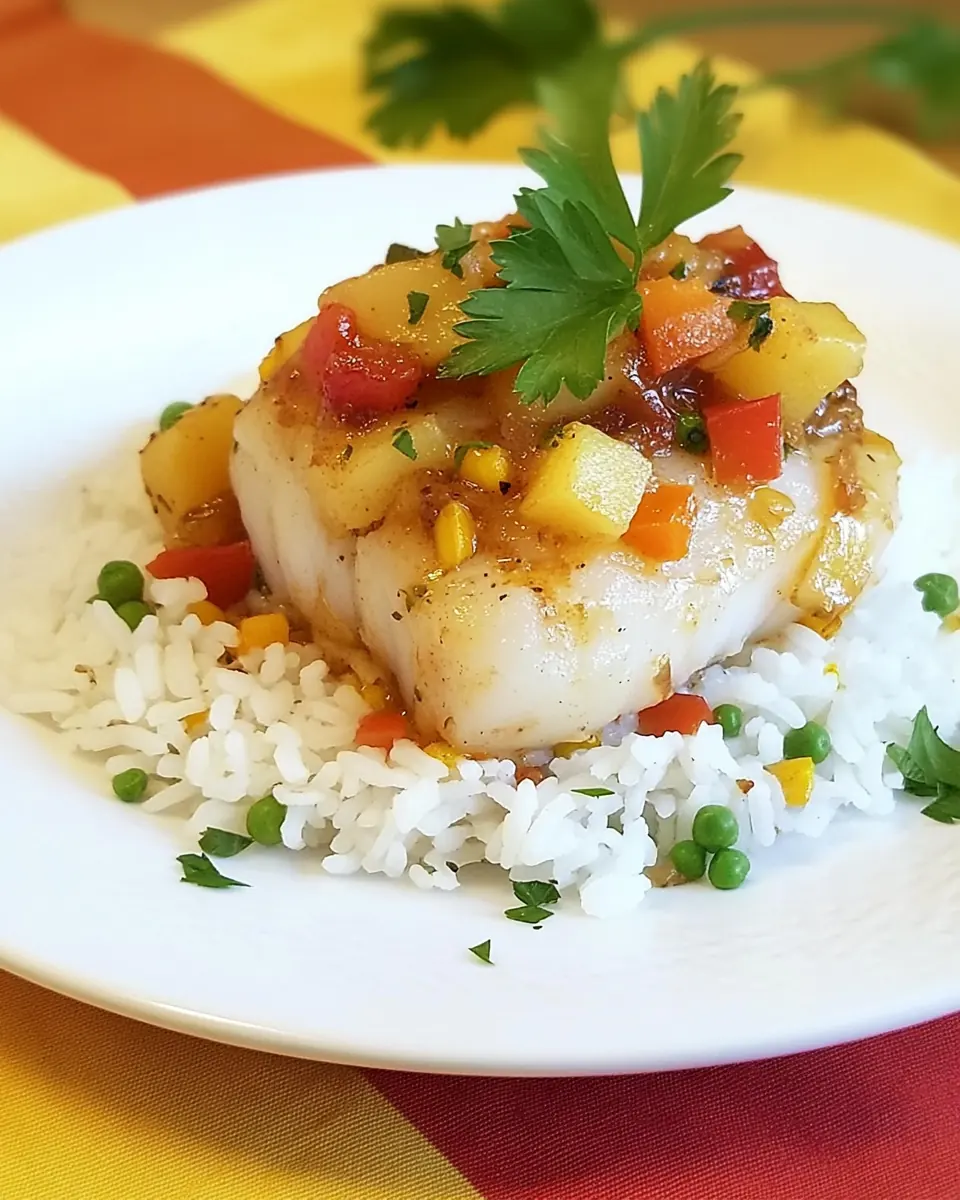
This collection of tips helps you get consistent results with Salt Cod with Potatoes over Rice. I wrote them from hands on experience, covering soaking, textures, and serving so you can feel confident at every step.
- Soaking matters: Always soak the salt cod at least overnight in cool water; change the water once or twice if it seems very salty. This reduces excess salt and restores a tender texture while removing surface grit.
- Cut for even cooking: Dice the potatoes into uniform 1/2″ pieces so they cook evenly during the 15 minute simmer. Uneven sizes cause some pieces to overcook while others stay firm.
- Brown the potatoes first: Give the potatoes a little color in the pan before adding vegetables, this step adds caramelized flavor that deepens the overall stew.
- Mind the garlic timing: Add minced garlic after the firmer vegetables soften so it does not burn and turn bitter; it should be fragrant, not charred.
- Low and slow for the fish: Maintain a gentle simmer once the salt cod is in the pan to keep the fish flaky and tender. Vigorous boiling can toughen the flesh.
- Fresh parsley finish: Stir in the chopped parsley at the end for color and brightness, adding a fresh contrast to the savory stew.
- Serve right away: Plate the stew over steaming rice so the grains absorb the sauce and each bite stays warm and balanced.
- Adjust salt last: Taste only after the stew finishes, since residual salt from the salt cod can change during cooking; add more salt sparingly if needed.
- Leftovers improve: The flavors meld overnight, so refrigerate any leftovers and reheat gently; the dish often tastes better the next day.
- Rice texture: Cook the rice so it is tender but not mushy, fluffy grains make a better base for the stew and prevent a soggy result.
What to Serve Alongside Salt Cod with Potatoes over Rice
This stew is hearty enough to stand alone, but a few well chosen accompaniments lift the meal. Think about serving styles, seasonal tweaks, and simple storage advice so your dinner is polished from start to finish.
- Simple green salad: A crisp salad with lemon vinaigrette brings a bright contrast to the savory stew and refreshes the palate between spoonfuls.
- Crusty bread: Offer warm, crusty bread for sopping up the flavorful sauce, especially useful if you enjoy every last bit of the simmered vegetables and broth.
- Pickled vegetables: A small side of pickled peppers or onions adds acidity and a crunchy counterpoint that complements the salt cod.
- Occasion suggestions: This dish works for casual family dinners, chilly winter nights, or a relaxed weekend lunch; it is hearty and communal, making it great for shared meals.
- Storage tips: Refrigerate leftovers in an airtight container for up to three days; reheat gently on low heat to preserve the texture of the salt cod and avoid breaking the potatoes.
- Portioning: Serve the stew over a modest bed of hot rice to keep the balance of sauce to grain, adjusting amounts based on appetite and occasion.
- Seasonal pairing: In winter, pair with roasted winter greens; in milder months, lighten the meal with a citrusy salad to add freshness.
- Presentation: Spoon the stew over the rice and finish with a sprinkle of chopped parsley to add color and an herbal lift.
- Family style: Serve the stew in a deep serving bowl with rice in a separate bowl so everyone can assemble their plate to taste.
- Serving temperature: Keep the stew hot until serving, as warmth enhances the aroma and flavor integration of the ingredients.
FAQ
Conclusion
Salt Cod with Potatoes over Rice stands out for its comforting balance of flaky, savory fish and mellow, tender potatoes served atop steaming rice. It rewards a little advance planning in the soaking stage, and then comes together with simple, honest cooking techniques that highlight texture and harmony. I encourage you to try it on a quiet evening, savoring the way the savory broth and sweet tomatoes mingle with the rehydrated cod. Serve it hot, share it with company, and enjoy a dish that feels timeless and satisfying.
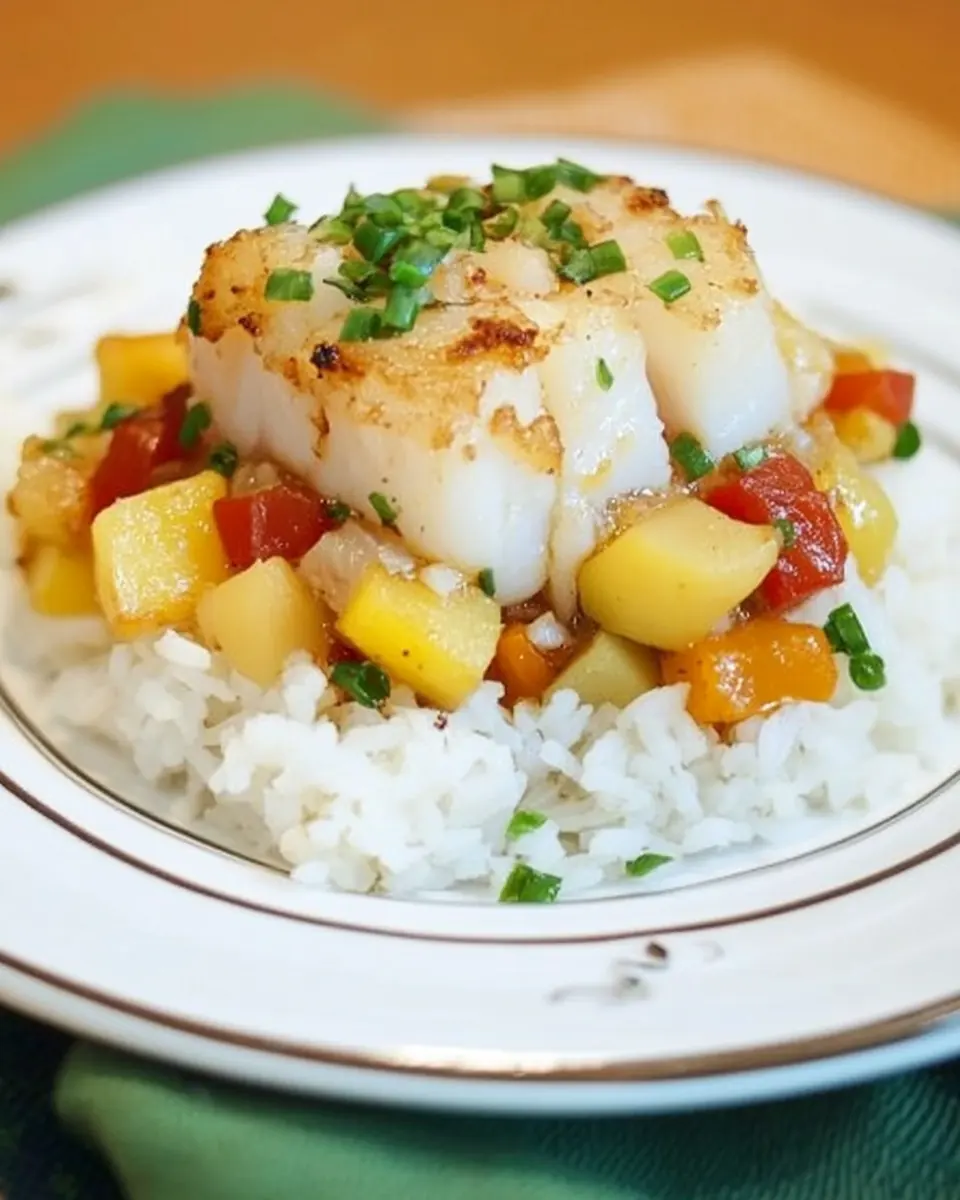
Salt Cod with Potatoes over Rice
Ingredients
Equipment
Method
- The night before, cover the bacalao with cool water and refrigerate.: The smell of the soaking water will be noticeably briny, a reminder that salt cod carries preserved ocean flavor. Soaking overnight leaches out excess salt and rehydrates the fish, which is essential for a balanced final taste. A common mistake is rushing this step, which leaves the dish overly salty; if you are short on time, change the water a few times to speed the desalting process. You should see the flesh relax and feel supple after soaking, not rigid.
- Drain the bacalao, rinse with fresh water. Cut into 1" pieces.: After draining, rinsing removes any grit and lingering salt on the surface. When you cut the salt cod into 1" pieces, the edges will reveal translucent layers that will become tender and opaque as they cook. The wet fish will feel slightly springy, and a ragged edge indicates it has rehydrated properly. Avoid cutting pieces that are too small, as they can disintegrate during simmering; pieces about 1" hold their shape and flake pleasantly when done.
- Heat a large saute pan over medium-high heat with the olive oil. When hot, add the potatoes and cook until lightly browned on all sides, about 2 minutes. Add in the bell pepper, onion, celery and garlic and saute for 3-4 minutes. Add in the tomatoes, tomato paste, water and stir. Bring to a simmer and add in the bacalao. Cover and simmer for 15 minutes or until the potatoes are cooked through. Stir in the parsley.: You will hear a lively sizzle when the olive oil is hot and the potatoes hit the pan, and small golden edges will appear as they brown. That initial sear builds a toasty flavor that lifts the stew. If the potatoes steam instead of browning, the pan is overcrowded or not hot enough, so give them space or raise the heat slightly. The surface should develop a light golden crust, not a deep burn.
- In the meantime, cook the rice according to package instructions. Serve the stew over rice.: The pan will soften into a gentle chorus of aromas as the onion becomes translucent and the garlic releases perfume. You want the vegetables softened and slightly glossy, not charred. Stir so nothing sticks, and listen for a muted sizzling rather than a harsh crackle which signals excessive heat. A common error is cooking garlic too long which makes it bitter, so add it after the firmer veggies have begun to soften to protect its sweet flavor.
- Add in the tomatoes tomato paste water and stir: When the tomatoes hit the hot pan they will loosen and start to break down, releasing bright acidity and color. Stirring in the tomato paste intensifies the umami and deepens the sauce. You will notice the mixture thicken slightly and emit a rich, savory aroma. If the sauce seems thin, let it reduce a bit to concentrate flavor, but avoid drying it out; maintain a gentle simmer for control.
- Bring to a simmer and add in the bacalao: The pan will go from active bubbling to a steadier, gentler simmer that will cook the salt cod evenly. Adding the fish at this stage ensures it finishes tender without overcooking. You should see the edges of the pieces turn opaque first, a cue that heat is working inward. A mistake to avoid is boiling vigorously which can make the fish tough and cause the potatoes to fall apart; maintain a soft simmer.
- Cover and simmer for 15 minutes or until the potatoes are cooked through: Under the lid, aromas will concentrate and the sauce will thicken slightly as starch from the potatoes loosens. A fork inserted into a piece of potato should meet little resistance, and the stew will look cohesive and slightly glossy. Be careful not to overcook, because you want the salt cod to remain flaky not dry. If the liquid evaporates too quickly, add a splash of water and continue to simmer gently.
- Stir in the parsley: Fresh chopped parsley adds an immediate burst of color and herbal lift that cuts through the savory richness. You will notice a bright scent when it hits the hot stew, and it will contribute small flecks of green in each spoonful. Add it at the end so it retains freshness; cooking it too long mutes its lively character. Taste and adjust if the dish still feels slightly salty from the salt cod .
- In the meantime cook the rice according to package instructions: While the stew simmers, prepare the rice so it is steaming hot and tender when you serve. The sound of a gentle simmer and the steam rising are good cues that the rice is done. Fluff with a fork to separate the grains, and avoid overcooking which makes it mushy and less able to hold the stew.
- Serve the stew over rice: When you ladle the hot stew over a bed of steaming rice , you will see the sauce soak into the grains and the plate come alive with color. The contrast between the soft rice and the saucy vegetables with flakes of salt cod is comforting and balanced. One common mistake is plating cold rice which cools the stew quickly; always serve immediately so each mouthful is warm and cohesive.
Notes
- Soaking matters: Always soak the salt cod at least overnight in cool water; change the water once or twice if it seems very salty. This reduces excess salt and restores a tender texture while removing surface grit.
- Cut for even cooking: Dice the potatoes into uniform 1/2" pieces so they cook evenly during the 15 minute simmer. Uneven sizes cause some pieces to overcook while others stay firm.
- Brown the potatoes first: Give the potatoes a little color in the pan before adding vegetables, this step adds caramelized flavor that deepens the overall stew.
- Mind the garlic timing: Add minced garlic after the firmer vegetables soften so it does not burn and turn bitter; it should be fragrant, not charred.
- Low and slow for the fish: Maintain a gentle simmer once the salt cod is in the pan to keep the fish flaky and tender. Vigorous boiling can toughen the flesh.
- Fresh parsley finish: Stir in the chopped parsley at the end for color and brightness, adding a fresh contrast to the savory stew.
- Serve right away: Plate the stew over steaming rice so the grains absorb the sauce and each bite stays warm and balanced.
- Adjust salt last: Taste only after the stew finishes, since residual salt from the salt cod can change during cooking; add more salt sparingly if needed.
- Leftovers improve: The flavors meld overnight, so refrigerate any leftovers and reheat gently; the dish often tastes better the next day.
- Rice texture: Cook the rice so it is tender but not mushy, fluffy grains make a better base for the stew and prevent a soggy result.