Cheese Fondue
Cheese Fondue is one of those recipes that turns an ordinary evening into a cozy, hands on celebration. I remember the first time I made Cheese Fondue at home, gathering friends around the table with steaming bread cubes and wide smiles, and the kitchen smelled like toasted crust and warm dairy. It felt less like cooking and more like hosting a ritual where everyone took turns and laughed over dripping cheese.
That night taught me how simple ingredients can create lasting memories, and why I keep this recipe in my regular rotation when the weather cools down. Making Cheese Fondue requires a bit of attention, but it rewards you with glossy, velvety cheese that stretches beautifully. I learned small tricks along the way that prevent the fondue from becoming grainy, and those little wins make the whole experience relaxed and joyful.
Over the years I have adapted the method to suit small get togethers and bigger parties, always cherishing the way people gather around a communal pot. Whether you are dipping crusty bread or crisp vegetables, Cheese Fondue invites slow conversation and lingering bites. The ritual of stirring, tasting, and adjusting is part of the charm, and once you get the feel of it, you will make it again and again.
Recipe Snapshot
20 mins
10 mins
10 mins
Medium
250 kcal
American
Gluten-Free, Keto
Appetizers
Skillet, Mixing bowls, Whisk, Fondue pot or small slow cooker
The Appeal of This Cheese Fondue
Melty, luxurious texture
I love how Cheese Fondue yields a silky, elastic sauce that clings to every cube and spear. The combination of shredded Gruyere cheese and shredded white cheddar cheese creates a balanced melt, both nutty and tangy, and the small addition of cornstarch helps keep the texture smooth rather than oily. When done right, the fondue has a sheen that signals perfect emulsion.
Simple pantry players
This dish shines because it uses a handful of accessible ingredients. The star cheeses and a little chicken broth and lemon juice come together quickly, so it is easy to pull off even on weeknights when you want something cozy without fuss. I appreciate recipes that respect time and flavor, and this one does both.
Communal, interactive dining
One of the biggest reasons I make Cheese Fondue is how it brings people together. It is not just food, it is an activity. Passing the pot and sharing dippers makes dinner feel like an event, and I have found guests open up and relax faster when there is a shared bowl to pause around.
Flexible and forgiving
The recipe tolerates small tweaks, like adding herbs or switching bread for vegetables. I find that small adjustments in heat and stirring technique are all it takes to rescue the fondue if it threatens to separate. That flexibility makes it a reliable choice when you want something special but not stressful.
Perfect for cool seasons
This is my go to when the air gets crisp. The warm, savory fondue creates immediate comfort and pairs beautifully with seasonal gatherings. For chilly evenings, nothing beats warming both bodies and moods with a bubbling pot of cheese.
Ingredients for Cheese Fondue
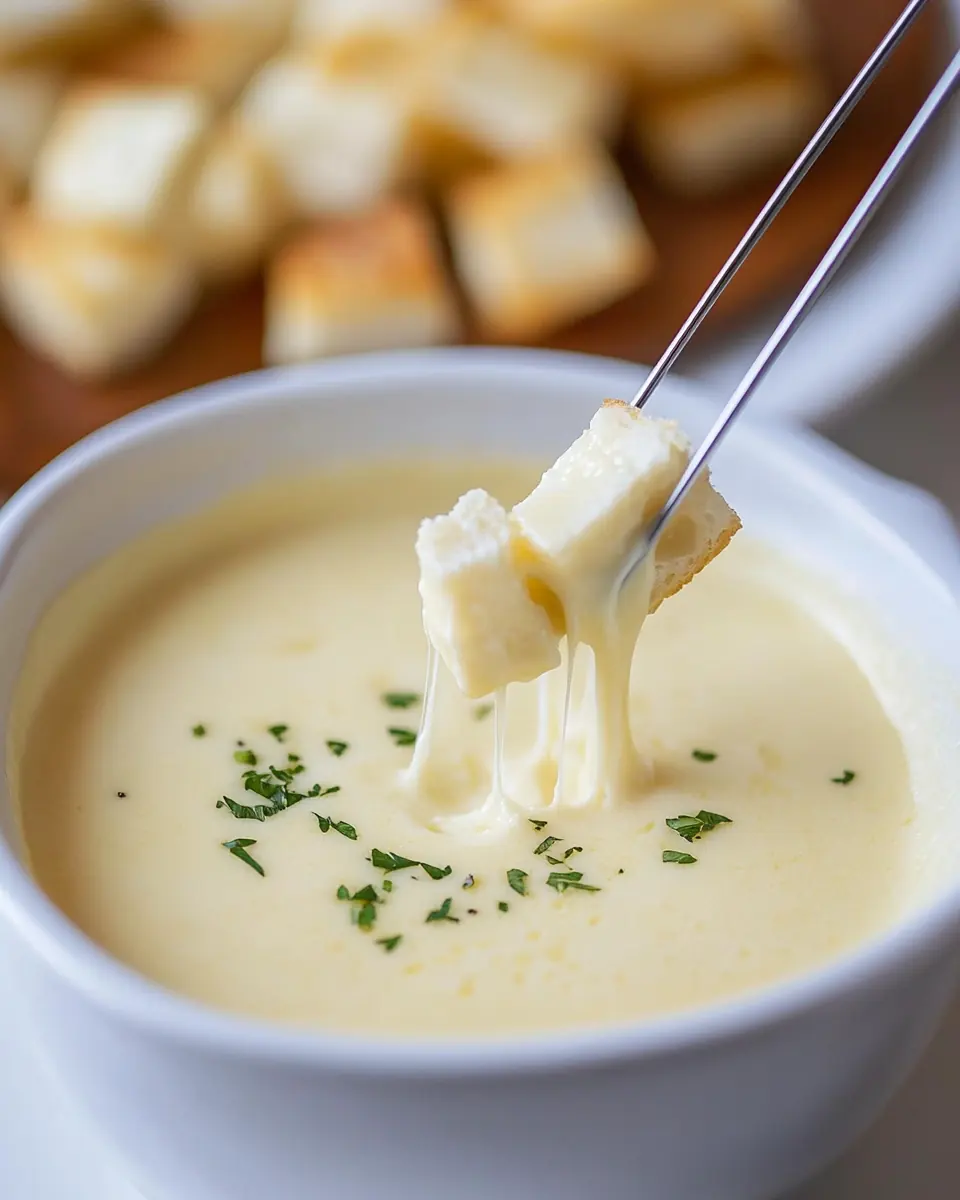
These ingredients are intentionally focused and work together to create a smooth, flavorful fondue. The cheeses provide the body and flavor, the chicken broth and lemon juice thin and brighten the mixture, and the small amounts of seasoning round everything out. The cornstarch plays a key technical role, stabilizing the emulsion so the fondue stays glossy while you dip.
- 4 teaspoons cornstarch, divided: Thickening the fondue by dissolving in a small amount of liquid first, cornstarch helps stabilize and prevent cheese from becoming grainy during heating. Use half of the divided portion to create a slurry and reserve the rest to adjust consistency if needed. Properly incorporated cornstarch yields a glossy, smooth texture and improves melt cohesion.
- 1 tablespoon milk: Adding a little milk brings creaminess and helps the starch and cheese combine smoothly without clumping. Use it to make the cornstarch slurry or to loosen the mixture if the fondue thickens too much. Its mild dairy flavor also rounds out the sharpness of the cheeses.
- 2/3 cup chicken broth: Providing a savory liquid base, chicken broth infuses the fondue with subtle umami and reduces the amount of added water needed. Warm the broth before adding cheese to help achieve an even melt and prevent shocking the cheese. Broth choice affects overall seasoning, so use a low-sodium option if you want more control over saltiness.
- 1 1/2 cup Gruyere cheese, shredded: Contributing a nutty, complex flavor and excellent melting qualities, shredded Gruyere forms a primary component of the cheese base. Gradually add and stir it into the warm liquid to ensure a smooth, elastic texture without separation. Balancing Gruyere with cheddar yields depth and a classic fondue profile.
- 1 1/2 cup white cheddar cheese, shredded: Providing sharpness and creamy melting properties, shredded white cheddar adds tang and body to the fondue blend. Incorporate it slowly over gentle heat to avoid graininess and to meld flavors with the Gruyere. Its pronounced flavor helps counterbalance the mild broth and other seasonings.
- 1 1/2 teaspoons lemon juice, freshly squeezed: Brightening the fondue with acidity, freshly squeezed lemon juice helps prevent cheese from becoming stringy by lowering the pH slightly. Add it sparingly to maintain balance and promote a smooth, cohesive emulsion. Fresh lemon flavor also lifts the richness of the cheeses.
- 1/8 teaspoon garlic powder: Imparting a subtle savory aroma without overpowering the cheese, garlic powder adds a background layer of flavor. Sprinkle in small amounts and taste as you go, since powdered garlic is more concentrated than fresh. It complements the umami from the broth and Worcestershire sauce.
- 1/8 teaspoon dried oregano: Lending an herbal, slightly peppery note, dried oregano contributes a faint Mediterranean warmth to the fondue. Use it sparingly to avoid masking the cheeses’ character, allowing it to add depth and complexity to the overall flavor. Rehydrating briefly in the warm liquid will help release its oils.
- 1/8 teaspoon Worcestershire Sauce: Deepening the savory profile with tangy, umami-rich complexity, Worcestershire sauce enhances overall seasoning and mouthfeel. Add a few drops to taste, as its concentrated flavor can quickly dominate; it pairs especially well with the broth and cheeses. It helps round out saltiness and brings subtle depth.
Instructions for Cheese Fondue
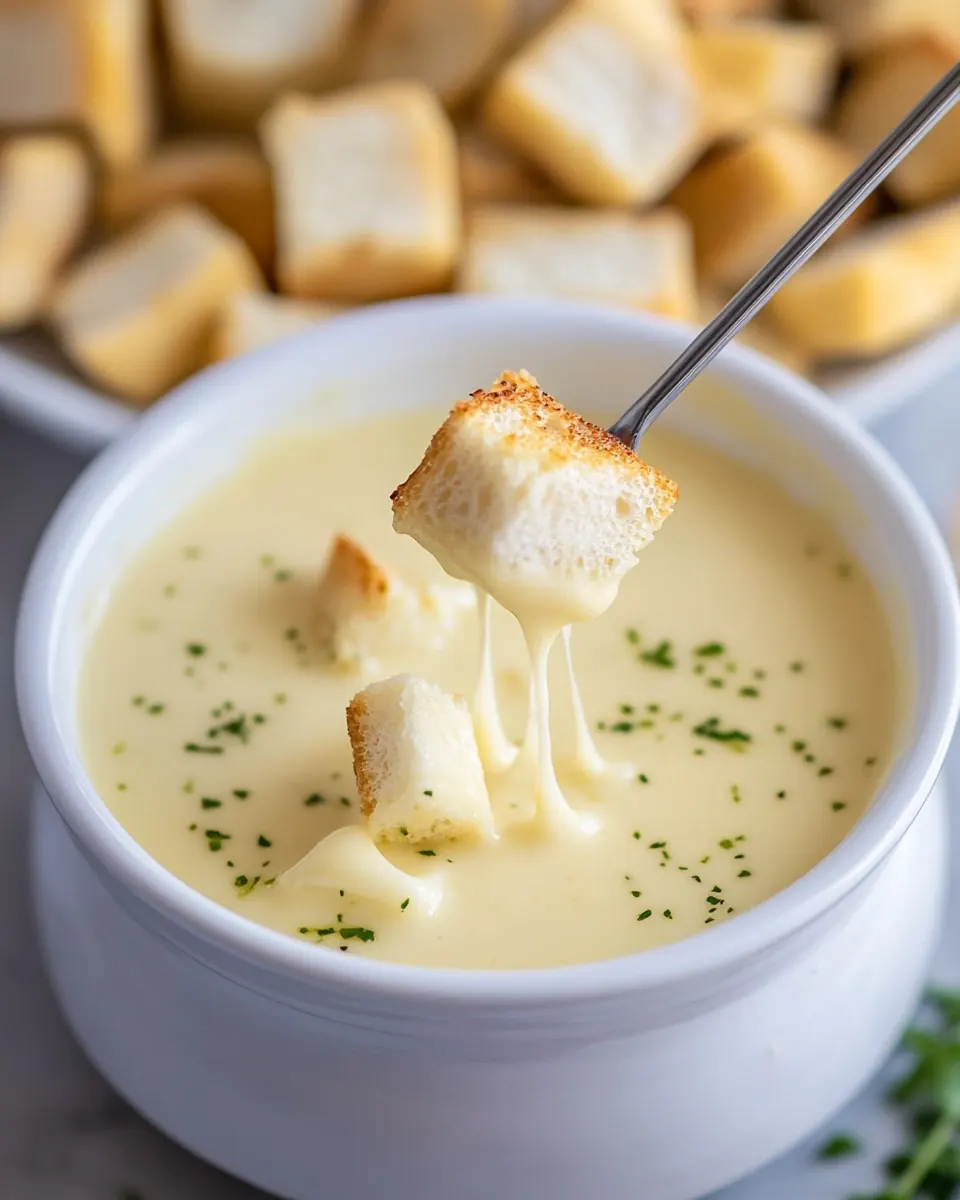
These directions are conversational and meant to guide you through controlling heat and texture so your fondue turns out glossy and stable. Take your time with each step, taste as you go, and keep your stirring steady. With some attention you will end up with a memorable, shareable pot.
- In a small bowl, combine 2 teaspoons cornstarch with 1 tablespoon milk and set aside.: The moment you whisk the cornstarch into the milk , notice how it transforms from gritty to a smooth slurry, which is crucial because any stale lumps would show up once introduced to heat. As you mix, you should see a glossy, homogenous liquid with no visible granules; that visual cue tells you it is ready. This slurry will thicken gently when it hits the warm broth, so making it perfectly smooth avoids clumps in the final fondue. One common error here is adding the starch directly to hot liquid, which causes instant gelatinous chunks, so always dissolve first in cold liquid. If lumps appear later, push the mixture through a fine mesh sieve and rewarm slowly while whisking.
- In a medium bowl add the cheeses and remaining cornstarch, toss and set aside.: Tossing the shredded Gruyere cheese and shredded white cheddar cheese with the remaining cornstarch creates a thin protective coating that keeps the shreds separate and helps them melt evenly, which you can see as a dusting that prevents clumps. When you stir these cheeses into the warm liquid they should slip apart rather than clump together, producing an even melt. The cornstarch absorbs small amounts of moisture and reduces the risk of oiling out as the cheese heats. A frequent mistake is skipping this toss, which often leads to a grainy texture, so be patient while coating each shred. If the cheese feels too cold and clumpy, let it sit at room temperature briefly to take the chill off before adding.
- Add the 2/3 cup chicken broth to a skillet. Over medium heat, cook until bubbles form around the sides of pan. Stir in the lemon juice.: When the chicken broth warms you will notice gentle teardrop bubbles forming at the edge, and that is your cue to add the lemon juice so it emulsifies into the liquid rather than evaporating under high heat. The scent will brighten immediately, cutting through the savory broth and preparing the base to receive the cheese. Keeping the heat at medium prevents a vigorous boil that could shock the cheese and cause separation later. A common misstep is overheating so the broth is rolling, which creates steam and evaporates too much liquid, making it harder to achieve the desired texture; reduce the heat if bubbles become aggressive.
- Reduce heat to medium-low. Add only a handful of cheese mixture and stir in a figure-eight pattern until the cheese has melted. Add another handful of cheese and stir in the same manner. Repeat until all of the cheese has been added.: As you add that first handful of cheese the pan should show a gentle thickening and glossy sheen within seconds, and the figure eight stirring pattern encourages even melting and helps stretch the proteins, creating that pleasing viscosity. Work slowly, letting each addition fully integrate, and you will see the mixture go from thin and milky to viscous and ropey. This staged addition prevents the temperature from dropping too fast or spiking, both of which can break the emulsion. A typical blunder is dumping all the cheese at once, which overwhelms the liquid and yields clumps and oil separation; if separation starts, lower the heat and whisk vigorously while adding a splash of broth.
- Stir in the garlic powder, oregano, and Worcestershire sauce. Gradually stir in the cornstarch mixture.: Adding the seasonings now lets their aromas bloom into the hot cheese without becoming raw or assertive. When you fold in the slurry of cornstarch and milk , do it slowly and watch the fondue thicken; the sound will shift from gentle simmering to a soft, sustained bubble and the texture will become noticeably smoother and more cohesive. That little pop of umami from the Worcestershire Sauce often arrives as a rounded background note rather than a forward flavor. One thing to watch is over thickening, which can happen if you add the slurry too fast or keep the heat too high; pull the pan off the heat and stir in a tablespoon of warm broth if it gets too dense.
- Continue cooking and stirring until the mixture has thickened and is smooth. Keep warm.: As you stir, the fondue should develop a uniform gloss and a weighty ribbon when the spatula is lifted; you want it thick enough to coat dippers without being gluey. The smell will be richer, with toasted cheese aromas and the herbal notes mellowing into the background. Maintain a gentle warmth rather than a simmer, because residual heat will keep it fluid for dipping without risking curdling. A common error is overheating while trying to keep it hot; use a low flame or an electric fondue pot to maintain a steady temperature and stir occasionally to preserve texture.
- Serve with cubed french bread. Miniature smoked sausages, dill pickles, and pretzels all taste great as well.: When you present the pot, the fondue should be glossy and inviting, and the warm aroma will encourage immediate dipping. French bread cubes soak up the cheese beautifully while retaining a slight crust contrast, and the listed accompaniments give texture and flavor variety that keeps every bite interesting. Arrange the dippers so guests can alternate between soft and crunchy bites, which enhances the communal experience. Avoid leaving dipped pieces in the pot too long, because they can become soggy and drag cooled cheese into the mixture, chilling it prematurely; encourage guests to transfer to individual plates between dips.
Making Adjustments
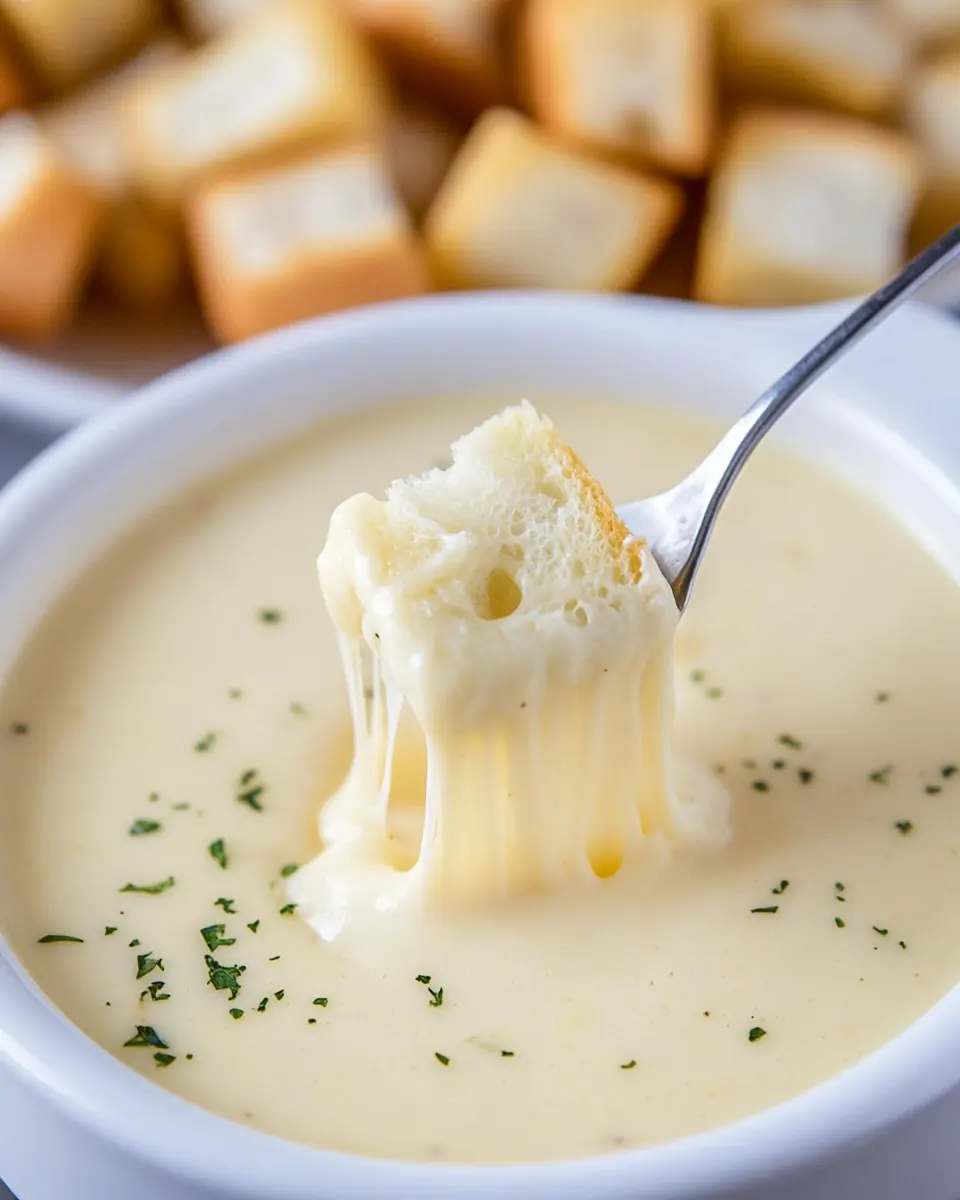
This section helps you adapt the recipe for different situations and storage needs. Whether you want to prepare ahead, keep the fondue warm for guests, or reheat leftovers, the following tips expand on the notes and practicalities to make your experience effortless and reliable.
- Keep warm technique Use a fondue pot, electric or ceramic, to maintain a steady low heat. An open flame ceramic pot is traditional, while an electric pot offers controlled temperature. If you do not have either, transfer the fondue to a small slow cooker set on low to prevent cooling and reduce the risk of overheating. Stir occasionally to keep the surface glossy.
- Make ahead storage You can prepare the fondue base a day in advance and keep it covered in the refrigerator. When chilled, it firms up, so gently reheat using a double boiler or low heat while whisking and add a splash of milk or chicken broth to return it to a dippable consistency.
- Reheating method For leftovers, a double boiler is safest because it provides gentle, even heat that prevents burning or separating. If using the microwave, reheat in short bursts and stir between intervals, adding a small splash of milk to restore creaminess.
- Adjusting thickness If the fondue is too thick, whisk in warm chicken broth one tablespoon at a time until it loosens. If it is too thin, make a slurry of cornstarch and milk and whisk in gradually off heat to avoid lumps.
- Flavor boosting Small additions like extra lemon juice or a touch more Worcestershire Sauce can brighten and deepen the profile without overpowering the cheeses. Add conservatively and taste as you go to keep balance.
- Keeping dippers crisp Serve crunchy items like pretzels and toasted bread separately and encourage guests to alternate dippers so nothing becomes soggy. Replace softened bread with fresh pieces during long gatherings.
Pairing Suggestions for Cheese Fondue
These serving ideas help you plan occasions and accompaniments around the fondue. Cheese fondue suits intimate dinners and casual gatherings alike, and thoughtful pairings enhance the overall experience by introducing texture and contrast.
- Classic dippers Cubed French bread is the cornerstone. Its crusty exterior and tender crumb create the ideal surface for holding cheese without falling apart, and it pairs beautifully with the rich, nutty flavors of the fondue.
- Salty crunch Pretzels provide a contrasting texture and saltiness that cuts through the richness, giving each bite more complexity and snap. Offer mini pretzels or pretzel sticks for easy skewering.
- Savory bites Miniature smoked sausages make for hearty, meaty bites that hold up well when dipped. Their smoky profile balances the creamy fondue and makes the meal feel more substantial for dinner gatherings.
- Briny contrast Dill pickles are a surprising but welcome pairing, offering acidity and crunch that refresh the palate between rich, cheesy bites. Arrange them on the side to allow guests to customize their combinations.
- Occasions Serve Cheese Fondue for cozy winter dinners, casual New Year gatherings, or small house parties where communal dining is the focus. It works well for slow evenings when conversation and grazing are the main goals.
- Storage tips Refrigerate leftovers in an airtight container for one to two days. Reheat gently using a double boiler or low heat while stirring, and add a splash of milk or chicken broth to restore creaminess.
- Seasonal notes This fondue is particularly comforting in the winter months when warm, shared dishes feel most appropriate. Serve near a fireplace or in a warmly lit dining room to amplify the cozy atmosphere.
FAQ
Conclusion
Cheese Fondue stands out because it transforms simple cheeses into a communal, comforting experience that invites slow conversation and shared enjoyment. Give it a try the next time you want a warm, interactive meal that is both impressive and easy to prepare. Gather a few favorite dippers, tend the pot with a little patience, and enjoy a night of dipping and laughter with friends and family.
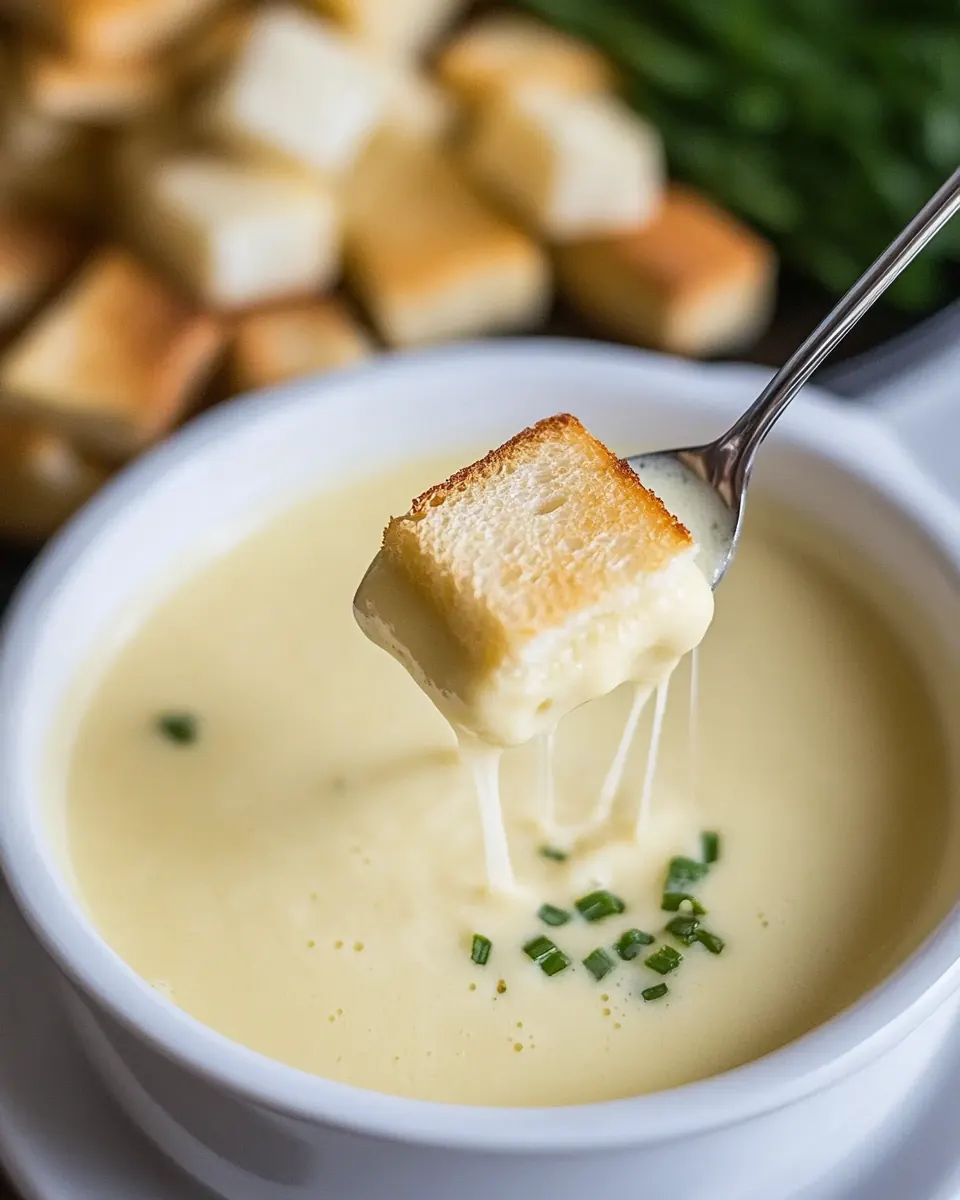
Cheese Fondue
Ingredients
Equipment
Method
- In a small bowl, combine 2 teaspoons cornstarch with 1 tablespoon milk and set aside.: The moment you whisk the cornstarch into the milk , notice how it transforms from gritty to a smooth slurry, which is crucial because any stale lumps would show up once introduced to heat. As you mix, you should see a glossy, homogenous liquid with no visible granules; that visual cue tells you it is ready. This slurry will thicken gently when it hits the warm broth, so making it perfectly smooth avoids clumps in the final fondue. One common error here is adding the starch directly to hot liquid, which causes instant gelatinous chunks, so always dissolve first in cold liquid. If lumps appear later, push the mixture through a fine mesh sieve and rewarm slowly while whisking.
- In a medium bowl add the cheeses and remaining cornstarch, toss and set aside.: Tossing the shredded Gruyere cheese and shredded white cheddar cheese with the remaining cornstarch creates a thin protective coating that keeps the shreds separate and helps them melt evenly, which you can see as a dusting that prevents clumps. When you stir these cheeses into the warm liquid they should slip apart rather than clump together, producing an even melt. The cornstarch absorbs small amounts of moisture and reduces the risk of oiling out as the cheese heats. A frequent mistake is skipping this toss, which often leads to a grainy texture, so be patient while coating each shred. If the cheese feels too cold and clumpy, let it sit at room temperature briefly to take the chill off before adding.
- Add the 2/3 cup chicken broth to a skillet. Over medium heat, cook until bubbles form around the sides of pan. Stir in the lemon juice.: When the chicken broth warms you will notice gentle teardrop bubbles forming at the edge, and that is your cue to add the lemon juice so it emulsifies into the liquid rather than evaporating under high heat. The scent will brighten immediately, cutting through the savory broth and preparing the base to receive the cheese. Keeping the heat at medium prevents a vigorous boil that could shock the cheese and cause separation later. A common misstep is overheating so the broth is rolling, which creates steam and evaporates too much liquid, making it harder to achieve the desired texture; reduce the heat if bubbles become aggressive.
- Reduce heat to medium-low. Add only a handful of cheese mixture and stir in a figure-eight pattern until the cheese has melted. Add another handful of cheese and stir in the same manner. Repeat until all of the cheese has been added.: As you add that first handful of cheese the pan should show a gentle thickening and glossy sheen within seconds, and the figure eight stirring pattern encourages even melting and helps stretch the proteins, creating that pleasing viscosity. Work slowly, letting each addition fully integrate, and you will see the mixture go from thin and milky to viscous and ropey. This staged addition prevents the temperature from dropping too fast or spiking, both of which can break the emulsion. A typical blunder is dumping all the cheese at once, which overwhelms the liquid and yields clumps and oil separation; if separation starts, lower the heat and whisk vigorously while adding a splash of broth.
- Stir in the garlic powder, oregano, and Worcestershire sauce. Gradually stir in the cornstarch mixture.: Adding the seasonings now lets their aromas bloom into the hot cheese without becoming raw or assertive. When you fold in the slurry of cornstarch and milk , do it slowly and watch the fondue thicken; the sound will shift from gentle simmering to a soft, sustained bubble and the texture will become noticeably smoother and more cohesive. That little pop of umami from the Worcestershire Sauce often arrives as a rounded background note rather than a forward flavor. One thing to watch is over thickening, which can happen if you add the slurry too fast or keep the heat too high; pull the pan off the heat and stir in a tablespoon of warm broth if it gets too dense.
- Continue cooking and stirring until the mixture has thickened and is smooth. Keep warm.: As you stir, the fondue should develop a uniform gloss and a weighty ribbon when the spatula is lifted; you want it thick enough to coat dippers without being gluey. The smell will be richer, with toasted cheese aromas and the herbal notes mellowing into the background. Maintain a gentle warmth rather than a simmer, because residual heat will keep it fluid for dipping without risking curdling. A common error is overheating while trying to keep it hot; use a low flame or an electric fondue pot to maintain a steady temperature and stir occasionally to preserve texture.
- Serve with cubed french bread. Miniature smoked sausages, dill pickles, and pretzels all taste great as well.: When you present the pot, the fondue should be glossy and inviting, and the warm aroma will encourage immediate dipping. French bread cubes soak up the cheese beautifully while retaining a slight crust contrast, and the listed accompaniments give texture and flavor variety that keeps every bite interesting. Arrange the dippers so guests can alternate between soft and crunchy bites, which enhances the communal experience. Avoid leaving dipped pieces in the pot too long, because they can become soggy and drag cooled cheese into the mixture, chilling it prematurely; encourage guests to transfer to individual plates between dips.
Notes
- Keep warm technique Use a fondue pot, electric or ceramic, to maintain a steady low heat. An open flame ceramic pot is traditional, while an electric pot offers controlled temperature. If you do not have either, transfer the fondue to a small slow cooker set on low to prevent cooling and reduce the risk of overheating. Stir occasionally to keep the surface glossy.
- Make ahead storage You can prepare the fondue base a day in advance and keep it covered in the refrigerator. When chilled, it firms up, so gently reheat using a double boiler or low heat while whisking and add a splash of milk or chicken broth to return it to a dippable consistency.
- Reheating method For leftovers, a double boiler is safest because it provides gentle, even heat that prevents burning or separating. If using the microwave, reheat in short bursts and stir between intervals, adding a small splash of milk to restore creaminess.
- Adjusting thickness If the fondue is too thick, whisk in warm chicken broth one tablespoon at a time until it loosens. If it is too thin, make a slurry of cornstarch and milk and whisk in gradually off heat to avoid lumps.
- Flavor boosting Small additions like extra lemon juice or a touch more Worcestershire Sauce can brighten and deepen the profile without overpowering the cheeses. Add conservatively and taste as you go to keep balance.
- Keeping dippers crisp Serve crunchy items like pretzels and toasted bread separately and encourage guests to alternate dippers so nothing becomes soggy. Replace softened bread with fresh pieces during long gatherings.