Baked Garlic Herb Chicken with Scalloped Sweet Potatoes
Baked Garlic Herb Chicken with Scalloped Sweet Potatoes arrived on my table the first time when a chilly weeknight made me crave comfort food that felt both cozy and a little indulgent.
That evening I had a bag of sweet potatoes and a pack of chicken thighs in the fridge, and I wanted something that would feed everyone without demanding constant babysitting. I layered thin slices of sweet potatoes into a creamy herbed sauce and nestled browned chicken on top, then slid the dish into the oven. The house filled with warmed garlic and herb aromas, and when I pulled the pan out the melted cheeses had turned golden and the top sizzled softly as I lifted the foil.
I remember the first bite, the contrast between the tender, almost custardy sweet potatoes and the juicy, well seasoned chicken. It felt like an elegant casserole, but without fuss. Over the years I have tweaked the rub and the herb sauce so the dish stays reliably comforting and never bland.
When I serve this on a hurried weeknight or at a lazy Sunday dinner, it always brings that warm, homey reaction I love. The flavors are familiar yet layered, and the leftovers reheat beautifully, making it an easy candidate for a make ahead meal. I still use that same skillet to coax extra flavor from the browned bits into the sauce, it’s a small trick that pays off every time.
Recipe Snapshot
1 hr 20 mins
30 mins
50 mins
Medium
450 kcal
American
Gluten-Free, Keto
Dinner
Large skillet, 9×13 casserole dish, Whisk, Oven
What You’ll Enjoy About This Baked Garlic Herb Chicken with Scalloped Sweet Potatoes
Layered comfort that satisfies
I love how Baked Garlic Herb Chicken with Scalloped Sweet Potatoes combines two cozy elements, the creamy baked tuber and the savory roasted chicken, into one pan meal. The textures play so well together, and the end result is an easy weeknight dinner that feels special without being fussy.
Big flavor from simple seasoning
We use a straightforward wet rub and a warm herb sauce to build taste, so you get depth without a long ingredient list. The garlic and herb notes come through in every bite, and the browned bits from searing the chicken add a caramelized savor that lifts the whole dish.
Hands off once it’s in the oven
One of the reasons I keep returning to this recipe is the low hands on time after assembly. You spend a little time prepping slices and layering, then the oven does the heavy lifting while you tidy up, set the table, or relax with family.
Great for feeding a crowd, yet family friendly
This dish scales well. I’ve served it for everything from casual dinners to holiday gatherings because it looks impressive when it comes out bubbling and golden. It’s approachable for picky eaters too, since the creamy sweet potatoes feel familiar and the chicken stays juicy and comforting.
Leftovers that shine
I often make this with the intention of enjoying leftovers. The flavors meld overnight and reheating is forgiving, which is why I consider it a solid make ahead option. It stays moist and the texture of the potatoes is still pleasantly tender after a quick reheat.
Baked Garlic Herb Chicken with Scalloped Sweet Potatoes Shopping List
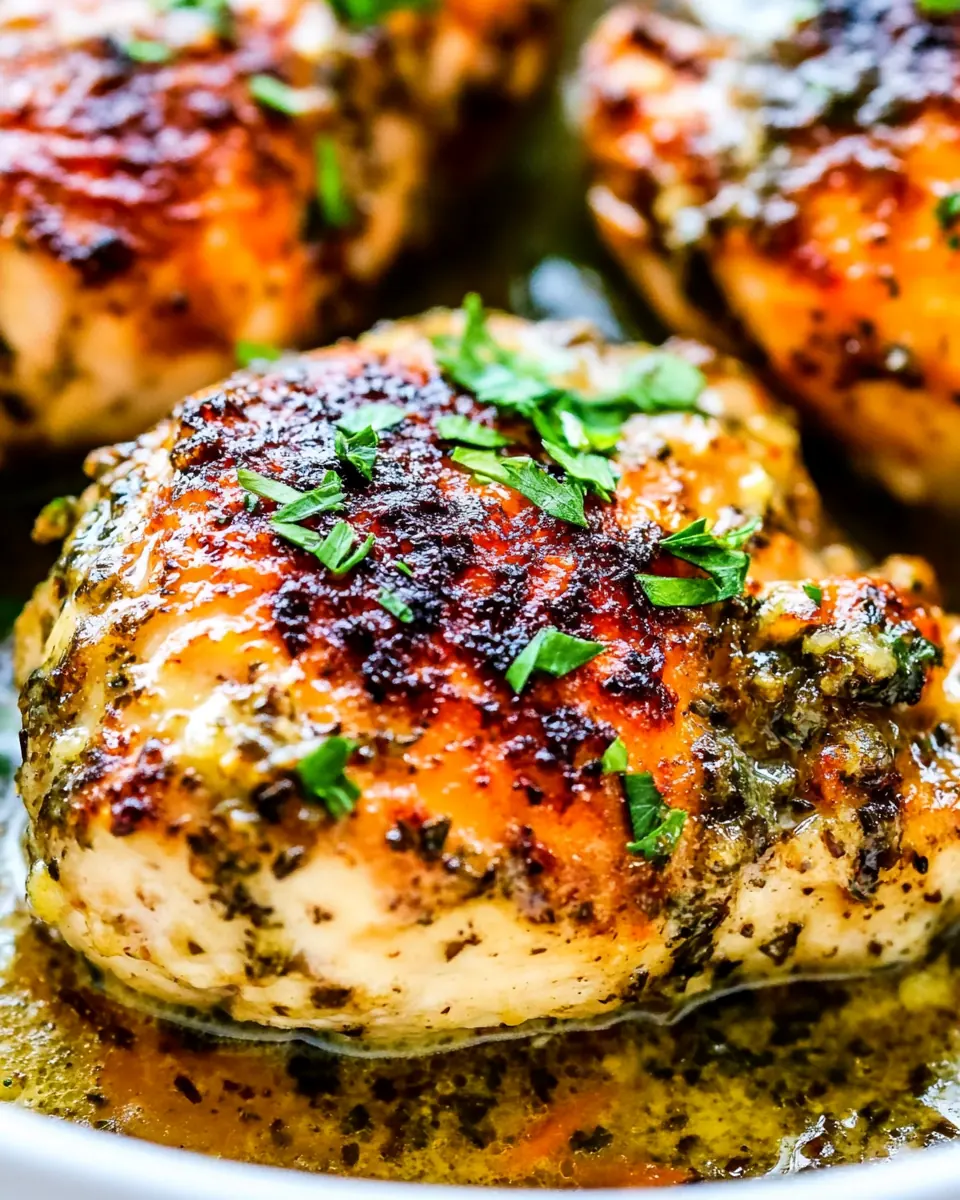
These ingredients are chosen to create harmony between creamy, savory, and slightly sweet elements. The key players are the sweet potatoes for texture and natural sweetness, the seasoned chicken for savory depth, and the cheeses with the milk and flour which build a rich, silky sauce. Each item has a role, from layering flavor to creating the creamy base that holds everything together.
- 6 bone-in chicken thighs, skin removed (approx. 2 1/2 lbs): Provide meaty, bone-in chicken thigh pieces that deliver rich flavor and moist texture when baked; remove skin to reduce fat while retaining succulence and depth in the dish.
- 1 tablespoon olive oil: Coat and sear chicken pieces or lightly drizzle over vegetables to promote browning and carry herbs and spices into the protein during cooking.
- 2 pounds sweet potatoes, peeled: Offer sweet, earthy flavor and creamy texture when thinly sliced for scalloped layers; peeling ensures a smooth, tender bite and even cooking.
- 1/2 cup shredded mozzarella cheese or more to taste: Melt into a gooey, mild topping that adds creamy texture and stretch to gratin layers; sprinkle to finish and adjust amount to personal taste preferences.
- 1/2 cup freshly grated Parmesan cheese or more to taste: Add a salty, umami-rich finishing note with a granular texture that browns nicely; grate freshly for optimal melting and savory complexity.
- 2 tablespoons olive oil: Emulsify with seasonings and create a flavorful marinade or sauce base for both chicken and potatoes; use to bind spices and promote even coating.
- 1 1/2 teaspoons low sodium soy sauce: Contribute savory, slightly salty umami complexity to the marinade or sauce; balances sweetness of potatoes and deepens overall flavor profile.
- 1 1/2 teaspoons Dijon mustard: Provide a bright, tangy punch to the marinade that helps balance richness and aids in emulsifying oil-based mixtures for even distribution.
- 2 teaspoons McCormick® garlic powder: Impart concentrated garlic flavor in a dry form that seasons the chicken and potato layers evenly; works well in rubs and marinades for consistent aroma.
- 1 1/2 tsp EACH McCormick® paprika, salt: Deliver warm, smoky color and flavor while seasoning throughout; salt enhances overall taste and helps proteins and potatoes absorb seasonings.
- 1 tsp EACH McCormick® onion powder, dried parsley, dried oregano, dried thyme leaves: Bring sweet, aromatic onion flavor and herbaceous notes from parsley, oregano, and thyme to enrich both the chicken rub and potato gratin.
- 1/2 tsp EACH McCormick® black pepper, ground cumin: Add background heat and earthy warmth from black pepper and cumin to round out the seasoning mix and complement the sweet potatoes.
- 1 1/2 cups milk: Provide creaminess and subtle dairy sweetness to the sauce that binds scalloped potatoes; milk also helps create a tender, custardy texture when baked.
- 2 1/2 tablespoons flour: Thicken milk into a smooth, cohesive sauce for the scalloped layers by creating a roux; flour helps achieve a velvety consistency that clings to potatoes.
- 1 medium onion, thinly sliced, then quartered: Contribute caramelized sweetness and savory structure when sliced and layered; onion offers aromatic depth and texture contrast in the gratin.
- 4 6 garlic cloves, minced: Deliver fresh pungent garlic flavor that brightens marinades and the potato sauce; minced cloves release oils that infuse the entire dish.
- 1 teaspoon McCormick® Dried Chives: Add mild onion-like flavor and a delicate herbal finish when sprinkled on top; dried chives provide visual contrast and subtle savory notes.
- 1/2 teaspoon McCormick® salt: Enhance overall seasoning with precise salinity to boost all flavors; use measured amounts to avoid oversalting delicate milk-based sauce.
- 1/4 teaspoon McCormick® Black Pepper: Round out the seasoning with a final touch of warm peppery heat; use sparingly to maintain balance between herbs, cheese, and sweet potato sweetness.
Directions for Baked Garlic Herb Chicken with Scalloped Sweet Potatoes
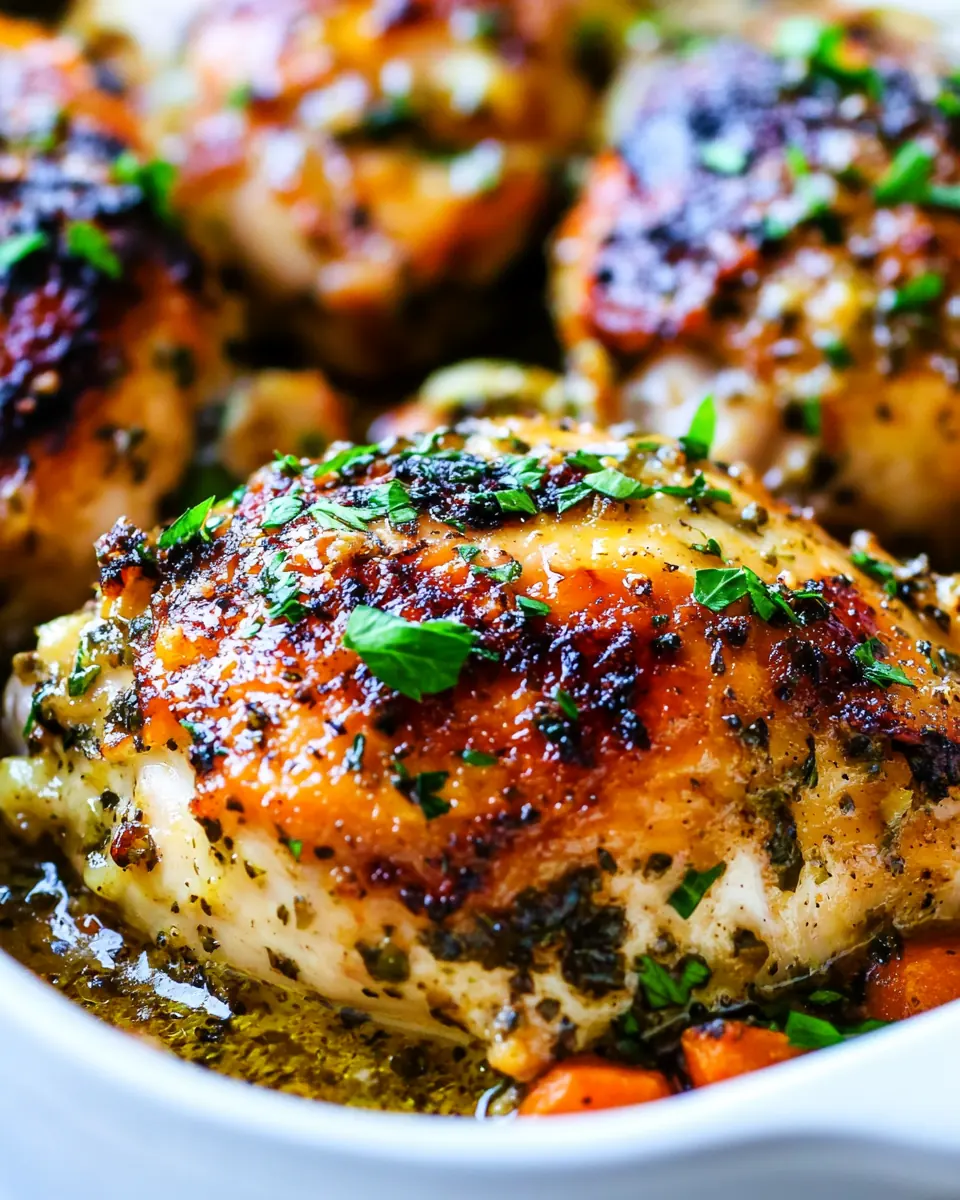
I like to treat the assembly as a ritual more than a chore, taking time to brown the chicken and coax flavor from the skillet, then layer the slices so each forkful gets a mix of sauce, cheese, and potato. Below I expand each original direction into deeper steps so you can feel confident about sensory cues and common pitfalls.
- Preheat oven to 400 degrees F.: The dry heat of the oven at 400 degrees F creates a reliable environment for the top to brown and the potatoes to become tender within the recipe's timing. You should feel the room warm slightly when the oven is ready, and the preheated pan will help start the casserole cooking evenly. A common mistake is sliding the dish into an oven that is not fully preheated, which can extend cooking time and leave potatoes underdone. If your oven runs hot or cool, use an oven thermometer for accuracy.
- Combine all of the Wet Rub ingredients together in a small bowl. Remove 1 tablespoon and rub this tablespoon all over the chicken.: When you mix the wet rub, you will notice the aromas of garlic powder, paprika, and mustard coming together in a concentrated paste, which helps the seasoning cling to the chicken . Rubbing that reserved tablespoon all over the pieces allows the spices to begin flavoring the surface immediately, aiding browning and creating a seasoned crust. A trap to avoid is over salting at this stage; measure precisely so the final dish is balanced.
- Heat 1 tablespoon olive oil over medium high heat in a large skillet. Once very hot, add chicken and brown 2-3 minutes per side. Remove chicken to a plate. (Don’t clean skillet) Once cool enough to handle (you can wait until you’ve sliced your potatoes), smother the chicken with the remaining Wet Rub.: The skillet should be shimmering and almost smoking lightly when the olive oil is hot, which guarantees a fast sear that seals juices. Listen for a pronounced sizzle as the chicken hits the pan, and watch for a golden brown crust to form; that fond is full of flavor for the sauce. Let the chicken rest briefly so the rub adheres and so you can handle the pieces without burning yourself. A common error is overcrowding the pan, which steams rather than sears, so brown in batches if needed.
- Drain all but approximately 1 tablespoon grease/juices from skillet. Whisk in flour and turn heat to low. Slowly whisk in milk. Add all remaining “Herb Sauce” ingredients to now empty skillet. Bring to a boil then reduce to a simmer until thickened (approximately 3-5 minutes, it should be quite thick), stirring occasionally. Meanwhile, grease a 9×13 casserole dish and slice potatoes into 1/8” slices.: You'll use the reserved flavorful juices in the skillet to start the sauce, and the aroma will become richer as you whisk in the flour . When adding milk , incorporate it gradually to avoid lumps, and whisk until the mixture becomes smooth and begins to thicken; it should coat the back of a spoon. The first small boil will concentrate flavors and help the herbs release their oils into the sauce. While the sauce cooks, thinly slicing the potatoes to about an eighth inch ensures even, tender baking. A typical pitfall is adding cold milk all at once which can make the sauce grainy; temper it slowly.
- Add potatoes to Herb Sauce and remove from heat. Toss to coat. (It might seem like there isn’t enough, but just keep stirring.): When you fold the hot potatoes into the sauce, the slices will glisten and become evenly coated, soaking up some of the seasoned liquid. This helps each layer bake into a cohesive, creamy texture. If the sauce seems thin at this point, know that the potatoes will continue to release moisture and the flour will finish setting during the oven time; resist adding extra thickener unless the sauce is watery. Avoid letting the potatoes sit too long in the hot sauce uncovered, as they can over soften and become mushy before baking.
- Layer half of the potatoes/onions/sauce mixture evenly into your greased 9×13 pan. Top with half of the Parmesan and mozzarella. Repeat layers.: As you build layers, press the slices gently so they nestle and create even contact with the sauce, which ensures uniform doneness. When sprinkling the Parmesan and mozzarella , distribute them so no single area becomes excessively cheesy, and repeat for a balanced finish. The visual cue you want is an even, glossy bed of potatoes capped with a thin veil of cheese. A mistake to watch for is piling slices unevenly, which can leave thicker areas undercooked.
- Add chicken on top of potatoes and cover with foil. Bake for 40 minutes, remove foil and bake an additional 10-15 minutes or until chicken is cooked through and potatoes are fork tender. Broil for a few minutes to toast cheese if desired. Remove and let rest for 5 minutes before serving.: Placing the seasoned, seared chicken atop the potato layers lets the meat cook through while its juices baste the casserole below. Covering with foil traps steam and helps the potatoes reach tenderness without drying the chicken . Make sure the foil is tented slightly so it does not press cheese into the meat. Avoid removing the foil too early, which could lead to undercooked potatoes or dry chicken .
- Bake for 40 minutes, remove foil and bake an additional 10 to 15 minutes or until chicken is cooked through and potatoes are fork tender. Broil for a few minutes to toast cheese if desired. Remove and let rest for 5 minutes before serving.: During the initial covered bake you will hear a gentle bubbling and sense the kitchen steam; that means the potatoes are softening and the sauce is reducing. After removing the foil, the surface will begin to brown and the cheeses will melt into golden pockets. Use a fork to check that the potatoes are tender and an instant read thermometer to ensure the chicken reaches a safe internal temperature. Broiling briefly will crisp the top, but watch closely because cheese can go from golden to burnt quickly. Resting for five minutes lets juices settle so slices hold together when served.
Change It Up
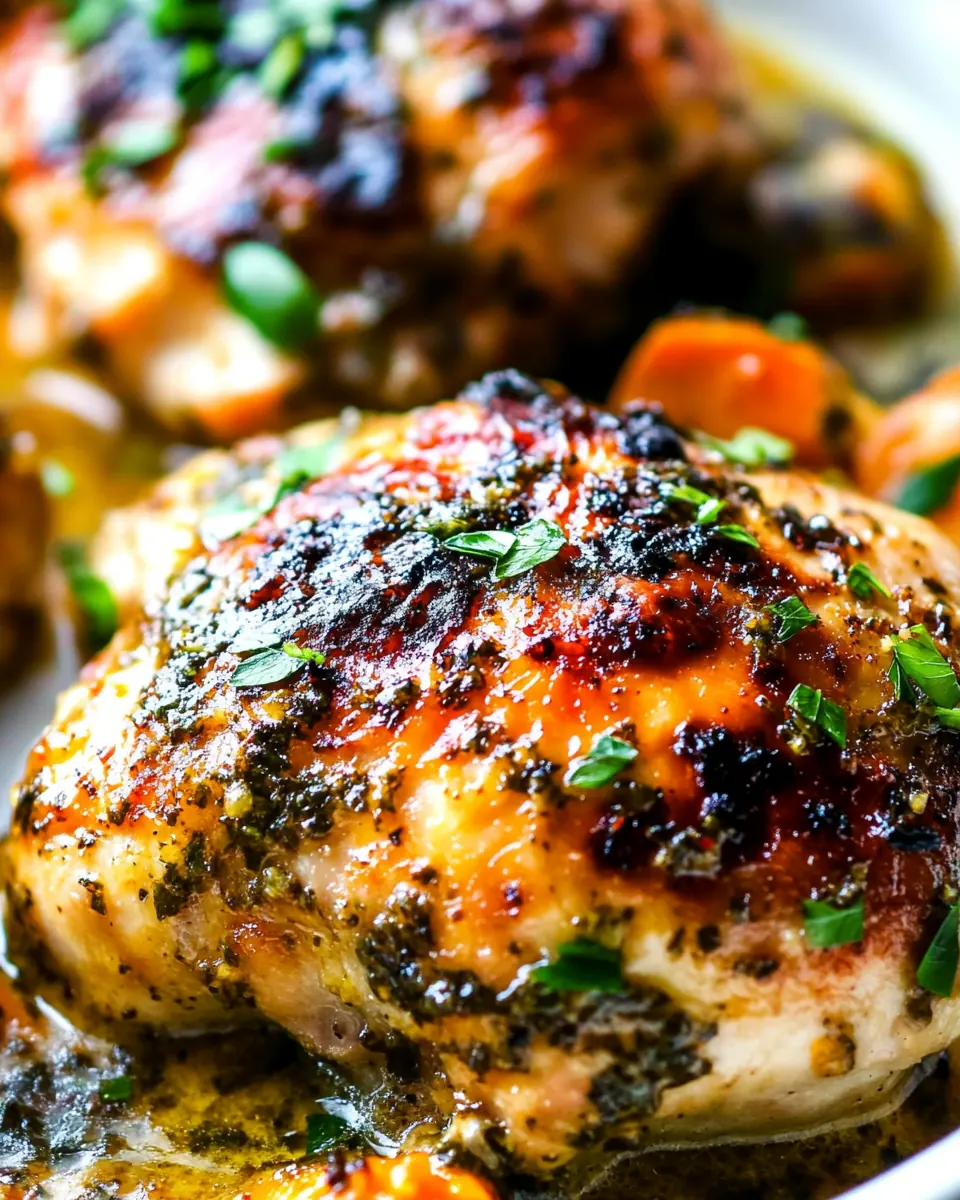
If you want to vary the mood of this recipe, small swaps and timing adjustments can change texture and flavor while keeping the heart of the dish intact. Below are practical suggestions to help you adapt the bake to your pantry and taste without compromising the original concept.
- Shorten cook time: If you prefer a quicker finish, sear the chicken thoroughly and slice the sweet potatoes slightly thinner; keep an eye on doneness because thinner slices will become tender faster.
- Make it creamier: Stir an extra two tablespoons of milk into the herb sauce before layering, but be careful not to overliquidate which can lengthen bake time.
- Boost browning: Remove the foil for the last 15 minutes of baking and finish under the broiler for two to three minutes to get a golden, bubbly cheese top; watch closely to prevent burning.
- Hold family preferences: If your crowd prefers less herb intensity, reduce the dried herb amounts by about a third, which softens the herbal notes without flattening the base flavors.
- Advance prep tip: You can assemble the dish up to the point of baking and refrigerate covered for a day; bring it to room temperature before baking and add 5 to 10 extra minutes to the covered bake time.
- Swap cheese amounts: Increase or decrease the Parmesan and mozzarella to adjust saltiness and melt factor; more Parmesan will yield a more savory bite.
- Control salt: Because the recipe uses both Parmesan and added salt, taste the herb sauce before layering and adjust to avoid an overly salty finish.
How to Serve Baked Garlic Herb Chicken with Scalloped Sweet Potatoes
This dish works beautifully for casual family dinners and cozy holiday meals, offering comforting layers and a hearty protein all in one pan. Below are detailed serving suggestions to help you present it confidently and extend the meal into a memorable occasion.
- Family dinner presentation: Serve the casserole straight from the pan placed on a trivet so guests can help themselves; offer a simple green salad on the side to introduce a crisp contrast.
- Holiday table idea: Present the dish alongside roasted vegetables and a basket of crusty bread so people can mop up the creamy sauce, it makes an inviting spread for small gatherings.
- Portioning guidance: Cut into square portions that include a piece of chicken and a stack of potato slices so every serving showcases the layered textures and cheeses.
- Storage tips: Cool leftovers to room temperature, then refrigerate covered for up to three days. Reheat gently in a 350 degrees F oven until warmed through to preserve texture.
- Make ahead strategy: Assemble the casserole and keep it covered in the fridge for up to 24 hours, then bake as directed, adding a bit more time if fully chilled.
- Seasonal pairing: This recipe fits well into fall menus thanks to the sweet potatoes, pairing nicely with roasted root vegetables or a warm grain pilaf for a complete autumnal meal.
- Serving style: For a more formal plating, spoon a pool of the casserole sauce onto the plate, place the portion on top, and garnish with a light sprinkle of dried chives for color.
FAQ
Conclusion
This recipe shines because it balances creamy, herbaceous sauce with well seasoned, browned chicken for a comforting one pan meal. Give it a try on a busy weeknight or for a relaxed weekend dinner, and you’ll find it hits that sweet spot between fuss free and flavorful. I hope it becomes one of your reliable go to dishes when you want something cozy, satisfying, and shareable.
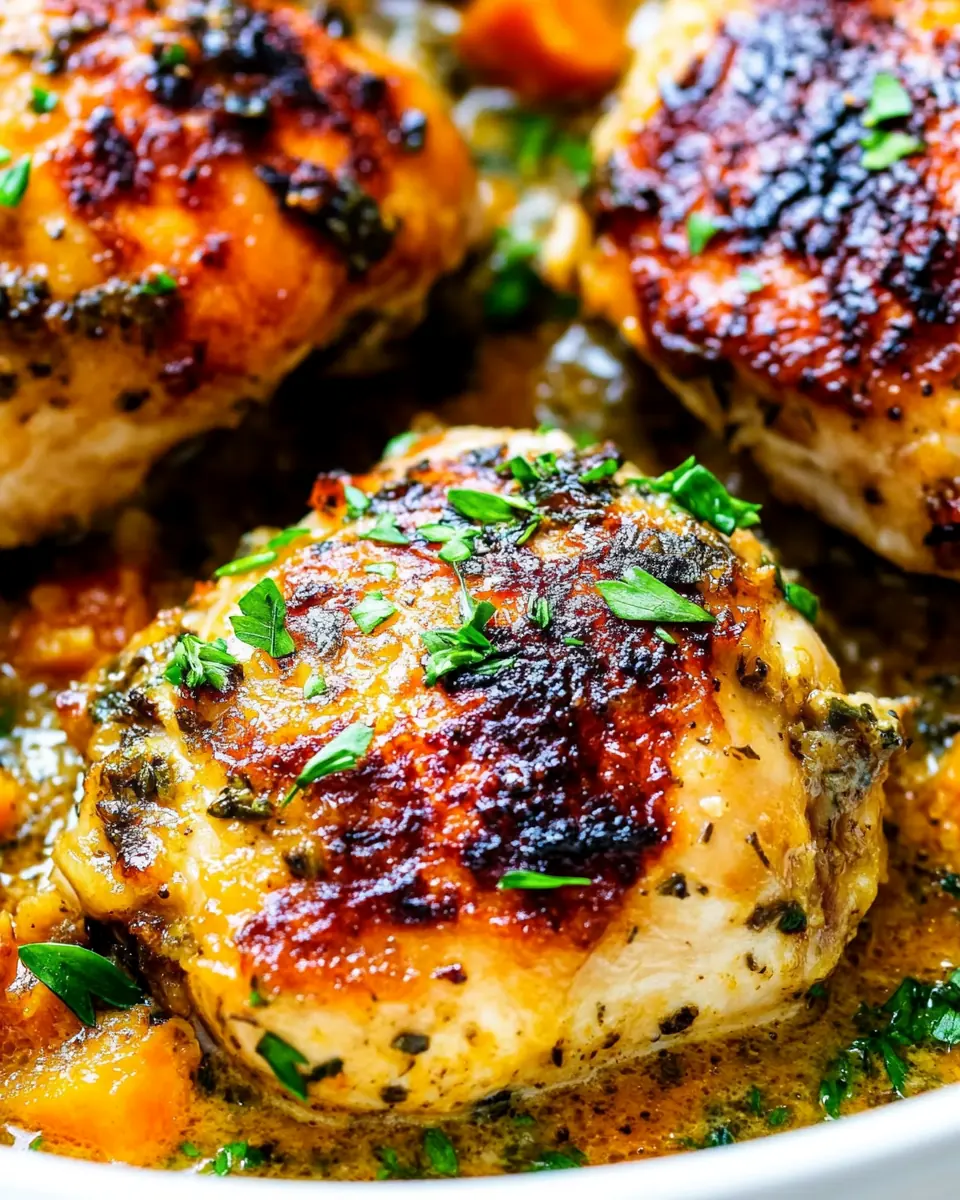
Baked Garlic Herb Chicken with Scalloped Sweet Potatoes
Ingredients
Equipment
Method
- Preheat oven to 400 degrees F.: The dry heat of the oven at 400 degrees F creates a reliable environment for the top to brown and the potatoes to become tender within the recipe's timing. You should feel the room warm slightly when the oven is ready, and the preheated pan will help start the casserole cooking evenly. A common mistake is sliding the dish into an oven that is not fully preheated, which can extend cooking time and leave potatoes underdone. If your oven runs hot or cool, use an oven thermometer for accuracy.
- Combine all of the Wet Rub ingredients together in a small bowl. Remove 1 tablespoon and rub this tablespoon all over the chicken.: When you mix the wet rub, you will notice the aromas of garlic powder, paprika, and mustard coming together in a concentrated paste, which helps the seasoning cling to the chicken . Rubbing that reserved tablespoon all over the pieces allows the spices to begin flavoring the surface immediately, aiding browning and creating a seasoned crust. A trap to avoid is over salting at this stage; measure precisely so the final dish is balanced.
- Heat 1 tablespoon olive oil over medium high heat in a large skillet. Once very hot, add chicken and brown 2-3 minutes per side. Remove chicken to a plate. (Don’t clean skillet) Once cool enough to handle (you can wait until you’ve sliced your potatoes), smother the chicken with the remaining Wet Rub.: The skillet should be shimmering and almost smoking lightly when the olive oil is hot, which guarantees a fast sear that seals juices. Listen for a pronounced sizzle as the chicken hits the pan, and watch for a golden brown crust to form; that fond is full of flavor for the sauce. Let the chicken rest briefly so the rub adheres and so you can handle the pieces without burning yourself. A common error is overcrowding the pan, which steams rather than sears, so brown in batches if needed.
- Drain all but approximately 1 tablespoon grease/juices from skillet. Whisk in flour and turn heat to low. Slowly whisk in milk. Add all remaining “Herb Sauce” ingredients to now empty skillet. Bring to a boil then reduce to a simmer until thickened (approximately 3-5 minutes, it should be quite thick), stirring occasionally. Meanwhile, grease a 9×13 casserole dish and slice potatoes into 1/8” slices.: You'll use the reserved flavorful juices in the skillet to start the sauce, and the aroma will become richer as you whisk in the flour . When adding milk , incorporate it gradually to avoid lumps, and whisk until the mixture becomes smooth and begins to thicken; it should coat the back of a spoon. The first small boil will concentrate flavors and help the herbs release their oils into the sauce. While the sauce cooks, thinly slicing the potatoes to about an eighth inch ensures even, tender baking. A typical pitfall is adding cold milk all at once which can make the sauce grainy; temper it slowly.
- Add potatoes to Herb Sauce and remove from heat. Toss to coat. (It might seem like there isn’t enough, but just keep stirring.): When you fold the hot potatoes into the sauce, the slices will glisten and become evenly coated, soaking up some of the seasoned liquid. This helps each layer bake into a cohesive, creamy texture. If the sauce seems thin at this point, know that the potatoes will continue to release moisture and the flour will finish setting during the oven time; resist adding extra thickener unless the sauce is watery. Avoid letting the potatoes sit too long in the hot sauce uncovered, as they can over soften and become mushy before baking.
- Layer half of the potatoes/onions/sauce mixture evenly into your greased 9×13 pan. Top with half of the Parmesan and mozzarella. Repeat layers.: As you build layers, press the slices gently so they nestle and create even contact with the sauce, which ensures uniform doneness. When sprinkling the Parmesan and mozzarella , distribute them so no single area becomes excessively cheesy, and repeat for a balanced finish. The visual cue you want is an even, glossy bed of potatoes capped with a thin veil of cheese. A mistake to watch for is piling slices unevenly, which can leave thicker areas undercooked.
- Add chicken on top of potatoes and cover with foil. Bake for 40 minutes, remove foil and bake an additional 10-15 minutes or until chicken is cooked through and potatoes are fork tender. Broil for a few minutes to toast cheese if desired. Remove and let rest for 5 minutes before serving.: Placing the seasoned, seared chicken atop the potato layers lets the meat cook through while its juices baste the casserole below. Covering with foil traps steam and helps the potatoes reach tenderness without drying the chicken . Make sure the foil is tented slightly so it does not press cheese into the meat. Avoid removing the foil too early, which could lead to undercooked potatoes or dry chicken .
- Bake for 40 minutes, remove foil and bake an additional 10 to 15 minutes or until chicken is cooked through and potatoes are fork tender. Broil for a few minutes to toast cheese if desired. Remove and let rest for 5 minutes before serving.: During the initial covered bake you will hear a gentle bubbling and sense the kitchen steam; that means the potatoes are softening and the sauce is reducing. After removing the foil, the surface will begin to brown and the cheeses will melt into golden pockets. Use a fork to check that the potatoes are tender and an instant read thermometer to ensure the chicken reaches a safe internal temperature. Broiling briefly will crisp the top, but watch closely because cheese can go from golden to burnt quickly. Resting for five minutes lets juices settle so slices hold together when served.
Notes
- Shorten cook time: If you prefer a quicker finish, sear the chicken thoroughly and slice the sweet potatoes slightly thinner; keep an eye on doneness because thinner slices will become tender faster.
- Make it creamier: Stir an extra two tablespoons of milk into the herb sauce before layering, but be careful not to overliquidate which can lengthen bake time.
- Boost browning: Remove the foil for the last 15 minutes of baking and finish under the broiler for two to three minutes to get a golden, bubbly cheese top; watch closely to prevent burning.
- Hold family preferences: If your crowd prefers less herb intensity, reduce the dried herb amounts by about a third, which softens the herbal notes without flattening the base flavors.
- Advance prep tip: You can assemble the dish up to the point of baking and refrigerate covered for a day; bring it to room temperature before baking and add 5 to 10 extra minutes to the covered bake time.
- Swap cheese amounts: Increase or decrease the Parmesan and mozzarella to adjust saltiness and melt factor; more Parmesan will yield a more savory bite.
- Control salt: Because the recipe uses both Parmesan and added salt, taste the herb sauce before layering and adjust to avoid an overly salty finish.