Chicken Vegetable Soup
Chicken Vegetable Soup has been my go to when the days feel chilly and I need something comforting that still tastes fresh and bright. The first time I made this, I was coming home after a long, damp afternoon and wanted warmth without anything too heavy. I remember the aroma filling the kitchen as the chicken and vegetables simmered, and how the house felt instantly cozier. That memory is part of why I return to this recipe whenever I want a simple, restorative meal.
Over the years I have tweaked the balance of vegetables to keep it lively but still soothing. I like how the softened carrots and zucchini lend sweetness and body while the leeks and garlic add depth without overpowering. Sometimes I serve a bowl over a scatter of small pasta for texture, other times I enjoy it straight up with a spoonful of warmth. Each version feels like home, and it also travels well to weekday lunches.
Recipe Snapshot
60 mins
10 mins
50 mins
Medium
250 kcal
American
Paleo, Whole30
Soups
Large Stockpot, Chef’s knife, Cutting Board, Small Pot, Food processor
Why This Chicken Vegetable Soup Works
Comfort That Feels Light
I love this version of Chicken Vegetable Soup because it manages to be comforting while staying light. The simmered vegetables and chicken create a broth that soothes without leaving you weighed down. I appreciate a bowl that warms my hands and my spirit, yet keeps the mouthfeel clean and bright.
Deep, Layered Flavor From Simple Steps
What stands out to me is how basic techniques add complexity. The gentle simmer of leeks, carrots, and celery releases sweet and savory notes that you would not expect from such straightforward ingredients. I often taste as it cooks and adjust by adding a splash of cooking water or a pinch of salt to enhance the natural flavors.
Versatility for Any Meal
This recipe is a chameleon, it can be dressed up or kept humble. I sometimes ladle it over small pasta for a heartier dinner, or serve a simple bowl for lunch. The texture is easy to modify, from chunky to silky, depending on whether you puree some of the cooked vegetables and chicken.
Made With Accessible Ingredients
All the components are pantry friendly and seasonal, especially in colder months. I like that the list includes staples like carrots, celery, and garlic, which are often on hand. Because the method is forgiving, it is approachable for cooks of any skill level.
Comforting Memories and Practicality
Finally, this recipe holds sentimental value, it reminds me of quiet evenings and simple family meals. Beyond nostalgia, it is practical, freezes well, and reheats beautifully, which makes it a real weekday hero in my kitchen.
What You’ll Need for Chicken Vegetable Soup
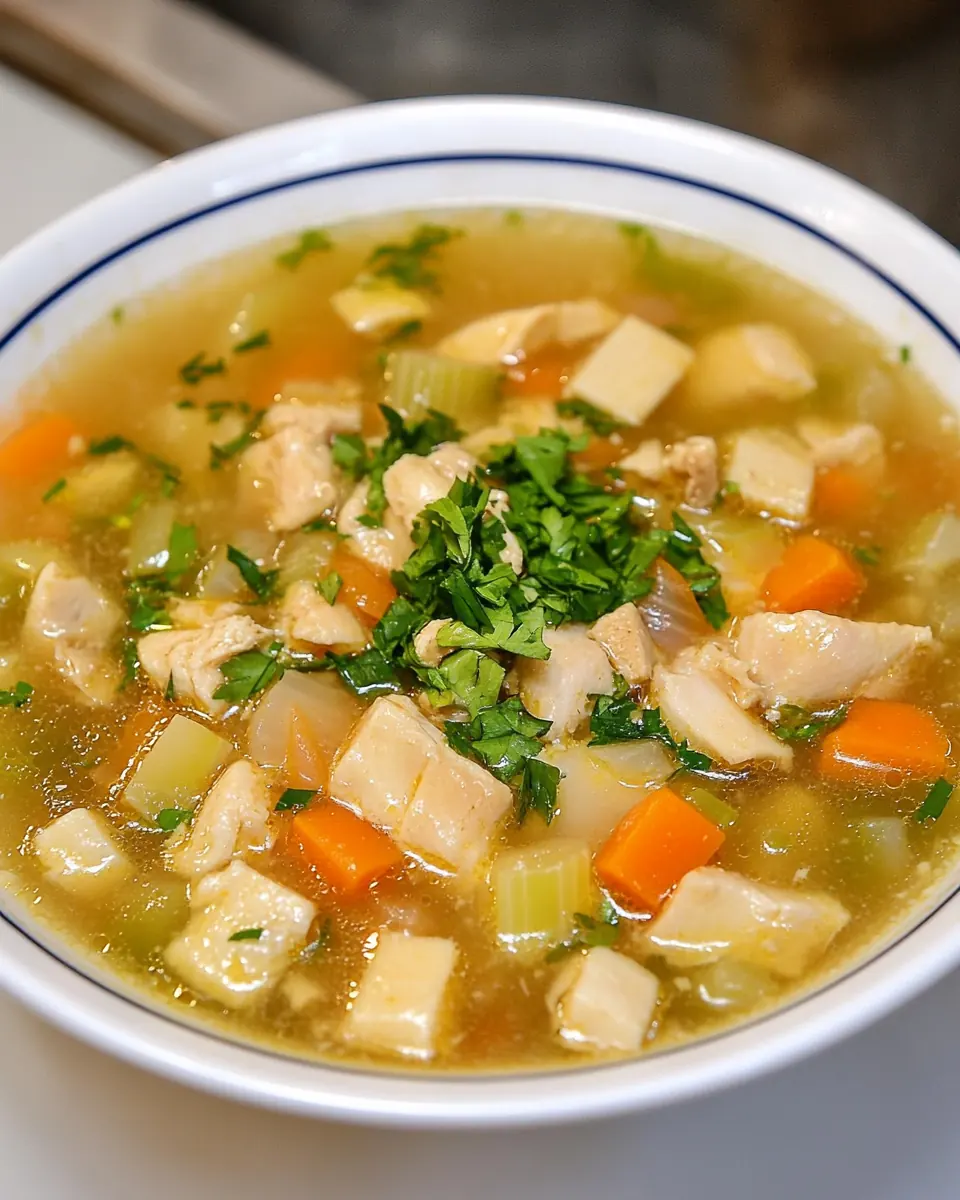
This ingredient list is built around harmony, every item plays a clear role. The base of softened root vegetables paired with aromatic leeks and garlic yields a broth that is naturally flavorful. The combination of tender shredded chicken and optional small pasta gives you protein and comforting texture, while the zucchini and celery add freshness and body.
- 2 carrots, peeled and cut into small pieces: Provide sweetness and body while adding color and subtle earthy flavor; peel and cut into small pieces to ensure even cooking and tender texture in the soup. Simmer until soft so they release natural sugars that enhance the broth, and consider adding early for long simmer times to meld flavors.
- 1 leeks, cleaned, white part sliced: Add a mild, onion-like aroma and delicate sweetness by cleaning and using the white part sliced; include early in cooking to soften and impart a gentle depth to the stock. Slice evenly to infuse the broth without overpowering other vegetables, and discard any tough green tops unless using for garnish or stock.
- 3 celery ribs, cleaned and sliced: Contribute aromatic base notes and a slightly bitter crunch when sliced; clean thoroughly and slice to release vegetal flavor that complements the carrots and leeks. Sauté or soften before simmering to build savory layers, and maintain size consistency for even texture throughout the soup.
- 2 zucchini, sliced: Introduce light, summer flavor and a tender bite when sliced; add toward middle of cooking to preserve shape and prevent over-softening. Cook until just tender to retain some firmness, providing contrast to root vegetables and absorbing the seasoned broth.
- 2 garlic cloves, peeled: Impart a pungent, savory boost when peeled and either minced or lightly crushed; add early for a mellowed aroma or late for a sharper garlic presence. Use whole cloves for gentle infusion or chop for immediate flavor release and integration into the soup base.
- 2 whole chicken breasts, Skinless, Boneless cut into small cubes: Supply lean protein and hearty substance when skinless, boneless, and cut into small cubes; add to simmering broth to cook through and remain moist, contributing to a satisfying main component. Browning briefly before simmering can increase savory depth, and ensure cubes are uniform for consistent cooking.
- chicken, backs, wings, neck chicken: Create a rich, collagen-rich stock when using backs, wings, and neck pieces; simmer slowly to extract gelatin, deepening body and mouthfeel of the soup. Roast or brown first for added complexity, then simmer for extended time to produce a flavorful base that enhances all ingredients.
- pasta, small soup pasta: Add comforting texture and absorb the flavorful broth when using small soup pasta; cook just until al dente to prevent mushiness as it will continue softening in hot soup. Stir in near the end of cooking and consider portioning separately if leftovers will be stored to avoid pasta swelling overnight.
Recipe Steps for Chicken Vegetable Soup
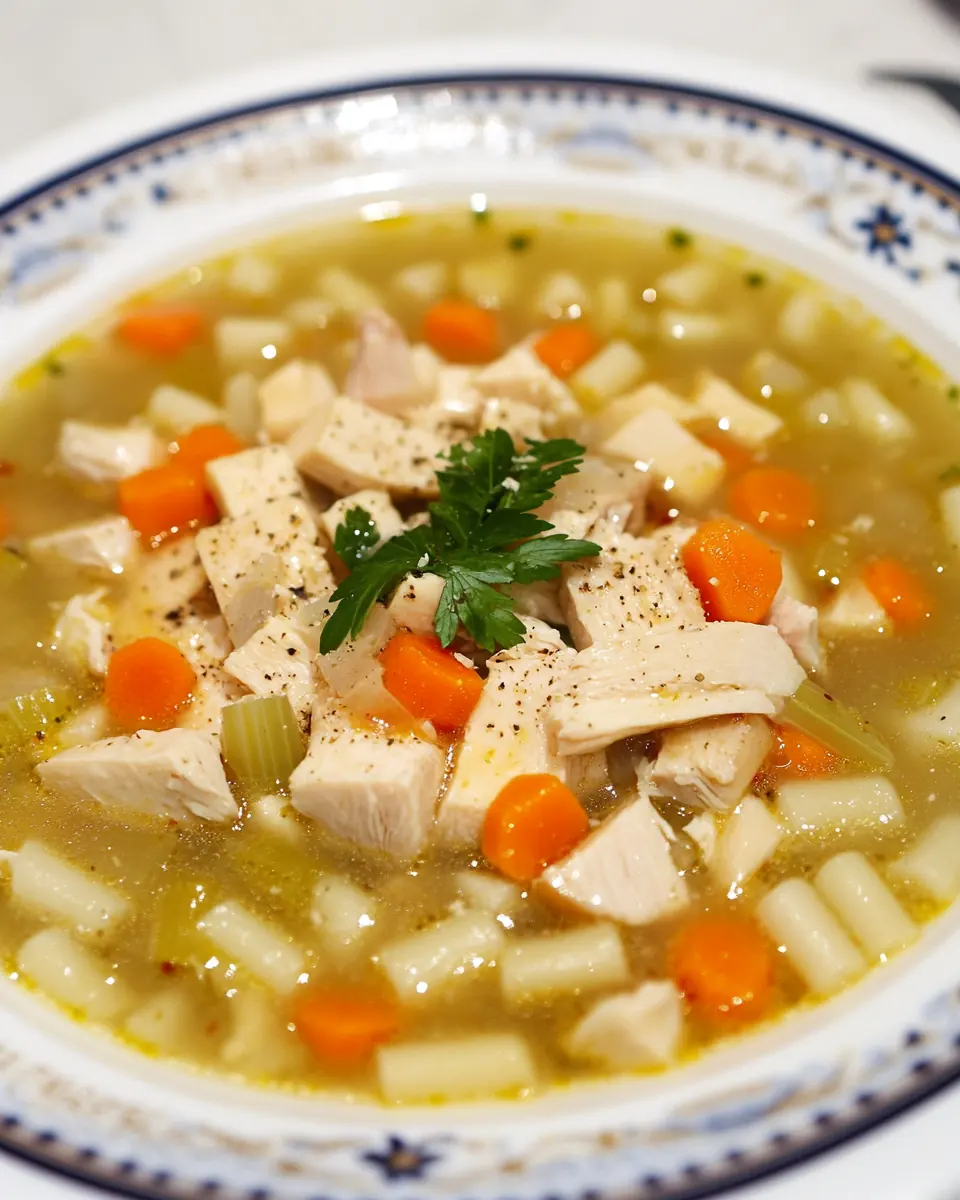
These steps are straightforward, but I like to approach them with intention so each element contributes to a layered, well rounded soup. Follow the rhythm of simmering, cooling, and blending to reach the right balance of texture and flavor.
- Place over medium heat a stock pot with water and add all the above ingredients (not the pasta). Add more water to cover and cook at medium low, with the lid half covering the pot for 45 minutes.: As the pot comes up to temperature you will hear a gentle rise in sound, a steady, low simmer that signals extraction. The aroma will shift from raw vegetables to a mellow, savory chorus as chicken collagen and vegetable sugars begin to leach into the water. This initial simmer is crucial for making a flavorful broth, it extracts gelatin from the bones and aroma from the aromatics, which sets the foundation for the soup. A typical mistake is boiling too vigorously, which agitates the liquid and clouds the broth, so maintain a gentle simmer. Keep an eye on the pot for foam on the surface during the first 10 to 15 minutes and skim it off with a spoon to keep flavors clean. If your stove runs hot, lower the heat slightly to prevent too rapid evaporation, which would concentrate the liquid prematurely.
- When all the vegetables are tender, and the chicken fully cooked, remove from the heat and let cool for 15 minutes. In a food processor place all the vegetables and puree it all. Clean the chicken from the bones and puree as well.: The half covered lid allows steam to escape while keeping most of the heat and moisture inside, which helps flavors concentrate slowly. You will notice tiny bubbles and a soft, steady chatter as the broth simmers, and the vegetables will begin to soften and blur at their edges. This gentle evaporation concentrates savory notes and mellows sharpness from the leeks and garlic . Avoid sealing the pot completely, or you risk boiling too hard and breaking down delicate textures too fast. Check occasionally to ensure the liquid level remains sufficient to cover the ingredients, adding a splash more water if needed. A common error is rushing the process with high heat, which results in a flatter tasting broth and tougher chicken .
- Return it to the stock pot and keep warm. If it is too thick, more water can be added.: Cooling slightly before handling makes it safer to separate the meat from bones and prevents burns when blending. You will sense a deeper aroma as the temperature drops, with sweetness and savory notes rounding out. This rest period lets the flavors settle and the stock clarify a bit. Resist the urge to plunge into the next step immediately, as hot liquids splatter when processed. A common pitfall is trying to shred hot chicken while still steaming, which can be messy and cause scalding, so allow the fifteen minutes to pass.
- At this point I cooked small rings (ditalini) egg pasta. When done I drain and place some of the pasta in a soup bowl and add the soup over it.: As you pulse the cooked vegetables, the texture transforms to a silky, velvety body that will thicken the soup. The smell becomes concentrated and slightly sweet, with green notes from the zucchini and aromatic depth from the leeks and garlic . Pureeing helps integrate flavors evenly and creates a luscious mouthfeel. Be careful not to overfill the processor, blend in batches if needed, and pulse to control the texture. A mistake here is blending everything too long without allowing steam to escape, which can lead to splatters or an overly thin puree if you add too much water to cool it.
- Clean the chicken from the bones and puree as well: Processing the cooked chicken with some broth gives the soup body and protein dispersed through the bowl, creating a comforting, cohesive texture. You will notice a savory, meaty aroma as the chicken is pureed, and the small particles help thicken the soup naturally. The why is clear, it lets each spoonful carry both protein and vegetable flavor. One troubleshooting note, avoid overprocessing into a paste if you prefer a little texture, pulse to achieve the desired consistency. Also, if any small bone fragments remain, remove them carefully to avoid an unpleasant surprise.
- Return it to the stock pot and keep warm: Reuniting the pureed vegetables and chicken with the strained broth brings everything together, and gentle warmth helps the flavors marry. You will see the soup take on a cohesive color and sheen, and the aroma should be balanced and inviting. If the mixture seems too thick, add reserved cooking water a little at a time until you reach the mouthfeel you like. Over thinning will dilute flavor, so adjust patiently. A typical mistake is bringing it to a rapid boil here, which can separate the texture or over reduce the flavors, so keep the heat low and stir gently.
- If it is too thick, more water can be added: Adding warm water adjusts the viscosity without shocking the soup, and it lets you tune the balance between concentration and drinkability. When you add liquid, stir and taste, because it is easier to add than to take away. The soup should coat the back of a spoon while still moving freely. A common error is adding cold water, which can cool the soup unevenly and change the perception of seasoning, so use warm or hot water from the kettle if needed.
- At this point I cooked small rings (ditalini) egg pasta: Cooking the small pasta separately creates distinct textural contrast and prevents it from soaking up too much broth during storage. As the pasta finishes, it gives a gentle al dente bite and a toasted wheaty fragrance that complements the silky soup. Drain and quickly rinse under warm water to stop cooking if you are not serving immediately. The common pitfall is adding the pasta directly to the pot too early, which causes it to plump and become mushy over time, especially when stored in the refrigerator.
- When done I drain and place some of the pasta in a soup bowl and add the soup over it: The final assembly is about balance, the small shapes rest at the bottom and the warm soup nestles around them, delivering a variety of textures in each spoonful. You will notice steam rising and a mingling of aromas as the bowl comes together. Serve immediately for the best contrast between the tender pasta and the silky soup. A mistake to avoid is letting the assembled bowl sit too long before serving, because the pasta will continue to hydrate and alter the intended mouthfeel.
Ways to Adapt This Recipe
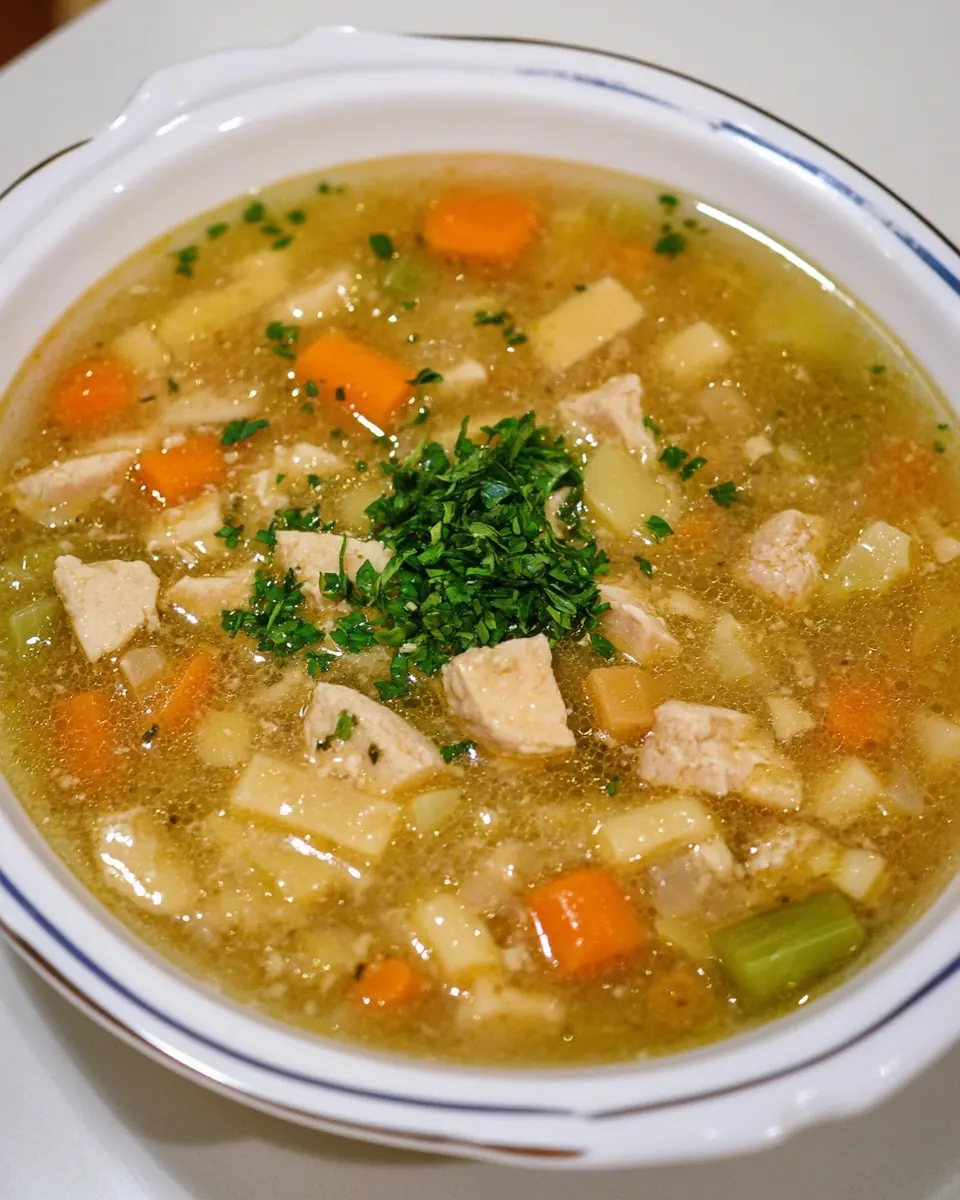
This soup is flexible and forgiving, which makes it perfect for adapting to what you have on hand. Below are several thoughtful ways to shift texture, serving style, and convenience while keeping the core comfort intact.
- Make it chunkier by reserving some of the cooked vegetables and chicken before pureeing, then fold them back in at the end for a heartier, more rustic bowl.
- For a smoother texture process all the vegetables and chicken until completely velvety, then strain through a fine mesh for an ultra silky finish.
- Stretch the soup for more servings by adding extra warm water or low sodium broth while adjusting seasoning gradually so flavors remain balanced.
- Quick dinner cook the small pasta while the soup simmers and add it to individual bowls for a faster finish without altering the main pot.
- Freeze in portions leaving out the pasta, label with date, and thaw gently over low heat, adding freshly cooked pasta when serving.
- Make ahead by preparing the broth and purees a day early and assembling just before serving to keep textures lively and fresh.
Great Combinations for Chicken Vegetable Soup
This soup is a versatile centerpiece that pairs well with simple sides and fits many occasions. Below I outline serving suggestions, storage tips, and pairing ideas so you can plan meals around it with ease.
- Light lunch: Serve a generous bowl with a slice of crusty bread for dipping, it makes a satisfying midday meal that is still gentle and restorative.
- Weeknight dinner: Add cooked small pasta to the bowl and pair with a green side salad for a balanced family dinner that comes together quickly.
- Meal prep: Store the soup without pasta in airtight containers and freeze in single portions, reheat gently and add freshly cooked pasta when ready to eat.
- Comfort for cold nights: Serve in warmed bowls with extra broth on the side for sipping, it becomes a cozy dish for winter evenings and quiet nights at home.
- Seasonal pairing: In winter, pair with a roasted vegetable tart or a simple baked potato to create a heartier spread for guests.
- Storage: Refrigerate up to four days, freeze up to three months, and keep pasta separate to maintain the best texture when reheating.
FAQ
Conclusion
This Chicken Vegetable Soup stands out for its balance of comforting silkiness and bright vegetable notes. It’s an approachable recipe that yields a nourishing bowl that you can adapt to suit your schedule and pantry, and it reheats and freezes well. I hope you give it a try on a cool evening or when you want a simple, restorative meal. Enjoy the warmth and easy satisfaction it brings to the table.
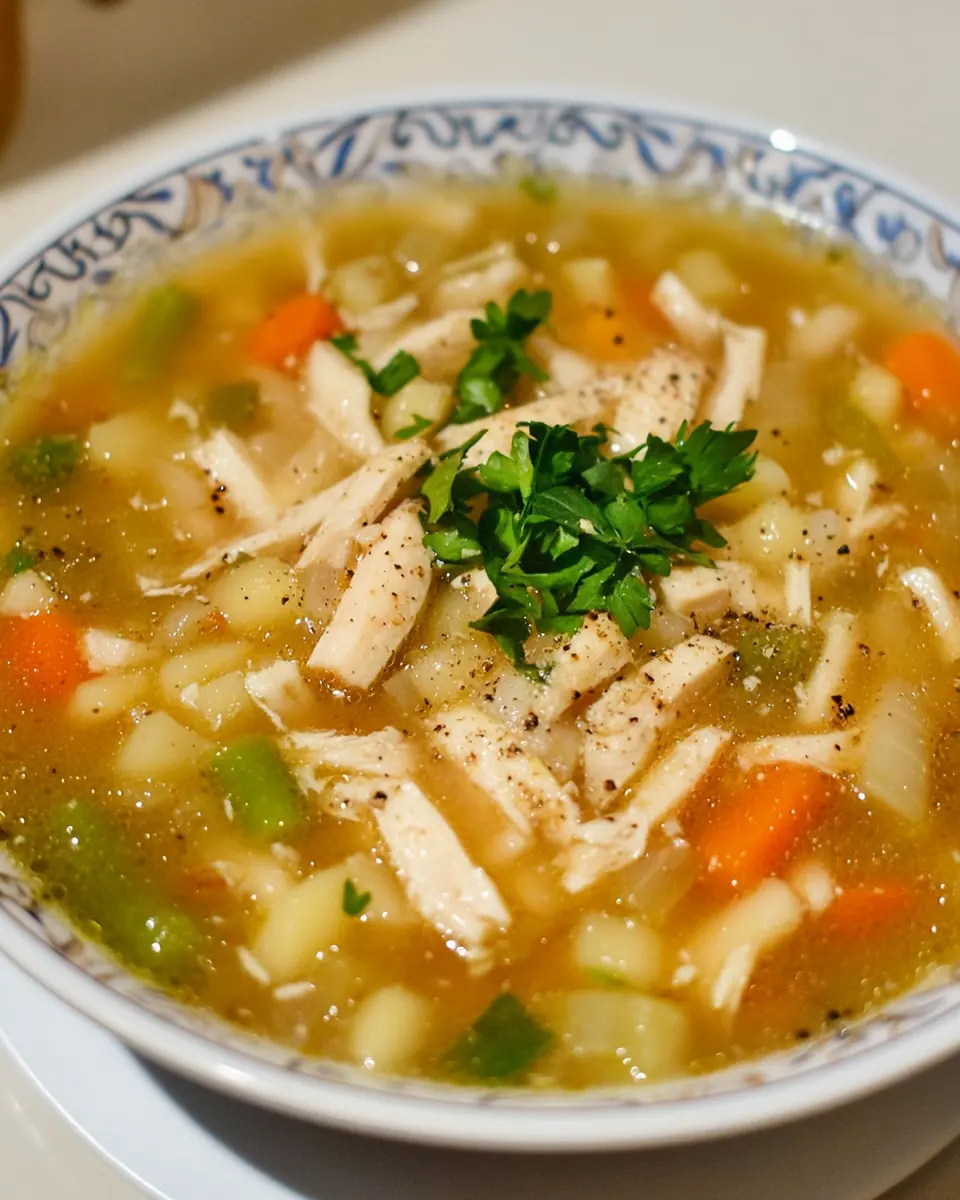
Chicken Vegetable Soup
Ingredients
Equipment
Method
- Place over medium heat a stock pot with water and add all the above ingredients (not the pasta). Add more water to cover and cook at medium low, with the lid half covering the pot for 45 minutes.: As the pot comes up to temperature you will hear a gentle rise in sound, a steady, low simmer that signals extraction. The aroma will shift from raw vegetables to a mellow, savory chorus as chicken collagen and vegetable sugars begin to leach into the water. This initial simmer is crucial for making a flavorful broth, it extracts gelatin from the bones and aroma from the aromatics, which sets the foundation for the soup. A typical mistake is boiling too vigorously, which agitates the liquid and clouds the broth, so maintain a gentle simmer. Keep an eye on the pot for foam on the surface during the first 10 to 15 minutes and skim it off with a spoon to keep flavors clean. If your stove runs hot, lower the heat slightly to prevent too rapid evaporation, which would concentrate the liquid prematurely.
- When all the vegetables are tender, and the chicken fully cooked, remove from the heat and let cool for 15 minutes. In a food processor place all the vegetables and puree it all. Clean the chicken from the bones and puree as well.: The half covered lid allows steam to escape while keeping most of the heat and moisture inside, which helps flavors concentrate slowly. You will notice tiny bubbles and a soft, steady chatter as the broth simmers, and the vegetables will begin to soften and blur at their edges. This gentle evaporation concentrates savory notes and mellows sharpness from the leeks and garlic . Avoid sealing the pot completely, or you risk boiling too hard and breaking down delicate textures too fast. Check occasionally to ensure the liquid level remains sufficient to cover the ingredients, adding a splash more water if needed. A common error is rushing the process with high heat, which results in a flatter tasting broth and tougher chicken .
- Return it to the stock pot and keep warm. If it is too thick, more water can be added.: Cooling slightly before handling makes it safer to separate the meat from bones and prevents burns when blending. You will sense a deeper aroma as the temperature drops, with sweetness and savory notes rounding out. This rest period lets the flavors settle and the stock clarify a bit. Resist the urge to plunge into the next step immediately, as hot liquids splatter when processed. A common pitfall is trying to shred hot chicken while still steaming, which can be messy and cause scalding, so allow the fifteen minutes to pass.
- At this point I cooked small rings (ditalini) egg pasta. When done I drain and place some of the pasta in a soup bowl and add the soup over it.: As you pulse the cooked vegetables, the texture transforms to a silky, velvety body that will thicken the soup. The smell becomes concentrated and slightly sweet, with green notes from the zucchini and aromatic depth from the leeks and garlic . Pureeing helps integrate flavors evenly and creates a luscious mouthfeel. Be careful not to overfill the processor, blend in batches if needed, and pulse to control the texture. A mistake here is blending everything too long without allowing steam to escape, which can lead to splatters or an overly thin puree if you add too much water to cool it.
- Clean the chicken from the bones and puree as well: Processing the cooked chicken with some broth gives the soup body and protein dispersed through the bowl, creating a comforting, cohesive texture. You will notice a savory, meaty aroma as the chicken is pureed, and the small particles help thicken the soup naturally. The why is clear, it lets each spoonful carry both protein and vegetable flavor. One troubleshooting note, avoid overprocessing into a paste if you prefer a little texture, pulse to achieve the desired consistency. Also, if any small bone fragments remain, remove them carefully to avoid an unpleasant surprise.
- Return it to the stock pot and keep warm: Reuniting the pureed vegetables and chicken with the strained broth brings everything together, and gentle warmth helps the flavors marry. You will see the soup take on a cohesive color and sheen, and the aroma should be balanced and inviting. If the mixture seems too thick, add reserved cooking water a little at a time until you reach the mouthfeel you like. Over thinning will dilute flavor, so adjust patiently. A typical mistake is bringing it to a rapid boil here, which can separate the texture or over reduce the flavors, so keep the heat low and stir gently.
- If it is too thick, more water can be added: Adding warm water adjusts the viscosity without shocking the soup, and it lets you tune the balance between concentration and drinkability. When you add liquid, stir and taste, because it is easier to add than to take away. The soup should coat the back of a spoon while still moving freely. A common error is adding cold water, which can cool the soup unevenly and change the perception of seasoning, so use warm or hot water from the kettle if needed.
- At this point I cooked small rings (ditalini) egg pasta: Cooking the small pasta separately creates distinct textural contrast and prevents it from soaking up too much broth during storage. As the pasta finishes, it gives a gentle al dente bite and a toasted wheaty fragrance that complements the silky soup. Drain and quickly rinse under warm water to stop cooking if you are not serving immediately. The common pitfall is adding the pasta directly to the pot too early, which causes it to plump and become mushy over time, especially when stored in the refrigerator.
- When done I drain and place some of the pasta in a soup bowl and add the soup over it: The final assembly is about balance, the small shapes rest at the bottom and the warm soup nestles around them, delivering a variety of textures in each spoonful. You will notice steam rising and a mingling of aromas as the bowl comes together. Serve immediately for the best contrast between the tender pasta and the silky soup. A mistake to avoid is letting the assembled bowl sit too long before serving, because the pasta will continue to hydrate and alter the intended mouthfeel.
Notes
- Make it chunkier by reserving some of the cooked vegetables and chicken before pureeing, then fold them back in at the end for a heartier, more rustic bowl.
- For a smoother texture process all the vegetables and chicken until completely velvety, then strain through a fine mesh for an ultra silky finish.
- Stretch the soup for more servings by adding extra warm water or low sodium broth while adjusting seasoning gradually so flavors remain balanced.
- Quick dinner cook the small pasta while the soup simmers and add it to individual bowls for a faster finish without altering the main pot.
- Freeze in portions leaving out the pasta, label with date, and thaw gently over low heat, adding freshly cooked pasta when serving.
- Make ahead by preparing the broth and purees a day early and assembling just before serving to keep textures lively and fresh.