Healthy Peach Cobbler
Healthy Peach Cobbler is the sort of dessert I turn to when I want something that tastes like summer yet feels light and wholesome. The first time I made this version, I was juggling a busy week and a bag of perfectly ripe peaches that threatened to overripe by dinner. I wanted something fast, comforting, and a little nostalgic, but without feeling weighed down after one generous serving.
I remember standing by the counter, humming to an old song, while the kitchen filled with the sweet, citrusy perfume of simmering peaches. The topping, made with almond flour and a touch of maple syrup, browned beautifully, giving off a warm, toasty scent that mixed with the fruit. I loved how the texture balanced, soft bubbling fruit beneath a slightly crisp, tender top.
What I enjoy most about this dish is how forgiving it is. If your peaches are a little underripe, a splash more lemon juice brightens everything. If they are super sweet, cut back on the sweetener and the cobbler still sings. I’ve brought this to neighborhood potlucks and quiet weeknight dinners alike, and it always disappears. It feels celebratory, yet it is something I make on a Tuesday just as easily as on a Sunday when guests are coming over.
Recipe Snapshot
40 mins
5 mins
35 mins
Easy
200 kcal
American
Gluten-Free, Vegan
Desserts
Mixing bowl, 9 x 13 inch baking dish, Whisk, Spoon, Oven
Why You’ll Love This Healthy Peach Cobbler
It celebrates seasonal fruit
I love that Healthy Peach Cobbler puts fresh peaches front and center. During summer, peaches are at their sweetest and juiciest, and this recipe lets that natural flavor lead. The combination of warm, slightly caramelized fruit and a tender topping feels like a celebration of the season, and I find myself reaching for it when peaches are cheap and fragrant at the farmers market.
Light but satisfying topping
The biscuit style topping made from almond flour and a small amount of coconut oil gives the cobbler a golden, slightly crisp surface while staying delicate beneath. I appreciate how it provides structure without being dense, so each bite feels indulgent yet not heavy. That balance is why I choose this version when I want dessert that matters but does not overstay its welcome.
Flexible sweetness and texture
This recipe is forgiving. You can use brown sugar or a preferred natural sweetener and tune it to your taste. The peach filling can be made with fresh or canned fruit, and the use of arrowroot powder gives a glossy, thickened filling without needing refined thickeners. I often tweak the sweetness depending on how ripe the fruit is and never feel locked into the original measurements.
Quick and approachable
From counter to oven, the steps are straightforward, so I often make this when I need a dessert that is both quick and impressive. The par baking step for the filling ensures the fruit has a chance to release juices and start to bubble, which keeps the topping from getting soggy. I like that it yields consistent results even when I am multitasking in the kitchen.
Healthier ingredient choices
By swapping in almond flour, a touch of coconut oil, and using maple syrup or agave nectar instead of large amounts of refined sugar, this cobbler reads as a mindful dessert. It still tastes comforting and classic, but it fits better into a lighter eating style, which is why I make it often when I want something sensible and satisfying.
Essential Ingredients for Healthy Peach Cobbler
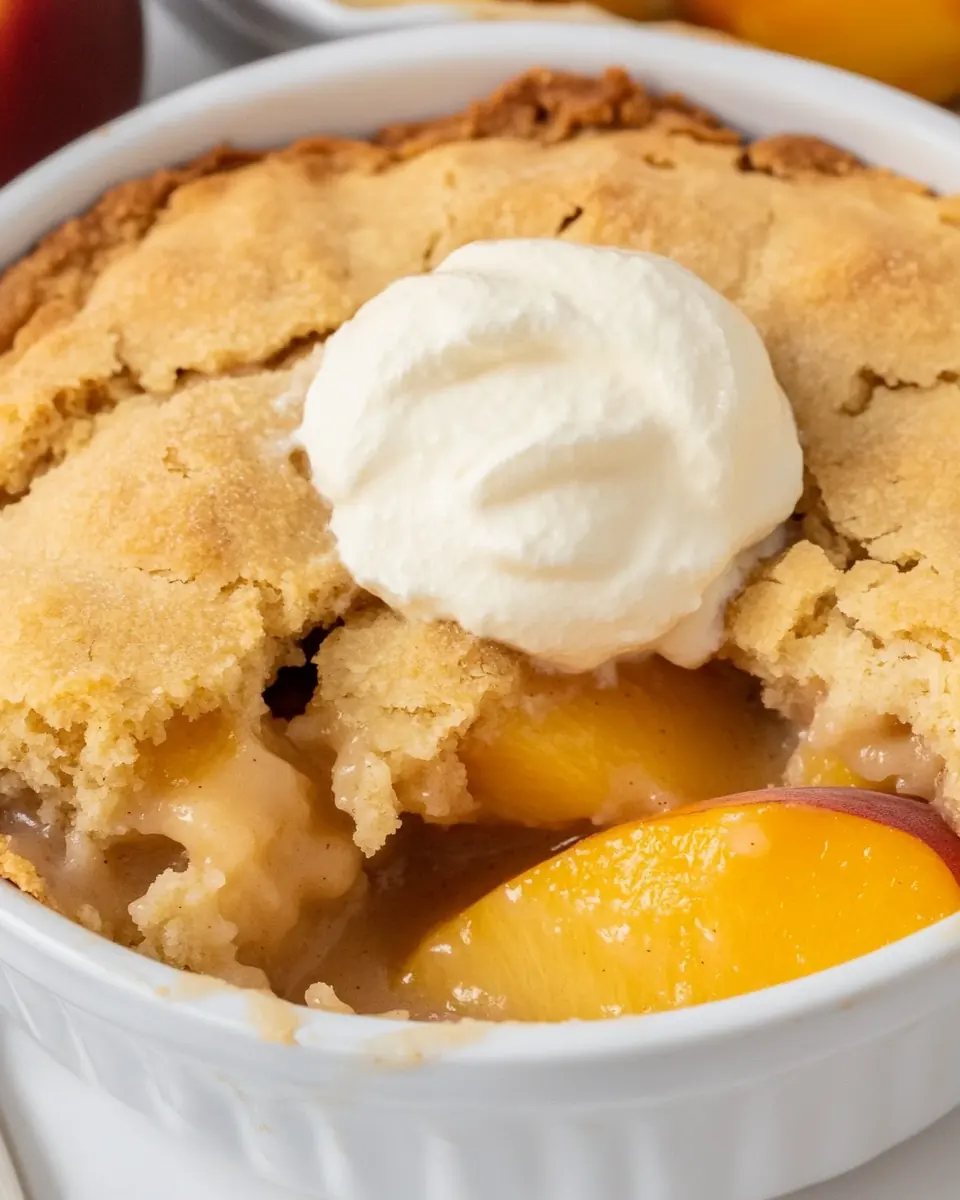
These ingredients work together to highlight the peaches while creating a tender, slightly crisp topping. The filling players focus on bright, juicy fruit and gentle thickening, while the topping uses nut based flour and natural sweeteners to keep things light yet satisfying. I like how the textures and flavors contrast, the juicy, warm peaches versus the nutty, golden biscuit pieces.
- 5 cups peaches freshly sliced or canned: Adds natural sweetness and juicy texture to the cobbler; contributes bulk and a fresh fruit flavor whether using fresh or drained canned peaches. Releases juices during baking that combine with sweeteners to form the fruit filling’s sauce. Provides vitamins and a pleasant tender bite that contrasts the topping.
- 1/4 cup brown sugar or any sweetener of choice: Provides concentrated sweetness and helps caramelize the fruit juices while baking, enhancing depth of flavor. Can be swapped for another sweetener without altering the recipe structure; dissolves into the filling easily. Helps balance tartness from the peaches and lemon juice.
- 2 teaspoon lemon juice: Brightens the fruit flavor and prevents browning while adding a subtle acidic note that balances sweetness. Enhances the overall freshness of the filling and can help activate certain leavening in some recipes. Small amount is sufficient to accentuate flavors without tasting overtly citrusy.
- 1 teaspoon vanilla extract: Adds aromatic warmth and depth to the filling with a sweet, mellow vanilla character. Enhances perceived sweetness, allowing slightly less added sugar without losing flavor. Blends into the syrupy juices to round out the fruit notes.
- 1 teaspoon xanthan gum: Acts as a thickening agent to stabilize the peach filling by binding liquids and preventing separation during baking. Helps create a glossy, slightly gelled sauce from the fruit juices, improving texture. Works well in small amounts to avoid gummy texture.
- 1 cup almond flour: Provides structure and a nutty, slightly sweet base for the cobbler topping; acts as the primary dry component. Contributes moisture retention and a tender crumb when combined with the wet ingredients. Offers a gluten-free alternative to wheat flour while imparting a rich flavor.
- 2 tablespoon arrowroot powder: Serves as a starch to lighten and bind the topping, improving crispness and helping absorb excess fruit juices. Thickens the filling slightly and contributes to a tender mouthfeel in the crust. Functions well as a gluten-free thickener and gives a delicate finish.
- 1/4 teaspoon baking soda: Leavens the topping gently, producing slight lift and airiness for a more tender texture. Reacts subtly with acidic components to create tiny bubbles that make the crust less dense. Used sparingly to avoid metallic or soapy aftertastes.
- 1/4 teaspoon salt: Balances flavors by enhancing sweetness perception and reducing bitterness; helps strengthen dough structure slightly. Controls seasoning and highlights the fruit and nutty notes in the topping. Essential in small amounts to prevent the cobbler from tasting flat.
- 2 tablespoon coconut oil melted: Adds fat to the topping, promoting tenderness, flakiness, and a pleasant mouthfeel when melted and incorporated. Contributes a mild coconut aroma and helps brown the surface during baking. Provides a dairy-free fat option for richness.
- 2 tablespoon maple syrup agave nectar or honey: Imparts additional sweetness and moisture to the topping while contributing flavor complexity depending on the choice (maple, agave, or honey). Helps bind dry ingredients and promotes browning for an attractive crust. Can be adjusted to taste for preferred sweetness level.
- 4 tablespoon milk I used unsweetened almond milk: Moistens the topping and helps bring the ingredients together into a cohesive batter; contributes subtle flavor depending on the milk used. Affects texture by adding liquid bulk and aids in dissolving sweeteners and xanthan gum. Unsweetened almond milk keeps added sugars low while providing creaminess.
Instructions for Healthy Peach Cobbler
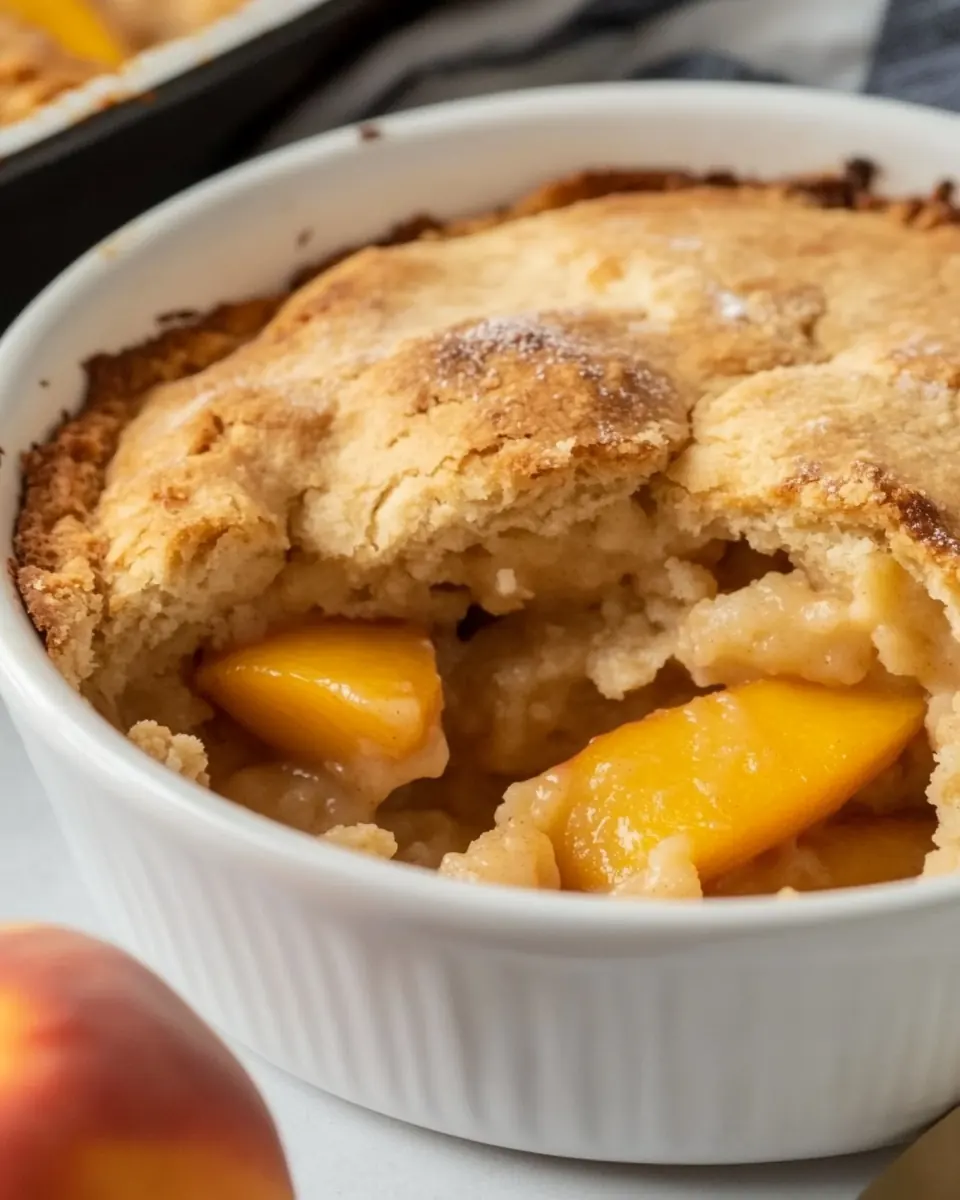
These directions are approachable and forgiving, but they include precise moments where attention pays off. I find that pacing the steps helps: par baking the filling first, then finishing with the topping means the fruit cooks evenly and the biscuit pieces brown properly. Read through each step so you know what visual and sensory cues to look for.
- Preheat the oven to 180 C/350 F. Grease a 9 x 13-inch dish and set aside.: The oven should feel warm as you step away, and the initial scent of heat primes the baking environment. Preheating ensures the dish begins cooking immediately, producing even bubbling in the filling later on. If the oven is not fully heated you may see the top brown unevenly and the filling may take longer to thicken, so wait until a thermometer or the oven indicator confirms the temperature. A common mistake is not greasing the dish well, which can cause sticking, so take a moment to coat it evenly with oil or nonstick spray and tap out any excess.
- In a mixing bowl, combine all your filling ingredients and mix until combined. Transfer to the greased dish and spread out in an even layer. Place it in the oven and par-bake it for 15 minutes.: At this point you will notice the fragrance of fresh peaches and lemon juice , bright and fruity, as they mingle with the sweetener. Par baking helps the fruit release juices and begin to thicken, avoiding a soggy topping later. Use a spoon to spread the filling evenly so every bite cooks uniformly, watching for gentle bubbling at the edges as a sign it is ready. One trap is skipping the par bake, which can leave the topping underdone or the interior overly watery, so trust the time and the visual cue of gentle bubbling.
- While the peach filling is baking, prepare the biscuit topping. In a mixing bowl, whisk together the almond flour, arrowroot powder, baking soda, and salt. Add the coconut oil, maple syrup, and milk, and whisk together until a thick dough remains.: You will feel the dry ingredients lighten as you whisk, and the aroma of almond flour and maple syrup becomes noticeable when the wet elements hit the bowl. The dough should be thick enough to hold its shape when spooned, slightly sticky but not runny, and will have a sweet, nutty scent. This mixture needs only gentle handling because overmixing can make the topping dense; stop when the ingredients are just combined. A frequent error is adding too much liquid; if the batter looks soupy, add a touch more almond flour to bring it back.
- Remove the baking dish from the oven. Drop spoonfuls of the biscuit topping onto the peaches. Place back in the oven and bake for a further 15-20 minutes, or until golden brown on top.: When you open the oven you'll be met with a rich aroma of warming fruit. Nestle dollops of topping across the filling so there are small gaps where the filling can bubble through, creating a rustic look. The oven will start to produce toasty notes as the topping browns; aim for an even golden surface with slightly darker edges. Avoid overcrowding the topping, since larger clumps may not cook through in the center. If after 20 minutes the topping is pale, you can give it a couple more minutes, watching carefully to prevent burning.
- Remove the peach cobbler from the oven and let it sit for five minutes before serving.: The resting period allows the filling to settle and thicken slightly, making it easier to scoop and enhancing the flavor as the juices cool just enough. You will notice the steam soften and the aroma mellow into a concentrated peach scent. Resist the urge to dig in immediately, as serving too hot can be messy and the texture will be looser. A common mistake is skipping this short rest and ending up with a runny serving, so give it those few minutes to set.
Helpful Notes about Healthy Peach Cobbler
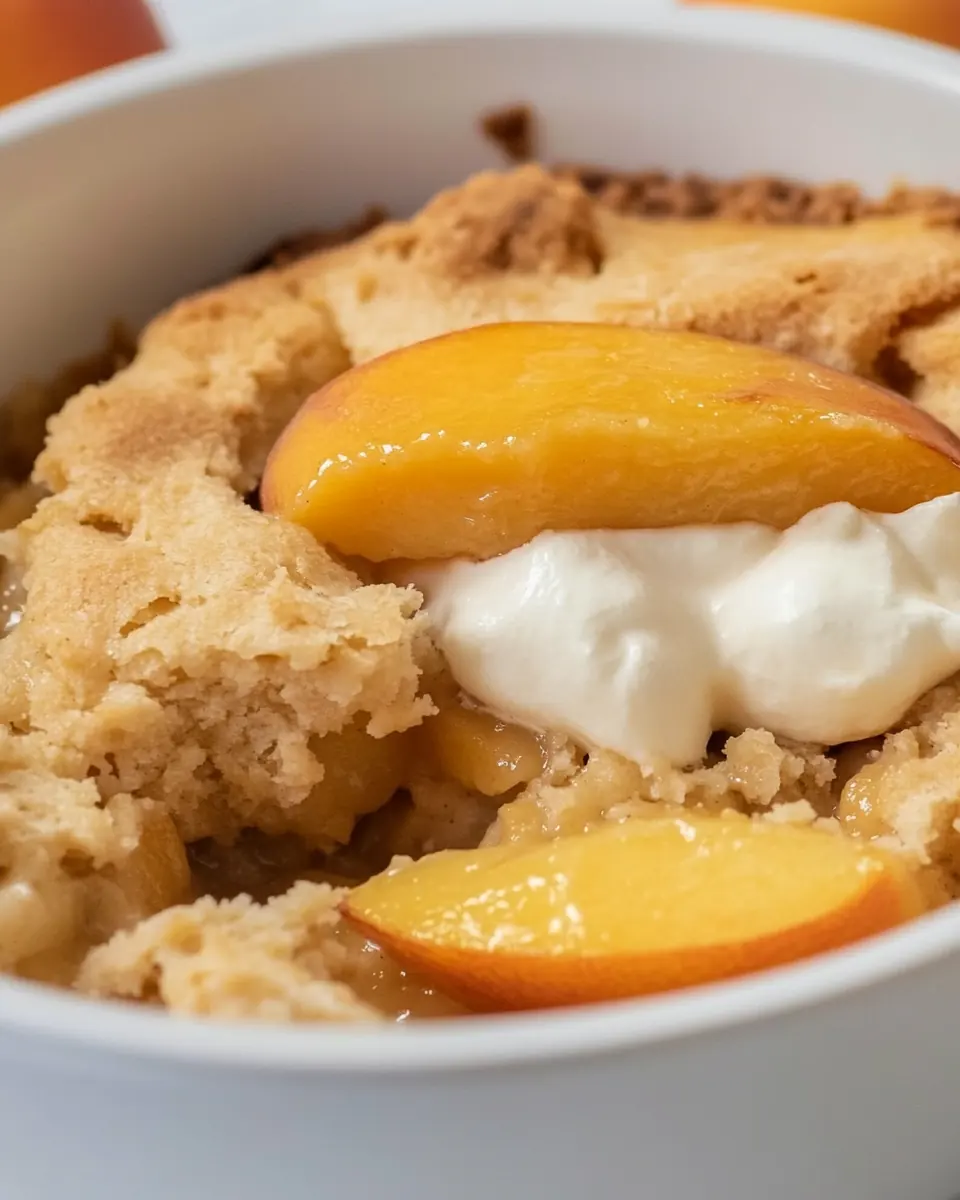
This collection expands on storage, reheating, and small technique choices that make a real difference. I wrote them to be practical and ready the moment you pull the cobbler from the oven.
- Storage: Leftovers keep well in the refrigerator for up to one week when covered in an airtight container, which helps the topping stay tender and prevents the filling from absorbing excess moisture.
- Freezing: Portion the cobbler into freezer safe containers and freeze for up to six months, label each container with the date so you rotate older batches first.
- Reheating: Reheat slices in a preheated oven at 180 C/350 F for 8 to 10 minutes to revive the topping crispness, or microwave for 30 seconds for a quick warm serving.
- Adjusting sweetness: Taste the peach filling before baking and reduce the sweetener if the fruit is very sweet, this keeps the overall profile balanced and fresh.
- Thickening: If your filling seems thin after baking, let it cool, then gently simmer in a saucepan for a few minutes to reduce and concentrate the juices before serving.
Perfect Matches for Healthy Peach Cobbler
This dessert pairs well with simple accompaniments and suits a variety of occasions. Below are serving suggestions, storage notes, and pairing ideas to help you decide how to present the cobbler.
- Classic scoop: Serve warm with a scoop of vanilla or dairy free ice cream to add a cold creamy contrast to the warm peaches, ideal for casual dinners and summer gatherings.
- Drizzle and garnish: A light drizzle of extra maple syrup or a sprinkle of toasted nuts brings texture and extra flavor, great for when you want a slightly elevated presentation at brunch.
- Occasion idea: Perfect for summer backyard parties and potlucks, this dish travels well and appeals to a wide range of tastes due to its familiar profile and lighter ingredients.
- Seasonal pairing: Serve during summer when peaches are at their peak, or use well drained canned peaches in off seasons for convenience without losing the core flavor.
- Storage tips: Cool completely before covering for refrigeration, and label freezer portions with dates to keep track for long term storage up to six months.
- Serving size: Offer moderate portions alongside coffee or tea for afternoon gatherings, as the cobbler feels indulgent but not overly heavy.
FAQ
Conclusion
This Healthy Peach Cobbler stands out for balancing bright, juicy peaches with a tender, nutty topping that feels both comforting and lighter than traditional versions. It captures the best of summer fruit while using mindful ingredient choices so you can enjoy dessert without heaviness. I hope this inspires you to bake one evening this week, whether for guests or a quiet treat at home. Give it a try and savor those warm, fruity bites that remind you of simple moments and good company.
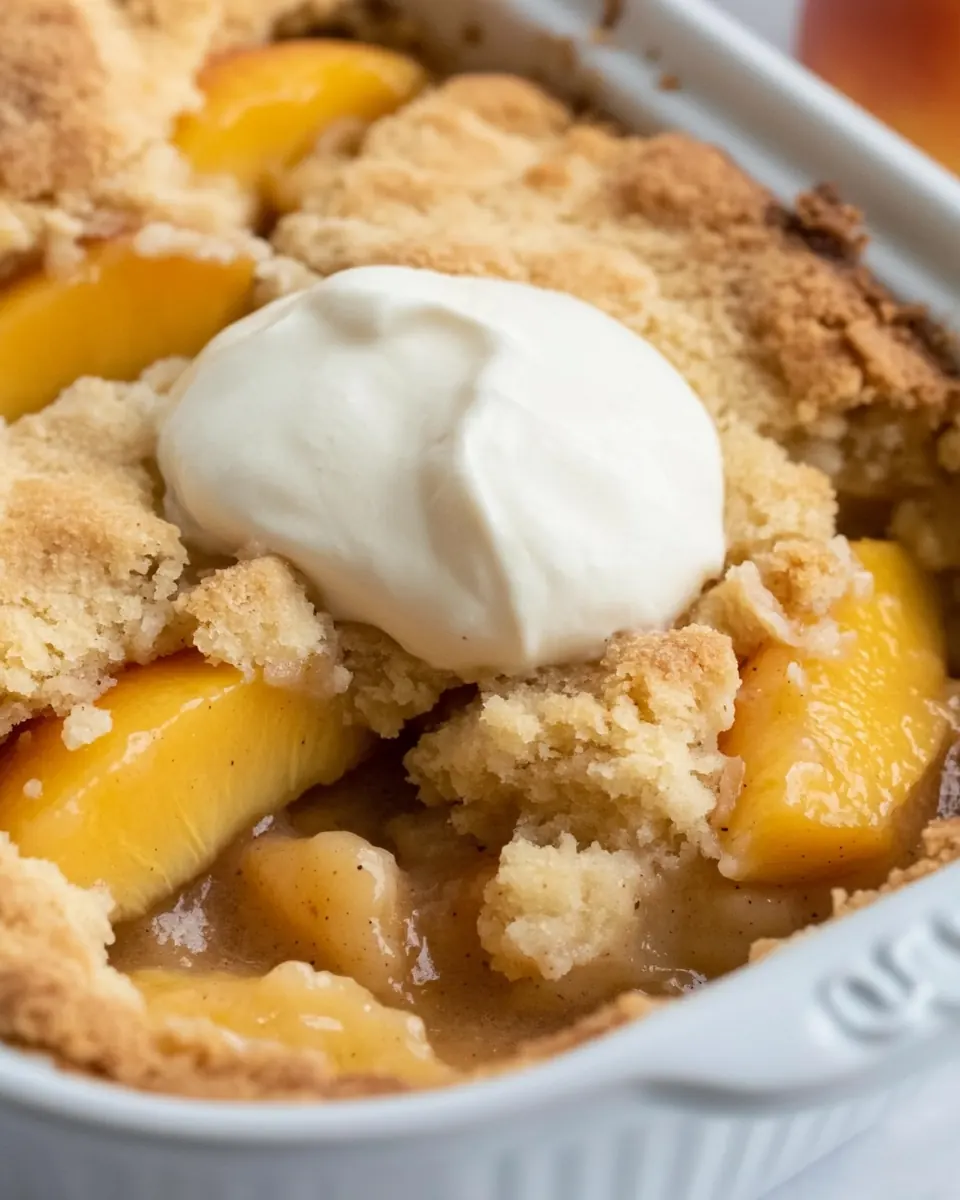
Healthy Peach Cobbler
Ingredients
Equipment
Method
- Preheat the oven to 180 C/350 F. Grease a 9 x 13-inch dish and set aside.: The oven should feel warm as you step away, and the initial scent of heat primes the baking environment. Preheating ensures the dish begins cooking immediately, producing even bubbling in the filling later on. If the oven is not fully heated you may see the top brown unevenly and the filling may take longer to thicken, so wait until a thermometer or the oven indicator confirms the temperature. A common mistake is not greasing the dish well, which can cause sticking, so take a moment to coat it evenly with oil or nonstick spray and tap out any excess.
- In a mixing bowl, combine all your filling ingredients and mix until combined. Transfer to the greased dish and spread out in an even layer. Place it in the oven and par-bake it for 15 minutes.: At this point you will notice the fragrance of fresh peaches and lemon juice , bright and fruity, as they mingle with the sweetener. Par baking helps the fruit release juices and begin to thicken, avoiding a soggy topping later. Use a spoon to spread the filling evenly so every bite cooks uniformly, watching for gentle bubbling at the edges as a sign it is ready. One trap is skipping the par bake, which can leave the topping underdone or the interior overly watery, so trust the time and the visual cue of gentle bubbling.
- While the peach filling is baking, prepare the biscuit topping. In a mixing bowl, whisk together the almond flour, arrowroot powder, baking soda, and salt. Add the coconut oil, maple syrup, and milk, and whisk together until a thick dough remains.: You will feel the dry ingredients lighten as you whisk, and the aroma of almond flour and maple syrup becomes noticeable when the wet elements hit the bowl. The dough should be thick enough to hold its shape when spooned, slightly sticky but not runny, and will have a sweet, nutty scent. This mixture needs only gentle handling because overmixing can make the topping dense; stop when the ingredients are just combined. A frequent error is adding too much liquid; if the batter looks soupy, add a touch more almond flour to bring it back.
- Remove the baking dish from the oven. Drop spoonfuls of the biscuit topping onto the peaches. Place back in the oven and bake for a further 15-20 minutes, or until golden brown on top.: When you open the oven you'll be met with a rich aroma of warming fruit. Nestle dollops of topping across the filling so there are small gaps where the filling can bubble through, creating a rustic look. The oven will start to produce toasty notes as the topping browns; aim for an even golden surface with slightly darker edges. Avoid overcrowding the topping, since larger clumps may not cook through in the center. If after 20 minutes the topping is pale, you can give it a couple more minutes, watching carefully to prevent burning.
- Remove the peach cobbler from the oven and let it sit for five minutes before serving.: The resting period allows the filling to settle and thicken slightly, making it easier to scoop and enhancing the flavor as the juices cool just enough. You will notice the steam soften and the aroma mellow into a concentrated peach scent. Resist the urge to dig in immediately, as serving too hot can be messy and the texture will be looser. A common mistake is skipping this short rest and ending up with a runny serving, so give it those few minutes to set.
Notes
- Storage: Leftovers keep well in the refrigerator for up to one week when covered in an airtight container, which helps the topping stay tender and prevents the filling from absorbing excess moisture.
- Freezing: Portion the cobbler into freezer safe containers and freeze for up to six months, label each container with the date so you rotate older batches first.
- Reheating: Reheat slices in a preheated oven at 180 C/350 F for 8 to 10 minutes to revive the topping crispness, or microwave for 30 seconds for a quick warm serving.
- Adjusting sweetness: Taste the peach filling before baking and reduce the sweetener if the fruit is very sweet, this keeps the overall profile balanced and fresh.
- Thickening: If your filling seems thin after baking, let it cool, then gently simmer in a saucepan for a few minutes to reduce and concentrate the juices before serving.