Greek Yogurt Green Goddess Dressing
Greek Yogurt Green Goddess Dressing is the kind of sauce I reach for when I want brightness and creaminess without feeling weighed down. The first time I blended a jar of herbs with thick Greek yogurt I thought I had discovered a secret shortcut to making everyday salads feel celebratory. I remember chopping parsley and basil on a sunlit counter while a neighbor’s dog barked across the street, and that small, fragrant moment sealed my love for this dressing.
Over the years I have tweaked the proportions, learning how a splash of olive oil softens the tang of lemon juice, and how extra herbs change texture as well as flavor. I often make a double batch to keep in the fridge, because it transforms raw vegetables into snacks and turns simple greens into a dish people actually ask about. There is a comfort in whisking a few staples together and getting immediate results, especially when the strains of a busy day make elaborate cooking feel impossible.
When friends come by, I serve this dressing alongside crisp crudites and storebought crackers, and it disappears fast. I love that it works equally well as a dip and a salad dressing, so I rarely have to choose. The herb mix is forgiving, so you can nudge the blend toward savory or bright depending on the occasion, and every variation tells a small story about what I had in the fridge that week.
Recipe Snapshot
10 mins
10 mins
0 mins
Easy
150 kcal
Mediterranean
Keto, Gluten-Free
Salads
Morton Kosher Salt, Extra Virgin Olive Oil, Vitamix Blender
Why Try This Greek Yogurt Green Goddess Dressing
Fresh herbal punch that still feels light
I adore how the herbs deliver a vibrant green burst without weighing the dressing down. When I taste Greek Yogurt Green Goddess Dressing straight from the blender the first note is fresh parsley and basil, followed by a mellow tang from the Greek yogurt. That contrast between verdant herbs and creamy yogurt is what keeps me coming back.
Versatility for multiple uses
I use this dressing on salads, as a dip for raw vegetables, and sometimes as a sauce for grain bowls. Because it is thick but not heavy, it clings to leaves and roots equally well. In my kitchen one jar can bridge lunch and dinner, and that kind of flexibility saves both time and headspace.
Healthy without sacrificing flavor
I love that swapping heavier mayo for Greek yogurt delivers a creamy mouthfeel while keeping calories and fat in check. The dressing still tastes indulgent, but it feels cleaner on the palate. That balance makes it an easy choice for anyone watching macronutrients or simply wanting fresher flavors.
Quick to make, easy to store
Because this recipe blends in minutes, I often whip it up while dinner heats on the stove. It stores beautifully for several days, and the flavors continue to meld, giving you an improved version after a day in the fridge. That convenience is a real win for busy weeknights and casual entertaining.
Customizable to personal taste
I appreciate how forgiving the proportions are, so you can emphasize lemon juice for brightness or add a touch more olive oil for silkiness. I enjoy nudging the herbs to suit whatever I am serving, and small adjustments always yield a satisfying result.
Shopping List for Greek Yogurt Green Goddess Dressing
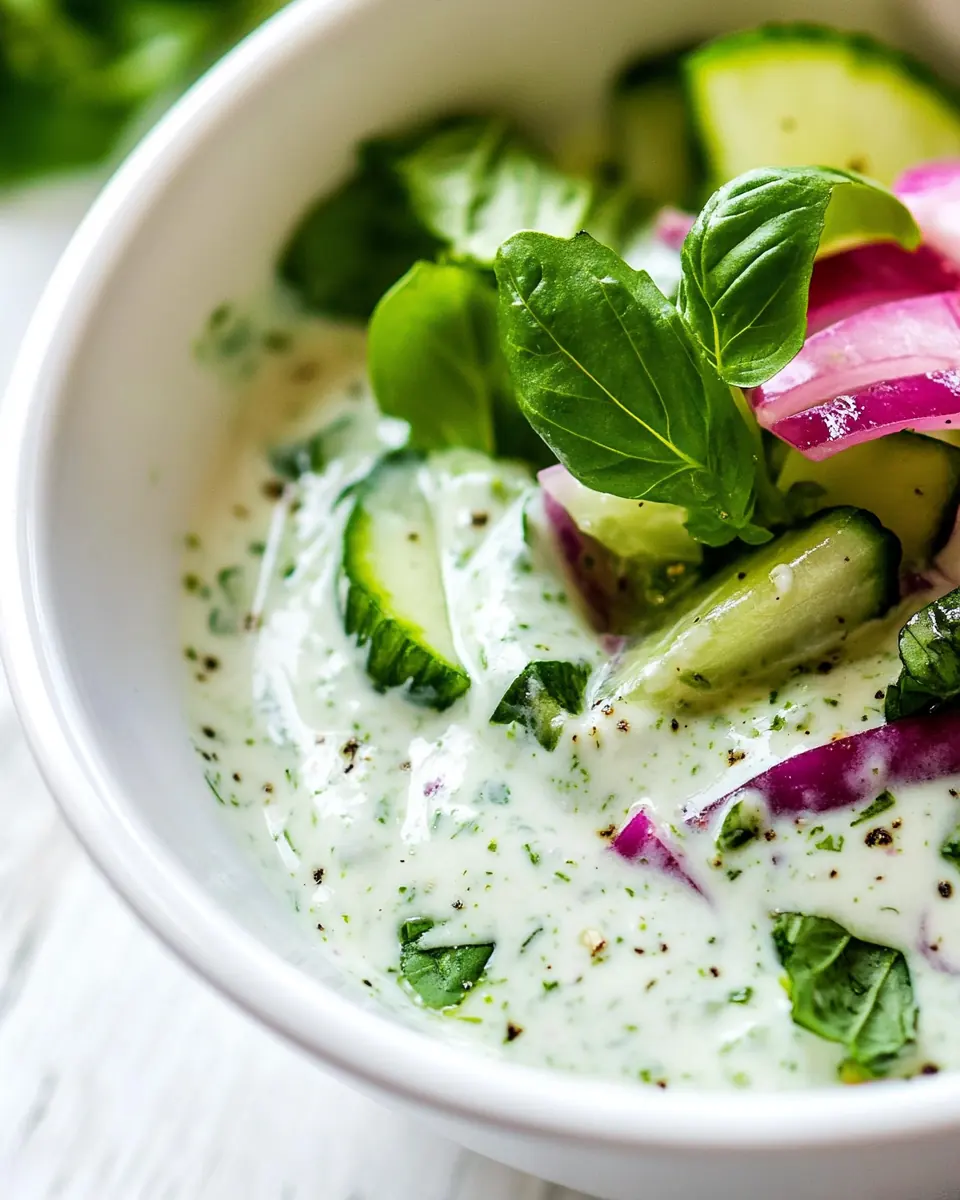
This dressing is built on a philosophy of bright, aromatic herbs meeting a creamy base. The key players are fresh herbs for vibrancy, Greek yogurt for tang and body, and lemon juice plus olive oil to harmonize the texture. Together these ingredients create a balance of herbal freshness, silky mouthfeel, and citrus lift that works on salads and as a dip.
- 3/4 cup Greek yogurt: Provides a thick, creamy base that adds tang and body to the dressing; helps create a rich mouthfeel while keeping the sauce lighter than mayonnaise. Balances the herbs and acid, and acts as the primary binder for a smooth emulsion.
- 1/2 cup packed fresh parsley: Adds a bright, herbaceous backbone with fresh, slightly peppery notes; packed parsley contributes color and vegetal freshness that lighten the dressing. Works well when finely chopped or blended to release aromatic oils and freshness.
- 1/2 cup packed fresh basil: Contributes sweet, aromatic, and mildly peppery flavors that deepen the herb profile; basil brings an olive-like freshness that complements parsley and cilantro. Helps round the dressing with soft, sweet herbal notes when pulsed or finely chopped.
- 1/4 cup packed fresh cilantro: Delivers a citrusy, slightly spicy, and fresh undertone that lifts the dressing; cilantro provides a distinctive green, slightly citrus flavor that pairs with lemon and yogurt. Use chopped leaves to distribute flavor evenly throughout the dressing.
- 1/4 cup lemon juice: Provides bright acidity and citrus aroma that balances the richness of yogurt and oil; lemon juice brightens flavors and adds a clean tang. Acts as an acid component to help emulsify and preserve the vibrant herb flavors.
- 2 tablespoons olive oil: Offers a silky mouthfeel and subtle fruity richness that helps emulsify the dressing; olive oil smooths the texture and carries fat-soluble flavors. Adds a pleasant gloss and helps bind the herbs and yogurt into a cohesive sauce.
- 2 green onions, bottoms removed: Contributes mild oniony crunch and a fresh, green allium flavor without overpowering the dressing; removing the bottoms reduces toughness and bitterness. Thinly sliced or chopped green onions distribute gentle pungency throughout the dressing.
- 2 cloves garlic: Provides sharp, savory aromatics and a pungent depth that lifts the overall flavor; garlic adds warmth and complexity when minced or crushed. Works well blended to integrate its pungency smoothly into the creamy dressing.
- Kosher salt, to taste: Season to taste to enhance and balance the overall flavor profile; kosher salt heightens herb, lemon, and yogurt notes without altering texture. Add gradually and taste frequently to avoid over-salting while achieving optimal flavor.
The Process for Making Greek Yogurt Green Goddess Dressing
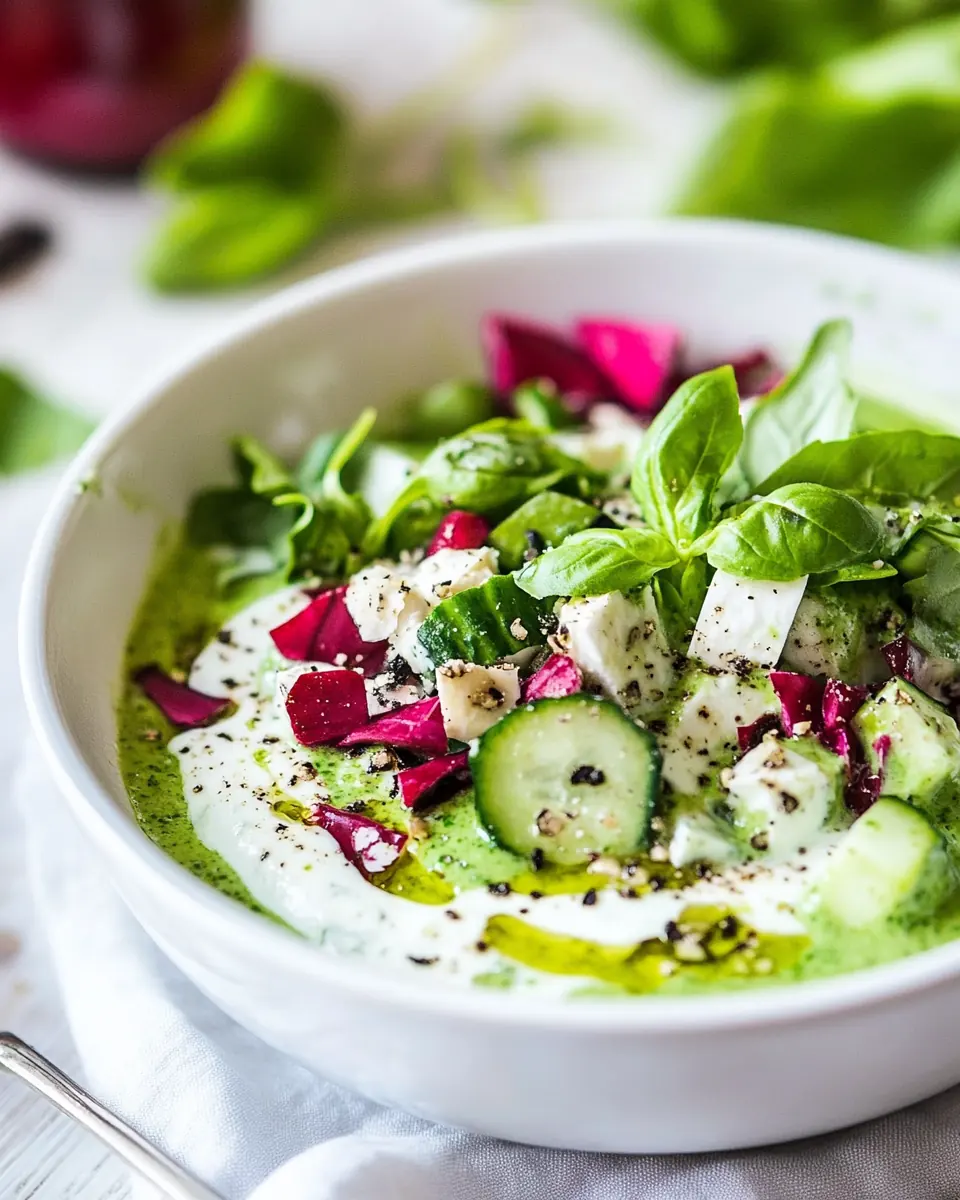
I approach this dressing as a quick, sensory-driven task that rewards attention to texture and balance. Grab a blender or food processor and arrange your herbs and Greek yogurt so you can move swiftly. Below I expand each step into detailed guidance to help you get consistent results.
- In a high powered blender or food processor add all ingredients and blend until smooth. If the dressing is too thick you can thin out with more Greek yogurt or olive oil.: The moment you start blending you will hear the herbs chop and the mixture begin to emulsify, a soft whir that tells you things are combining. The aroma will shift from raw herbs to a unified green fragrance, and visually the color will change from flecks to a vibrant, even green. This blending step is important because it breaks down herb fibers, creating a silky texture that clings to salads. A common mistake is overfilling the blender, which prevents proper circulation and yields uneven texture. If you find the motor straining, stop and scrape down the sides, then pulse to finish. Use short pulses at first to avoid overprocessing, then run continuously until smooth.
- If it’s too thin add in some more herbs to help thicken it up.: When you spoon the dressing it should coat the back of a spoon but still flow gently, and that tactile check is a reliable guide. Adding a little extra Greek yogurt will maintain creaminess and tang, while a touch of olive oil will add silk and shine. The smell will mellow slightly as you add oil, and the texture will become glossier. Avoid adding too much liquid at once, as it is easier to thin gradually than to thicken later. A typical error is over thinning, which leaves a watery dressing that slips off greens; if that happens, return to the blender and add more herbs or yogurt to restore body.
- Serve over salad or as a dip for vegetables.: Fresh herbs contain fibers that give structure, so adding extra parsley or basil increases body while enhancing the herbal profile. As you fold in more herbs and blend, you will notice the color deepen and the aroma intensify, signaling a firmer, more characterful dressing. This tweak matters because a dressing that clings to leaves gives better flavor distribution than one that pools at the bottom of the bowl. One pitfall is using wilted herbs, which can make the dressing less vibrant; always pick bright, perky leaves for the best result.
- Serve over salad or as a dip for vegetables: The final presentation affects perception, so drizzle the dressing in a ribbon across greens or spoon it into a shallow bowl for dipping; both approaches change how the dressing interacts with texture. When poured over a salad it should lightly coat each leaf without creating a soupy mess, and when used as a dip it should hold its shape on a chip or spear. The sound of crisp vegetables meeting the creamy dressing is part of the experience, and the first bite should balance herb, acid, and tang. A common serving mistake is over dressing, which can drown delicate leaves, so start with a little and add more as needed.
Helpful Notes about Greek Yogurt Green Goddess Dressing
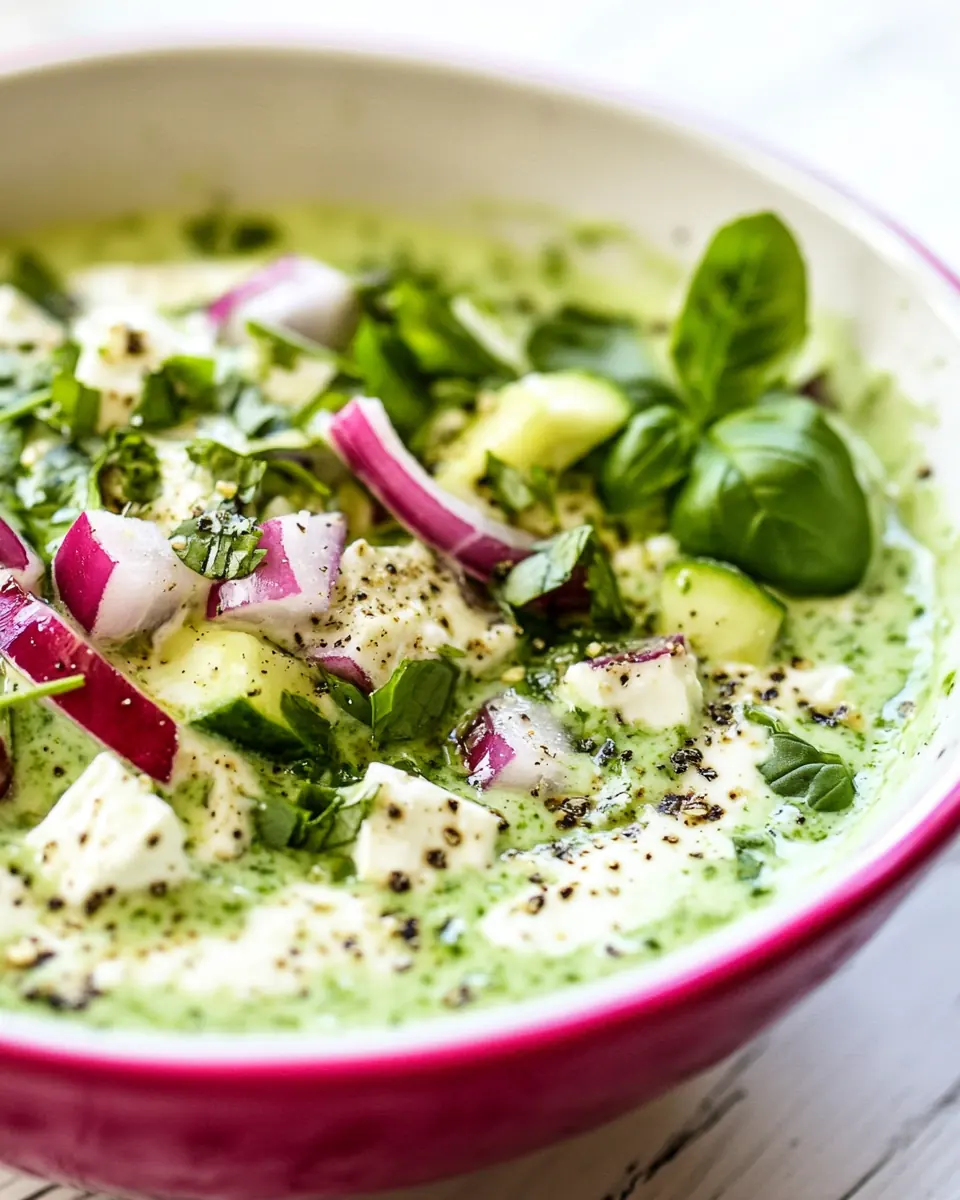
This dressing is forgiving and adaptable, so the tips below expand on texture, storage, and pairing suggestions. Each tip highlights one practical approach I use regularly to keep the dressing vibrant and reliable.
- Choose fresh herbs to keep the color vivid and the flavor bright, and avoid wilted bunches which will make the dressing dull.
- Control texture by adding extra Greek yogurt for body or a little olive oil for silkiness, adding liquids slowly until you reach the desired consistency.
- Adjust acidity with lemon juice incrementally, since brightness can change as the dressing chills and flavors meld.
- Season at the end with Kosher salt, tasting after the dressing rests so you do not over-salt early in the process.
- Store properly in a sealed jar for up to five days, and shake or whisk before each use to recombine any separation.
Side Dish Ideas for Greek Yogurt Green Goddess Dressing
This dressing pairs well with an array of sides and occasions, and it can be used to elevate simple plates into a cohesive meal. Below I outline serving ideas, seasonal pairings, and storage suggestions so you can plan menus around its bright profile.
- Salad accompaniment Serve the dressing over a mixed green salad with crisp lettuces for a quick lunch or light dinner; the creamy texture complements crunchy leaves and adds satisfying weight without heaviness.
- Vegetable dip Offer the dressing as a dip for raw vegetables like carrot sticks and cucumber slices during casual gatherings, turning simple crudites into an inviting snack platter.
- Grain bowls Drizzle over warm grain bowls to add a cooling, herbal contrast to roasted vegetables and grains, making it suitable for seasonal lunches or meal prep.
- Entertaining Use it as part of an appetizer spread for brunch or a casual dinner party, where guests can spoon it onto small plates or use it to dress finger foods; it helps make a relaxed, shareable table.
- Storage and make-ahead Prepare the dressing up to five days ahead and refrigerate in a sealed container; flavors will meld and often taste even better the next day, which is handy for busy weeks or holiday prep.
- Seasonal pairing In spring, pair the dressing with tender greens and early vegetables; in warmer months use it as a cooling counterpoint to grilled or roasted produce for contrast.
FAQ
Conclusion
This recipe stands out because it combines bright herbs with creamy Greek yogurt to make a versatile dressing that feels both fresh and indulgent. Give it a try on your next salad or use it as a dip for vegetables, and you might find it becoming a routine in your fridge. It is quick to blend, easy to tweak, and forgiving enough for last minute adjustments, so feel free to experiment with herb ratios until it fits your personal taste.
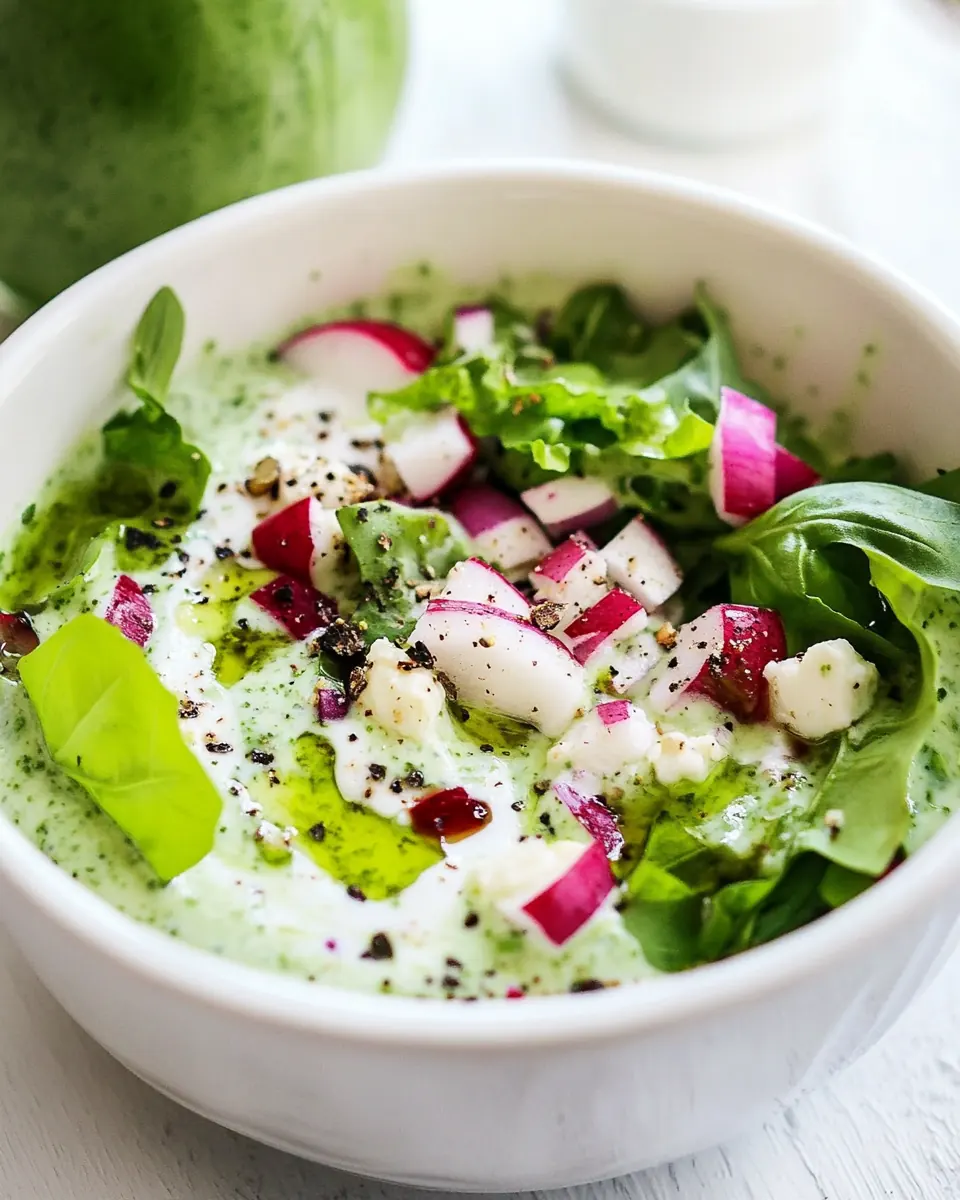
Greek Yogurt Green Goddess Dressing
Ingredients
Equipment
Method
- In a high powered blender or food processor add all ingredients and blend until smooth. If the dressing is too thick you can thin out with more Greek yogurt or olive oil.: The moment you start blending you will hear the herbs chop and the mixture begin to emulsify, a soft whir that tells you things are combining. The aroma will shift from raw herbs to a unified green fragrance, and visually the color will change from flecks to a vibrant, even green. This blending step is important because it breaks down herb fibers, creating a silky texture that clings to salads. A common mistake is overfilling the blender, which prevents proper circulation and yields uneven texture. If you find the motor straining, stop and scrape down the sides, then pulse to finish. Use short pulses at first to avoid overprocessing, then run continuously until smooth.
- If it’s too thin add in some more herbs to help thicken it up.: When you spoon the dressing it should coat the back of a spoon but still flow gently, and that tactile check is a reliable guide. Adding a little extra Greek yogurt will maintain creaminess and tang, while a touch of olive oil will add silk and shine. The smell will mellow slightly as you add oil, and the texture will become glossier. Avoid adding too much liquid at once, as it is easier to thin gradually than to thicken later. A typical error is over thinning, which leaves a watery dressing that slips off greens; if that happens, return to the blender and add more herbs or yogurt to restore body.
- Serve over salad or as a dip for vegetables.: Fresh herbs contain fibers that give structure, so adding extra parsley or basil increases body while enhancing the herbal profile. As you fold in more herbs and blend, you will notice the color deepen and the aroma intensify, signaling a firmer, more characterful dressing. This tweak matters because a dressing that clings to leaves gives better flavor distribution than one that pools at the bottom of the bowl. One pitfall is using wilted herbs, which can make the dressing less vibrant; always pick bright, perky leaves for the best result.
- Serve over salad or as a dip for vegetables: The final presentation affects perception, so drizzle the dressing in a ribbon across greens or spoon it into a shallow bowl for dipping; both approaches change how the dressing interacts with texture. When poured over a salad it should lightly coat each leaf without creating a soupy mess, and when used as a dip it should hold its shape on a chip or spear. The sound of crisp vegetables meeting the creamy dressing is part of the experience, and the first bite should balance herb, acid, and tang. A common serving mistake is over dressing, which can drown delicate leaves, so start with a little and add more as needed.
Notes
- Choose fresh herbs to keep the color vivid and the flavor bright, and avoid wilted bunches which will make the dressing dull.
- Control texture by adding extra Greek yogurt for body or a little olive oil for silkiness, adding liquids slowly until you reach the desired consistency.
- Adjust acidity with lemon juice incrementally, since brightness can change as the dressing chills and flavors meld.
- Season at the end with Kosher salt, tasting after the dressing rests so you do not over-salt early in the process.
- Store properly in a sealed jar for up to five days, and shake or whisk before each use to recombine any separation.