Honey Salted Caramels
Honey Salted Caramels are the kind of candy I reach for when I want something comforting and a little bit sophisticated all at once. I remember the first time I made a batch, standing at the stove while the kitchen filled with a warm, floral scent as the honey melted into the bubbling mixture, and thinking that candy making could feel as soothing as baking. That moment sticks with me because it taught me that simple ingredients, treated with patience, can create something that feels luxurious.
Over the years I have adjusted timing and tiny techniques, and every change taught me more about heat, texture, and the way salt can lift sweetness. When friends come by I often offer a piece wrapped in wax paper, and watching their faces when they bite into the chewy center and taste the hint of sea salt is one of my small joys. Making Honey Salted Caramels has become a ritual for slow afternoons and gift boxes around the holidays, even though they are welcome any time.
Recipe Snapshot
1 hr 10 mins
30 mins
40 mins
Medium
120 kcal
American
Gluten-Free, Low FODMAP
Desserts
Candy Thermometer, 3 quart pot, Whisk, 8×8 or 9×9 baking pan, Parchment paper
Why This Honey Salted Caramels Hits Different
Why the flavor sings
I love how honey gives these caramels a floral, rounded sweetness that is more complex than plain sugar alone. The nuance of honey creates a background note that makes each bite interesting, not cloying.
Why the texture works
The combination of heavy cream, butter, and the controlled boil gives a lush, chewy texture that yields just the right amount when you bite. I like caramels that are pliable and dense, not crunchy or brittle, and this balance does that reliably.
Why salt matters
A light sprinkle of salt at the end cuts through the sweetness and makes the honey notes pop. I always say a little salt turns good into memorable, and these caramels are a perfect case.
Why this recipe is approachable
Even if you are wary of candy making, the method here is forgiving. With a candy thermometer and a calm approach you can hit the right temperature and be rewarded. I find success comes from patience more than tiny technical tricks.
Why they make great gifts
The finished pieces wrap beautifully and keep well refrigerated, so they travel and package easily. I love gifting them because they feel handcrafted and special without demanding hours of decoration or complicated steps.
Main Ingredients for Honey Salted Caramels
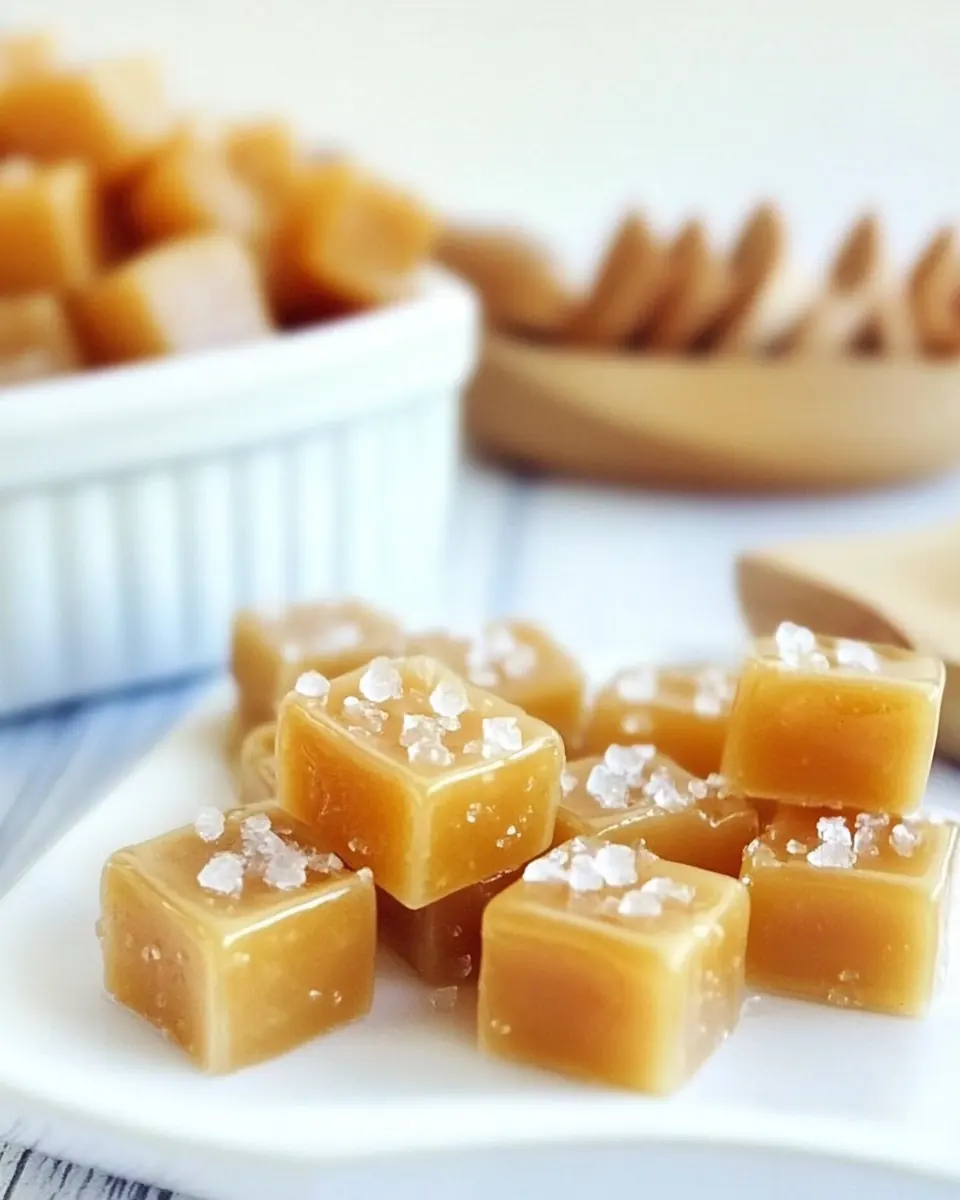
The philosophy behind these ingredients is simple trust in quality and balance. Each element plays a clear role: the butter and heavy cream build creaminess and body, the honey brings floral sweetness, brown sugar adds depth and color, and a touch of vanilla extract and salt round and lift the flavor. Together they create a caramel that is rich, chewy, and layered rather than one dimensional.
- 1/2 cup butter: Creamy and rich, provides a smooth fat base that helps create a tender, melt-in-your-mouth caramel texture when melted and combined with sugars.
- 1 cup honey: Sweet and floral, contributes primary sweetness while lending a distinct honey flavor and subtle complexity to balance the caramelized notes.
- 1 cup heavy cream: Velvety and high-fat, adds creaminess and body to the caramel, preventing crystallization and creating a luscious, silky mouthfeel.
- 1/2 cup brown sugar: Deep and molasses-forward, supplies additional sweetness and depth, assisting with caramelization and contributing to the final color and flavor complexity.
- 1/2 tsp vanilla extract: Fragrant and sweet, enhances overall flavor by adding a warm vanilla note that rounds out the sweetness and complements the caramel profile.
- 1/2 tsp salt: Salty and mineral-rich, balances sweetness and intensifies flavor while moderating sweetness and enhancing the caramel's overall taste profile.
How to Make Honey Salted Caramels
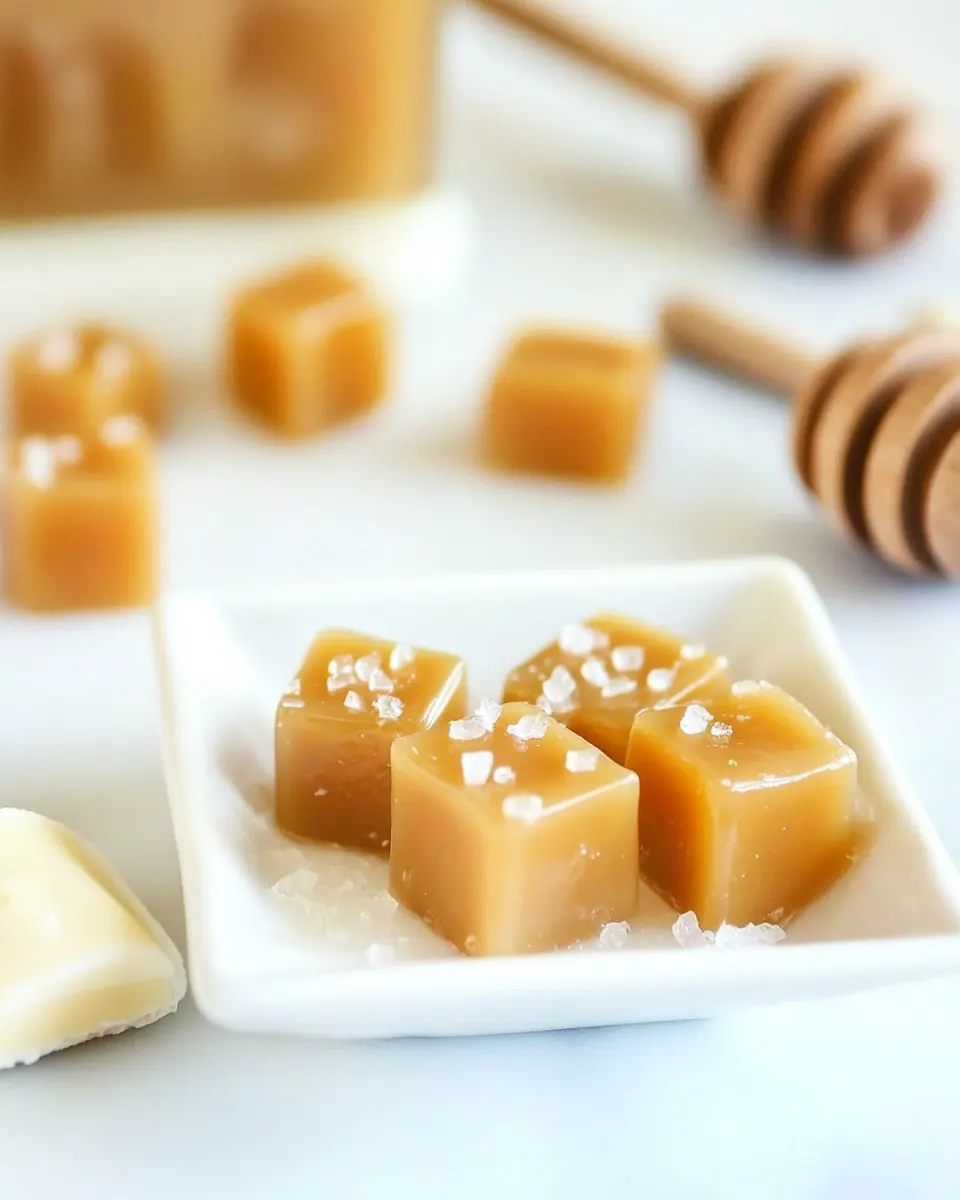
These steps reward patience and attention, and I find the process meditative when you let it be. Gather your gear and ingredients, and keep a steady eye on temperature; the candy thermometer is your best friend. Read each step before you start so you know the sensory cues and what to watch for.
- Be sure to have all ingredients measured and ready to go before starting.: The moment the mixture begins to heat you will not want to search for missing items, so mise en place prevents rushed mistakes. You will notice the kitchen filling with a sweet aroma as everything warms, and working with everything measured makes the process calm. Why this matters, I have learned, is that consistent additions and timing help reach the correct texture. A common mistake is misreading measurements under pressure, which can throw off sugar balance and firmness. To avoid that, line up your butter , honey , heavy cream , and brown sugar in the order they will be used.
- Line an 8 x 8 or 9 x 9 baking pan with parchment paper, so that it comes up 1 inch on all sides. Lightly spray with PAM Cooking Spray. Set aside.: Preparing the pan early ensures you can move quickly when the caramel is ready, and the parchment makes lifting and cutting effortless later. You will notice the parchment creates crisp edges and a clean release once chilled. This step preserves texture and shape, and avoids scraping hot caramel into an unlined pan. A common slip is not letting the parchment overhang enough, which makes removal tricky, so be generous with the paper.
- Spray a 3 quart size pot with PAM Cooking Spray, add the butter and melt over MEDIUM-HIGH heat.: The initial melting sets the tone for the emulsion, and the pot should be roomy enough to allow some bubbling without overflowing. As the butter melts it will foam slightly and soften, and that foam helps integrate with the sugars. The sound is a gentle hiss that tells you the pan is hot but not scorching. One frequent error is using too small a pot, which causes boil overs; choose a pot with tall sides.
- Add the honey, cream and brown sugar. Stir gently with a whisk. Reduce heat to JUST ABOVE MEDIUM.: When these come together you will see the mixture take on a cohesive, glossy appearance, and the whisking helps dissolve granules into a unified syrup. The aroma will grow richer, showing the sugars are integrating. Gentle stirring prevents graininess, but vigorous stirring can create air pockets, leading to uneven texture. Avoid adding cold ingredients in a way that shocks the hot mixture, which can cause sputtering.
- Attach your candy thermometer to the side of your pot, making sure that it does not touch the bottom of the pan.: Proper thermometer placement ensures accurate readings and prevents false high temps from bottom contact. You will see bubbles form and rise steadily, and the thermometer should sit in the boiling liquid, not resting on the metal. If it touches the bottom you risk overheating and burning. A common oversight is not securing the thermometer, which can shift; clamp or steady it so the bulb stays submerged.
- Once the mixture starts to boil, reduce the heat to JUST BELOW MEDIUM, and let it simmer there for 30-40 minutes until it reaches 250 degrees F.: During this long simmer the mixture will transition from syrupy to thicker and more amber in color, releasing deep, toasty aromas. You will hear a steady simmer and see smaller, rapid bubbles that tell you the water is evaporating and sugars are concentrating. This is where patience pays off, because rushing or turning the heat too high can push it past the ideal temperature and create brittle candy. A typical mistake is peeking or stirring too often, which can disturb even heating; leave it mostly to its own rhythm and monitor the thermometer.
- Remove from heat, add the vanilla and use the candy thermometer to gently stir it in. Carefully pour the caramel into the prepared pan. Let cool until room temperature and then sprinkle with the sea salt.: Off the heat, the strong scent of vanilla extract will bloom and soften the caramel notes. Stirring now incorporates flavor without evaporating delicate aromas. You will notice the texture becoming silkier as the temperature drops slightly, and the glossy sheen is a good sign. Be careful adding any volatile flavorings on high heat because their aromatics dissipate quickly. One pitfall is vigorous stirring that cools the mixture too fast, causing premature thickening; a few gentle stirs is enough.
- Place in fridge and let chill for at least 3 hours before lifting parchment out of pan and cutting into small pieces. Wrap pieces in wax paper and store in fridge. Enjoy!: Pouring fills the pan with a warm, amber pool that will gradually firm. As it cools the surface will lose some of its sheen and become tacky to the touch. The sprinkling of salt at room temperature allows the crystals to stay distinct and provide textural contrast. A common mistake is adding salt while the caramel is too hot, which dissolves the crystals and mutes the intended contrast, so wait until it is cooled to room temperature.
- Place in fridge and let chill for at least 3 hours before lifting parchment out of pan and cutting into small pieces. Wrap pieces in wax paper and store in fridge. Enjoy!: Chilling sets the chew and makes slicing precise, and when you lift the parchment you will find clean edges and a uniform set. The first cut often releases a faint sweet steam and a concentrated honey aroma. Wrapping each piece keeps them from sticking and preserves texture in the fridge. Avoid cutting too early, as under set caramels will deform; if that happens, chill a bit longer rather than forcing clean cuts.
Helpful Notes about Honey Salted Caramels
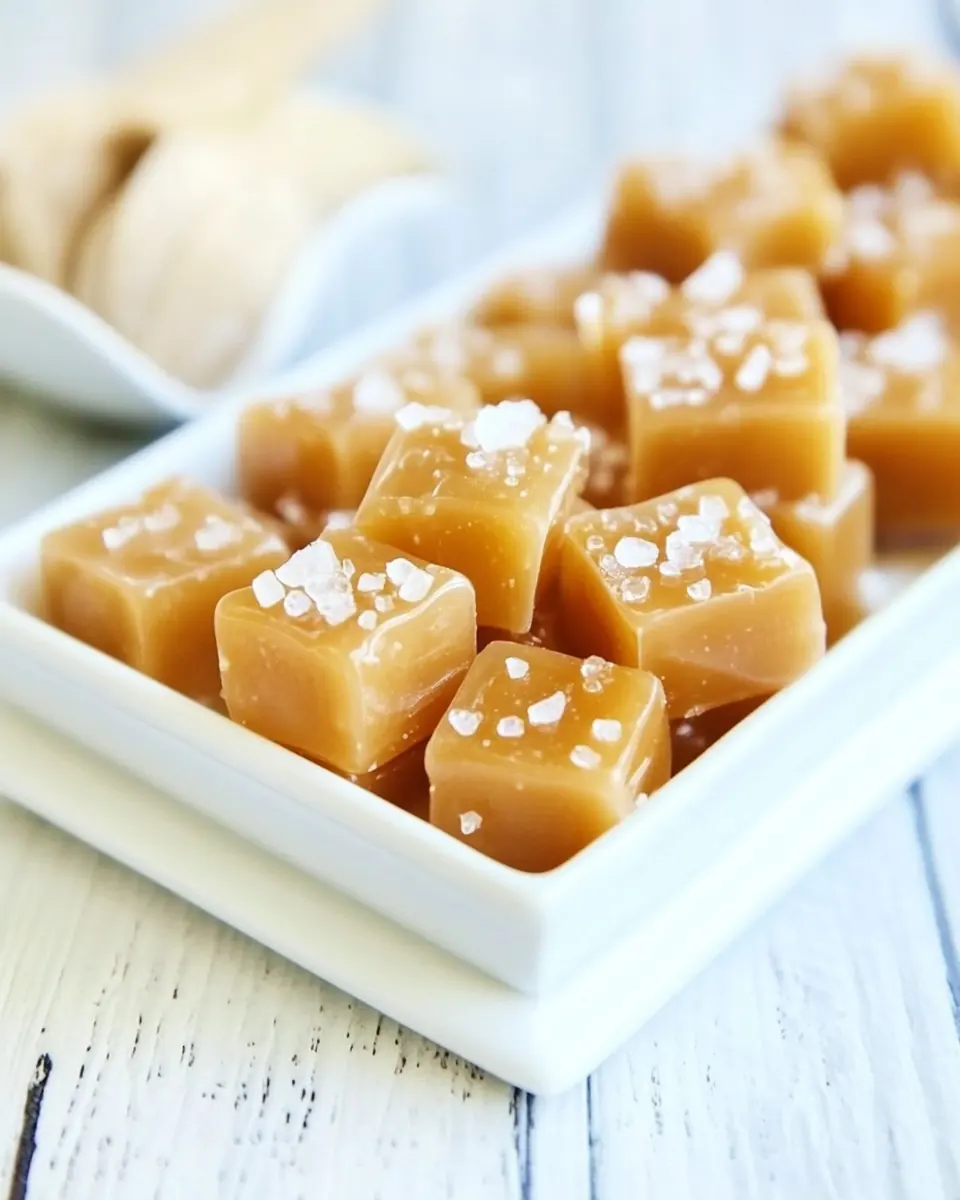
These notes reflect what I have learned testing batches. I write them to save you time and to help you avoid the little pitfalls I encountered. Each tip highlights a small habit that yields consistent results and better texture.
- Prep tools first: Have your pan lined and your thermometer attached before you start heating, so there is no scrambling when the caramel reaches temperature.
- Use room temperature cream: Bringing heavy cream closer to room temperature prevents violent boiling and helps the mixture come together smoothly.
- Coat measuring cups: Spray the inside of the measuring cup with cooking spray before measuring honey so it slips out easily and nothing is wasted.
- Monitor color and smell: Look for an amber hue and a toasted, sweet aroma to know you are close to the right stage rather than relying only on time.
- Wrap individually: Cut and wrap caramels in wax paper to keep them from sticking together and to make gifting simple and tidy.
What Complements This Honey Salted Caramels
Caramels are versatile for gifting, pairing, and serving. Here I offer serving ideas, occasions, and storage pointers so you can present them beautifully and keep them fresh. Think small boxes, simple labels, and occasions where a sweet, handcrafted treat feels right.
- Gift boxes: Pack Honey Salted Caramels in small kraft boxes with tissue for birthdays, hostess gifts, or thank yous.
- Holiday favors: These caramels work well for holiday gatherings because they store in the fridge and travel; include a label that says to refrigerate.
- Table treats: Place a few pieces on a dessert platter for dinner parties, letting guests enjoy them after a rich meal to balance flavors.
- Storage tips: Store wrapped caramels in an airtight container in the fridge for best texture, and allow them to come to near room temperature before serving so they are chewy, not hard.
- Seasonal pairing: In colder months these rich caramels pair well with warm beverages, while in warmer seasons they make a lovely boxed gift for picnics if kept chilled until serving.
- Occasion ideas: Use them for wedding favors, corporate gifts, or simple tokens of appreciation, because they are compact, luxurious, and easy to present.
FAQ
Conclusion
These Honey Salted Caramels stand out for their floral honey notes, creamy texture, and that bright finishing salt that pulls everything together. They are approachable to make, gratifying to wrap and gift, and reliably delicious when you follow a steady, patient technique. Give them a try next time you want a homemade confection that feels both simple and special, and enjoy the little ritual of stirring and waiting as part of the reward.
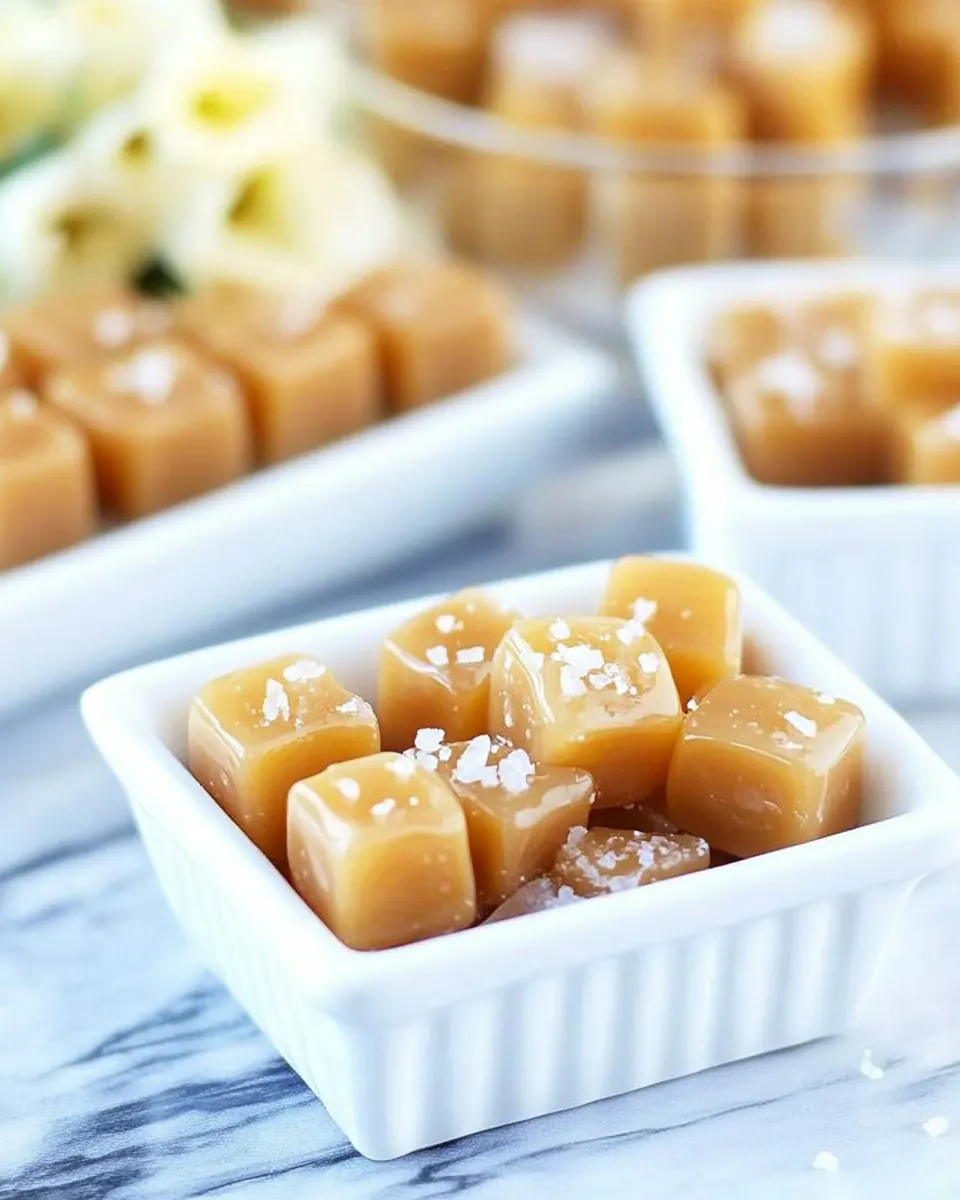
Honey Salted Caramels
Ingredients
Equipment
Method
- Be sure to have all ingredients measured and ready to go before starting.: The moment the mixture begins to heat you will not want to search for missing items, so mise en place prevents rushed mistakes. You will notice the kitchen filling with a sweet aroma as everything warms, and working with everything measured makes the process calm. Why this matters, I have learned, is that consistent additions and timing help reach the correct texture. A common mistake is misreading measurements under pressure, which can throw off sugar balance and firmness. To avoid that, line up your butter , honey , heavy cream , and brown sugar in the order they will be used.
- Line an 8 x 8 or 9 x 9 baking pan with parchment paper, so that it comes up 1 inch on all sides. Lightly spray with PAM Cooking Spray. Set aside.: Preparing the pan early ensures you can move quickly when the caramel is ready, and the parchment makes lifting and cutting effortless later. You will notice the parchment creates crisp edges and a clean release once chilled. This step preserves texture and shape, and avoids scraping hot caramel into an unlined pan. A common slip is not letting the parchment overhang enough, which makes removal tricky, so be generous with the paper.
- Spray a 3 quart size pot with PAM Cooking Spray, add the butter and melt over MEDIUM-HIGH heat.: The initial melting sets the tone for the emulsion, and the pot should be roomy enough to allow some bubbling without overflowing. As the butter melts it will foam slightly and soften, and that foam helps integrate with the sugars. The sound is a gentle hiss that tells you the pan is hot but not scorching. One frequent error is using too small a pot, which causes boil overs; choose a pot with tall sides.
- Add the honey, cream and brown sugar. Stir gently with a whisk. Reduce heat to JUST ABOVE MEDIUM.: When these come together you will see the mixture take on a cohesive, glossy appearance, and the whisking helps dissolve granules into a unified syrup. The aroma will grow richer, showing the sugars are integrating. Gentle stirring prevents graininess, but vigorous stirring can create air pockets, leading to uneven texture. Avoid adding cold ingredients in a way that shocks the hot mixture, which can cause sputtering.
- Attach your candy thermometer to the side of your pot, making sure that it does not touch the bottom of the pan.: Proper thermometer placement ensures accurate readings and prevents false high temps from bottom contact. You will see bubbles form and rise steadily, and the thermometer should sit in the boiling liquid, not resting on the metal. If it touches the bottom you risk overheating and burning. A common oversight is not securing the thermometer, which can shift; clamp or steady it so the bulb stays submerged.
- Once the mixture starts to boil, reduce the heat to JUST BELOW MEDIUM, and let it simmer there for 30-40 minutes until it reaches 250 degrees F.: During this long simmer the mixture will transition from syrupy to thicker and more amber in color, releasing deep, toasty aromas. You will hear a steady simmer and see smaller, rapid bubbles that tell you the water is evaporating and sugars are concentrating. This is where patience pays off, because rushing or turning the heat too high can push it past the ideal temperature and create brittle candy. A typical mistake is peeking or stirring too often, which can disturb even heating; leave it mostly to its own rhythm and monitor the thermometer.
- Remove from heat, add the vanilla and use the candy thermometer to gently stir it in. Carefully pour the caramel into the prepared pan. Let cool until room temperature and then sprinkle with the sea salt.: Off the heat, the strong scent of vanilla extract will bloom and soften the caramel notes. Stirring now incorporates flavor without evaporating delicate aromas. You will notice the texture becoming silkier as the temperature drops slightly, and the glossy sheen is a good sign. Be careful adding any volatile flavorings on high heat because their aromatics dissipate quickly. One pitfall is vigorous stirring that cools the mixture too fast, causing premature thickening; a few gentle stirs is enough.
- Place in fridge and let chill for at least 3 hours before lifting parchment out of pan and cutting into small pieces. Wrap pieces in wax paper and store in fridge. Enjoy!: Pouring fills the pan with a warm, amber pool that will gradually firm. As it cools the surface will lose some of its sheen and become tacky to the touch. The sprinkling of salt at room temperature allows the crystals to stay distinct and provide textural contrast. A common mistake is adding salt while the caramel is too hot, which dissolves the crystals and mutes the intended contrast, so wait until it is cooled to room temperature.
- Place in fridge and let chill for at least 3 hours before lifting parchment out of pan and cutting into small pieces. Wrap pieces in wax paper and store in fridge. Enjoy!: Chilling sets the chew and makes slicing precise, and when you lift the parchment you will find clean edges and a uniform set. The first cut often releases a faint sweet steam and a concentrated honey aroma. Wrapping each piece keeps them from sticking and preserves texture in the fridge. Avoid cutting too early, as under set caramels will deform; if that happens, chill a bit longer rather than forcing clean cuts.
Notes
- Prep tools first: Have your pan lined and your thermometer attached before you start heating, so there is no scrambling when the caramel reaches temperature.
- Use room temperature cream: Bringing heavy cream closer to room temperature prevents violent boiling and helps the mixture come together smoothly.
- Coat measuring cups: Spray the inside of the measuring cup with cooking spray before measuring honey so it slips out easily and nothing is wasted.
- Monitor color and smell: Look for an amber hue and a toasted, sweet aroma to know you are close to the right stage rather than relying only on time.
- Wrap individually: Cut and wrap caramels in wax paper to keep them from sticking together and to make gifting simple and tidy.