Homemade Basil Pesto
Homemade Basil Pesto has been my shortcut to brightening many weeknight meals and weekend gatherings, and the first time I made it I remember how the kitchen filled with that fresh, green aroma that instantly lifted my mood.
I grew up watching a neighbor crush herbs by hand, and over the years I learned to respect the simplicity of a few excellent ingredients. When I spoon a bit of Homemade Basil Pesto over pasta or swirl it into a bowl of warm beans, I feel connected to that simple, hands on food memory. I like to make a double batch when basil is abundant, and share jars with friends who text back pictures of their meals. There is a calm, almost ritual quality to rinsing the leaves and toasting the nuts just until fragrant. In my kitchen this sauce is never rigid, it bends to what’s in the pantry and to the moment.
What I love most is how versatile Homemade Basil Pesto is. You can keep it ultra classic with pine nuts and parmesan, or nudge it toward something more rustic by swapping nuts or greens. Every time I lift the lid of the food processor, the scent of basil and garlic jumps out, and that first taste is worth the tiny amount of effort. This recipe has saved rushed dinners, lifted grilled vegetables, and turned plain sandwiches into something memorable. It’s a small jar of concentrated summer, and once you try making it at home, you’ll see why I keep coming back to it.
Recipe Snapshot
16 mins
15 mins
1 mins
Easy
120 kcal
Italian
Keto, Gluten-Free
Appetizers
Food processor
What Makes This Homemade Basil Pesto Special
Bright, fresh flavor that punches above its weight
I find the biggest reason to love Homemade Basil Pesto is the immediate hit of herbaceous flavor. When I spoon it onto warm pasta the basil shines, the garlic provides a savory backbone, and the extra virgin olive oil carries everything so the mouthfeel is luxurious. It tastes far fresher and more vibrant than jarred versions, and that fresh quality makes simple meals feel special.
Speed without sacrificing depth
We can make this in under 20 minutes, and yet the results feel layered. Toasting the pine nuts briefly unlocks rich, toasty notes that deepen the sauce. I appreciate recipes where a few smart techniques create complexity, and this one does exactly that with minimal fuss.
Flexible and forgiving
I often switch nuts or leafy greens based on what I have. The structure of Homemade Basil Pesto tolerates swaps while still delivering great texture and flavor. That adaptability is why I reach for it so often when I want to personalize a meal for guests or for picky eaters.
Concentrated, multiuse condiment
One jar stretches a long way. I use it stirred into pasta, spread on sandwiches, folded into salads, or dolloped onto roasted vegetables. It acts as a flavor multiplier, and I love that a small amount transforms a dish.
Preservable and shareable
When basil is in season I make extra because it stores beautifully. A thin film of extra virgin olive oil keeps it green in the fridge, or you can freeze portions for later. I always bring containers to friends, because it’s a simple, personal gift that shows I care.
Ingredients Required for Homemade Basil Pesto
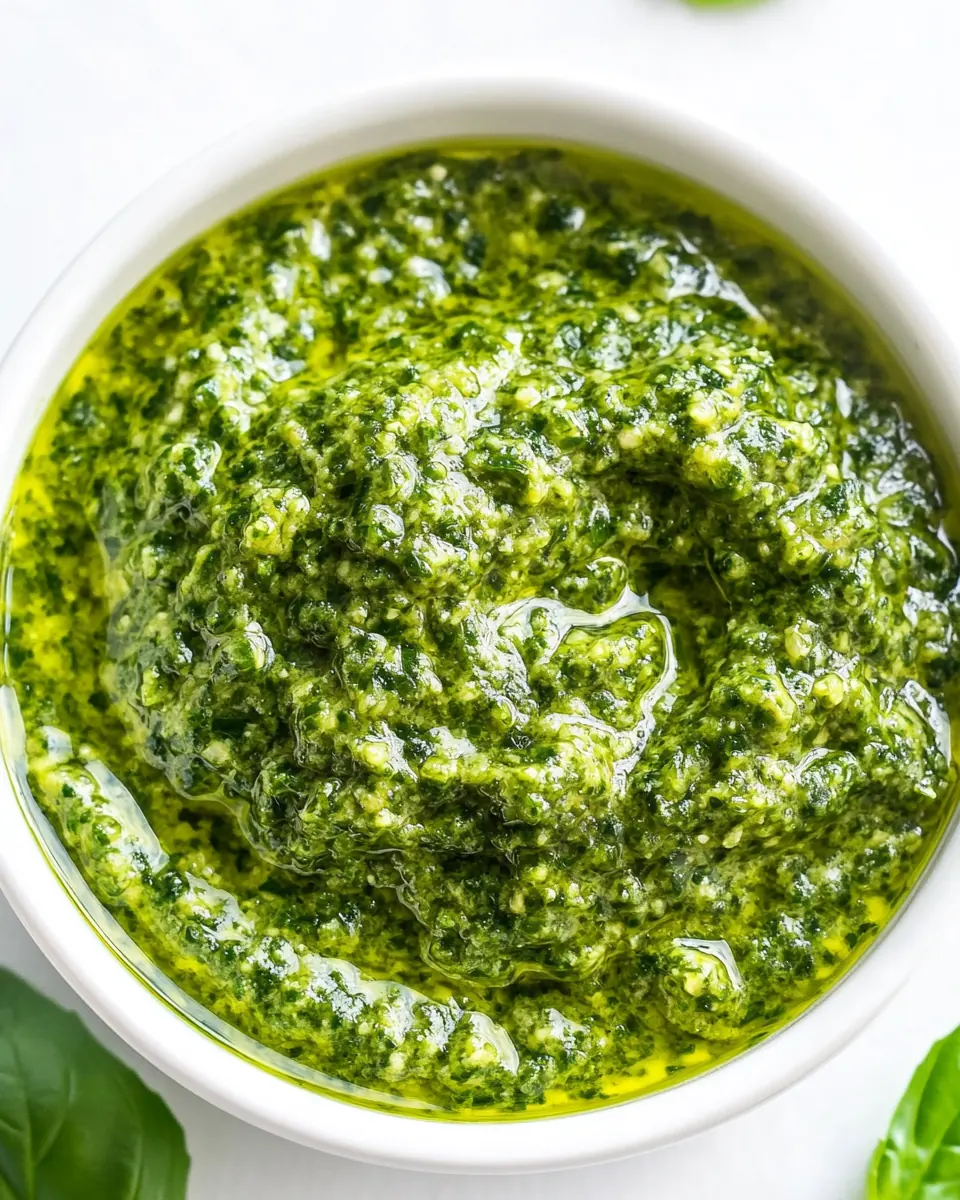
These ingredients are the essence of classic pesto, each playing a distinct role. The basil provides fresh, herbal brightness, the pine nuts add creaminess and toasted depth, and the parmesan cheese contributes savory umami and a slightly granular texture. Garlic gives a sharp edge, while extra virgin olive oil binds everything into a silky emulsion. Salt and black pepper balance and season so the flavors sing together.
- 2 cups fresh basil leaves just the leaves, no stems: Provide bright, aromatic flavor and a fresh herbal backbone to the pesto; bruise the leaves gently to release oils and add them near the end of processing to preserve color. Balance the basil with other ingredients so the sauce tastes lively without becoming overly herbaceous.
- 1/4 cup pine nuts: Add a creamy, nutty richness and provide body to the sauce; toast lightly if desired to deepen flavor, then pulse with the basil and garlic for texture. Pine nuts also help emulsify the oil and cheese for a smooth, cohesive pesto.
- 1 clove garlic: Contribute pungent, savory bite and aromatic depth; mince or crush the clove finely before combining to distribute its flavor evenly throughout the pesto. Adjust quantity cautiously to avoid overpowering the basil and cheese.
- 1/2 cup freshly grated parmesan cheese: Introduce salty, umami-rich creaminess and help thicken the sauce; grate freshly for best melting and flavor integration as you blend it with the nuts and oil. Parmesan also enhances savory complexity and balances the herbaceous notes.
- 1/4 teaspoon ground black pepper: Provide subtle warming spice and mild sharpness to round out flavors; add sparingly and taste as you mix to keep the pepper from dominating the delicate basil. Even a small amount brightens the overall profile.
- 1/2 teaspoon salt: Supply essential seasoning and enhance savory balance; dissolve salt into the mixture while blending to bring forward the basil and cheese flavors. Start with the listed amount and adjust to taste depending on the saltiness of the cheese.
- 1/2 cup extra-virgin olive oil: Offer richness and act as the liquid medium to create a smooth, cohesive emulsion; stream in slowly while blending to achieve the desired pesto consistency. Use good-quality extra–virgin olive oil for fruity complexity and mouthfeel.
How to Cook Homemade Basil Pesto
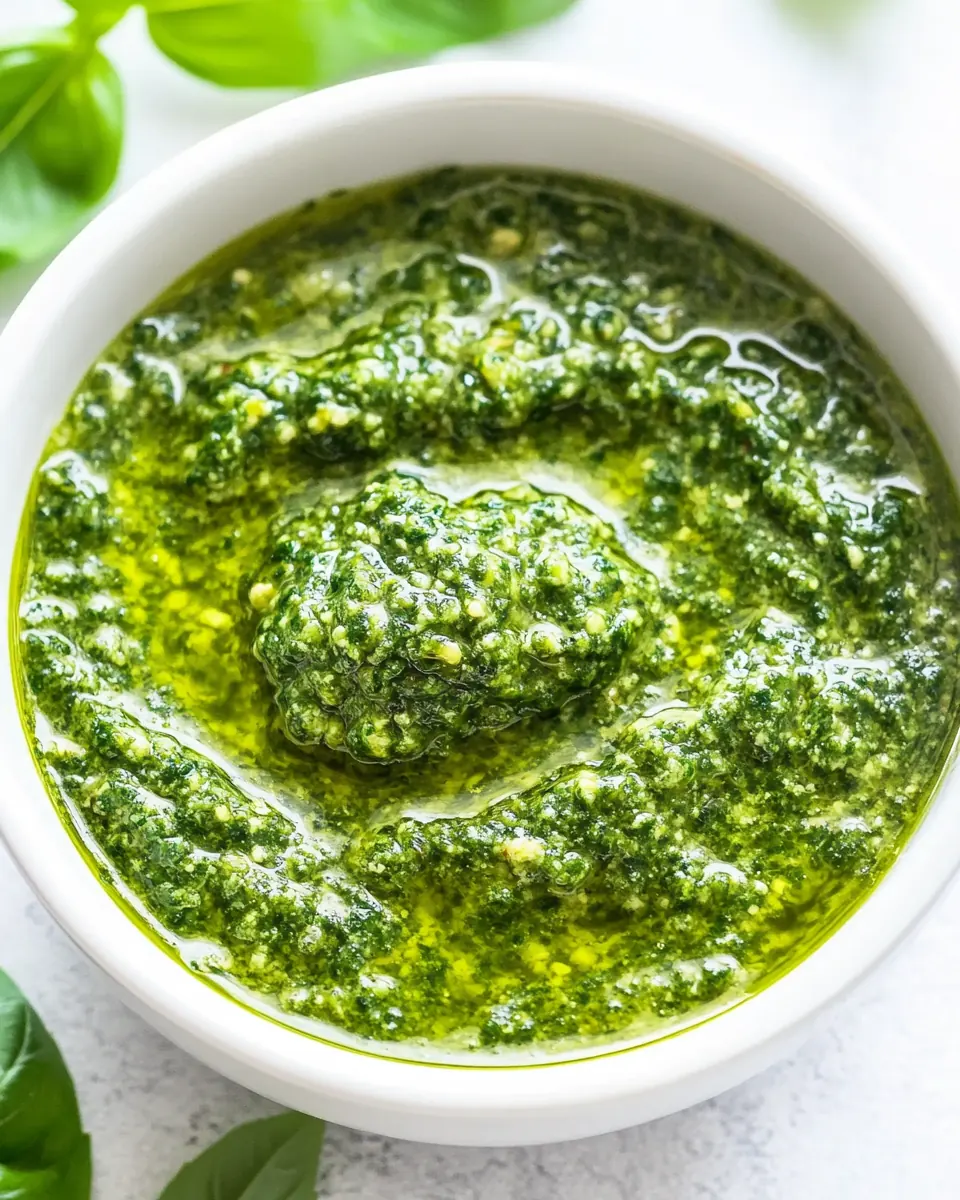
Working through these steps is straightforward, and I like to keep the process rhythmic so the sauce comes together smoothly. Have your basil washed and patted dry, measure ingredients, and keep your food processor handy so you can move through the stages without stopping. Below I expand on each instruction so you can sense the right moments and avoid common stumbles.
- In a dry pan over low-medium heat (no oil), lightly toast the pine nuts or any other nuts you’re using. Remove from heat, allow to cool.: Right away you will notice the nuts releasing a warm, toasty aroma that signals they are ready; the sound is subtle, and the color shifts to a pale golden. Toasting deepens the flavor and adds a crunchy background that blends into creaminess when processed, which is why I never skip it. Watch them constantly because once they begin to color they can quickly burn, tasting bitter instead of sweet. If you over-toast a few nuts, pick those out and continue with the rest to avoid bitterness. Let them cool completely on a plate, because warm nuts can slightly wilt the basil if added too soon, and that changes the texture of the final pesto.
- Place all of the ingredients except for the olive oil in the bowl of a food processor. Blend until completely broken down, scrape off the sides of the bowl as needed.: As the blades spin you will hear a steady chopping rhythm, and visually the mixture will transform from leaf pieces to a coarse, herbaceous paste; the garlic will integrate and the cheese will marry with the nuts. The purpose here is to achieve an even, broken down base that lets the oil emulsify well later. If you rush this step the oil will separate or the pesto will be uneven in texture. A frequent error is adding oil too early; that can make the mixture slick and prevent the blades from effectively breaking down the solids. Use a spatula to scrape down the sides periodically so everything gets incorporated, and stop once there are no large chunks left, but before the paste becomes overly liquefied.
- Add the olive oil gradually with the food processor running until you get a slightly emulsified sauce. Thin out with extra oil or water if needed.: When you stream in the extra virgin olive oil you should see the paste shine and glide, and the sound of the processor will soften as it becomes more fluid. This slow addition encourages a gentle emulsion that yields a creamy mouthfeel rather than an oily slick. The why is simple, the oil needs to be incorporated progressively so it suspends in the herb-cheese matrix. Troubleshoot by checking the texture; if it appears too thick, add more oil or a tablespoon of cold water to loosen it, but add little by little to avoid over thinning. If the pesto tastes oily, it likely needed more solids or less oil, so next time reduce the oil slightly.
Make It Your Own
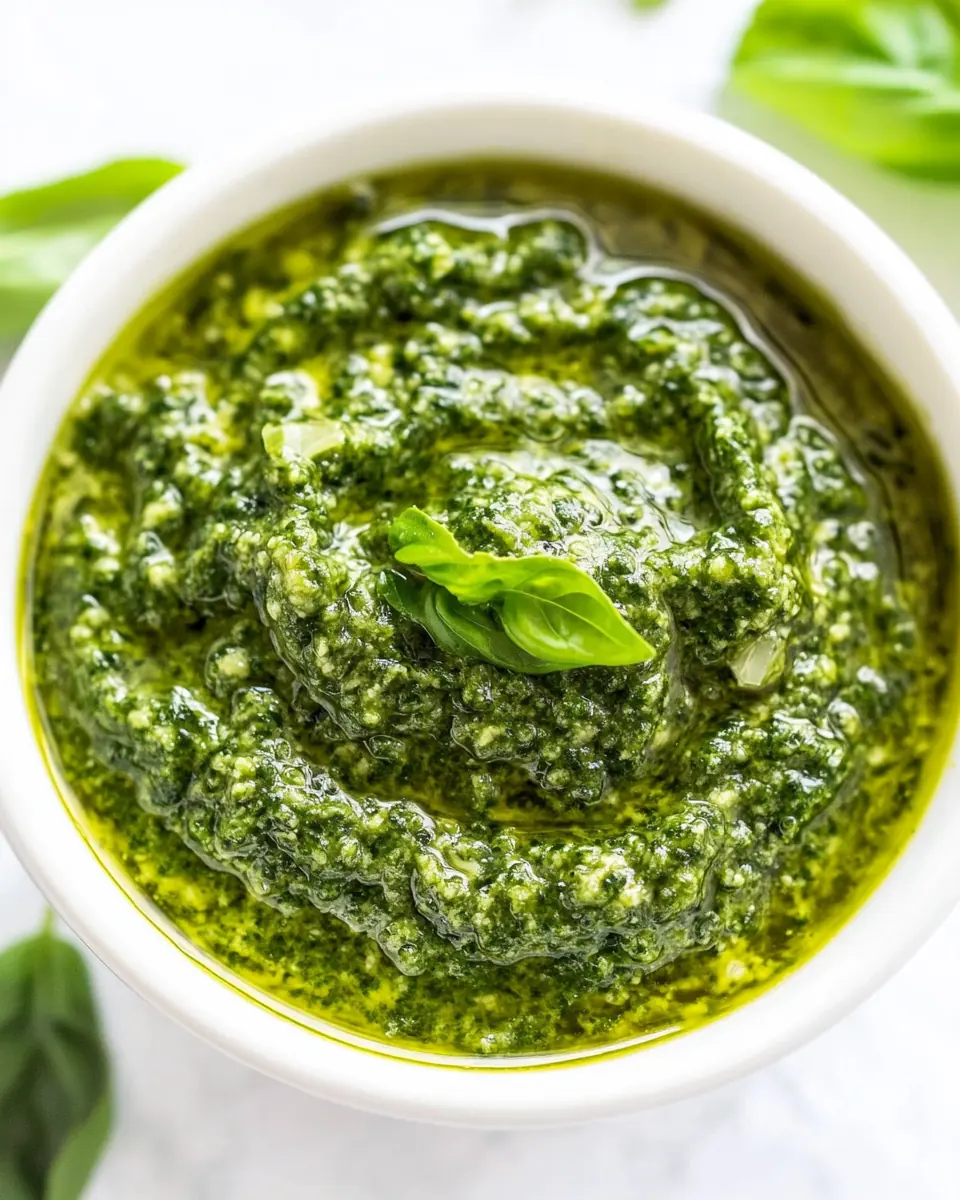
I like to think of pesto as a template rather than a rigid formula. Below are notes and expansions on the original tips so you can tailor the sauce to your pantry and taste.
- Salt adjustment: Start with the recommended 1/2 teaspoon of table salt, then taste and add more slowly because the parmesan cheese already brings salt. If you use kosher salt, increase to around 1 teaspoon, tasting as you go to avoid oversalting.
- Leaf handling: Use fresh basil leaves without stems, and pat them dry so the pesto does not become diluted. Excess water will thin the emulsion and mute flavors, so spin the leaves in a salad spinner if needed before processing.
- Green swaps: If you want a different flavor profile, substitute basil with kale, arugula, spinach, parsley, cilantro, dill, mint, wild nettle, or wild garlic, but adjust salt and oil to taste because each green has a different water content and intensity.
- Nut alternatives: Replace pine nuts with walnuts, cashews, hazelnuts, pecans, macadamia, pistachios, almonds, brazil nuts, or peanuts for varying textures and flavors; toasting time may vary by nut type so watch closely to prevent bitterness.
- Vegan option: For a vegan pesto, swap 1/2 cup parmesan for 1/4 cup nutritional yeast to retain savory depth and a cheesy note without dairy, and taste to balance salt and umami.
- Nut free: If needed, use sunflower or pumpkin seeds in place of nuts to maintain creaminess and to keep the recipe accessible for those with nut sensitivities.
- Storage: Store pesto in an airtight container in the fridge for up to 3 days with a thin layer of oil to prevent oxidation; alternatively freeze in portions for up to 3 months for easy grab and go use.
Side Dish Ideas for Homemade Basil Pesto
Homemade Basil Pesto pairs wonderfully with many dishes, and I treat it as a multipurpose condiment for casual meals and special occasions alike. Below are serving suggestions, seasonal pairings, and storage tips that help you get the most out of a jar.
- Pasta toss: Stir a few spoonfuls into hot pasta with a splash of pasta water to create a silky, glossy sauce; this is a quick weeknight dinner that feels elevated.
- Sandwich spread: Spread onto toasted bread for sandwiches, paninis, or grilled cheese to add herbaceous brightness and richness without extra fuss.
- Vegetable accent: Dollop over roasted or steamed vegetables like zucchini, tomatoes, or potatoes to add flavor and a vibrant color contrast that freshens up simple sides.
- Protein finish: Use a spoonful atop grilled fish, shrimp, or chicken to lift the dish with herbal notes; it is perfect for light summer dinners and picnics.
- Salad booster: Thin pesto with lemon juice or water and toss with greens, or mix into grain salads for a flavorful dressing alternative that clings to every grain.
- Occasions: Great for casual lunches, dinner parties, or seasonal gatherings in summer when basil is at peak flavor; it also makes a thoughtful homemade gift in small jars for holidays or housewarmings.
- Storage tips: Refrigerate in an airtight container up to 3 days with a thin layer of oil on top to prevent browning; freeze in ice cube trays or small containers for 3 months to preserve fresh flavor.
- Seasonal pairing: In summer pair with ripe tomatoes and fresh mozzarella, while in cooler months use pesto to brighten roasted root vegetables or winter squash.
- Serving style: Offer pesto at the table with a small spoon so guests can add it to pasta, vegetables, or bread according to their preference, making it a flexible condiment for family style meals.
FAQ
Conclusion
Homemade Basil Pesto is special because it concentrates bright basil flavor, toasty nuts, and savory cheese into a versatile condiment that transforms simple meals. Give it a try this week to experience how a few fresh ingredients can elevate pasta, sandwiches, and vegetables with minimal effort. You may find, as I have, that once you make your own pesto there is no going back to anything less vibrant and fresh.
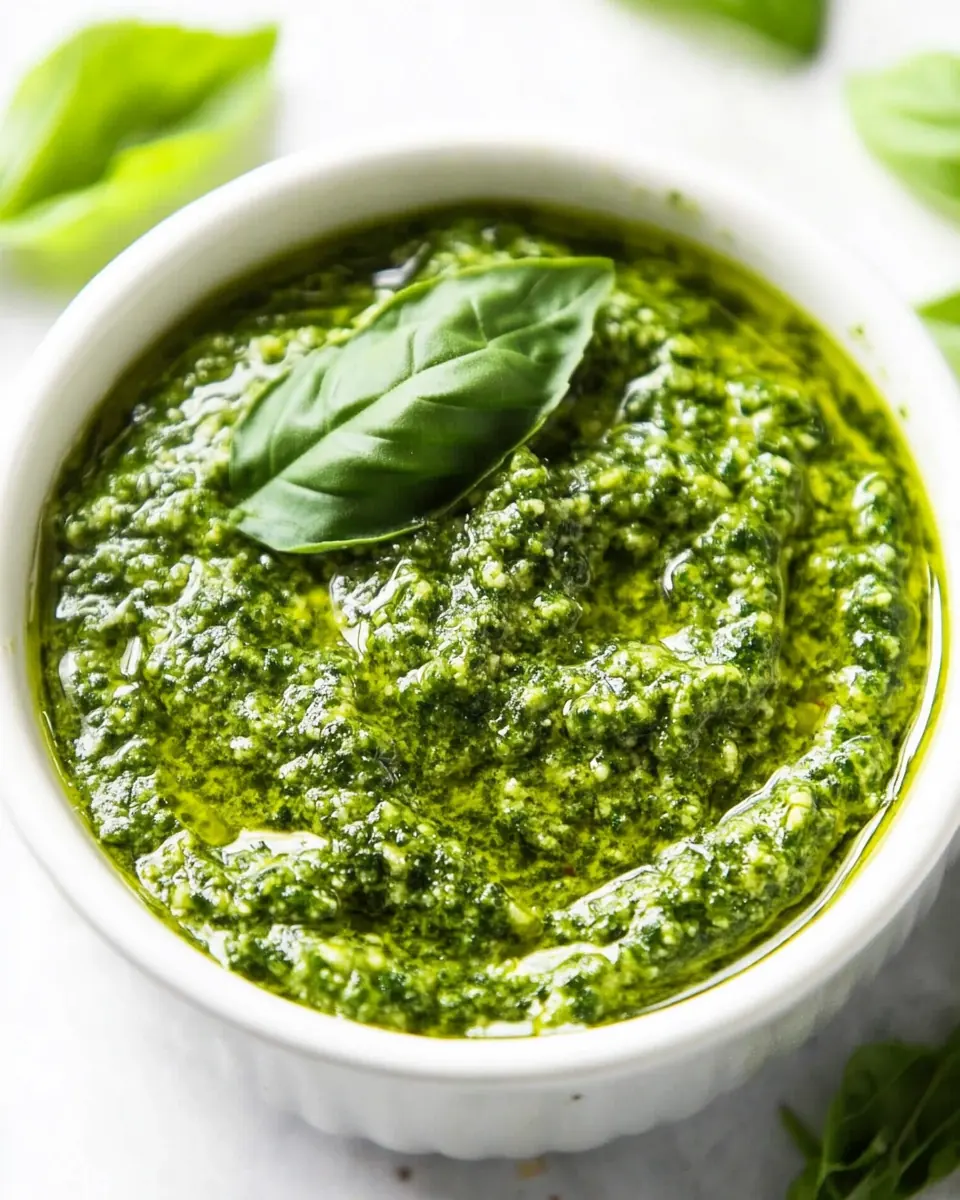
Homemade Basil Pesto
Ingredients
Equipment
Method
- In a dry pan over low-medium heat (no oil), lightly toast the pine nuts or any other nuts you’re using. Remove from heat, allow to cool.: Right away you will notice the nuts releasing a warm, toasty aroma that signals they are ready; the sound is subtle, and the color shifts to a pale golden. Toasting deepens the flavor and adds a crunchy background that blends into creaminess when processed, which is why I never skip it. Watch them constantly because once they begin to color they can quickly burn, tasting bitter instead of sweet. If you over-toast a few nuts, pick those out and continue with the rest to avoid bitterness. Let them cool completely on a plate, because warm nuts can slightly wilt the basil if added too soon, and that changes the texture of the final pesto.
- Place all of the ingredients except for the olive oil in the bowl of a food processor. Blend until completely broken down, scrape off the sides of the bowl as needed.: As the blades spin you will hear a steady chopping rhythm, and visually the mixture will transform from leaf pieces to a coarse, herbaceous paste; the garlic will integrate and the cheese will marry with the nuts. The purpose here is to achieve an even, broken down base that lets the oil emulsify well later. If you rush this step the oil will separate or the pesto will be uneven in texture. A frequent error is adding oil too early; that can make the mixture slick and prevent the blades from effectively breaking down the solids. Use a spatula to scrape down the sides periodically so everything gets incorporated, and stop once there are no large chunks left, but before the paste becomes overly liquefied.
- Add the olive oil gradually with the food processor running until you get a slightly emulsified sauce. Thin out with extra oil or water if needed.: When you stream in the extra virgin olive oil you should see the paste shine and glide, and the sound of the processor will soften as it becomes more fluid. This slow addition encourages a gentle emulsion that yields a creamy mouthfeel rather than an oily slick. The why is simple, the oil needs to be incorporated progressively so it suspends in the herb-cheese matrix. Troubleshoot by checking the texture; if it appears too thick, add more oil or a tablespoon of cold water to loosen it, but add little by little to avoid over thinning. If the pesto tastes oily, it likely needed more solids or less oil, so next time reduce the oil slightly.
Notes
- Salt adjustment: Start with the recommended 1/2 teaspoon of table salt, then taste and add more slowly because the parmesan cheese already brings salt. If you use kosher salt, increase to around 1 teaspoon, tasting as you go to avoid oversalting.
- Leaf handling: Use fresh basil leaves without stems, and pat them dry so the pesto does not become diluted. Excess water will thin the emulsion and mute flavors, so spin the leaves in a salad spinner if needed before processing.
- Green swaps: If you want a different flavor profile, substitute basil with kale, arugula, spinach, parsley, cilantro, dill, mint, wild nettle, or wild garlic, but adjust salt and oil to taste because each green has a different water content and intensity.
- Nut alternatives: Replace pine nuts with walnuts, cashews, hazelnuts, pecans, macadamia, pistachios, almonds, brazil nuts, or peanuts for varying textures and flavors; toasting time may vary by nut type so watch closely to prevent bitterness.
- Vegan option: For a vegan pesto, swap 1/2 cup parmesan for 1/4 cup nutritional yeast to retain savory depth and a cheesy note without dairy, and taste to balance salt and umami.
- Nut free: If needed, use sunflower or pumpkin seeds in place of nuts to maintain creaminess and to keep the recipe accessible for those with nut sensitivities.
- Storage: Store pesto in an airtight container in the fridge for up to 3 days with a thin layer of oil to prevent oxidation; alternatively freeze in portions for up to 3 months for easy grab and go use.